
While the political leanings of a state might seem distant from the allure of travel, understanding the cultural and demographic undercurrents of a destination can profoundly enrich the visitor experience. For travelers drawn to the unique charm of Maine, knowing its political landscape in 2023 offers a nuanced lens through which to appreciate its communities, local governance, and the very fabric of its identity. This exploration delves into Maine‘s political leanings, not to endorse any particular viewpoint, but to provide a deeper context for those seeking to immerse themselves in the authentic spirit of the Pine Tree State.
Maine’s Shifting Political Landscape
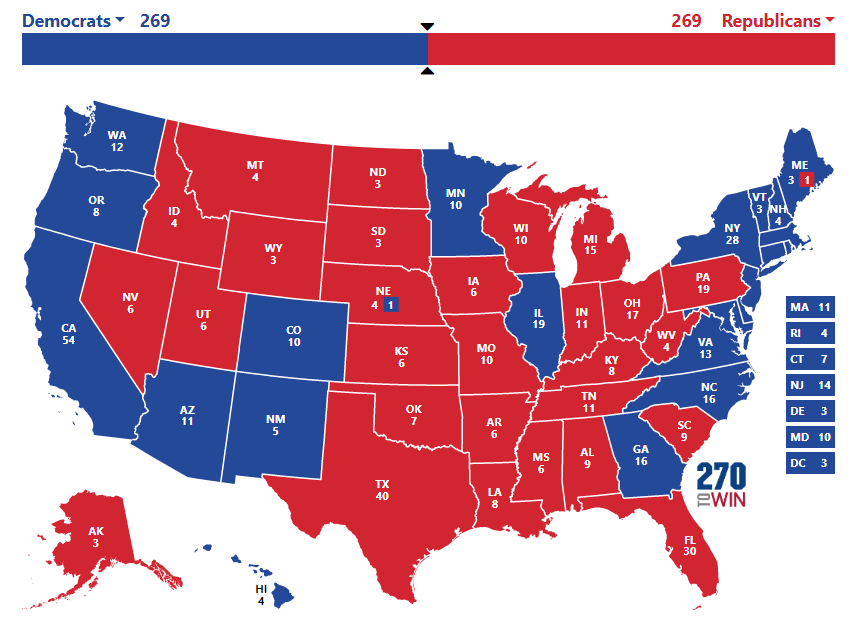
Maine has long been characterized by a complex political identity. While often perceived as a reliably liberal bastion, particularly in its more populous southern regions like Portland, the state also harbors significant conservative pockets, especially in its more rural northern and eastern areas. In 2023, this duality continues to define its electoral outcomes and legislative priorities.
Historical Trends and Current Demographics
Historically, Maine has shown a tendency to elect independent-minded politicians, a trait that has sometimes made its voting patterns difficult to pigeonhole neatly into the Democratic or Republican categories. This independent streak is often attributed to a strong sense of local autonomy and a pragmatic approach to governance that prioritizes practical solutions over rigid ideology.
In recent years, Maine has trended towards the Democratic party, particularly at the federal level. Governor Janet Mills, a Democrat, was re-elected in 2022, signaling a continued preference for the party in the executive branch. Similarly, Senators Angus King (an independent who caucuses with Democrats) and Susan Collins (a Republican) have historically won significant bipartisan support, further illustrating the state’s nuanced political scene. The state has voted Democratic in the last three presidential elections, but the margins have often been closer than in some other predominantly blue states.
The demographic makeup of Maine plays a crucial role in its political leanings. The state’s aging population, its reliance on traditional industries like fishing and logging, and the growing influx of summer residents and retirees from more populous states all contribute to a complex voter base. Urban centers like Portland and its surrounding suburbs tend to be more progressive, while the vast rural interior often leans more conservative. This geographical and demographic divide is a key factor in understanding Maine‘s electoral map.
Voter Registration and Party Affiliation
As of 2023, Maine does not have a strict party registration system in the same way some other states do. This means that voters can register as Democratic, Republican, Green Independent, or Unaffiliated. The “Unaffiliated” category is substantial, reflecting the state’s independent spirit. However, looking at party affiliation provides a snapshot of general leanings.
While precise numbers fluctuate, the Democratic and Republican parties generally have significant blocs of registered voters. However, the presence of the Green Independent party and the large number of unaffiliated voters mean that candidates often need to appeal to a broad spectrum of the electorate, transcending strict party lines. This is particularly true for independent candidates like Senator King, who has consistently won re-election by tapping into this desire for moderate, pragmatic leadership.
The state’s primary system allows registered voters to participate in their party’s primary, while unaffiliated voters can choose to vote in either the Democratic or Republican primary. This system further encourages candidates to build broad coalitions and engage with voters beyond their core party base. For a traveler, this translates to a state where local elections and community initiatives might reflect a blend of political ideologies, fostering a unique local culture that is often more concerned with immediate community needs than national partisan battles.
Implications for Travelers and Local Culture
Understanding Maine‘s political leanings, even in a superficial sense, can offer travelers a richer appreciation of the state’s character. The governance and public policy decisions influenced by these political dynamics often manifest in tangible ways that affect the visitor experience.
Local Governance and Public Spaces
The political climate influences how local communities are managed and how public spaces are developed and maintained. In more liberal areas, there might be a greater emphasis on environmental protection, public transportation initiatives, and support for arts and cultural organizations. In more conservative regions, there might be a stronger focus on traditional industries, lower property taxes, and a more decentralized approach to local services.
For instance, a town that is heavily influenced by progressive politics might have robust farmers’ markets, extensive bike lanes, and publicly funded arts programs. Conversely, a town with a more conservative bent might prioritize preserving its historical industrial heritage, offering more access to outdoor recreational areas for hunting and fishing, and maintaining a more traditional downtown core. These subtle differences can shape the atmosphere of a town, the types of local businesses that thrive, and the overall sense of community a visitor encounters.
Consider Acadia National Park, a major tourist draw. Its preservation and management are influenced by national and state environmental policies, which are, in turn, shaped by the political leanings of the state and federal government. Similarly, local regulations regarding coastal development, fishing quotas, and land use in charming towns like Kennebunkport or Bar Harbor are direct reflections of the prevailing political sentiment at the town and county level.
Community Values and Social Climate
The political leanings of a state are often intertwined with its community values and social climate. Maine, known for its independent spirit and emphasis on self-reliance, often sees these values reflected in its political discourse. While liberal areas might champion social justice causes and environmental activism, more conservative areas might prioritize individual liberty, fiscal responsibility, and traditional values.
This can translate into how welcoming and inclusive a particular community feels to different types of travelers. Visitors might find that certain towns are more aligned with their own perspectives, leading to a more comfortable and engaging experience. For example, towns that actively support LGBTQ+ rights and diversity initiatives might offer a more vibrant and inclusive atmosphere for all visitors. Conversely, communities that emphasize traditional values might offer a more serene and understated experience.
The “Maine Freeze” phenomenon, where new residents from more liberal states move to Maine and shift its political demographics, is a fascinating aspect of this evolving social climate. As these new populations integrate, they bring their own perspectives and priorities, which can, over time, influence local politics and the character of towns. This dynamic is particularly visible in coastal communities and areas experiencing growth.
Economic Policies and Local Businesses
Economic policies, heavily influenced by political ideology, can also impact the visitor experience. Decisions regarding business taxes, support for small businesses versus large corporations, and investment in tourism infrastructure are all politically driven.
In politically progressive areas, travelers might find a greater emphasis on sustainable tourism, support for local artisan shops, and a proliferation of farm-to-table restaurants. These businesses often align with a commitment to environmental stewardship and community well-being. In more conservative areas, the focus might be on attracting larger tourism investments, supporting traditional industries like lobstering and forestry, and offering a more straightforward, value-driven approach to hospitality.
The ongoing debate about responsible tourism development in Maine is a prime example. Different political factions may advocate for varying approaches to managing the influx of tourists, balancing economic benefits with the preservation of Maine‘s natural beauty and its unique way of life. For travelers, this means that the economic policies in place can influence everything from the cost of accommodations to the availability of authentic local experiences.
Experiencing Maine’s Diverse Identity
Ultimately, for the traveler, Maine‘s political landscape is not about choosing sides, but about appreciating the rich tapestry of experiences it offers. The state’s ability to embrace diverse viewpoints, from the bustling, progressive city of Portland to the quiet, independent spirit of its northern territories, is part of what makes it such a compelling destination.
Engaging with Local Communities
To truly experience Maine, it is beneficial to engage with its local communities and understand their unique characteristics. This means patronizing local businesses, attending community events, and conversing with residents. You might find that a town’s elected officials, while perhaps holding different political views, are united in their commitment to preserving the local heritage and ensuring the well-being of their constituents.
For instance, attending a town hall meeting during the summer season, even as an observer, can offer a glimpse into the local concerns and priorities. Visiting a local library or community center might reveal the kinds of social programs and initiatives that are supported, reflecting the prevailing values. Even in smaller towns, you’ll find a sense of civic engagement that is often deeply rooted in the local community’s identity.
Navigating Different Regions
When planning an itinerary, recognizing the subtle differences between Maine‘s regions can enhance the travel experience. A trip focused on the cultural attractions and culinary scene of southern Maine, including cities like Portland and Kennebunkport, will likely offer a different vibe than an exploration of the rugged coast and outdoor adventures found further north in areas like Acadia National Park or the Midcoast.
Travelers seeking a more progressive and arts-focused experience might gravitate towards Portland and its surrounding areas. Those looking for a more traditional, nature-centric, or independent experience might find themselves drawn to the rural charm and coastal villages of the Down East region or the western parts of the state. Understanding that these differences are often influenced by the political and demographic makeup of these areas can help set expectations and deepen appreciation.

The Unifying Spirit of Maine
Despite its political divisions, Maine possesses a powerful unifying spirit, often encapsulated by its rugged individualism, its deep connection to nature, and its commitment to preserving a distinct way of life. This shared identity transcends partisan lines and is a fundamental aspect of the Maine experience.
Whether you are enjoying a lobster roll on the coast, hiking through the wilderness of Baxter State Park, or exploring the charming streets of a small New England town, you are experiencing a place shaped by a complex, yet enduring, sense of community. For travelers, this means Maine offers a destination that is both politically nuanced and universally inviting, a place where the spirit of independence and the beauty of the natural world are constants, regardless of the prevailing political winds of 2023.
LifeOutOfTheBox is a participant in the Amazon Services LLC Associates Program, an affiliate advertising program designed to provide a means for sites to earn advertising fees by advertising and linking to Amazon.com. Amazon, the Amazon logo, AmazonSupply, and the AmazonSupply logo are trademarks of Amazon.com, Inc. or its affiliates. As an Amazon Associate we earn affiliate commissions from qualifying purchases.