
Maine, the “Pine Tree State,” is renowned for its rugged coastline, vast forests, and a rich tapestry of natural wonders. While many visitors flock to its shores for whale watching, lobster fishing, or exploring the iconic Acadia National Park, there’s another, often overlooked, symbol of the state’s natural heritage: its state bird. Understanding the state bird offers a unique lens through which to appreciate Maine’s natural beauty and the delicate ecosystems that thrive within its borders. This feathered emblem is more than just a title; it’s a representative of the wild spirit that defines this northeastern gem.
The Chickadee: A Symbol of Resilience and Charm
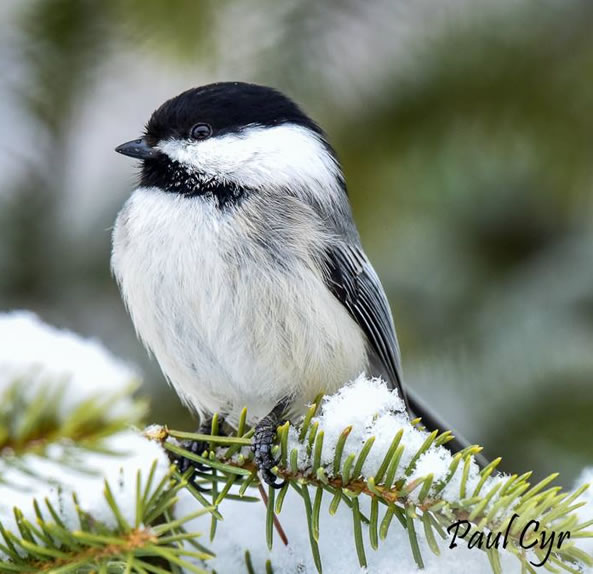
Maine’s official state bird is the Black-capped Chickadee (Poecile atricapillus). This small, energetic bird, easily recognizable by its distinctive black cap, bib, and white cheeks, is a familiar sight throughout much of North America. In Maine, however, the chickadee holds a special place in the hearts of residents and visitors alike, embodying the resilience and charm of the state’s wildlife.
Characteristics and Habitat
The Black-capped Chickadee is a non-migratory bird, meaning it remains in its territory year-round. This characteristic is particularly significant in Maine, where winters can be harsh and food sources scarce. Their ability to survive and even thrive in these conditions is a testament to their adaptability. They are often found in deciduous and mixed forests, woodlands, parks, and suburban gardens, making them a common sight even in populated areas of Maine. Their preference for wooded environments aligns perfectly with Maine’s extensive forest cover, which stretches across large swathes of the state.
These birds are social creatures, often seen flitting about in small flocks, especially outside of the breeding season. Their cheerful, distinctive “chick-a-dee-dee-dee” call is a familiar sound in the Maine woods, providing a constant soundtrack to the state’s natural landscapes. Their quick movements and inquisitive nature make them a delightful subject for observation for anyone exploring the natural beauty of Maine.
Why the Chickadee?
The Black-capped Chickadee was officially designated as Maine’s state bird on June 7, 1927. The choice was driven by several factors, including its widespread presence throughout the state and its appealing characteristics. Unlike some more elusive or regionally specific birds, the chickadee is a familiar and beloved species that many Mainers encounter regularly. Its hardiness, its distinctive call, and its cheerful demeanor contribute to its status as a well-loved emblem. The bird’s ability to find sustenance even in the depths of winter symbolizes the perseverance and fortitude associated with life in Maine.
Exploring Maine Through the Lens of the Chickadee
Understanding the Black-capped Chickadee as Maine’s state bird can enhance a visitor’s appreciation for the state’s diverse natural environment. When you’re exploring the charming towns, hiking through the expansive forests, or enjoying the scenic drives, keep an eye and ear out for these energetic little birds.
Birdwatching Opportunities
Maine offers fantastic opportunities for birdwatching, and the Black-capped Chickadee is an excellent starting point for novice and experienced birders alike. Many state parks and wildlife refuges provide excellent habitats for chickadees. For instance, areas around Camden Hills State Park or the Kennebec Valley offer a good chance of spotting them amidst the trees. Their curiosity often brings them close to observers, making for rewarding viewing experiences.
Beyond the chickadee, Maine boasts an impressive diversity of avian life. During migration seasons, the coast becomes a vital stopover point for countless species. Birdwatchers might also spot the American Robin, Blue Jay, and various woodpeckers in the same habitats as chickadees. The northern regions of the state, particularly near the borders with Canada, can offer sightings of boreal species.

Understanding Maine’s Ecosystems
The presence and health of the Black-capped Chickadee population are indicators of the health of Maine’s forest ecosystems. These birds play a role in their environment, primarily by feeding on insects, including those that can be detrimental to trees. By consuming vast numbers of insects, they help maintain the balance of the forest. Observing chickadees in their natural habitat can provide insights into the vitality of the local flora and fauna.
When visiting Maine, consider places like the Allagash Wilderness Waterway or the Baxter State Park. These vast natural preserves offer deep dives into Maine’s wild heart, where the chickadee is a constant, cheerful companion. Their adaptability to different forest types, from mixed hardwoods to dense coniferous stands, means they can be found in nearly any wooded area you explore across the state.
Beyond the Bird: Other Maine Symbols and Natural Icons
While the Black-capped Chickadee represents the state’s avian life, Maine has other notable symbols that contribute to its unique identity. Understanding these complements the bird’s significance and provides a fuller picture of the state’s natural and cultural heritage.
State Animal and Other Emblems
Maine’s state animal is the Moose. Spotting a moose in the wild is a thrilling experience for many visitors, and Maine is one of the best places in the United States to do so. The vast, undeveloped wilderness areas, particularly in the northern part of the state, provide ideal habitat for these magnificent creatures. Areas like the Moosehead Lake region are famous for moose sightings.
Other official symbols include the state tree, the Eastern White Pine, which is so integral to the state’s identity that it appears on the state flag. The state flower is the Wild Rose, adding a touch of delicate beauty to the rugged landscape. Each of these symbols, like the Black-capped Chickadee, tells a story about Maine’s natural environment and its enduring appeal.
Connecting with Maine’s Nature
For travelers interested in experiencing the natural side of Maine, learning about its state symbols is a great starting point. Whether you’re planning a trip to the rocky coast, the inland lakes, or the mountains, keeping an eye out for these icons will enrich your journey. Imagine staying in a cozy cabin near Moosehead Lake, waking up to the sound of chickadees, and hoping for a glimpse of a moose later in the day. This is the essence of experiencing Maine’s natural charm.
Many lodges and inns throughout Maine offer resources for guests interested in local wildlife and nature. Some even organize guided tours or provide checklists for spotting state symbols. Embracing these elements can transform a simple vacation into an immersive exploration of the Pine Tree State.

The Importance of Conservation
The continued presence of species like the Black-capped Chickadee and the Moose depends on ongoing conservation efforts. Many organizations in Maine work tirelessly to protect habitats and ensure the long-term survival of its wildlife. Visitors can contribute by respecting natural areas, adhering to park regulations, and supporting local conservation initiatives.
When exploring areas like Acadia National Park or the Allagash Wilderness Waterway, remember that you are a guest in a delicate ecosystem. By being mindful and informed, you can help preserve the natural beauty that makes Maine such a special destination for generations to come. The cheerful call of the chickadee serves as a small but constant reminder of the wild treasures that await those who take the time to look and listen.
LifeOutOfTheBox is a participant in the Amazon Services LLC Associates Program, an affiliate advertising program designed to provide a means for sites to earn advertising fees by advertising and linking to Amazon.com. Amazon, the Amazon logo, AmazonSupply, and the AmazonSupply logo are trademarks of Amazon.com, Inc. or its affiliates. As an Amazon Associate we earn affiliate commissions from qualifying purchases.