
While the question “What number state is Maine?” might seem straightforward, its answer unlocks a deeper appreciation for the history and identity of this distinctive corner of New England. Maine, the 23rd state admitted to the Union, holds a unique place in the American narrative, characterized by its rugged coastline, rich maritime heritage, and a spirit of independence that echoes through its charming towns and vibrant cities. Understanding this foundational detail is not merely an academic exercise; it’s a gateway to exploring the very essence of what makes Maine a compelling destination for travelers, history buffs, and anyone seeking an authentic slice of American life.

The Path to Statehood: A Journey of 23
Maine’s journey to becoming the 23rd state was a prolonged and complex one, intertwined with the very fabric of early American history. Initially part of the vast territory of Massachusetts, its distinct geographical features and burgeoning economy fostered a growing desire for self-governance. This aspiration was not unique in the nascent nation, but Maine’s path was particularly shaped by its strategic importance, its seafaring culture, and the evolving political landscape of the early 19th century.
Colonial Roots and Massachusetts’ Embrace
Long before it was the 23rd state, Maine was a frontier of exploration and settlement for European powers. Early attempts at colonization, dating back to the early 17th century, laid the groundwork for the region’s distinct character. However, for much of its colonial existence, Maine was administered by Massachusetts, a relationship that proved both beneficial and, at times, contentious. Massachusetts provided a degree of stability and protection, particularly during periods of conflict with Native American tribes and rival European powers. Yet, the sheer distance and differing priorities often left Maine feeling like a distant appendage rather than an integral part of its governing colony.
The Drive for Separation
The desire for statehood gained significant momentum in the years leading up to the 19th century. Several factors fueled this movement:
- Economic Divergence: Maine’s economy, heavily reliant on shipbuilding, fishing, and timber, developed its own unique rhythm distinct from the more mercantile and agricultural focus of parts of Massachusetts. Local leaders argued that statehood would allow for more tailored economic policies and greater control over valuable resources.
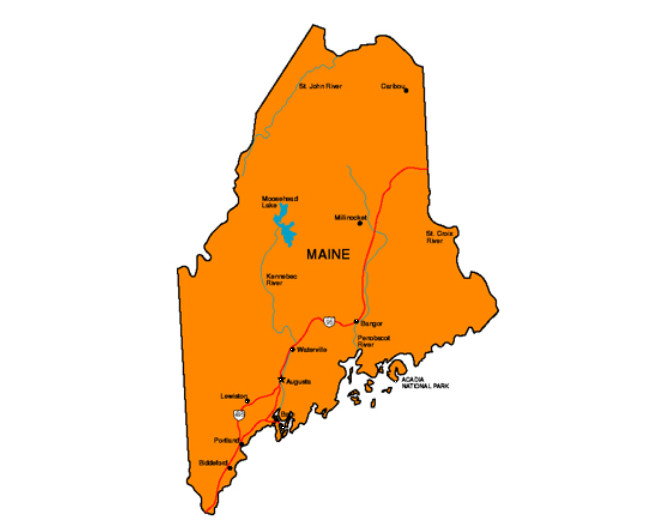
- Geographical Identity: The natural boundary of the Kennebec River and the vast expanse of wilderness separating Maine from Boston reinforced a sense of separate identity. Residents increasingly saw themselves as “Mainers” with distinct concerns and aspirations.
- Political Representation: While represented in the Massachusetts legislature, Maine residents often felt their voices were diluted. They sought direct representation and the ability to shape their own political destiny.
The process was not without its challenges. Debates over representation, taxation, and the division of assets between the two entities were protracted. It required multiple attempts and considerable negotiation before the separation could be finalized.
The Missouri Compromise and Maine’s Admission
The pivotal moment in Maine’s quest for statehood arrived with the Missouri Compromise of 1820. This landmark legislative agreement addressed the contentious issue of slavery’s expansion in new territories. As part of the compromise, Maine, a free state, was admitted to the Union simultaneously with Missouri, a slave state. This delicate balancing act maintained the equilibrium between free and slave states in the Senate, a critical factor in the volatile political climate of the era. On March 15, 1820, Maine officially became the 23rd state, marking the culmination of decades of aspiration and negotiation.
Maine: More Than Just a Number
The fact that Maine is the 23rd state is more than a trivia point; it’s a marker of its historical significance and its unique evolution within the United States. This number signifies its place in the westward expansion and the intricate political maneuvers that shaped the nation’s early decades. Beyond the numerical designation, Maine offers a rich tapestry of experiences for those who venture to its shores.
The Coastal Majesty: From Lighthouses to Lobster Boats
Maine’s identity is inextricably linked to its dramatic coastline. Stretching over 3,000 miles, including its many islands and indentations, it is the longest coastline in the United States relative to its land area. This maritime frontier has shaped the state’s economy, culture, and character for centuries.
- Iconic Lighthouses: Scattered along the coast are dozens of iconic lighthouses, stoic sentinels that have guided mariners through treacherous waters. From the picturesque Pemaquid Point Light to the historic Portland Head Light, these structures are not only navigational aids but also beloved landmarks, offering stunning photographic opportunities and a glimpse into Maine’s seafaring past.
- The Lobster Industry: No discussion of Maine is complete without mentioning its world-renowned lobster industry. The iconic red lobster boats bobbing in harbors are a testament to a tradition passed down through generations. Experiencing a fresh Maine lobster roll, straight from the trap to your plate, is a quintessential culinary adventure. Visitors can even take boat tours to witness lobster fishing firsthand, learning about the sustainable practices that define this vital industry.
- Charming Coastal Towns: Maine’s coastline is dotted with charming towns and villages, each with its own unique appeal. Kennebunkport, known for its upscale boutiques and picturesque harbor, offers a sophisticated coastal experience. Ogunquit entices with its dramatic Marginal Way cliff walk and sandy beaches. Further north, Acadia National Park beckons with its rugged granite peaks, pristine lakes, and breathtaking ocean vistas, offering unparalleled opportunities for hiking, biking, and exploring the wild beauty of the Downeast region.
Inland Adventures: Forests, Lakes, and Mountains
While its coast is legendary, Maine’s interior offers a different, yet equally captivating, landscape. Vast forests, serene lakes, and rolling mountains provide a sanctuary for outdoor enthusiasts and those seeking tranquility.
- The Allagash Wilderness Waterway: This iconic canoeing and kayaking route offers a journey through pristine wilderness, traversing a chain of lakes and rivers for over 90 miles. It’s an opportunity to disconnect from the modern world and immerse oneself in the raw beauty of Northern Maine.
- The Appalachian Trail: The northern terminus of the famed Appalachian Trail is located atop Mount Katahdin, Maine’s highest peak. The challenging ascent rewards hikers with panoramic views of the surrounding wilderness, a fitting culmination to this legendary trek.
- Moose Watching and Wildlife: The vast forests of Maine are teeming with wildlife. Guided tours offer the best chance to spot iconic creatures like moose, deer, and black bears in their natural habitat. Birdwatchers will also find a haven, with numerous species migrating through and residing in the state’s diverse ecosystems.
Cultural Immersion: Arts, History, and Local Flavors
Beyond its natural beauty, Maine boasts a rich cultural heritage that is evident in its arts scene, historical sites, and culinary traditions.
- Arts and Crafts: From the renowned art galleries of Portland to the craft studios in smaller towns, Maine has a vibrant arts community. Visitors can discover unique handcrafted jewelry, pottery, paintings, and more, often created by artisans inspired by the state’s natural beauty and maritime heritage.
- Historical Significance: Maine’s past is palpable in its historic buildings, museums, and maritime heritage centers. Explore the Old Port in Portland, with its cobblestone streets and 19th-century architecture, or visit the Abbe Museum in Bar Harbor to learn about the history and culture of the Wabanaki people.
- Culinary Delights: Maine’s culinary scene is a delicious reflection of its resources and traditions. Beyond lobster, visitors can savor fresh seafood, blueberries (the state’s official fruit), maple syrup, and farm-to-table fare. The craft beer scene is also thriving, with numerous breweries offering unique local brews.
The question of “What number state is Maine?” serves as an excellent starting point for a journey of discovery. As the 23rd state, its history is interwoven with the very formation of the United States. Yet, the true richness of Maine lies not just in its numerical designation, but in the enduring spirit of its people, the breathtaking beauty of its landscapes, and the authentic experiences it offers to every visitor. Whether you’re drawn to the rugged coast, the serene inland wilderness, or the vibrant local culture, Maine promises an unforgettable adventure.
LifeOutOfTheBox is a participant in the Amazon Services LLC Associates Program, an affiliate advertising program designed to provide a means for sites to earn advertising fees by advertising and linking to Amazon.com. Amazon, the Amazon logo, AmazonSupply, and the AmazonSupply logo are trademarks of Amazon.com, Inc. or its affiliates. As an Amazon Associate we earn affiliate commissions from qualifying purchases.