
Maine lobster is more than just a delicacy; it’s a cornerstone of New England’s identity and a significant draw for visitors seeking authentic culinary experiences. Understanding the nuances of its season is key to planning a trip that aligns with peak flavor and availability. This guide delves into the intricacies of the Maine lobster season, offering insights for food enthusiasts and travelers alike.
The Anatomy of a Lobster Season
The Maine lobster season is not a static period but a dynamic cycle influenced by a complex interplay of environmental factors, marine biology, and harvesting practices. Unlike many agricultural products with predictable harvest windows, lobster seasons are dictated by the natural behavior of the American lobster (Homarus americanus).
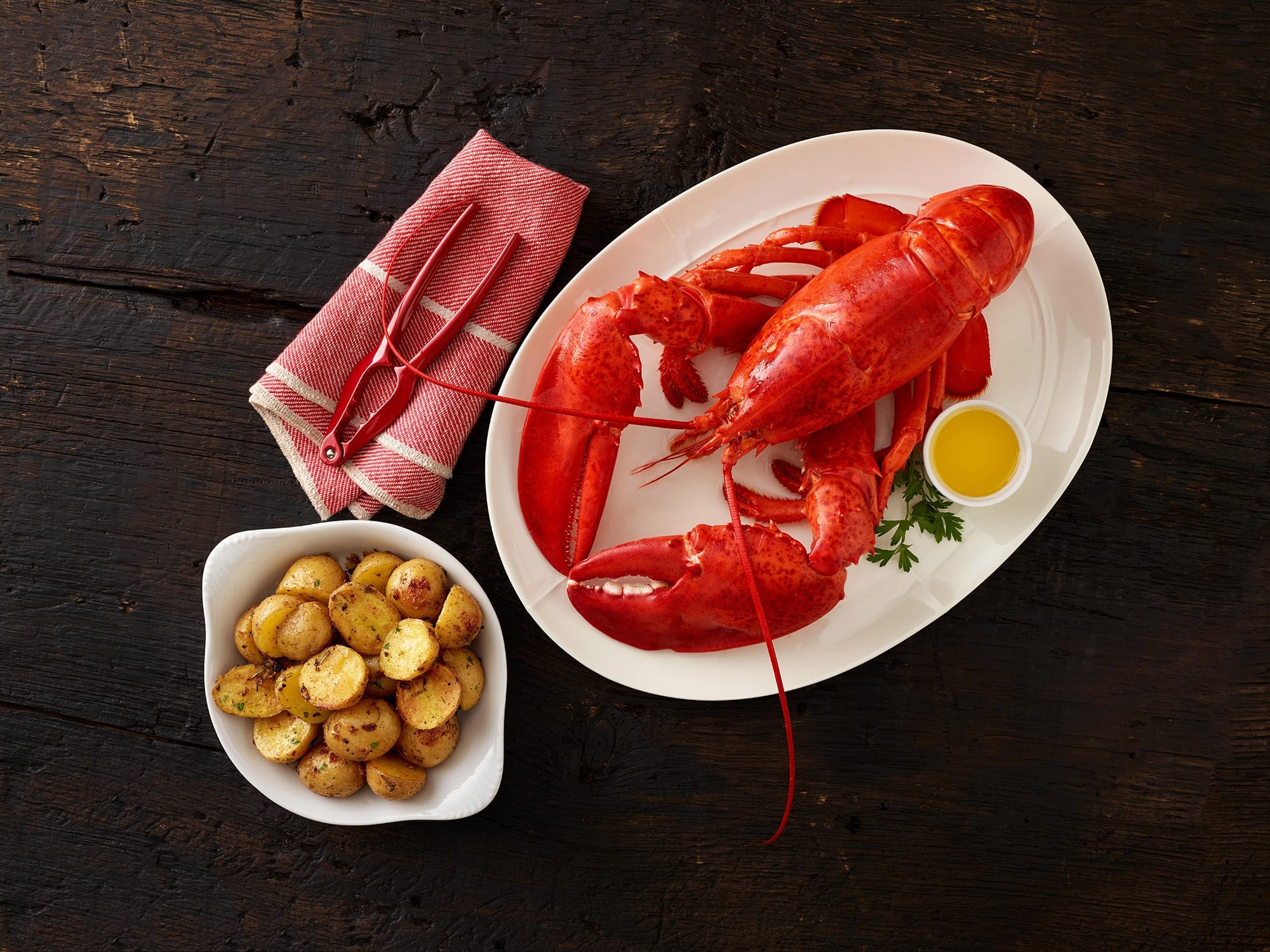
Understanding Molting and Shell Hardness
Lobster fishing in Maine revolves around the molting cycle of the American lobster. Lobsters, like other crustaceans, must shed their hard exoskeletons to grow. This process, known as molting, occurs annually, and its timing is heavily influenced by water temperature.
- Soft-Shell Lobsters: After molting, lobsters have a soft, new shell. These are known as “new shell” or “soft-shell” lobsters. They are typically more tender, sweeter, and contain more meat relative to their size. However, their shells are fragile, making them more delicate to handle and transport. The initial stages of soft-shell season are characterized by high moisture content and a less robust shell, which can affect how they are prepared and served.
- Hard-Shell Lobsters: As the new shell hardens over several weeks, the lobster becomes a “hard-shell” lobster. These lobsters are more resilient and are the primary catch for much of the year. While their meat might be slightly less succulent than that of a fresh soft-shell, they are the standard for most commercial fishing and dining experiences.
Seasonal Fluctuations and Water Temperatures
Water temperature is the primary driver of the molting schedule. As waters warm in the spring and summer, lobsters become more active and begin to molt.
- Spring (Late May to June): As the Gulf of Maine’s waters gradually warm, lobsters begin their molting process. This marks the beginning of the soft-shell season, particularly in the southern and mid-coast regions. Early season catches often consist of lobsters transitioning from hard to soft shell, offering a preview of the sweeter meat to come.
- Summer (July to September): This is considered the peak season for soft-shell lobsters. The warmer waters encourage widespread molting across the entire coast of Maine. This period is characterized by abundant catches of tender, sweet lobsters, making it the prime time for both local consumption and tourism centered around seafood. Many restaurants and lobster pounds will highlight “new shell” lobsters during these months.
- Fall (October to November): As water temperatures begin to cool, molting slows down. The lobsters caught during this period are predominantly hard-shell. While the abundance may decrease slightly compared to the summer peak, the quality remains high, and many consider fall to be an excellent time to enjoy Maine lobster as the meat fully develops within the hardening shell.
- Winter (December to April): While commercial fishing for lobster continues year-round in Maine, the colder waters significantly slow down lobster activity and molting. Fewer lobsters are caught during these months, and those that are tend to be hard-shell. Many lobstermen reduce their fishing efforts or cease operations due to challenging weather conditions and lower catch rates. However, frozen lobster meat and historically caught hard-shell lobsters are often available. Regulations also play a role, with specific closures sometimes in effect during the winter months to protect the species.
Planning Your Culinary Lobster Pilgrimage
For those planning a trip to Maine with the express purpose of savoring its most famous export, timing is everything. Understanding the seasonal availability of soft-shell versus hard-shell lobsters can enhance your culinary journey.
The Allure of the Soft-Shell Season
The period from late spring through early fall is often considered the “best” time for lobster in Maine by many connoisseurs, primarily due to the prevalence of soft-shell lobsters.
- Peak Flavor and Texture: The soft-shell lobster is prized for its superior flavor and texture. The meat is exceptionally tender, succulent, and often sweeter than its hard-shell counterpart. The higher water content contributes to its delicate taste.
- Higher Meat Yield: When lobsters molt, they temporarily have a higher percentage of meat relative to their overall weight. This means you might get more delicious lobster meat from a soft-shell lobster of a given size.
- Culinary Adaptability: The tenderness of soft-shell lobster makes it incredibly versatile. It’s perfect for steaming, boiling, or even grilling, where its delicate flavor can shine. It’s also ideal for lobster rolls, where the sweet, tender meat is a star ingredient.
- Regional Variations: While the general season is consistent, subtle variations can occur along the Maine coast. Southern Maine often sees the first molts slightly earlier in the spring, while the more northern regions might follow a week or two later. This provides a prolonged window for enjoying peak season lobster if you travel the coast.
Embracing the Hard-Shell Experience
While the soft-shell season garners much attention, the hard-shell lobster is available year-round and remains a staple for a reason.
- Consistent Availability: Hard-shell lobsters are the consistent offering throughout the year. Even when soft-shell lobsters are scarce, you can reliably find hard-shell lobsters at restaurants and markets.
- Robust Flavor: Hard-shell lobsters offer a robust, classic lobster flavor that many diners have come to expect. The meat is firm and holds up well to various cooking methods.
- Ideal for Certain Preparations: For preparations that involve intense heat or require the meat to remain firm, such as broiling or baking, hard-shell lobsters can be an excellent choice. Their shells also offer better protection during cooking.
- Year-Round Access: For visitors planning a trip during the fall, winter, or early spring, don’t be discouraged. You can still enjoy delicious Maine lobster. Many establishments offer historically caught hard-shell lobsters, and some will have access to lobsters that have already begun to harden their shells.
Beyond the Season: Factors Affecting Lobster Availability
While the calendar provides a general framework, several other factors influence when and where you’ll find the best Maine lobster.
Lobster Pounds and Markets
These are the frontline purveyors of fresh lobster.
- Local Lobster Pounds: Often found along the coast, these rustic establishments typically receive daily catches directly from lobstermen. They are excellent places to gauge the current season. Many will proudly advertise if they are serving “new shell” lobsters. Examples include the historic Red’s Eats in Wiscasset, known for its legendary lobster rolls.
- Seafood Markets: Similar to lobster pounds, seafood markets offer fresh catches. They are a good place to purchase live lobsters to cook yourself or to inquire about the current season and availability.
- Restaurants: Restaurants across Maine will feature lobster prominently during its peak season. Look for menus that specifically highlight “Maine lobster” and, if possible, inquire about whether they are serving soft-shell or hard-shell varieties. Establishments in popular tourist areas like Bar Harbor and Portland will have extensive offerings.
Regulations and Conservation Efforts
The lobster fishery in Maine is highly regulated to ensure its sustainability. These regulations can indirectly affect availability.
- V-Notching: Female lobsters that are carrying eggs are marked with a V-shaped notch in their tail fin before being released back into the ocean. This practice ensures that these females are not harvested, protecting future generations.
- Trap Limits and Size Restrictions: There are strict regulations on the size of lobsters that can be legally harvested, as well as limits on the number of traps lobstermen can set. These measures help maintain a healthy lobster population.
- Seasonal Closures: While the general season runs for a significant portion of the year, there can be specific areas or times with temporary closures for management purposes, often related to protecting spawning or molting grounds.
Environmental Factors
Unpredictable weather patterns and changes in ocean conditions can also play a role.
- Water Temperature Anomalies: Unusual cold snaps or prolonged warm spells can shift the molting cycle, leading to earlier or later molting seasons in certain areas.
- Storms: Severe weather events, particularly in the fall and winter, can disrupt fishing operations, potentially impacting the immediate availability of fresh catch.
Making the Most of Your Maine Lobster Experience
To truly immerse yourself in the world of Maine lobster, consider these tips.
Experiencing Lobster in its Natural Habitat
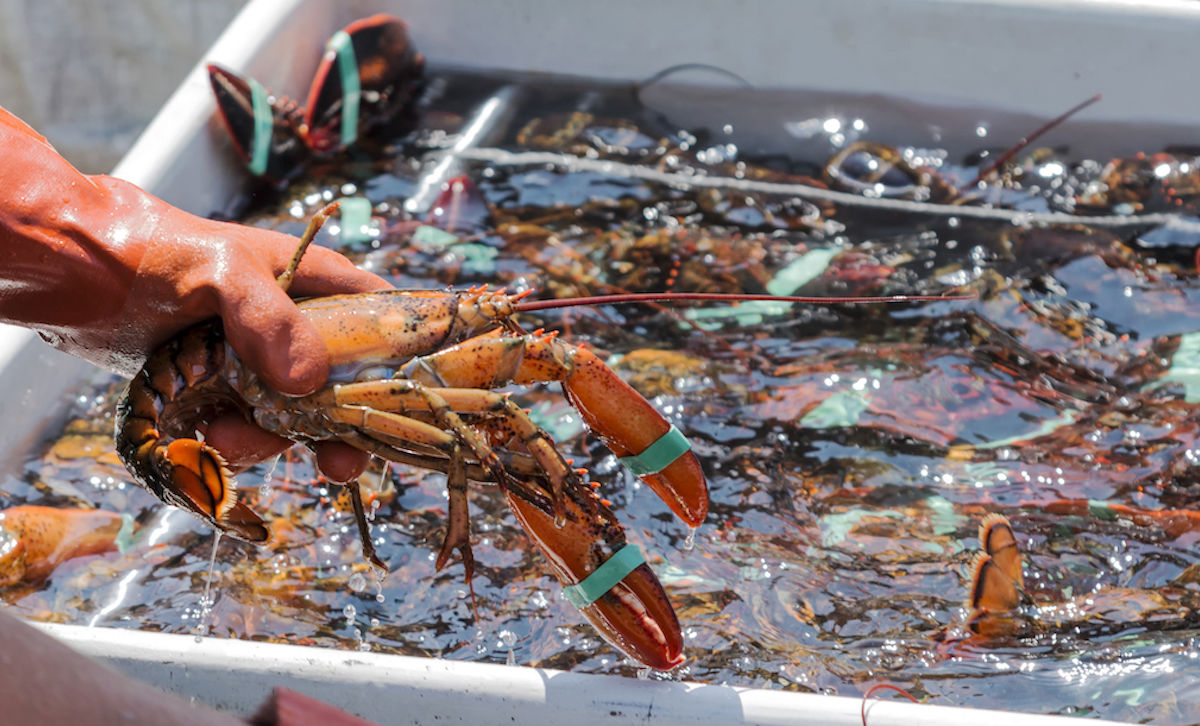
- Lobstering Excursions: Many coastal towns offer lobstering tours where you can accompany a local lobsterman, learn about the industry, and even help pull traps. This is an unparalleled way to understand the journey from sea to table. Destinations like Kennebunkport and Rockland are known for these immersive experiences.
- Lobster Festivals and Events: Maine hosts several vibrant lobster festivals throughout the summer and early fall, such as the Maine Lobster Festival in Rockland, celebrating this iconic crustacean with food, music, and more.
- Farm-to-Table Dining: Seek out restaurants that emphasize local sourcing and fresh, seasonal ingredients. This commitment ensures you are experiencing lobster at its finest.
Culinary Delights Beyond the Steamed Lobster
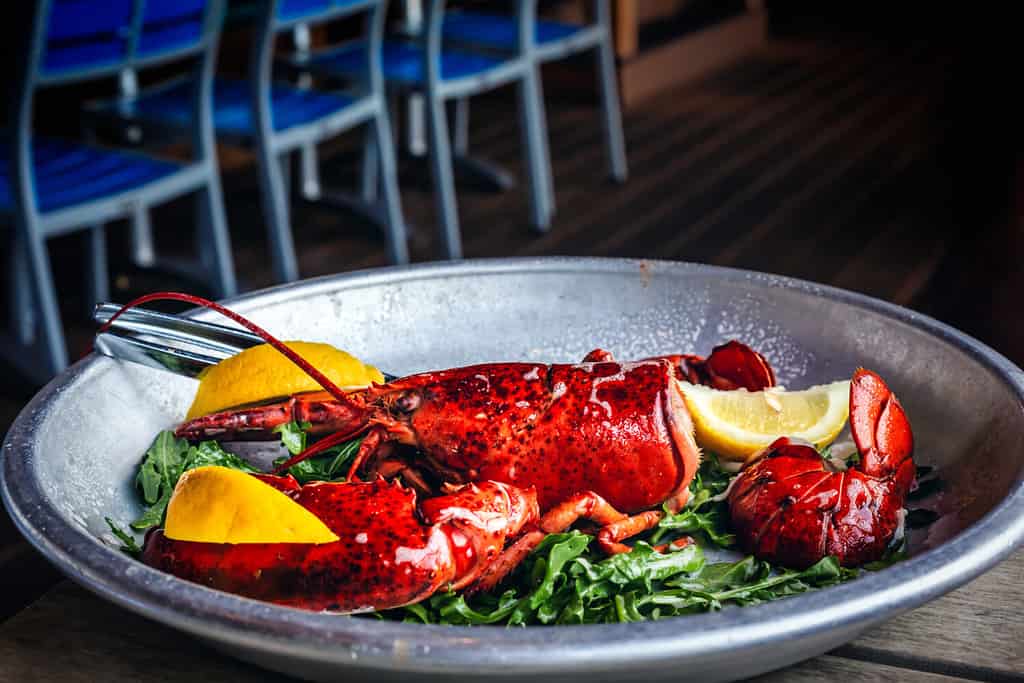
While a simple steamed or boiled Maine lobster is a classic, its versatility extends far beyond.
- Lobster Rolls: A true Maine icon, the lobster roll can be prepared in various styles. The “Maine style” typically features chilled lobster meat lightly dressed with mayonnaise and served on a grilled, buttered bun. Some variations might include celery or chives.
- Lobster Bisque: A rich, creamy, and flavorful soup, lobster bisque is a luxurious way to enjoy the sweet essence of lobster.
- Lobster Mac and Cheese: A decadent fusion of comfort food and coastal luxury, this dish is a crowd-pleaser.
- Grilled Lobster: Grilling imparts a subtle smoky flavor and a delightful char to lobster, especially when brushed with butter and herbs.
Ultimately, the “season” for Maine lobster is a continuous cycle of availability, with distinct peaks for optimal freshness and flavor. Whether you seek the tender sweetness of a soft-shell or the robust character of a hard-shell, planning your visit to Maine during its warmer months, from late spring through early fall, offers the greatest likelihood of experiencing this exquisite seafood at its absolute best.
LifeOutOfTheBox is a participant in the Amazon Services LLC Associates Program, an affiliate advertising program designed to provide a means for sites to earn advertising fees by advertising and linking to Amazon.com. Amazon, the Amazon logo, AmazonSupply, and the AmazonSupply logo are trademarks of Amazon.com, Inc. or its affiliates. As an Amazon Associate we earn affiliate commissions from qualifying purchases.