
The question of why certain states, particularly those with vastly different geographical and political landscapes like Nebraska and Maine, possess electoral districts, while others do not, often sparks curiosity. While the absence of districts might seem like a simpler or more direct form of representation, understanding the origins and purpose of districts reveals a nuanced approach to governance that aims to ensure equitable representation for all citizens, regardless of their state’s size or population density. The core of this difference lies in how states are structured within the United States federal system and how they choose to organize their legislative bodies.

The Electoral College and Congressional Representation
At the federal level, all states are represented in the U.S. Congress by both the House of Representatives and the Senate. The Senate provides equal representation, with two senators per state. However, the House of Representatives is based on proportional representation, with the number of representatives allocated to each state based on its population, as determined by the decennial census. This proportional representation is where the concept of districts becomes crucial for most states.
The House of Representatives and District Allocation
Each state, after determining its total number of representatives in the House, then divides itself into congressional districts. Each district is designed to represent a roughly equal number of constituents. This means that voters within a specific district elect one representative to the House. The process of drawing these districts, known as redistricting, is a significant political undertaking, often leading to debates about fairness and partisan advantage.
However, there’s a unique exception to this rule. The U.S. Constitution, in Article I, Section 2, states that “Representatives shall be apportioned among the several States according to their respective Numbers, which shall be determined by adding to the whole Number of free Persons, including those bound to Service for a Term of Years, and excluding Indians not taxed, three fifths of all other Persons.” This apportionment is then translated into specific congressional districts within each state.
The Case of States with Single Representatives
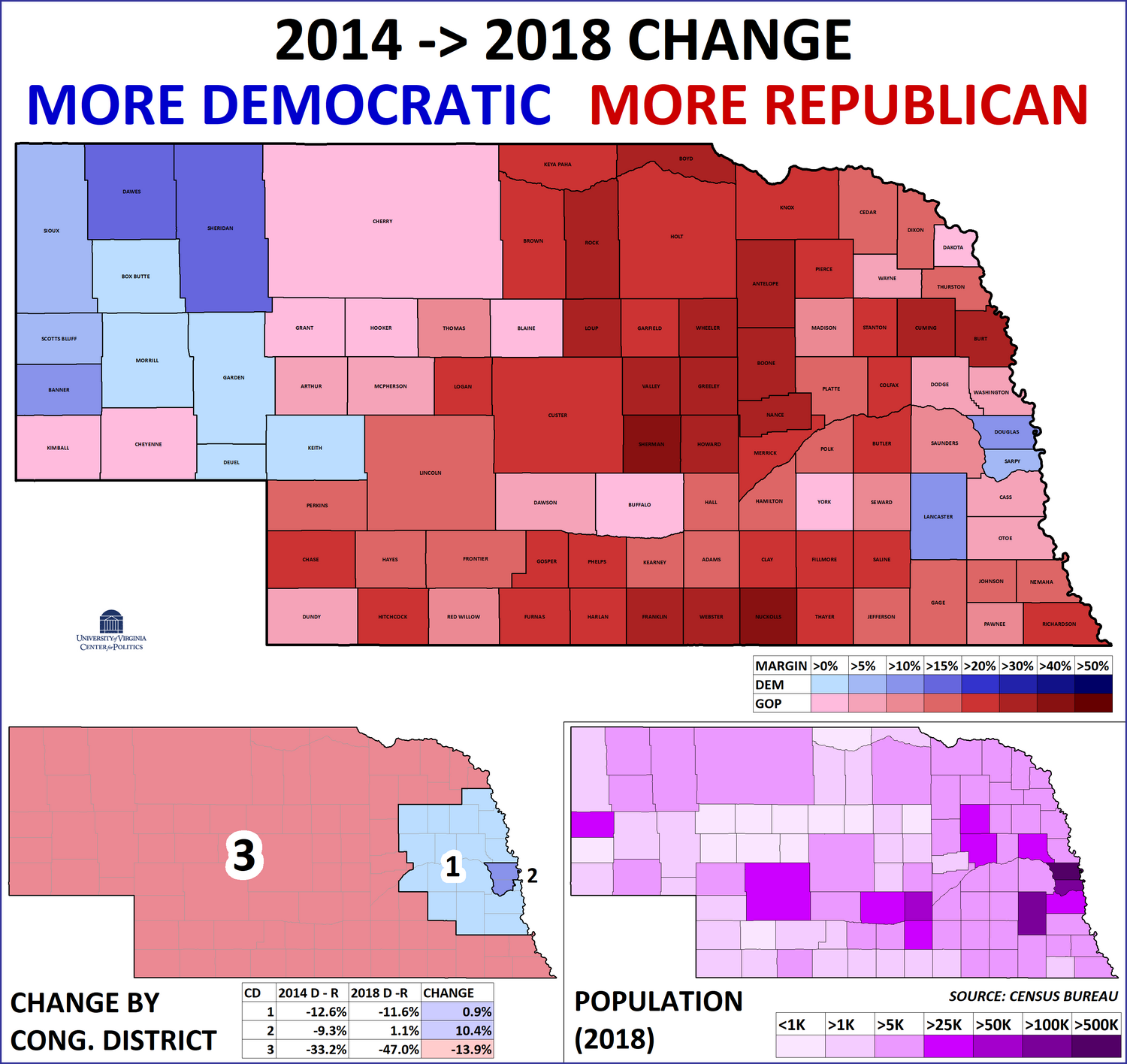
For states that are entitled to only one representative in the House, the entire state effectively becomes a single congressional district. This is the situation that Nebraska and Maine have found themselves in at various points in history, though Nebraska currently has three representatives and Maine has two. When a state has just one representative, there is no need to subdivide the state into multiple districts for congressional elections. The at-large election model means that all voters in the state cast a ballot for that single representative.
State-Level Legislative Representation and Districts
The concept of districts extends beyond federal representation to state legislatures. Most states have bicameral legislatures, mirroring the federal system with a senate and a house of representatives (or assembly). These legislative bodies are also divided into districts, with each district electing senators and representatives to serve in the state legislature. The purpose is similar to congressional districts: to ensure that elected officials represent a manageable and roughly equal number of constituents within the state.
Nebraska’s Unique Unicameral Legislature
Nebraska stands out from all other U.S. states due to its unique unicameral legislature, known as the Nebraska Legislature. This means it has only one legislative chamber, not two. The Nebraska Legislature is comprised of 49 senators, and these senators are elected from single-member districts. Therefore, even though Nebraska has a single legislative chamber, it still utilizes districts to elect its senators. The boundaries of these legislative districts are drawn based on population, ensuring that each senator represents a comparable number of constituents. This unicameral structure, while unusual, still relies on the fundamental principle of district-based representation to facilitate governance.
Maine’s Bicameral Legislature and Districts
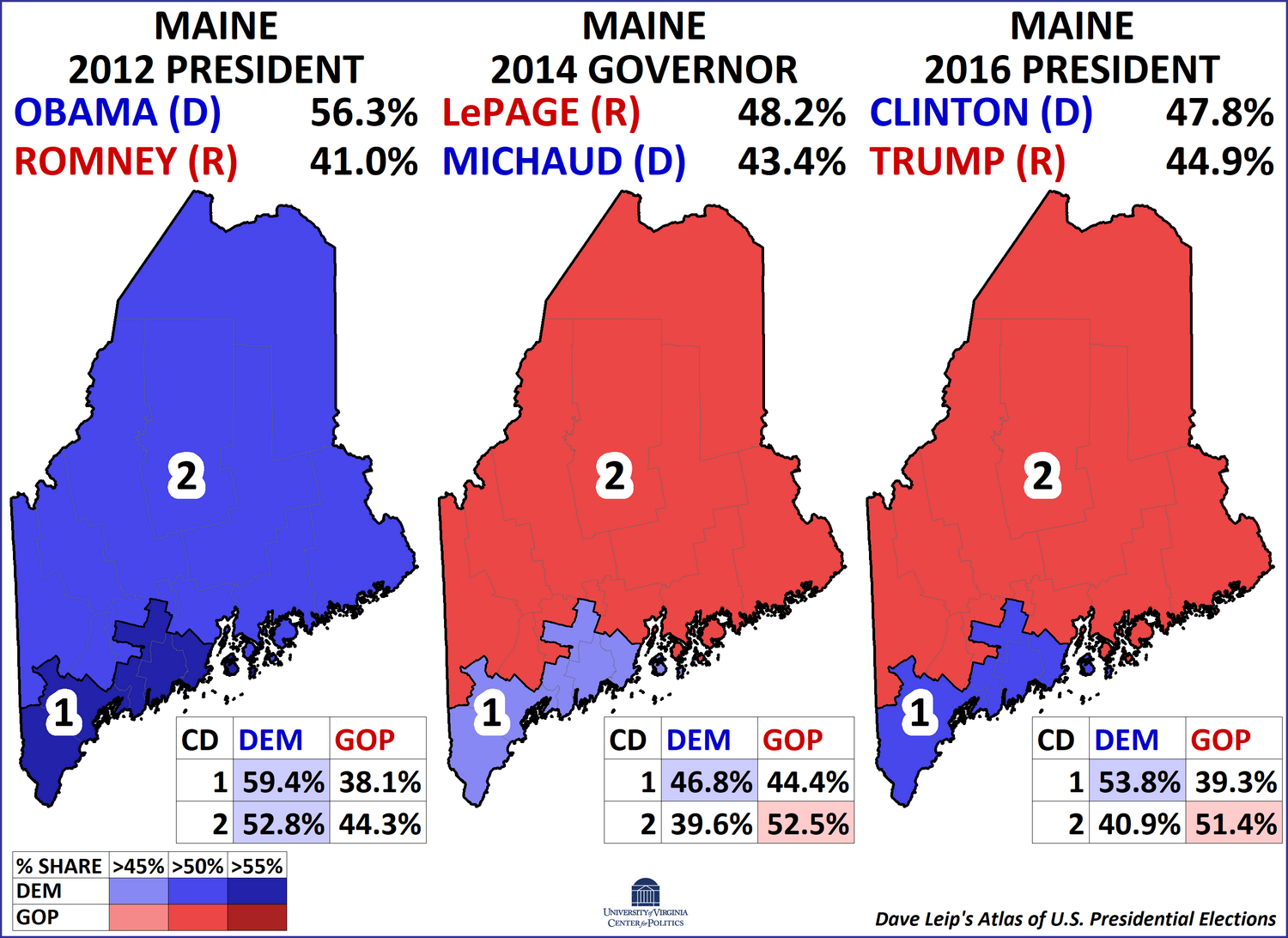
Maine, on the other hand, operates with a traditional bicameral legislature: the Maine Legislature, which consists of the Maine Senate and the Maine House of Representatives. Both chambers are divided into districts. The Maine Senate has 35 senators, each elected from a senatorial district, and the Maine House of Representatives has 151 representatives, each elected from a representative district. These districts are established and reapportioned periodically to reflect changes in population distribution, ensuring that representation remains equitable across the state.
The Rationale Behind Districts: Equity and Representation
The fundamental reason for establishing districts, whether for congressional or state legislative elections, is to promote equitable representation. Without districts, a state with a large population could have its representatives concentrated in a few densely populated areas, leaving vast geographical regions with significant populations underserved or unrepresented. Districts ensure that even in less densely populated areas, citizens have a voice and an elected official accountable to them.
The Principle of “One Person, One Vote”
The U.S. Supreme Court has consistently upheld the principle of “one person, one vote,” which mandates that electoral districts should be drawn so that each vote carries roughly equal weight. This principle is essential for the legitimacy of democratic elections. If districts are dramatically unequal in population, votes in smaller districts would effectively count more than votes in larger districts, undermining the democratic ideal. The creation and refinement of districts are direct mechanisms to uphold this principle.
Facilitating Accountability and Responsiveness
Districts also foster a stronger sense of accountability between elected officials and their constituents. Representatives who serve a specific geographic area and a defined group of people are more likely to be aware of and responsive to the unique needs and concerns of that community. This localized focus can lead to more effective governance and a stronger connection between the electorate and their representatives.
Historical Context and Evolution of Districts
The concept of electoral districts has deep roots in the history of representative democracy. Early forms of representation often involved delegates from specific towns or regions. As populations grew and states expanded, the need for more structured and systematic methods of dividing territory for representation became apparent.
Early Apportionment and the Rise of Gerrymandering
The process of drawing district lines, known as apportionment, has evolved significantly. Initially, apportionment might have been a simpler process. However, as the political implications of district boundaries became clearer, the practice of “gerrymandering” – manipulating district lines to favor a particular political party or incumbent – emerged. This practice has been a recurring challenge in the history of redistricting, leading to ongoing legal and political battles over fair districting practices.
Modern Redistricting Processes
Today, most states have established processes for drawing congressional and state legislative districts following each decennial census. These processes can vary widely, from being overseen by independent commissions to being controlled by the state legislature itself. Regardless of the specific process, the underlying goal remains to ensure that districts are reapportioned to reflect population shifts and maintain the principle of equal representation.
In conclusion, the presence or absence of districts for certain states, or for specific levels of representation within a state, is not arbitrary. It stems from the constitutional framework of the United States, the specific structures of state governance, and the enduring principle of ensuring fair and equitable representation for all citizens. While the complexities of drawing and maintaining these districts can be a source of political contention, their fundamental purpose remains to uphold the democratic ideal of a government that is truly representative of its people.
LifeOutOfTheBox is a participant in the Amazon Services LLC Associates Program, an affiliate advertising program designed to provide a means for sites to earn advertising fees by advertising and linking to Amazon.com. Amazon, the Amazon logo, AmazonSupply, and the AmazonSupply logo are trademarks of Amazon.com, Inc. or its affiliates. As an Amazon Associate we earn affiliate commissions from qualifying purchases.