
The ubiquitous hum of tires on asphalt, the steady flow of vehicles navigating scenic routes – these are the hallmarks of a well-traveled highway. In Maine, Interstate 95 (I-95) serves as a vital artery, connecting the vibrant Portland metropolitan area to the rugged beauty of the north, and acting as a crucial link for travelers venturing into the United States or heading towards the Canadian border. When traffic grinds to a halt on this essential thoroughfare, it’s more than just an inconvenience; it’s a disruption to the carefully planned journeys of tourists, locals, and businesses alike. Understanding the reasons behind such stoppages is paramount for anyone relying on I-95 for their travel plans in and around the Pine Tree State.
Navigating Unforeseen Road Closures and Delays
The allure of Maine lies in its diverse offerings: from the picturesque coastlines dotted with charming lighthouses to the vast, unspoiled wilderness of its interior. For visitors eager to explore destinations like Acadia National Park, the historic streets of Kennebunkport, or the vibrant arts scene of Portland, I-95 is often the primary gateway. However, the unforgiving nature of New England weather, coupled with the inherent complexities of maintaining a major interstate highway, can lead to unexpected and prolonged disruptions.
Severe Weather Events
Maine experiences distinct seasons, each bringing its own set of potential traffic challenges. During the winter months, heavy snowfall, ice storms, and blizzards can render I-95 impassable. Road crews, while highly skilled and equipped, face an arduous task in clearing the vast stretches of highway, especially in more remote northern sections. Visibility is drastically reduced, and the risk of accidents involving multiple vehicles escalates, often necessitating complete road closures for the safety of all travelers. The Maine Department of Transportation (MDOT) works diligently to reopen roads as quickly and safely as possible, but the sheer volume of snow and the treacherous conditions can lead to extended delays.
Spring and fall can also bring their share of travel disruptions. Heavy rains can lead to localized flooding, particularly in areas with inadequate drainage. While not as common as winter closures, significant rainfall can inundate sections of the highway, forcing diversions and traffic backups. Similarly, strong winds, especially during autumn, can bring down trees or branches onto the roadway, creating hazards that require immediate attention and can halt traffic.
Accidents and Emergency Incidents
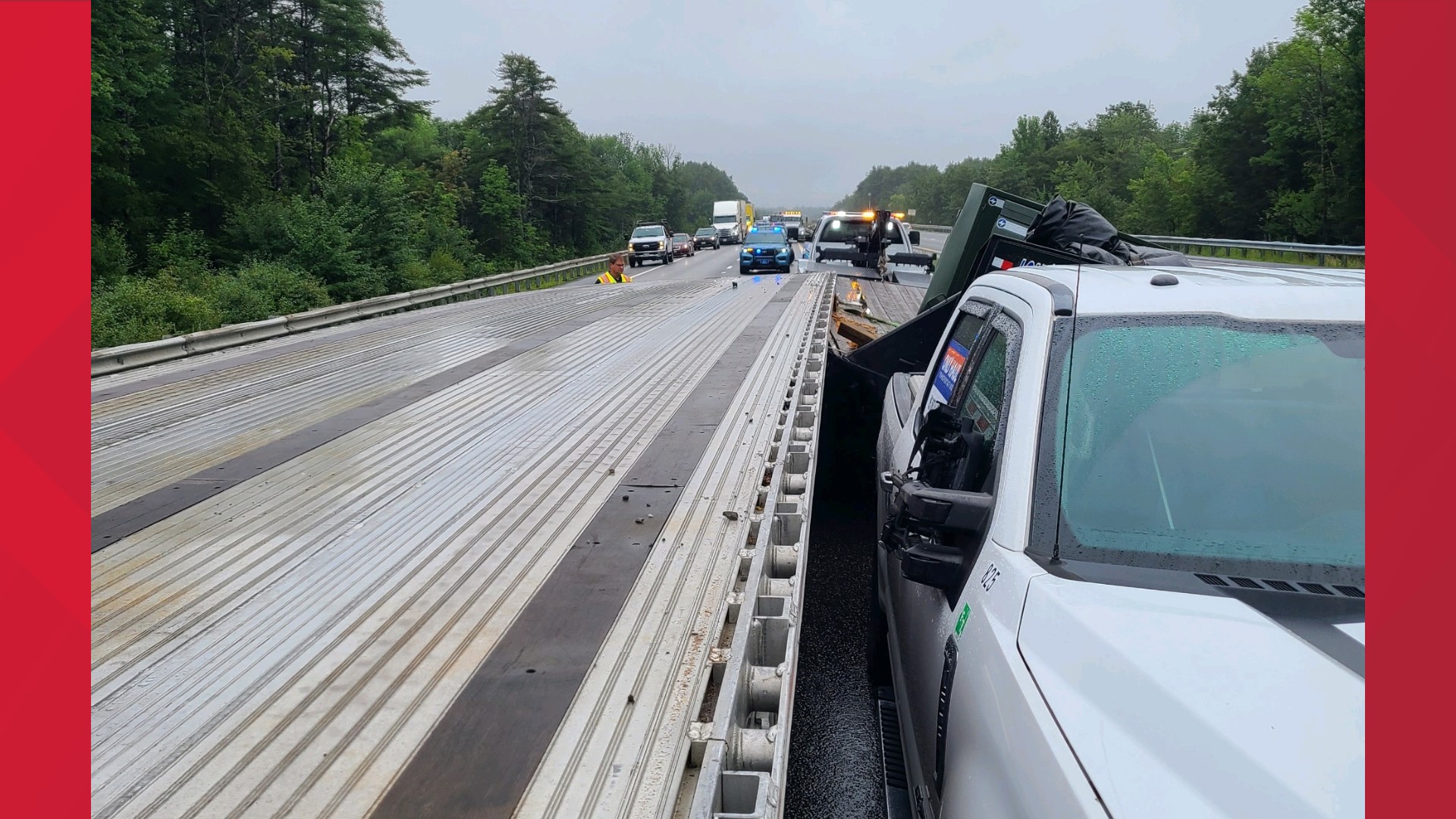
The sheer volume of traffic on I-95, especially during peak travel seasons like the summer months when tourists flock to the coast, increases the probability of vehicle accidents. These can range from minor fender-benders to major multi-car pileups. The severity of an accident dictates the extent of the disruption. A minor incident might cause a temporary slowdown, but a serious collision involving hazardous materials, overturned vehicles, or significant debris can lead to prolonged closures as emergency responders work to clear the scene, investigate the cause, and ensure the structural integrity of the road.
Beyond standard traffic accidents, emergency incidents can also impact I-95. These might include vehicle fires, breakdowns of large commercial trucks carrying oversized loads, or even the unfortunate need for law enforcement to secure sections of the highway for investigative purposes. Such events, while unpredictable, are a stark reminder of the dynamic nature of highway travel and the necessity for flexibility in travel plans.
Infrastructure Projects and Maintenance
Maintaining a highway as extensive as I-95 is a continuous and complex undertaking. The MDOT is committed to ensuring the safety and efficiency of this critical route through regular maintenance and strategically planned infrastructure projects. While these projects are essential for long-term travel safety and improved infrastructure, they inevitably lead to temporary traffic disruptions.
Road Construction and Repairs
Throughout the warmer months, from spring through fall, I-95 is a hive of construction activity. Paving projects, bridge repairs, and upgrades to drainage systems are all part of the ongoing effort to keep the highway in optimal condition. These projects often involve lane closures, detours, and reduced speed limits. While efforts are made to minimize inconvenience, such as scheduling work during off-peak hours or on weekends, it is not always feasible to avoid significant delays. Travelers are advised to check real-time traffic updates before embarking on their journey to anticipate potential slowdowns in construction zones.
Bridge and Overpass Work

The bridges and overpasses along I-95 are critical components of the highway’s infrastructure. Over time, these structures require maintenance, rehabilitation, or even complete replacement. Work on these elevated sections can be particularly disruptive, as it often necessitates the closure of entire lanes or even full closures of ramps and sections of the interstate. The complexity and duration of bridge work can vary significantly, depending on the scope of the project and the engineering challenges involved.
Planning for Travel Disruptions on I-95
For any traveler, whether a tourist heading to explore the scenic beauty of Acadia National Park or a local commuting to work, understanding how to navigate potential disruptions on I-95 is key to a smoother travel experience. Proactive planning and utilizing available resources can mitigate the frustration and lost time associated with unexpected traffic stoppages.
Utilizing Real-Time Traffic Information
In today’s connected world, access to real-time traffic information is more critical than ever. Before setting out on a journey that involves I-95 in Maine, travelers should consult a variety of resources. Navigation apps such as Google Maps, Waze, and Apple Maps provide live updates on traffic conditions, accident alerts, and road closures. These platforms are invaluable for rerouting around congestion or identifying alternative routes.
In addition to mobile applications, the Maine Department of Transportation (MDOT) offers a wealth of information through its official website and social media channels. The MDOT’s traveler information services provide detailed reports on construction projects, planned closures, and real-time traffic conditions. Monitoring these resources can help travelers make informed decisions about their departure times and routes. Local news outlets and radio stations also frequently provide traffic updates, especially during significant weather events or major incidents.
Alternative Routes and Detour Strategies
When I-95 is significantly impacted, understanding alternative routes becomes essential. Depending on the specific location of the closure, travelers might consider parallel state routes or U.S. highways. For instance, U.S. Route 1 runs parallel to I-95 for much of its length through Maine and can serve as a viable alternative, though it is often a slower, more scenic route with more local traffic.
It is important to note that while detours are put in place to guide traffic around closures, these routes can also become heavily congested. Therefore, travelers should build extra time into their itineraries, especially when traveling during peak hours or holidays. Flexibility is a traveler’s best asset; being prepared to adjust plans, embrace a slower pace, or even postpone travel if conditions are severe can save considerable stress and ensure a safer journey.
The Broader Impact on Tourism and Local Economy
The smooth functioning of I-95 is not merely a matter of convenience for individual travelers; it has a profound impact on the broader tourism industry and local economy of Maine. The state’s economy is significantly bolstered by visitors who come to experience its natural beauty, cultural heritage, and culinary delights.
Connecting Visitors to Key Destinations
For tourists planning a trip to iconic locations such as Acadia National Park, the charming seaside towns of the Midcoast region, or the vibrant city life of Portland, I-95 is the primary conduit. Delays and closures can deter visitors, leading to lost revenue for hotels, restaurants, retail establishments, and activity providers. A reputation for unreliable access can negatively influence travel decisions, particularly for international tourists or those with tight schedules.

Facilitating Commerce and Business Operations
Beyond tourism, I-95 is a critical corridor for commerce. Trucks transporting goods and services rely on this interstate for efficient delivery. Disruptions can lead to increased shipping costs, delays in inventory replenishment for businesses, and a ripple effect throughout the supply chain. Local businesses, from small farms selling their produce to larger manufacturers, depend on the timely movement of goods. Therefore, maintaining the integrity and flow of traffic on I-95 is vital for the economic health of the entire state.
In conclusion, while the reasons for traffic stoppages on I-95 in Maine can range from unpredictable weather and accidents to essential infrastructure maintenance, understanding these factors is the first step towards navigating them effectively. By utilizing real-time information, planning for alternative routes, and remaining flexible, travelers can continue to enjoy the diverse experiences Maine has to offer, ensuring that their journeys, despite the occasional pause, are ultimately rewarding.
LifeOutOfTheBox is a participant in the Amazon Services LLC Associates Program, an affiliate advertising program designed to provide a means for sites to earn advertising fees by advertising and linking to Amazon.com. Amazon, the Amazon logo, AmazonSupply, and the AmazonSupply logo are trademarks of Amazon.com, Inc. or its affiliates. As an Amazon Associate we earn affiliate commissions from qualifying purchases.