
Navigating the intricate landscape of pet ownership, especially when traveling or relocating, can present unique challenges. For prospective visitors and new residents of Miami, one question that frequently surfaces concerns breed-specific legislation, particularly regarding the presence of Pitbulls. Understanding the legal framework surrounding these animals is crucial for ensuring a compliant and enjoyable stay. This guide delves into the regulations, historical context, and practical implications of owning or encountering Pitbull-type dogs within the vibrant city of Miami, Florida.
Understanding Miami-Dade County’s Breed Ban
The legality of Pitbulls in Miami is intrinsically tied to the broader regulations of Miami-Dade County, as the city itself operates within the county’s jurisdiction. For many years, Miami-Dade County has maintained a stringent ban on specific dog breeds, which prominently includes what are commonly referred to as “Pitbulls.” This ban is not a simple prohibition of a single breed but rather encompasses a group of dogs that share similar physical characteristics and lineage.
Defining “Pitbull” Under the Ordinance
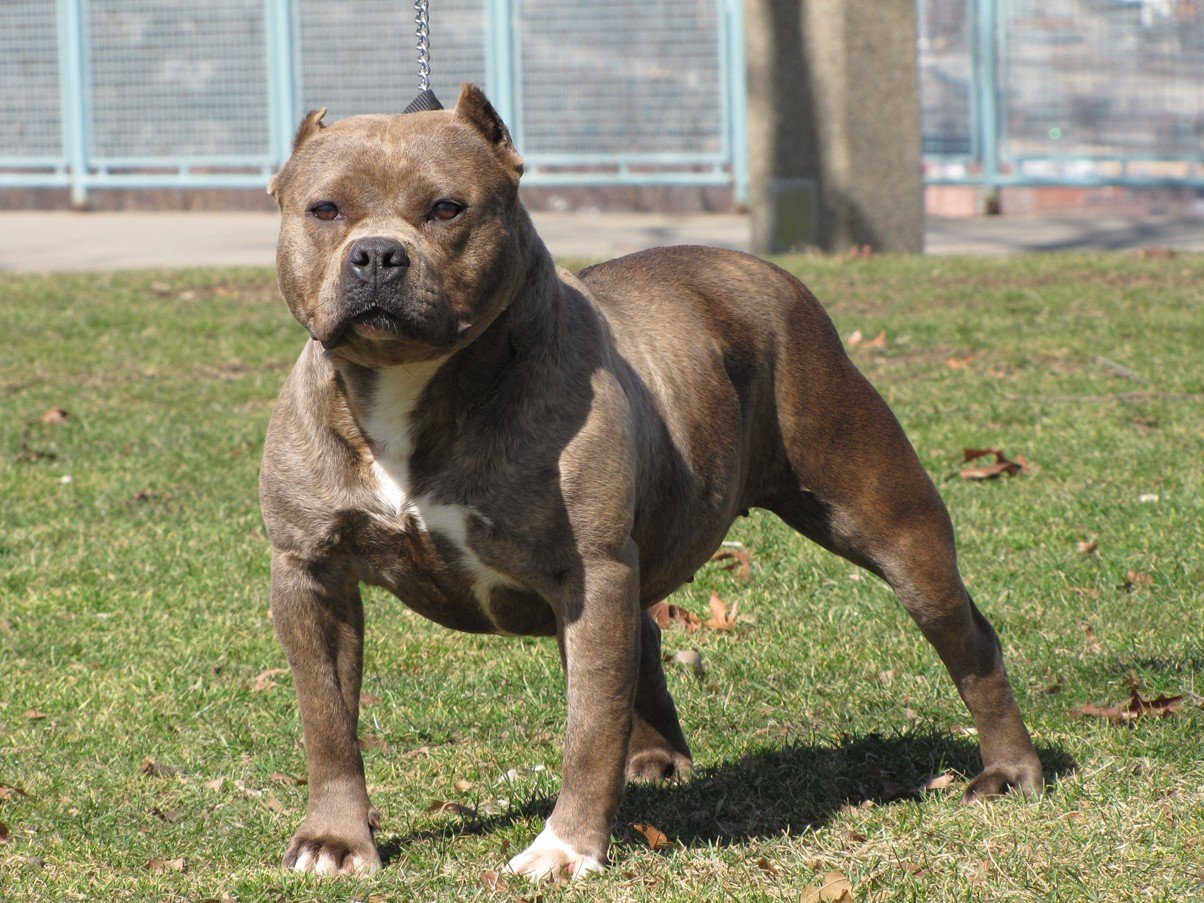
The term “Pitbull” itself is often used as a catch-all phrase, and county ordinances typically define it through a combination of breed registries and physical attributes. Miami-Dade County Ordinance 5-1, Section 5-1.1, is the primary legal document governing this issue. It defines a “dangerous dog” and, as part of that definition, identifies specific breeds and breed mixes that fall under stricter regulations.
The ordinance generally includes dogs that are American Pit Bull Terriers, Staffordshire Bull Terriers, American Staffordshire Terriers, and American Bulldogs. Crucially, the definition extends beyond purebreds to include any dog exhibiting the main characteristics of these breeds. This means that mixed-breed dogs with significant Pitbull ancestry or those that visually resemble these breeds can also be subject to the ban. The intent behind such a broad definition is to capture dogs that share the breed’s generally recognized physical traits, which may be associated with perceived risks.
The Enforcement and Impact of the Ban
The ban in Miami-Dade County has been in place for a considerable period, and its enforcement has a direct impact on residents and visitors. For individuals who own dogs that fall under the prohibited breed classification, bringing them into Miami-Dade County is against the law. This can result in the confiscation of the animal, fines, and other penalties.
The ordinance’s impact extends beyond just ownership. It influences rental agreements, access to public spaces, and even the ability to seek veterinary care. Many property management companies and landlords in Miami will not allow Pitbull-type dogs, regardless of their temperament or training. This creates a significant hurdle for Pitbull owners looking to relocate to the area or even to visit.
Historical Context and Rationale Behind Breed-Specific Legislation
Breed-specific legislation (BSL) like that implemented in Miami-Dade County is rooted in concerns about public safety and the potential for certain breeds to inflict severe harm. The rationale behind such laws often centers on the perceived inherent aggression, strength, and tenacity of Pitbull-type dogs.
The Rise of Pitbulls and Public Perception
In the late 20th and early 21st centuries, Pitbull-type dogs experienced a surge in popularity, partly due to their association with certain subcultures. Unfortunately, this period also saw an increase in media portrayals and public perception that linked the breed with aggression and dangerous incidents. These perceptions, whether entirely accurate or not, played a significant role in shaping public policy.
Advocates for BSL argue that these breeds possess a genetic predisposition towards aggression and a powerful bite, making them a greater public safety risk. They point to statistics, often derived from bite incident reports, that highlight the severity of injuries inflicted by these dogs. The aim of such legislation, from this perspective, is to proactively reduce the risk of dog bites and attacks by preventing the presence of breeds deemed inherently dangerous.
Critiques and Alternative Approaches
However, BSL faces considerable criticism from animal welfare organizations, veterinarians, and many dog behaviorists. Critics argue that such laws are discriminatory, ineffective, and punish responsible owners for the actions of a few irresponsible ones. They contend that a dog’s behavior is influenced more by factors such as training, socialization, environment, and responsible ownership than by breed alone.
Many organizations, including the American Veterinary Medical Association and the Humane Society of the United States, advocate for breed-neutral dangerous dog laws. These laws focus on the behavior of individual dogs, regardless of their breed, and hold owners accountable for their pets’ actions. They emphasize the importance of responsible pet ownership, including proper training, containment, and supervision, as the most effective means of preventing dog bites.
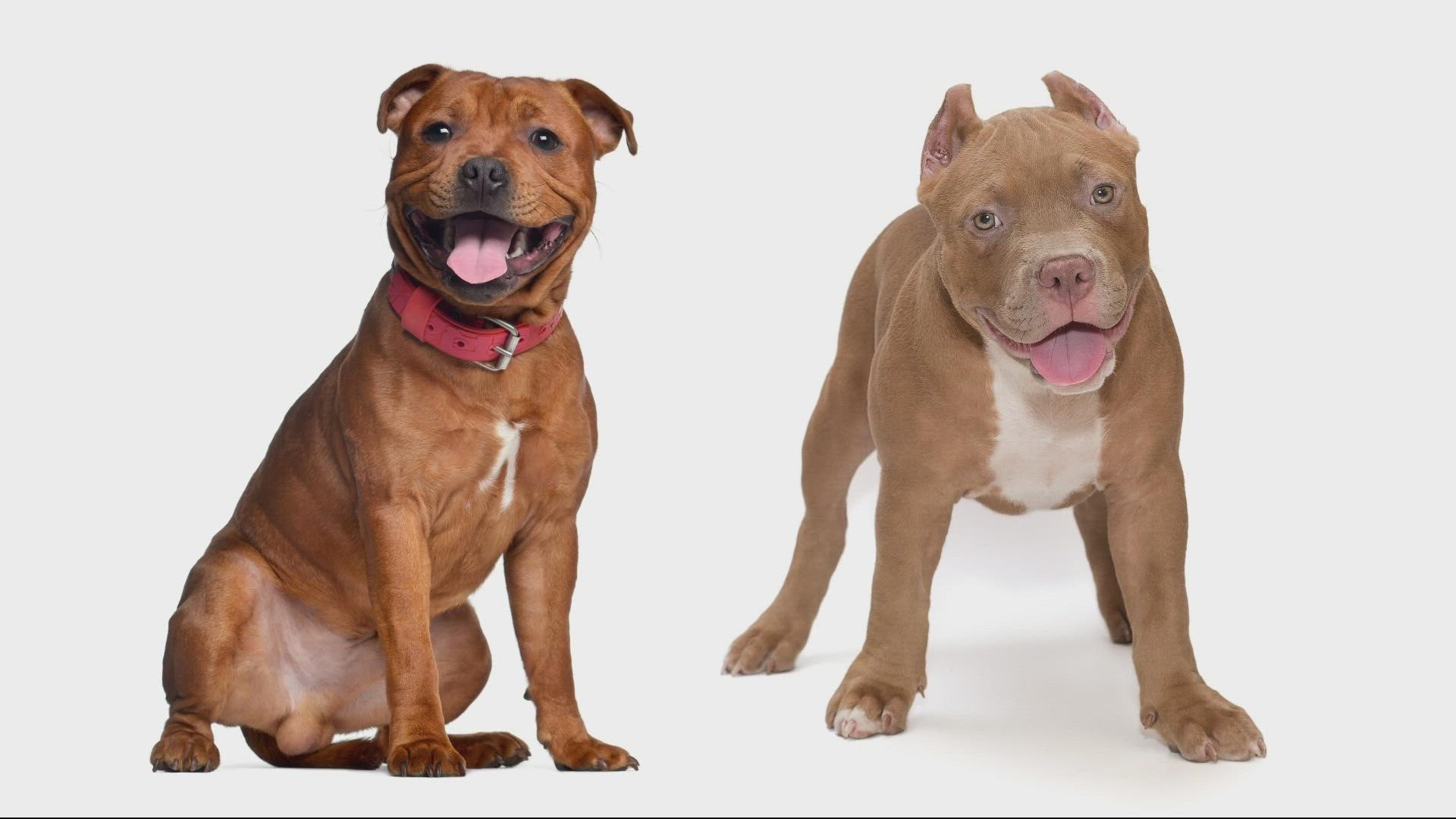
The debate over BSL is complex, involving public safety concerns, animal welfare, and civil liberties. While Miami-Dade County has maintained its ban, other jurisdictions have repealed or modified similar laws, opting for breed-neutral approaches.
Traveling to Miami with Your Dog: Navigating the Pitbull Ban
For travelers planning a trip to Miami, understanding the Miami-Dade County Pitbull ban is paramount if you are traveling with a dog. It is not a matter of checking the city’s specific ordinances, but rather the county’s overarching regulations.
Can You Bring Your Pitbull to Miami?
The straightforward answer is no, you cannot legally bring a dog that falls under the definition of a Pitbull into Miami-Dade County. This applies to temporary visits as well as permanent relocation. Attempting to do so can lead to severe consequences, including the dog being seized by animal control.
Alternatives for Pitbull Owners
If you are a Pitbull owner planning a trip to South Florida, you will need to make alternative arrangements for your pet. This typically involves leaving your dog with a trusted friend or family member outside of Miami-Dade County, or utilizing professional boarding facilities that are located in counties without breed-specific legislation. Researching reputable boarding kennels or pet sitters in areas like Broward County or Palm Beach County, which do not have similar bans, is a viable option.
Accommodation and Travel Considerations
When booking accommodations in Miami, it is essential to be aware that even if a hotel or rental property does not explicitly mention a Pitbull ban, they are still subject to county ordinances. Furthermore, many establishments that do allow pets will likely have their own breed restrictions, which often include Pitbulls. Always verify a property’s pet policy and inquire specifically about breed restrictions to avoid any last-minute complications.
For those who are considering moving to Miami, it is crucial to understand that owning a Pitbull within Miami-Dade County is not permissible. This might necessitate a reevaluation of relocation plans or a commitment to rehoming the animal to a location where it is legally allowed.
Beyond the Ban: Responsible Dog Ownership in Miami
While the Pitbull ban in Miami-Dade County is a significant legal consideration, responsible dog ownership extends to all breeds. Understanding and adhering to general animal control laws, leash laws, and licensing requirements is crucial for all pet owners in Miami.
General Pet Ownership Laws
Beyond breed-specific legislation, Miami and Miami-Dade County have general ordinances governing pet ownership. These include requirements for licensing your dog with the county, ensuring your pet is vaccinated against rabies, and adhering to leash laws in public spaces. Dogs are generally required to be on a leash unless they are in a designated off-leash dog park.
The Importance of Socialization and Training
Regardless of breed, responsible ownership involves dedicating time and effort to socializing and training your dog. Proper socialization from a young age helps dogs become comfortable and well-behaved around people and other animals. Consistent training reinforces good behavior and strengthens the bond between owner and pet. These practices contribute to creating well-adjusted canine companions, which is beneficial for any dog, and particularly important for breeds that may be subject to heightened scrutiny.
Animal Services and Resources
Miami-Dade Animal Services is the primary agency responsible for enforcing animal control ordinances, managing animal shelters, and providing resources for pet owners. They offer information on licensing, vaccinations, spaying and neutering programs, and lost and found services. Familiarizing yourself with their services can be beneficial for all pet owners in the Miami area. For those who have been impacted by breed-specific legislation, understanding the options available through Animal Services, such as surrender or rehoming assistance if relocating, is also important.
In conclusion, the question of whether Pitbulls are illegal in Miami is answered by the Miami-Dade County ordinance, which prohibits them. This legal framework has historical roots and continues to be a point of contention. For visitors and residents alike, it necessitates careful planning and adherence to the law to ensure the safety and well-being of both pets and the community.
LifeOutOfTheBox is a participant in the Amazon Services LLC Associates Program, an affiliate advertising program designed to provide a means for sites to earn advertising fees by advertising and linking to Amazon.com. Amazon, the Amazon logo, AmazonSupply, and the AmazonSupply logo are trademarks of Amazon.com, Inc. or its affiliates. As an Amazon Associate we earn affiliate commissions from qualifying purchases.