
The question of distance between two major Southern hubs, Atlanta and Miami, is a common one for travelers, business professionals, and anyone considering a change of scenery. Spanning approximately 660 miles by road, this journey offers a diverse tapestry of landscapes, from the rolling hills of Georgia to the vibrant coastal plains of Florida. Understanding this distance is the first step in planning any trip, whether you’re opting for the freedom of a road trip, the efficiency of air travel, or the scenic potential of other transportation methods. This distance dictates travel time, costs, and the overall experience, making it a crucial factor in itinerary development.

Driving: The Open Road Adventure
The most popular way to traverse the distance between Atlanta and Miami is by car. This route, primarily following Interstate 75 South and then potentially connecting to Florida’s Turnpike or Interstate 95 South, offers a quintessential American road trip experience. The total driving distance hovers around 660 miles, a figure that can fluctuate slightly based on the exact starting and ending points within each metropolitan area and any detours taken.
Estimated Driving Time and Factors
A direct drive, assuming optimal traffic conditions and minimal stops, can take approximately 9 to 10 hours. However, this is a purely theoretical number. In reality, several factors will influence the actual travel time:
- Traffic: Both Atlanta and Miami are major metropolitan areas, and their surrounding highways can experience significant congestion, especially during peak hours, weekends, and holidays. Navigating through these urban centers can add considerable time to your journey.
- Stops: The 660-mile journey is substantial. Most travelers will require at least one or two significant stops for fuel, meals, and rest. Planning these stops strategically can break up the drive and make it more enjoyable. Consider a midway point like Gainesville, Florida, or Valdosta, Georgia, for a more relaxed pace.
- Road Conditions and Construction: Unexpected road work, accidents, or adverse weather conditions can cause delays. Staying updated on traffic reports through navigation apps or local radio is advisable.
- Vehicle Performance: The efficiency and reliability of your vehicle will also play a role. Ensuring your car is in good condition before embarking on such a long drive is paramount.
Route Considerations
The most common route involves taking I-75 South from Atlanta through Georgia and into northern Florida. Near Gainesville, drivers typically have a choice:
- Florida’s Turnpike: This toll road is often a more direct and potentially faster route to South Florida, leading into the Miami area. While it involves tolls, many find the reduced traffic and consistent speed to be worth the cost.
- I-95 South: This highway runs closer to the eastern coast of Florida and can offer scenic views. However, it often experiences heavier traffic, especially through populated coastal cities.
Choosing between these routes depends on personal preference, time constraints, and a willingness to pay tolls.
Flying: The Fastest Path
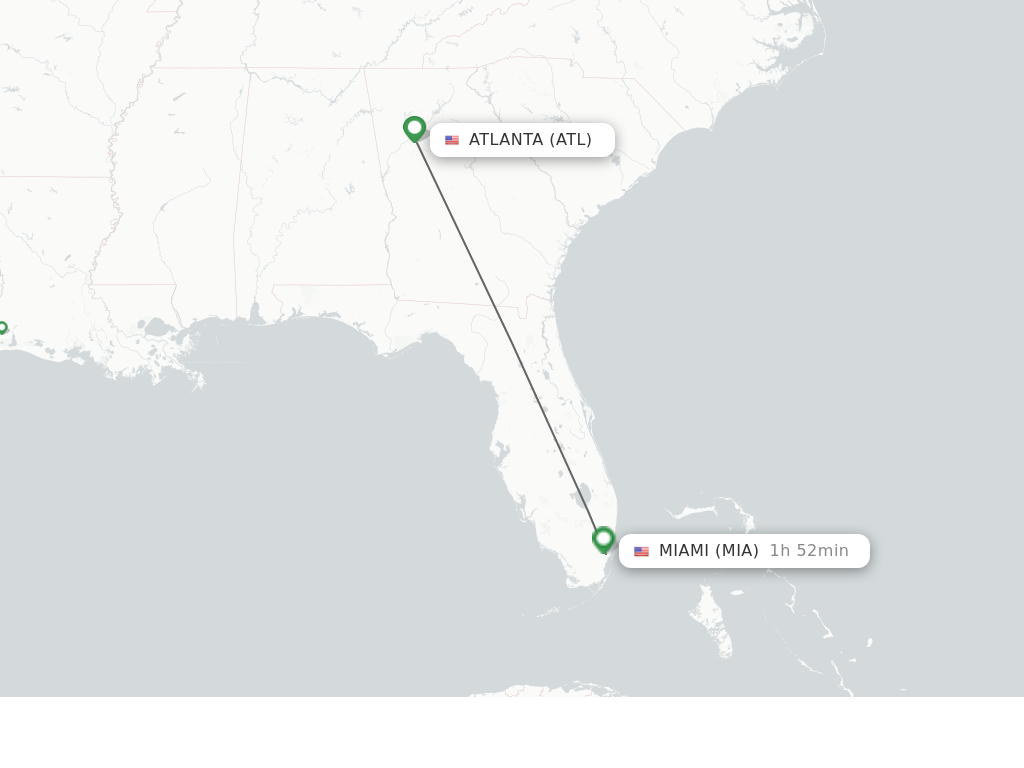
For those prioritizing speed and efficiency, air travel presents the most direct solution to cover the distance between Atlanta and Miami. The flight path covers roughly the same geographical distance, but the actual time in the air is significantly less than driving.
Flight Durations and Airport Logistics
A non-stop commercial flight between Hartsfield-Jackson Atlanta International Airport (ATL) and one of Miami’s airports, such as Miami International Airport (MIA) or Fort Lauderdale-Hollywood International Airport (FLL), typically lasts around 2 hours.
However, it’s crucial to consider the total travel time, which includes:
- Travel to the Airport: Getting to Hartsfield-Jackson Atlanta International Airport from your starting point in Atlanta.
- Airport Security and Check-in: Arriving well in advance (usually 2-3 hours before domestic flights) for check-in, baggage drop, and security screening.
- Boarding and Taxiing: The time spent boarding the aircraft and taxiing to the runway.
- Flight Time: The actual duration of the flight.
- Deplaning and Baggage Claim: Exiting the aircraft and retrieving any checked luggage.
- Travel from the Airport: Getting from the Miami area airport to your final destination.
When all these factors are accounted for, the total door-to-door travel time for a flight can range from 5 to 7 hours, making it considerably faster than driving for most travelers.
Airlines and Flight Options
Numerous airlines operate frequent flights between Atlanta and Miami, including major carriers like Delta Air Lines, American Airlines, and Spirit Airlines, along with budget carriers. The frequency of flights offers flexibility for travelers to choose departure times that best suit their schedules.
Alternative Transportation Options
While driving and flying are the predominant modes of transport, other options exist for those seeking a different travel experience or with specific needs.
Bus Travel
Intercity bus services, such as those provided by Greyhound or Megabus, offer a budget-friendly alternative. The journey typically takes significantly longer than driving or flying, often ranging from 12 to 15 hours or more, with multiple stops along the way. This option is best suited for travelers who are not time-sensitive and are looking to minimize costs.
Train Travel
Amtrak offers a train service that connects Atlanta to Florida, though direct routes to Miami might involve transfers. The train journey is generally the slowest option, often taking over 15-20 hours, but it can be a more comfortable and scenic experience than bus travel, with opportunities to move around and enjoy the passing landscapes. Amtrak’s services can be a good choice for those who enjoy the romance of rail travel and have ample time.
Planning Your Journey: Distance and Destination
Understanding the distance between Atlanta and Miami is the foundational step in planning your trip. Whether you choose the freedom of the open road or the speed of air travel, the approximately 660 miles present a journey that can be tailored to various preferences and budgets.
Factors Influencing Your Choice
When deciding on the best mode of transport, consider these key factors:
- Time: If time is of the essence, flying is the clear winner. For those with a more relaxed schedule, driving or even taking a bus or train can be viable.
- Cost: Bus and train travel are typically the most economical. Driving can be cost-effective for groups, especially when factoring in fuel and potential overnight stays. Flights can vary widely in price depending on booking time and airline.
- Comfort and Experience: Driving offers flexibility and the chance to explore along the way. Train travel can provide a comfortable and scenic journey. Flying is convenient but can be less comfortable for those who dislike air travel.
- Luggage: If you are traveling with a large amount of luggage or sporting equipment, driving offers the most flexibility.
- Companions: Traveling with family or a group of friends often makes a road trip more enjoyable and potentially more cost-effective per person.

The Appeal of the Journey
The route from Atlanta to Miami isn’t just about the destination; it’s also about the journey itself. Driving allows you to experience the transition from the Appalachian foothills to the subtropical allure of South Florida. You can stop at quirky roadside attractions, explore charming Southern towns like Savannah (with a slight detour) or smaller communities in Florida, and witness the changing flora and fauna. This exploration adds a unique dimension to the trip that shorter, faster travel methods cannot replicate. By understanding the distance and the various ways to cover it, travelers can make informed decisions to ensure their trip from Atlanta to Miami is as smooth, enjoyable, and efficient as possible.
LifeOutOfTheBox is a participant in the Amazon Services LLC Associates Program, an affiliate advertising program designed to provide a means for sites to earn advertising fees by advertising and linking to Amazon.com. Amazon, the Amazon logo, AmazonSupply, and the AmazonSupply logo are trademarks of Amazon.com, Inc. or its affiliates. As an Amazon Associate we earn affiliate commissions from qualifying purchases.