
The proximity of Miami to Cuba is a constant point of fascination, a mere sliver of ocean separating two distinct worlds. For those in the know, this geographical closeness is more than just a statistic; it’s an invitation to explore a vibrant culture and a rich history that has captivated travelers for generations. Understanding the distance is the first step in planning an unforgettable journey.
The Direct Distance: A Strait Shot Across the Waters
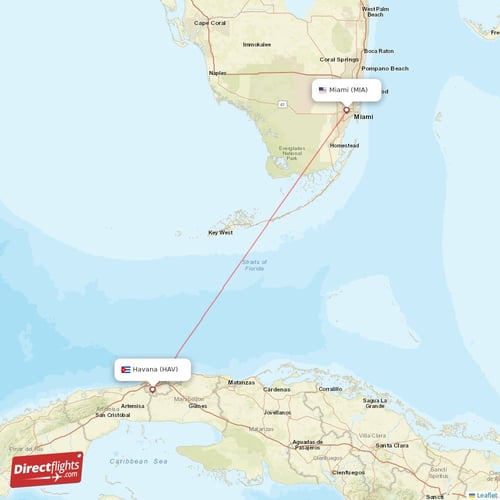
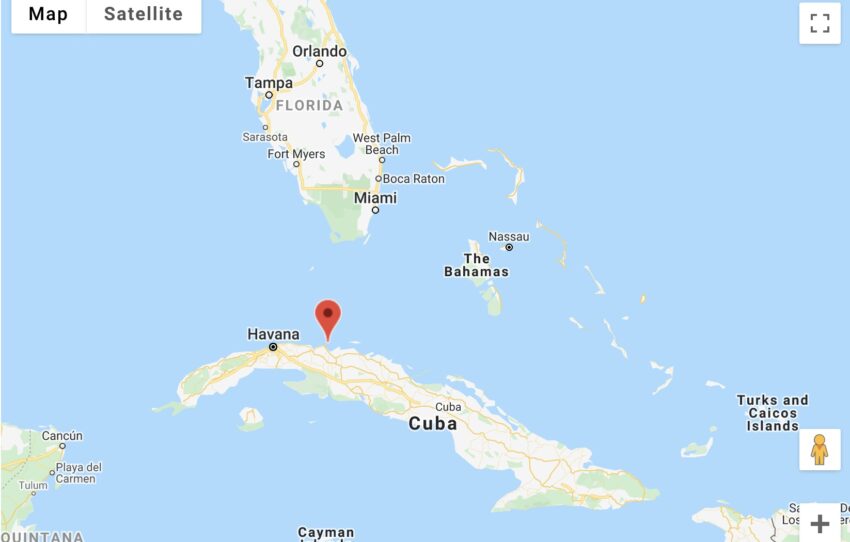
Geographically, the shortest distance between Miami, Florida, and Cuba is surprisingly short. The tip of Florida, specifically Key West, is the closest point in the United States to the island nation. From Key West, the Cuban mainland, particularly the province of Pinar del Río, lies approximately 90 miles (about 145 kilometers) to the southwest. Miami itself, being further north and east on the Florida mainland, is slightly more distant. The most direct flight path from Miami International Airport to José Martí International Airport in Havana, Cuba, typically spans around 230 miles (approximately 370 kilometers).
Factors Influencing Travel Time
While the direct distance is measurable, the actual travel time is influenced by several key factors:
- Mode of Transportation: This is the most significant variable.
- Flights: Commercial flights are the most common and efficient way to travel between Miami and Havana. Flight duration is typically around 3 to 3.5 hours, depending on wind conditions and specific flight paths. The ease of air travel makes Cuba an accessible destination for a weekend getaway or a longer vacation.
- Cruises: Many cruise lines now offer itineraries that include stops in Cuban ports like Havana, Santiago de Cuba, or Cienfuegos. While a cruise might not be the fastest way to reach Cuba from Miami, it offers a comprehensive experience that combines the journey with onboard amenities and multiple port visits. Travel time is inherently longer as it involves sailing, with days spent at sea and in port.
- Private Charters/Yachts: For those seeking a more exclusive or adventurous journey, private aircraft or yachts can bridge the gap. The time taken would depend entirely on the vessel’s speed and the specific route chosen, but it offers unparalleled flexibility.
- Weather Conditions: The Straits of Florida can experience varied weather. Headwinds can lengthen flight times, while favorable tailwinds can shorten them. Similarly, sea conditions can impact the speed and comfort of maritime travel.
- Port/Airport Congestion: Delays can occur at both departure and arrival points due to air traffic control, customs, and immigration procedures. While not directly related to the distance, these can significantly affect the overall travel experience and time.
Navigating the Maritime Mile Markers
For those considering a sea-based journey, understanding the maritime distance is crucial. The nautical miles separating Miami and Havana are a common reference point for sailors and cruise operators. While the air distance is around 230 miles, the sea route can vary slightly based on navigational considerations, but it remains in the same general ballpark. This relatively short maritime distance is what historically facilitated frequent travel and exchange between the two locations before political shifts impacted direct sea travel options for the general public.
The Realities of Reaching Cuba: Beyond the Miles
While the physical distance from Miami to Cuba is straightforward, the practicalities of travel involve more than just mileage. Over the past few decades, the political and regulatory landscape has significantly influenced how Americans can visit Cuba.
Evolving Travel Regulations
Historically, travel restrictions for U.S. citizens visiting Cuba have been complex and subject to change. However, under current regulations, there are specific categories of travel that are permissible. These include, but are not limited to:
- Family Visits: Traveling to visit close relatives in Cuba.
- Educational Activities: Participating in authorized group or individual educational programs.
- Religious Activities: Engaging in religious activities.
- Journalistic Activity: For professional journalists.
- Professional Research: Conducting research in professional fields.
- Support for the Cuban People: This broad category allows for independent travel focused on engaging with the local population, supporting independent Cuban businesses, and experiencing the country’s culture. This is often the most accessible route for independent travelers.
Essential Travel Preparations
Regardless of the chosen travel category, proper planning is paramount.
- Visa Requirements: Most travelers, including U.S. citizens, will need a Cuban tourist visa (often referred to as a “tarjeta de turista”). This can typically be obtained through your airline when booking your flight or through a Cuban embassy or consulate.
- Health Insurance: It is mandatory for all visitors to have valid Cuban health insurance, which is usually included in the cost of airline tickets purchased from U.S. carriers.
- Currency Exchange: The currency situation in Cuba has evolved. While the U.S. dollar was once prohibited, it is now widely accepted in many sectors. However, understanding the current exchange rates and the best ways to carry and exchange money is essential. Many travelers opt to bring Euros or Canadian Dollars for exchange upon arrival, as they can sometimes offer more favorable rates than directly exchanging USD.
- Accommodation Booking: While independent travel is encouraged, booking accommodations in advance is highly recommended, especially during peak tourist seasons. Options range from state-run hotels to the increasingly popular casas particulares (private homestays), which offer a more immersive cultural experience and directly support local families.
Experiences and Connectivity: Bridging the Cultural Divide
The short distance between Miami and Cuba is more than just a geographical fact; it represents a cultural bridge that, when crossed, opens up a world of unique experiences.
The Cuban Tapestry: Culture, Music, and History
Cuba is renowned for its vibrant and infectious culture. From the rhythmic beats of salsa and son music that fill the streets of Havana to the intricate colonial architecture that tells stories of centuries past, the island offers a sensory feast.
- Havana Vieja: The historic heart of the capital, a UNESCO World Heritage site, is a must-visit. Its cobblestone streets, colorful buildings, and lively plazas like Plaza Vieja and Plaza de la Catedral are a testament to its rich history.
- Music and Dance: Experiencing live Cuban music in a local casa de la música or a rooftop bar is an unforgettable experience. The passion and skill of the musicians and dancers are truly captivating.
- Classic Cars: Riding in a vintage American convertible through the Malecón or along the streets of Havana is an iconic Cuban experience, a colorful journey back in time.
- Local Cuisine: Cuban food is a delightful blend of Spanish, African, and Caribbean influences. Dishes like ropa vieja, mojitos, and lechon asado are staples, best enjoyed in paladares (private restaurants) that offer authentic flavors and a more intimate dining experience.
Connectivity and Communication
In recent years, internet access in Cuba has improved, though it may not be as ubiquitous or as fast as in many Western countries.
- Wi-Fi Hotspots: Public Wi-Fi is available in designated parks and ETECSA (Cuba’s state-owned telecommunications company) offices. You will need to purchase a Wi-Fi card (a scratch-off card with a username and password) to access the internet.
- Mobile Data: For seamless connectivity, consider purchasing a local SIM card upon arrival, although this can be relatively expensive. Roaming charges from U.S. carriers can also be exceptionally high, making local options or relying on Wi-Fi more cost-effective.
- Staying Connected: Many travelers find that embracing a degree of disconnection is part of the Cuban experience. It encourages deeper engagement with the present moment and the people around them. However, for essential communication, understanding the local infrastructure is key.
The Aerodynamic Edge: Flights from Miami to Cuba
For the vast majority of travelers, the most practical and direct way to traverse the miles from Miami to Cuba is by air. The relatively short flight duration makes Cuba an accessible destination from the vibrant city of Miami.
Major Airlines and Routes
Several airlines operate flights connecting Miami with Havana and other Cuban cities. These typically depart from Miami International Airport (MIA) and arrive at José Martí International Airport (HAV) in Havana. Some airlines may also offer routes to other Cuban airports, depending on demand and regulations. It is always advisable to check with individual airlines for the most up-to-date flight schedules, routes, and any specific travel requirements they may have.
The Passenger Experience
The flight itself is generally a short hop, a brief interlude between the bustling energy of Miami and the distinct charm of Cuba. Passengers can expect a typical commercial flight experience.
- Pre-flight Preparations: Ensure all your travel documents, including your passport and Cuban visa, are in order. Arrive at the airport with ample time for check-in, security, and any necessary immigration procedures.
- In-flight: The flight time is usually under four hours, allowing for a quick meal or drink service, depending on the airline. It’s a good opportunity to brush up on a few basic Spanish phrases or to read up on Cuban history and culture.
- Arrival in Cuba: Upon landing in Havana, you will proceed through immigration and customs. Your visa will be checked, and your luggage will be processed. The procedures are generally efficient, but patience is sometimes required, especially during peak travel times.
The short flight from Miami to Cuba is a gateway to an experience that is both familiar and profoundly different. The miles are few, but the cultural journey they represent is vast and rewarding.
LifeOutOfTheBox is a participant in the Amazon Services LLC Associates Program, an affiliate advertising program designed to provide a means for sites to earn advertising fees by advertising and linking to Amazon.com. Amazon, the Amazon logo, AmazonSupply, and the AmazonSupply logo are trademarks of Amazon.com, Inc. or its affiliates. As an Amazon Associate we earn affiliate commissions from qualifying purchases.