
Planning a road trip or a flight from the vibrant, sun-drenched shores of Miami to the historic, capital city of Tallahassee requires understanding the distance, travel times, and the most efficient ways to make this journey across the Sunshine State. This route, traversing the length of Florida, offers a fascinating glimpse into the diverse landscapes and cultures that define the state, from its bustling metropolis to its more serene, rolling northern terrain.
Understanding the Geographic Span
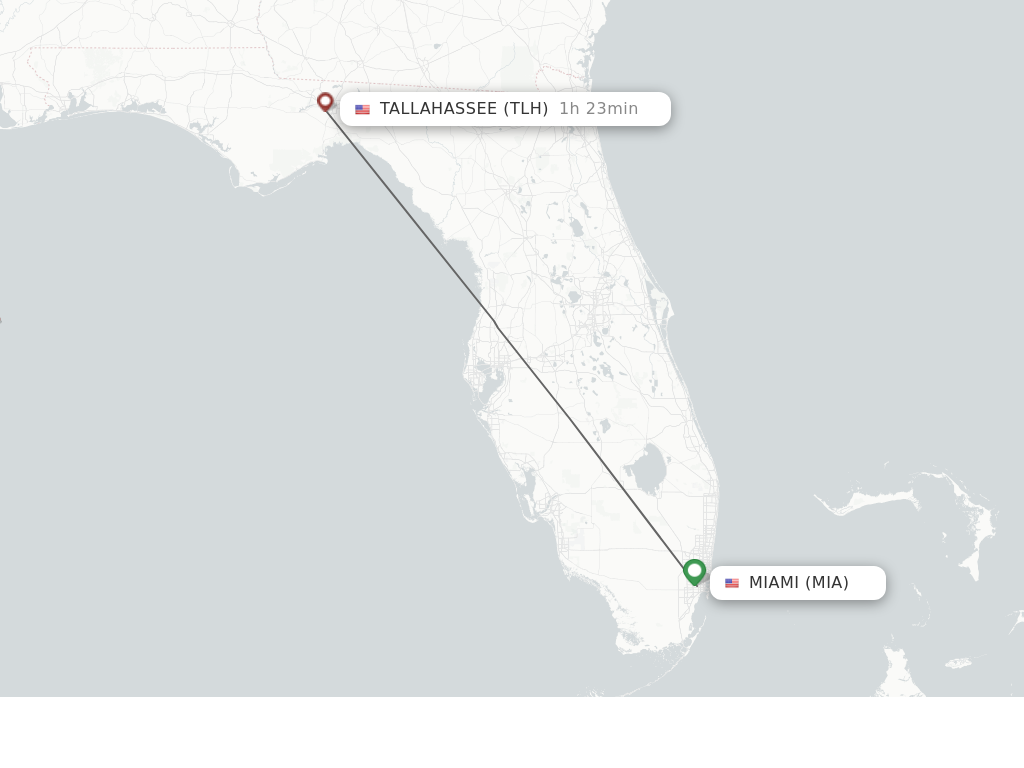
The direct distance between Miami and Tallahassee is a considerable one, marking a significant stretch of the state’s territory. Geographically, Miami is located at the southeastern tip of Florida, while Tallahassee sits in the northwestern part of the panhandle. This positions the two cities at opposite ends of the state, necessitating careful planning for any traveler seeking to connect them.

Driving Distance and Time
The most common way to traverse this distance is by car. The primary route typically involves heading north on the Florida Turnpike or I-95, then transitioning to other major highways that lead westward and northward towards the capital.
- Approximate Driving Distance: The driving distance typically ranges from 475 to 500 miles, depending on the exact starting point in Miami and the chosen route. This is a substantial journey, akin to driving from New York City to Cleveland.
- Estimated Driving Time: Without significant stops, the drive can take anywhere from 7 to 8.5 hours. This estimate, however, does not account for traffic, construction, or extended breaks for meals or rest. Considering the length, an overnight stop might be advisable for a more relaxed and safe journey, especially if driving conditions are unpredictable or if one wishes to explore any of the towns along the way.
- Route Considerations: Travelers will predominantly use the Florida Turnpike or I-95 to head north out of Miami. Once past the central part of the state, routes like US-27 or continuing north on I-75 before branching off onto roads leading to Tallahassee become relevant. The choice of route can influence mileage and potential tolls.
Air Travel: The Swift Alternative
For those prioritizing speed, flying is the most practical option. Miami is served by Miami International Airport (MIA) and Fort Lauderdale-Hollywood International Airport (FLL), while Tallahassee International Airport (TLH) serves the capital.
- Flight Duration: Direct flights between Miami or Fort Lauderdale and Tallahassee are typically around 1 hour and 15 minutes to 1 hour and 30 minutes.
- Total Travel Time: It’s crucial to factor in travel time to and from airports, security checks, boarding, and baggage claim. This can easily add another 3-4 hours to the total travel experience, making the entire journey comparable to a half-day affair.
- Airline Options: Major airlines often operate routes connecting these two key Florida cities, providing various options for scheduling and pricing. Booking in advance is generally recommended for securing better fares.
Navigating the Journey: Stops and Sights
While the direct distance is the primary concern, the journey between Miami and Tallahassee offers opportunities to experience different facets of Florida. Breaking up the drive can transform a long transit into an engaging exploration.
Central Florida Landmarks
As you drive north, you’ll pass through or near several points of interest in Central Florida. While not directly on the shortest path, some might be worth a slight detour.
- Orlando’s Attractions: The sprawling entertainment hub of Orlando, home to world-renowned theme parks like Walt Disney World Resort and Universal Orlando Resort, is a significant detour north of the most direct routes, but easily accessible if your journey takes you further inland through central parts of the state.
- Kennedy Space Center Visitor Complex: Located on the Atlantic coast, east of Orlando, the Kennedy Space Center Visitor Complex offers a captivating look into space exploration history and current missions. It requires a detour eastward from the main north-south routes.
The Nature Coast and Northern Florida
As the landscape begins to change and you approach the panhandle, you enter a different climate and environment. The drive transitions from flat coastal plains to more rolling hills and dense forests characteristic of North Florida.
- Gainesville: This vibrant college town, home to the University of Florida, offers a cultural and educational stop. It’s situated relatively close to the direct path to Tallahassee if you choose certain inland routes. The area around Gainesville is known for its natural springs, such as Ginnie Springs and Ichetucknee Springs State Park, offering refreshing diversions for nature lovers.
- Ocala National Forest: For those who appreciate natural beauty, the Ocala National Forest provides opportunities for hiking, camping, and enjoying diverse wildlife. It’s a substantial natural area that may require specific route planning to incorporate.
- The Panhandle Charm: Approaching Tallahassee, the scenery shifts, becoming greener and more reminiscent of the Deep South. This region is rich in history and offers a slower pace of life compared to South Florida.
Practical Travel Considerations
When planning the journey from Miami to Tallahassee, several practical aspects warrant attention to ensure a smooth and enjoyable trip.
Vehicle Preparation and Maintenance
For a road trip of this length, ensuring your vehicle is in optimal condition is paramount.
- Tire Pressure and Condition: Check tire pressure and tread depth before departure. Long stretches of highway can put stress on tires.
- Fluid Levels: Ensure all essential fluids—oil, coolant, brake fluid, and windshield washer fluid—are at appropriate levels.
- Emergency Kit: Pack a basic emergency kit, including jumper cables, a first-aid kit, a flashlight, and basic tools.
- GPS and Navigation: Reliable GPS or mapping applications are essential. Download offline maps in case of spotty cell service, particularly in more rural stretches of North Florida.
Accommodation and Rest Stops
Given the driving time, planning for rest and overnight stays is wise.
- Overnight Stays: Towns like Orlando, Tampa, or even smaller cities in Central Florida can serve as excellent midway points for an overnight stop. This allows for breaking the drive into two manageable segments.
- Rest Areas and Service Plazas: Major highways in Florida are equipped with well-maintained rest areas and service plazas offering restrooms, vending machines, and sometimes fast-food options. These are crucial for quick breaks during the drive.
- Booking Ahead: If you plan to stay overnight, booking accommodations in advance, especially during peak travel seasons or weekends, is highly recommended to secure availability and potentially better rates at hotels like the Hilton Tallahassee Hotel or other establishments in Tallahassee.
Weather and Seasonal Factors
Florida’s weather can significantly impact travel plans.
- Summer: The summer months (June-August) are characterized by high temperatures, humidity, and frequent afternoon thunderstorms. These can cause delays and reduce visibility on the roads.
- Hurricane Season: The official hurricane season runs from June 1st to November 30th. While a direct hit is unpredictable, tropical storms can bring heavy rain, strong winds, and hazardous driving conditions across the state. Travelers should monitor weather forecasts closely during this period.
- Winter and Spring: The winter (December-February) and spring (March-May) months generally offer more pleasant weather, with milder temperatures and lower humidity, making them ideal for road trips. However, spring break can lead to increased traffic and crowds.
Arrival in Tallahassee: The State Capital
Upon arriving in Tallahassee, you’ll discover a city with a distinct character, blending a rich history with the dynamism of a state capital.

Key Attractions in Tallahassee
Tallahassee offers a variety of attractions that reflect its heritage and its role as the state’s governmental center.
- Florida State Capitol Building: A prominent landmark, the historic and modern Capitol Building complex offers tours and insights into Florida’s governance.
- Alfred B. Maclay Gardens State Park: This beautiful park is renowned for its stunning ornamental gardens, particularly vibrant in the spring.
- Mission San Luis de Apalachee: This living history museum recreates a 17th-century Spanish mission and Apalachee village, providing a tangible link to the region’s early history.
- Natural Beauty: The area surrounding Tallahassee is dotted with natural springs and parks, such as the nearby Wakulla Springs State Park, offering outdoor recreational opportunities.
The journey from Miami to Tallahassee is more than just a measure of miles; it’s an opportunity to witness the diverse tapestry of Florida. Whether you choose the open road or the expediency of air travel, understanding the distance and planning accordingly will ensure your transition from the tropical south to the historic north is a memorable and seamless experience.
LifeOutOfTheBox is a participant in the Amazon Services LLC Associates Program, an affiliate advertising program designed to provide a means for sites to earn advertising fees by advertising and linking to Amazon.com. Amazon, the Amazon logo, AmazonSupply, and the AmazonSupply logo are trademarks of Amazon.com, Inc. or its affiliates. As an Amazon Associate we earn affiliate commissions from qualifying purchases.