
Embarking on a journey from the vibrant shores of Miami to the historic charm of Jacksonville is a classic Florida road trip. While the Sunshine State boasts a diverse array of landscapes and experiences, understanding the distances and travel times between its major hubs is crucial for effective planning. This exploration delves into the geographical separation between these two prominent cities, offering insights into the various modes of transport and the considerations that shape a traveler’s experience. Whether you’re planning a spontaneous weekend getaway or a meticulously organized cross-state adventure, grasping the specifics of this route will undoubtedly enhance your trip.

The Direct Driving Distance and Estimated Travel Time
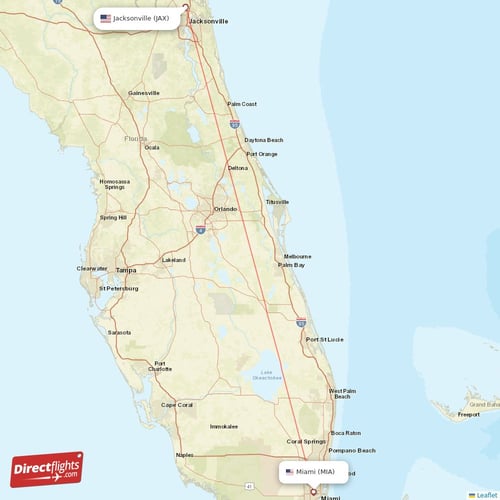
The most common method for traversing the expanse between Miami and Jacksonville is by car. The direct driving distance is approximately 330 to 350 miles, depending on the specific routes taken within each metropolitan area. This mileage translates into an estimated driving time of around 5 to 6 hours without significant stops or traffic delays.
Key Factors Influencing Drive Time
Several elements can impact the actual time spent on the road:
- Traffic Conditions: Both Miami and Jacksonville are major metropolitan areas, and traffic congestion can be a significant factor, especially during peak commuting hours or on weekends. The stretch of Interstate 95 (I-95) that connects them is a heavily trafficked corridor.
- Road Construction and Detours: As with any major highway system, construction projects can lead to lane closures and detours, adding unexpected delays. It’s advisable to check real-time traffic apps like Google Maps or Waze before and during the journey.
- Rest Stops and Breaks: The 5-6 hour drive necessitates at least one or two stops for fuel, food, and stretching. Planning these breaks beforehand can help streamline the journey. Popular stopping points along I-95 include towns like Fort Pierce or Daytona Beach, which offer various amenities.
- Weather: Florida’s weather can be unpredictable, with heavy rain or thunderstorms potentially slowing down travel. Driving during inclement weather requires extra caution and can increase travel time.
Navigating the Route: Interstate 95 (I-95)
The primary artery for this journey is Interstate 95 (I-95), a major north-south highway on the East Coast of the United States. From Miami, travelers will typically merge onto I-95 North. This highway guides drivers directly through the heart of Florida’s eastern corridor, passing through or near numerous cities and towns. The route offers a relatively straightforward and well-maintained path, making it the most convenient option for most drivers. Exits for scenic routes or alternative highways exist, but for efficiency, sticking to I-95 is generally recommended.
Alternative Travel Options: Flights and Public Transportation
While driving is the most popular method, other options exist for those seeking different travel experiences or prioritizing speed.
Air Travel
For a significantly faster journey, flying between Miami and Jacksonville is a viable option. Both cities have major airports: Miami International Airport (MIA) and Jacksonville International Airport (JAX). Direct flights are available from several airlines, with a flight time of approximately 1 hour and 15 minutes.
Considerations for Air Travel:
- Total Travel Time: While the flight itself is brief, one must factor in travel to and from the airports, check-in procedures, security screening, and potential flight delays. This can easily add 3-4 hours to the overall travel duration, bringing it closer to a half-day commitment.
- Cost: Airfare can vary widely based on booking time, airline, and demand. It can sometimes be comparable to or even exceed the cost of driving when factoring in gas, potential overnight stays for a very long drive, and wear and tear on a vehicle.
- Convenience: For those who dislike long drives or are pressed for time, flying offers a swift transition between the two cities.
Public Transportation: Buses and Trains
Public transportation offers a more economical and often more relaxed alternative, though it typically involves a longer travel time.
- Bus Services: Companies like Greyhound operate routes between Miami and Jacksonville. The journey by bus can take anywhere from 7 to 10 hours, depending on the number of stops and the specific route. This option is generally the most budget-friendly.
- Train Services: Amtrak also provides passenger rail service. The train journey from Miami to Jacksonville is scenic and can be a comfortable experience, but it is also the longest option, often taking 8 to 10 hours or more. The train offers the advantage of more legroom and the ability to move around, unlike a car or bus.
Advantages of Public Transportation:

- Reduced Stress: No need to navigate traffic or worry about parking.
- Cost-Effectiveness: Often the cheapest way to travel between the two cities.
- Environmental Friendliness: A more sustainable choice compared to individual car travel.
- Opportunity for Work or Relaxation: Passengers can read, work, or simply enjoy the scenery without the demands of driving.
Planning Your Journey: Tips for a Smooth Transition
Regardless of the chosen mode of transport, careful planning can significantly enhance the travel experience.
Preparing for the Drive
- Vehicle Check: Ensure your vehicle is in good working condition, with checked tire pressure, oil, and fluid levels.
- Navigation: Have a reliable GPS or mapping app, and consider downloading offline maps in case of spotty cellular service.
- Snacks and Drinks: Pack a cooler with refreshments and snacks to save time and money on the road.
- Entertainment: Prepare playlists, podcasts, or audiobooks for the duration of the drive.
Preparing for Air Travel
- Book in Advance: To secure the best prices and ensure availability, book flights and rental cars (if needed) well in advance.
- Arrive Early: Allow ample time for airport procedures to avoid last-minute stress.
- Pack Smart: Adhere to airline baggage restrictions and consider carry-on options to save time at baggage claim.
Preparing for Public Transportation
- Confirm Schedules: Verify departure and arrival times, as these can sometimes change.
- Book Tickets: Purchasing tickets in advance is often recommended, especially for popular routes or during peak travel seasons.
- Pack Comfortably: Bring a neck pillow, blanket, and any personal items to make the longer journey more comfortable.
Understanding the Context: Why Travel Between Miami and Jacksonville?
The distance between Miami and Jacksonville is traversed for a multitude of reasons, reflecting the diverse appeal of these two Florida metropolises.
Business and Professional Engagements
Jacksonville is a significant economic hub in North Florida, particularly known for its finance, healthcare, and logistics sectors. Conversely, Miami is a global center for international trade, finance, and tourism. Consequently, business professionals frequently travel between the two cities for meetings, conferences, client visits, and inter-office collaborations. The proximity, while requiring a substantial drive or a short flight, makes such business travel feasible within a day or a short overnight trip.
Leisure and Tourism
The tourism landscape of Florida is vast, and the journey from the sun-drenched beaches and vibrant nightlife of Miami to the historic appeal and outdoor activities of Jacksonville is a popular choice for both Floridians and out-of-state visitors.
- From Miami to Jacksonville: Travelers might head north from Miami seeking different experiences. Jacksonville offers attractions such as the Cummer Museum of Art & Gardens, the Jacksonville Zoo and Gardens, and the beautiful beaches of Atlantic Beach and Ponte Vedra Beach. The city also boasts a rich history, evident in areas like San Marco, and a growing culinary scene.
- From Jacksonville to Miami: Conversely, those starting in Jacksonville might be drawn to the cosmopolitan energy of Miami. They might seek world-class dining, shopping in areas like South Beach, visits to the Vizcaya Museum & Gardens, exploring the art deco architecture, or enjoying the famous beaches and nightlife.
Visiting Family and Friends
Florida has a significant population of both native Floridians and residents who have relocated from other states. The distance between Miami and Jacksonville is a common route for those visiting family and friends who reside in different parts of the state. The most common choices for this type of travel are driving or flying, balancing cost, time, and convenience.
In conclusion, the distance between Miami and Jacksonville is a manageable one, offering travelers a range of options to suit their preferences and needs. Whether one chooses the freedom of the open road, the speed of air travel, or the economic advantage of public transport, the journey itself becomes an integral part of the Florida experience.
LifeOutOfTheBox is a participant in the Amazon Services LLC Associates Program, an affiliate advertising program designed to provide a means for sites to earn advertising fees by advertising and linking to Amazon.com. Amazon, the Amazon logo, AmazonSupply, and the AmazonSupply logo are trademarks of Amazon.com, Inc. or its affiliates. As an Amazon Associate we earn affiliate commissions from qualifying purchases.