
The proximity between Miami and Cuba is a subject that often sparks curiosity, particularly for those contemplating travel between the two. While separated by the vast expanse of the ocean, their geographical closeness is undeniable, influencing cultural ties, historical narratives, and the dreams of many to bridge the distance. Understanding this separation is not just about miles and nautical charts; it’s about the journey, the experience, and the unique perspectives that emerge from this relationship.
The Tangible Distance: Nautical and Air Miles
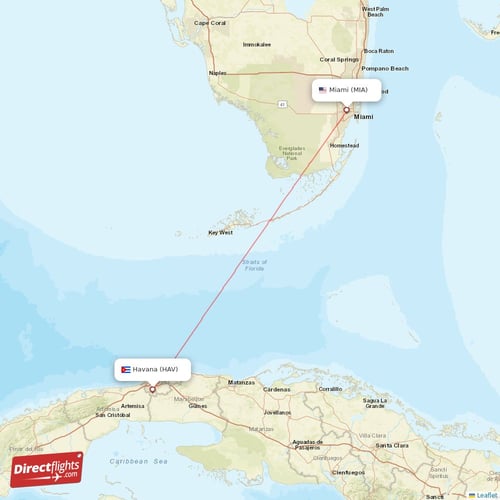
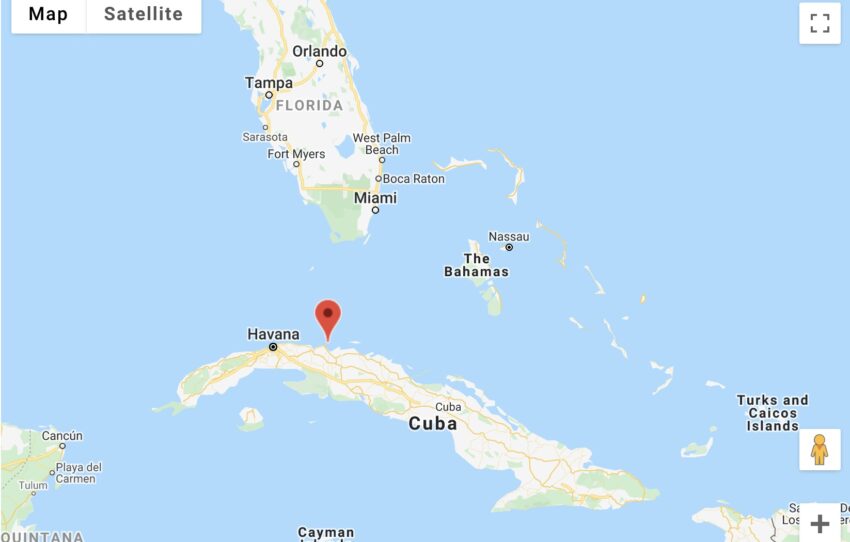
The shortest distance between Miami, Florida, and the western tip of Cuba is approximately 230 miles (about 370 kilometers) as the crow flies. This measured distance translates to a relatively short flight time, making the idea of a quick inter-island hop a tangible possibility.
Flight Perspectives
A direct commercial flight from Miami International Airport (MIA) to Havana’s José Martí International Airport (HAV), the primary gateway to Cuba, typically ranges from 1 hour and 15 minutes to 1 hour and 30 minutes. This is a crucial factor for travelers weighing convenience and time. However, it’s important to note that direct commercial flights between the United States and Cuba have experienced fluctuations in availability and frequency due to evolving political relations. Many travelers opt for flights with layovers in intermediary cities like Cancun, Mexico, or Miami itself, which can extend travel time but may offer more consistent booking options.
Maritime Voyages
For those with a more adventurous spirit or seeking a different perspective, the sea offers an alternative. While not a common mode of passenger travel for the general public due to regulations and logistics, sailing or taking a private yacht from Miami to Cuba would be a significantly longer endeavor. Depending on the vessel’s speed, weather conditions, and the specific route taken (e.g., heading to Havana versus a closer port like Cienfuegos), a maritime journey could take anywhere from 24 hours to several days. This romantic notion of sailing across the Straits of Florida is often the subject of dreams for those who envision a more leisurely, albeit less practical, approach to bridging the gap.
The Intangible Distance: Cultural and Political Divides
Beyond the physical miles, the “distance” between Miami and Cuba is also shaped by profound cultural, historical, and political factors. This intangible gap is arguably more significant and complex than the geographical one.
Historical Echoes and Cuban Diaspora
The historical relationship between the United States and Cuba is deeply intertwined, particularly following the Cuban Revolution in 1959. This event led to a massive exodus of Cubans, many of whom settled in South Florida, particularly Miami. This created a vibrant and influential Cuban diaspora in Miami, shaping its cultural landscape and fostering a unique connection to the island nation. For many in Miami, the “distance” is a personal one, filled with memories of a homeland left behind, familial ties that remain, and a longing for reunification or a deeper understanding of their heritage. This personal connection often fuels a strong desire to visit Cuba, to experience its rhythm firsthand, and to reconnect with its people and culture.
Political Realities and Travel Restrictions
The political relationship between the United States and Cuba has historically been fraught with tension, leading to periods of significant travel restrictions and embargoes. While there have been moments of détente, such as the normalization of relations in 2015, the landscape of travel for U.S. citizens to Cuba remains complex. U.S. law generally prohibits travel to Cuba for purely tourist purposes. Instead, travelers must qualify under one of 12 authorized categories, such as family visits, journalistic activity, professional research, or religious activities. This bureaucratic layer adds a significant “distance” in terms of accessibility and ease of travel, requiring careful planning and adherence to regulations. The ability to engage in a simple “vacation” as understood in many other international destinations is not yet fully realized for Americans traveling to Cuba.
Economic and Social Contrasts
The economic and social systems of the United States and Cuba present stark contrasts. Miami, a bustling metropolis of commerce, innovation, and consumerism, stands as a testament to capitalist enterprise. Cuba, on the other hand, operates under a socialist economic system, which influences everything from daily life and employment to the availability of goods and services. This difference contributes to the perception of distance, as travelers from the U.S. often encounter a vastly different societal structure, pace of life, and set of challenges. Experiencing these contrasts is a significant part of what makes a trip to Cuba so eye-opening for many visitors.
Bridging the Divide: The Experience of Travel
Despite the distances, both tangible and intangible, the journey from Miami to Cuba is a rich and rewarding experience for those who undertake it. It’s an opportunity to explore a nation steeped in history, vibrant with music and dance, and populated by resilient and welcoming people.
Preparing for a Cuban Sojourn
For travelers originating in Miami, preparing for a trip to Cuba involves more than just booking a flight. Understanding the visa requirements, currency exchange (historically, the Cuban Convertible Peso, CUC, and the Cuban Peso, CUP, though recent reforms have streamlined this), and local customs is paramount. The emergence of Cuba as a destination for international visitors, even with the U.S. travel limitations, has led to a growing tourism infrastructure, particularly in cities like Havana, Trinidad, and Viñales.
Navigating Cuba: Local Insights
Once in Cuba, visitors often find themselves immersed in a world that feels both familiar and distinctly different from the United States. The architecture of Old Havana, a UNESCO World Heritage site, tells tales of centuries past. The rhythms of salsa and son fill the air, drawing people to dance in plazas and street corners. The local cuisine, a delicious blend of Spanish, African, and Caribbean influences, offers a taste of the island’s rich heritage. Exploring the countryside, whether it’s the tobacco fields of Viñales or the pristine beaches of Cayo Largo, reveals the natural beauty that lies beyond the urban centers.
The Significance of Personal Connection
The “distance” between Miami and Cuba is often most acutely felt and best understood through personal connection. Engaging with local Cubans, whether through conversations with taxi drivers, stays in casas particulares (private homestays), or participation in community activities, provides invaluable insights into the island’s soul. These interactions humanize the journey, transcending statistics and political discourse, and underscore the shared humanity that connects people across any geographical or ideological divide. For many Cuban-Americans in Miami, these personal connections are the very reason for undertaking the journey, seeking to understand their roots and to contribute to the well-being of their extended families and communities on the island.
Conclusion: A Distance of Many Layers
The question of “How far is Miami from Cuba?” is, therefore, not a simple one with a single numerical answer. It is a distance measured in nautical miles, flight times, political policies, historical trajectories, and the deeply personal bonds that connect two geographically proximate yet culturally distinct entities. While the physical journey can be relatively brief, the journey of understanding, connection, and reconciliation between Miami and Cuba is a continuous and evolving narrative, one that continues to draw fascination and inspire exploration. The dream of easy travel and open exchange remains, a constant hum beneath the surface of the measured miles.
LifeOutOfTheBox is a participant in the Amazon Services LLC Associates Program, an affiliate advertising program designed to provide a means for sites to earn advertising fees by advertising and linking to Amazon.com. Amazon, the Amazon logo, AmazonSupply, and the AmazonSupply logo are trademarks of Amazon.com, Inc. or its affiliates. As an Amazon Associate we earn affiliate commissions from qualifying purchases.