
Embarking on a journey from the magical kingdom of Orlando to the vibrant shores of Miami is a classic Florida road trip, connecting two iconic destinations that offer vastly different, yet equally captivating, experiences. While the distances and estimated travel times may seem straightforward, the reality of this drive is nuanced, influenced by a variety of factors that can significantly impact your arrival. Understanding these elements is key to planning a smooth and enjoyable passage between these two major Florida hubs.
The Core Driving Time and Route
At its heart, the drive from Orlando to Miami is primarily a journey down Florida’s Turnpike, a well-maintained toll road that efficiently links the interior of the state with its southeastern coast. This route is the most direct and commonly used by travelers seeking to minimize transit time.

Standard Travel Time Estimates
Under ideal conditions, with minimal traffic and a consistent pace, the drive is typically estimated to take between 3.5 to 4.5 hours. This figure is based on a distance of approximately 235 to 250 miles, depending on the specific starting and ending points within each metropolitan area. However, it’s crucial to remember that this is an optimistic projection.
The Primary Route: Florida’s Turnpike
The Florida’s Turnpike (https://lifeoutofthebox.com/florida-turnpike) is the backbone of this route. Travelers will generally depart Orlando by heading south on I-4, which quickly connects to the Turnpike. The Turnpike then continues south for the majority of the journey, passing through areas like Kissimmee, Lake Okeechobee (at a distance), and eventually leading into the greater Miami metropolitan area. The scenic, albeit sometimes monotonous, landscape of central and southern Florida unfolds along this path.
Alternative Routes and Their Considerations
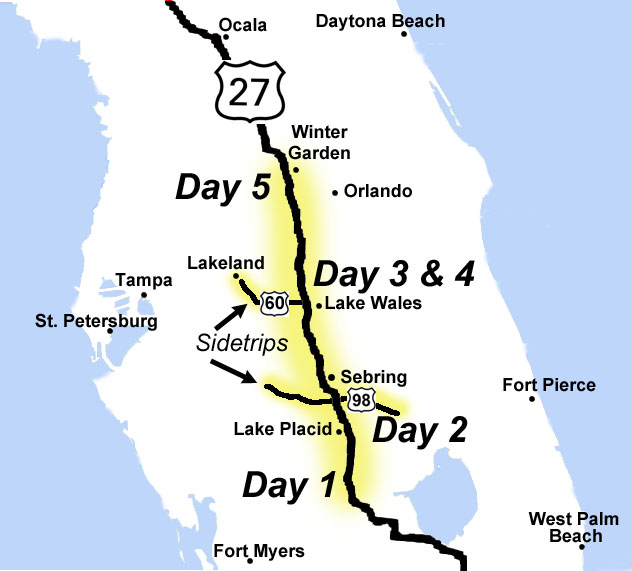
While the Turnpike is dominant, alternative routes exist. For instance, one could opt for a route involving parts of I-95, which runs closer to the eastern coast. This might be appealing if you wish to make stops in cities like Fort Pierce or West Palm Beach, but it generally adds to the overall travel time due to a more urbanized path and potentially more frequent traffic lights. Another less common approach involves utilizing U.S. Highway 27 for a significant portion, offering a more rural perspective but at a substantially slower pace. For most travelers prioritizing efficiency, sticking to the Turnpike is the recommended course of action.
Factors Influencing Drive Time
The quoted 3.5 to 4.5 hours is a benchmark, but real-world driving times can fluctuate considerably. Several key factors can extend or, in rare cases, slightly shorten your journey.
Traffic Congestion
Traffic is arguably the most significant variable. Both Orlando and Miami are major metropolitan areas, and their surrounding roadways experience heavy traffic, particularly during peak hours.
Rush Hour Considerations
Commuting hours, typically between 7:00 AM to 9:00 AM and 4:00 PM to 6:30 PM on weekdays, can add a substantial amount of time to your drive. Navigating out of Orlando during the morning rush or arriving in Miami during its evening commute can easily add an hour or more to your trip. The Turnpike itself can become congested, especially in the sections approaching Miami.
Weekend and Holiday Travel
Weekends, especially Friday afternoons and Sunday evenings, also see increased traffic as people travel for leisure or return home. Holidays, naturally, exacerbate these conditions. Planning your departure and arrival times strategically can mitigate some of these delays. Leaving Orlando very early in the morning or late in the evening, or aiming to reach Miami before the evening rush, can make a noticeable difference.
Road Construction and Detours
Florida is in a constant state of development, and road construction projects are a common sight along major highways, including the Florida’s Turnpike. These projects, while necessary for infrastructure improvement, can lead to lane closures, reduced speed limits, and detours, all of which contribute to longer travel times. It is advisable to check real-time traffic conditions through navigation apps or local news before and during your journey.
Weather Conditions
Florida’s weather, particularly during the warmer months, can present challenges. Tropical storms, heavy rainfall, and thunderstorms can significantly slow down traffic. Reduced visibility, hydroplaning risks, and slower speeds are common during inclement weather. While direct hurricanes are infrequent, typical summer downpours can still add considerable time and a degree of risk to the drive. It’s always prudent to monitor weather forecasts.
Tolls and Payment Methods
The Florida’s Turnpike is a toll road, and the cost can add up. Drivers should be prepared for these fees. The Turnpike utilizes a cashless tolling system in many areas, meaning that payment is typically made electronically. Having a SunPass transponder or an Other Florida Toll Pass (https://lifeoutofthebox.com/florida-toll-pass) is the most convenient way to pay and often offers slight discounts. Alternatively, license plate tolling will send a bill to the registered owner of the vehicle, though this may incur additional administrative fees.
Strategic Planning for Your Drive
To make the most of your drive from Orlando to Miami, strategic planning is essential. Considering your departure time, potential stops, and the use of technology can transform a potentially arduous journey into a pleasant transition between two distinct Florida experiences.
Choosing the Right Time to Depart
As previously mentioned, timing is critical. For the smoothest drive, consider departing Orlando outside of peak morning and evening rush hours. Very early morning departures (e.g., before 6:00 AM) often allow for unimpeded travel through the initial stages. Similarly, late evening departures can also be beneficial, though one must also consider arrival times in Miami and the potential for fatigue. Mid-day travel (between 10:00 AM and 2:00 PM) can also offer a good balance, though lunch crowds at service areas should be considered.
The Value of Navigation Apps
Modern navigation applications, such as Google Maps or Waze, are invaluable tools for this drive. These apps provide real-time traffic updates, accident alerts, and construction notifications, allowing you to make informed decisions about your route. They can often suggest detours around congestion, saving you time and frustration. Keeping your app updated and frequently checking it throughout the journey is highly recommended.
Planning for Stops and Refreshments
While the drive can be completed in under five hours, it’s a good idea to plan for at least one stop. The Florida’s Turnpike has numerous service plazas, offering gas stations, restrooms, and a variety of food options. These plazas are strategically located and provide convenient places to stretch your legs, refuel your vehicle, and grab a snack or meal. Popular chains like McDonald’s, Subway, and Starbucks are often found at these locations, alongside sit-down restaurants. Planning a stop around the halfway mark, perhaps near Fort Pierce or Vero Beach, can break up the journey nicely.

Considering the Destination: Miami
Upon arrival in Miami, remember that the city itself experiences significant traffic, especially in popular areas like South Beach and Downtown. Factor in additional time for navigating within the city to your final destination, whether it’s a hotel like the Fontainebleau Miami Beach or a specific attraction. Understanding the city’s traffic patterns, particularly around events or peak tourist seasons, is as important as the drive itself.
In conclusion, the drive from Orlando to Miami is a manageable journey, typically taking around 4 hours. However, by accounting for traffic, construction, and weather, and by employing smart planning strategies, travelers can ensure a predictable and pleasant transition between these two quintessential Florida cities.
LifeOutOfTheBox is a participant in the Amazon Services LLC Associates Program, an affiliate advertising program designed to provide a means for sites to earn advertising fees by advertising and linking to Amazon.com. Amazon, the Amazon logo, AmazonSupply, and the AmazonSupply logo are trademarks of Amazon.com, Inc. or its affiliates. As an Amazon Associate we earn affiliate commissions from qualifying purchases.