
The question of “How Long Is The Flight From Houston To Miami?” is a common one for travelers planning a journey between these two vibrant Texan and Floridian metropolises. While a direct flight offers the quickest route, understanding the nuances of flight duration, including factors that can influence it, is essential for effective travel planning. This journey, connecting two major hubs in the United States, is a popular corridor for both business and leisure travelers.
Understanding Direct Flight Durations
Direct flights between Houston and Miami are the most straightforward way to cover the approximately 1,100-mile distance separating the two cities. These flights bypass any intermediate stops, allowing passengers to reach their destination with minimal fuss.
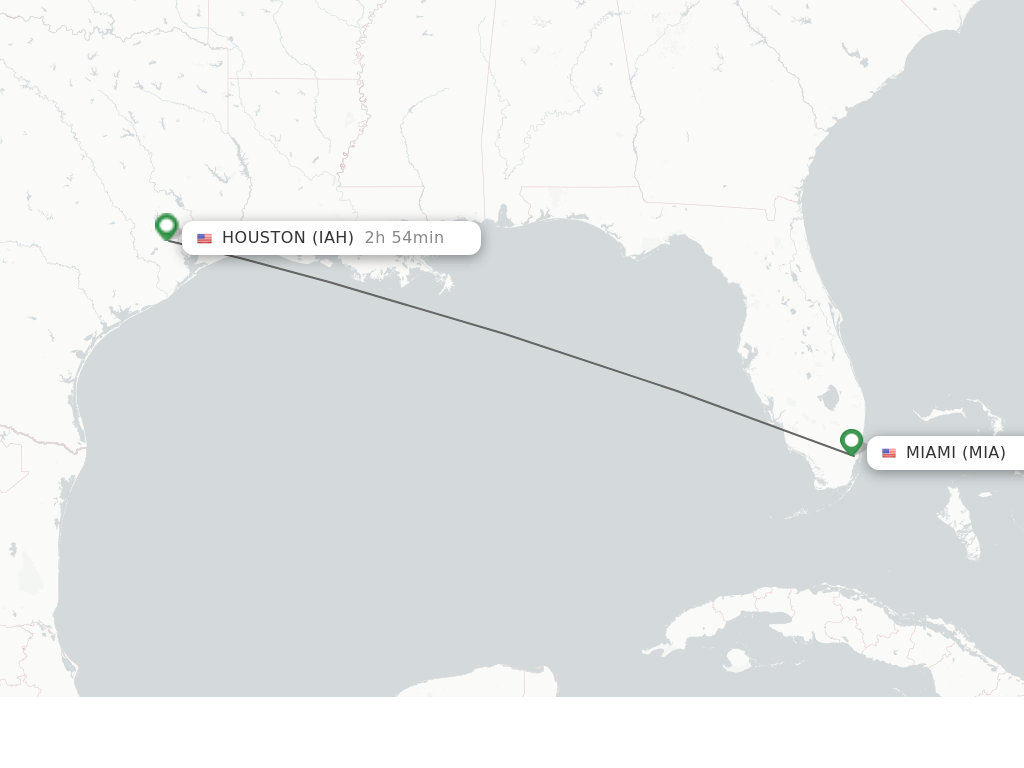
Average Flight Time
On average, a direct flight from George Bush Intercontinental Airport (IAH) in Houston to Miami International Airport (MIA) typically lasts between 2 hours and 45 minutes to 3 hours and 15 minutes. This timeframe is influenced by several variables, primarily related to the aircraft’s cruising speed and the prevailing wind conditions.
Key Factors Affecting Direct Flight Time
- Aircraft Type and Speed: Different aircraft models have varying cruising speeds. Larger, more modern jets may fly slightly faster than older or smaller planes, shaving off a few minutes from the total flight time.
- Tailwinds and Headwinds: This is perhaps the most significant variable. Flights traveling eastbound from Houston to Miami benefit from the prevailing westerly winds, which can act as tailwinds. A strong tailwind can significantly reduce the flight duration, sometimes by as much as 15-30 minutes. Conversely, headwinds can lengthen the flight.
- Air Traffic Control and Routing: While airlines aim for the most efficient routes, air traffic control plays a crucial role. Congestion in airspace, weather patterns in flight corridors, and specific air traffic management procedures can necessitate slight deviations or slower cruising speeds, impacting the overall flight time.
- Taxiing and Gate Procedures: The published flight time usually refers to the time spent airborne, from takeoff to landing. However, the total time spent from pushing back from the gate to arriving at the gate at the destination is longer. This includes time for taxiing to the runway, the actual flight, and taxiing from the runway to the gate. This “gate-to-gate” time can add an additional 15-30 minutes to the journey.
Indirect Flights and Their Implications
While direct flights are the most time-efficient, connecting flights, also known as indirect flights, are also a common option for travelers flying between Houston and Miami. These itineraries involve a layover in a third city, adding significant time to the overall journey.
When Indirect Flights Are Considered
- Cost Savings: Indirect flights are often cheaper than direct flights, making them an attractive option for budget-conscious travelers. Airlines can consolidate passengers on different routes, leading to potentially lower fares.
- Flight Availability: During peak travel seasons or if booking last minute, direct flight availability might be limited or prohibitively expensive. Indirect options can provide more flexibility in terms of scheduling and departure times.
- Traveler Preference: Some travelers may prefer a break during a longer journey or might need to connect with other flights for onward travel from Miami.
Factors Influencing Indirect Flight Duration
- Layover City: The choice of layover city significantly impacts the total travel time. Common connection points between Houston and Miami might include cities like Atlanta, Dallas, or Charlotte. The geographical location of the layover city relative to both origin and destination dictates the length of the initial and subsequent flight legs.
- Layover Duration: This is the primary driver of extended travel times for indirect flights. Layovers can range from a brief 45 minutes (often tight for catching connecting flights) to several hours, or even overnight. A typical layover might be between 1.5 to 3 hours.
- Connecting Flights: The duration of the flight segments from Houston to the layover city, and then from the layover city to Miami, will add up. These segments are generally shorter than a direct flight and may be subject to similar variables affecting direct flight times, though the overall routing might differ.
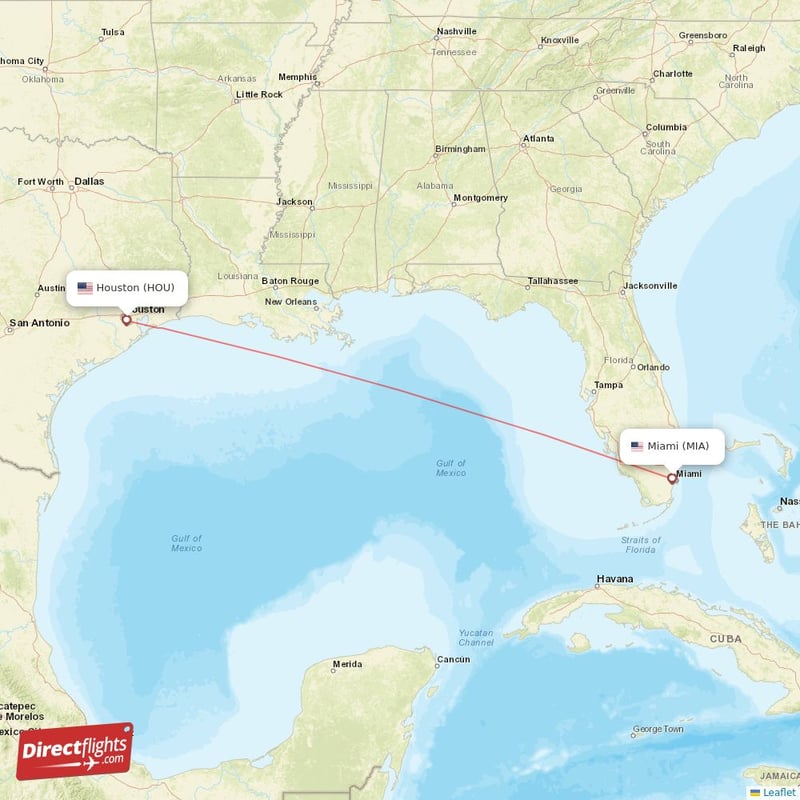
A typical indirect flight from Houston to Miami, including a layover, can take anywhere from 5 to 10 hours or even more, depending heavily on the length of the layover and the efficiency of the connections.
Preparing for Your Flight: Tips for a Smooth Journey
Whether you opt for a direct or indirect flight, proper preparation can significantly enhance your travel experience between Houston and Miami.
Before You Book
- Compare Flight Options: Utilize flight comparison websites and airline booking engines to explore both direct and indirect options. Pay close attention to the total travel time, layover duration, and the specific airports involved.
- Consider Time of Day: Flights scheduled during off-peak hours (early morning or late evening) might sometimes be less expensive and less crowded.
- Airline Alliances and Loyalty Programs: If you are part of an airline loyalty program, check which airlines are part of the same alliance to maximize your mileage accrual and potential benefits.
At the Airport
- Arrival Time: For domestic flights within the United States, airlines generally recommend arriving at the airport at least two hours before departure. This allows ample time for check-in, baggage drop, and security screening, especially at larger airports like IAH and MIA.
- Carry-On Luggage: Familiarize yourself with airline policies regarding carry-on luggage size and weight to avoid last-minute repacking or fees.
- Connect to Wi-Fi: Most airports offer free Wi-Fi, allowing you to stay connected, catch up on emails, or entertain yourself while waiting.
During the Flight
- Stay Hydrated: Airplane cabins can be dry. Drink plenty of water before and during the flight.
- Comfortable Attire: Wear comfortable clothing and layers, as cabin temperatures can fluctuate.
- Entertainment: Download movies, music, podcasts, or books onto your device before your flight, as in-flight Wi-Fi can be unreliable or expensive.
The Broader Context: Houston to Miami Travel
The flight from Houston to Miami is more than just a logistical exercise; it’s a gateway to experiencing two distinct yet equally dynamic American cities.
Houston: A Hub of Innovation and Culture
Houston, the most populous city in Texas, is renowned for its robust energy sector, cutting-edge medical research at the Texas Medical Center, and a burgeoning culinary scene. Visitors can explore world-class museums in the Museum District, cheer on sports teams like the Houston Astros and the Houston Texans, or visit the historic Space Center Houston. The city’s diverse population contributes to a rich tapestry of cultural experiences and international cuisine.

Miami: The Gateway to Latin America and a Tropical Paradise
Miami, often called the “Magic City,” is a vibrant international center for finance, commerce, fashion, arts, and culture. Its unique blend of Latin American influences is evident in its music, art, and, most famously, its food. From the colorful Art Deco architecture of South Beach to the vibrant street art of Wynwood, Miami offers a sensory explosion. The city’s proximity to the ocean provides opportunities for beach activities, water sports, and exploring the unique ecosystems of the nearby Everglades National Park.
The flight duration between these two cities, whether direct or indirect, is a mere blip in the grand scheme of experiencing what both Houston and Miami have to offer. Understanding the flight time allows travelers to allocate their precious vacation or business hours more effectively, maximizing their time at their destination.
LifeOutOfTheBox is a participant in the Amazon Services LLC Associates Program, an affiliate advertising program designed to provide a means for sites to earn advertising fees by advertising and linking to Amazon.com. Amazon, the Amazon logo, AmazonSupply, and the AmazonSupply logo are trademarks of Amazon.com, Inc. or its affiliates. As an Amazon Associate we earn affiliate commissions from qualifying purchases.