
Embarking on a journey from the sun-drenched shores of Miami to the northern charm of Edmonton is a significant undertaking, bridging vast geographical distances and distinct climates. Understanding the flight duration is crucial for planning, whether for business, leisure, or family visits. This article delves into the typical flight times, factors influencing them, and what travelers can expect from this transcontinental route.
Direct vs. Connecting Flights: The Primary Determinant
The most impactful factor dictating the flight duration between Miami and Edmonton is whether the journey involves direct flights or requires one or more layovers.
Direct Flights: The Swift Option
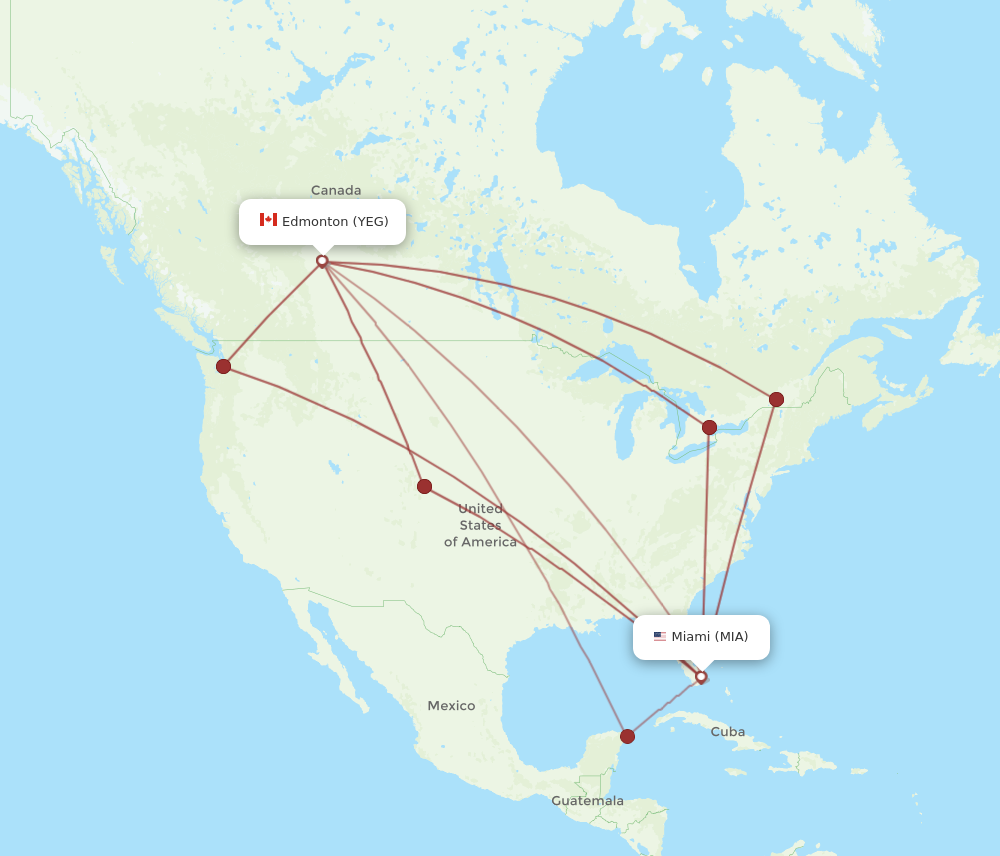
Direct flights, while not always the most frequent or economical, offer the shortest possible travel time. These flights fly from Miami International Airport (MIA) to Edmonton International Airport (YEG) without any stops.
- Estimated Duration: For a direct flight, the aerial journey typically spans between 5.5 to 6.5 hours. This figure represents the actual time spent in the air. It’s important to remember that this does not include time spent on the tarmac, taxiing, or the pre-flight boarding process.
- Airline Availability: Direct routes between Miami and Edmonton are less common than connecting flights. Carriers like WestJet or Air Canada might offer seasonal or occasional direct services, but booking well in advance is often necessary.
Connecting Flights: The More Common Scenario
The vast majority of travel options between Miami and Edmonton involve at least one layover. These connecting flights can significantly increase the total travel time, making it essential to scrutinize the itinerary carefully.
- Typical Layover Hubs: Common layover cities for this route often include major North American hubs such as Chicago O’Hare International Airport (ORD), Detroit Metropolitan Wayne County Airport (DTW), Minneapolis–Saint Paul International Airport (MSP), Denver International Airport (DEN), or even Toronto Pearson International Airport (YYZ) if traveling through Canadian airspace.
- Variable Total Time: The total travel time for flights with one layover can range dramatically from 8 hours to 15 hours or more. This variability is due to several factors:
- Layover Duration: The length of the stopover is the most significant contributor. Some layovers might be as short as 1.5 to 2 hours, while others can extend to 5 hours or longer, especially if the connection is on a different airline or involves a flight that is not optimally timed.
- Number of Layovers: While one layover is common, some itineraries might present two stops, further extending the journey.
- Flight Path: The specific route taken by the airline, dictated by air traffic control, weather, and operational efficiency, can influence the in-air time between connection points.
- Airline Choice: Different airlines have varying network efficiencies and hub strategies, which can affect the available connecting flight options and their timings.
Factors Influencing Flight Duration
Beyond the direct versus connecting distinction, several other variables can subtly or significantly influence the time it takes to travel from Miami to Edmonton.
Weather Conditions
The atmosphere above North America can be dynamic. Adverse weather, particularly during winter months, can impact flight schedules.
- Departure and Arrival Delays: Severe weather events at either Miami International Airport or Edmonton International Airport, or along the flight path, can lead to significant delays. This includes thunderstorms in Florida or snowstorms and icy conditions in Alberta.
- Wind Speeds: Strong tailwinds can shorten flight times, while headwinds can lengthen them. These are natural atmospheric phenomena that pilots account for, but they can cause noticeable variations.
- Air Traffic Congestion: During periods of high air traffic, especially around major hubs, flights may be subject to holding patterns, which adds to the overall travel time.
Aircraft Type and Airline Operations
The specific aircraft used for the flight and the operational efficiency of the airline also play a role.
- Aircraft Speed: Different aircraft models have varying cruising speeds. While modern jetliners on long-haul routes typically fly at similar speeds, minor differences can exist.
- Flight Planning and Routing: Airlines meticulously plan flight paths to optimize fuel efficiency and flight time. These plans are subject to air traffic control approval and can be adjusted en route.
- Ground Operations: The efficiency of boarding, taxiing, and deplaning at all airports involved can add or subtract time from the total journey.

Time of Day and Day of Week
While not directly impacting the airborne time, the specific departure and arrival times, as well as the day of travel, can influence the overall travel experience and the perceived duration.
- Overnight Flights: Traveling overnight might feel longer due to the desire to sleep, but the actual flight time remains consistent.
- Peak Travel Days: Traveling on Fridays or Sundays, typically peak travel days, might correlate with slightly more congested airports and potentially longer waiting times for ground services.
Planning Your Trip from Miami to Edmonton
When booking your flight from Miami to Edmonton, several strategic steps can help ensure a smoother and more predictable travel experience.
Researching Flight Options
- Utilize Flight Comparison Websites: Websites like Google Flights, Skyscanner, or Kayak are invaluable tools for comparing different airlines, routes, and prices. These platforms often clearly indicate whether a flight is direct or has layovers and provide estimated total travel times.
- Check Airline Websites Directly: Once you identify potential flights, it’s often beneficial to check the airline’s official website. Sometimes, more specific details about layover duration and potential aircraft types are available.
- Consider the Layover Airport: If you have a connecting flight, research the layover airport. Some airports are larger and more complex to navigate than others, potentially requiring more time to transfer between gates. Knowing the terminal layout and available amenities can also make the experience more comfortable.
Understanding Total Travel Time
It’s crucial to distinguish between flight time and total travel time.
- Flight Time: This is the time the aircraft is airborne.
- Total Travel Time: This encompasses everything from leaving your departure gate at Miami International Airport to arriving at your final destination at Edmonton International Airport. This includes time spent at the departure gate, taxiing, the flight itself, deplaning, transferring between terminals (if applicable), and potentially waiting for baggage. For connecting flights, it also includes the entire layover duration.
Preparing for the Journey
- Factor in Buffer Time: Especially for connecting flights, always build in extra buffer time. Missed connections can lead to significant disruptions, forcing rebookings and potential overnight stays. Aim for layovers of at least 2-3 hours if possible, particularly if you have checked luggage or need to transfer between terminals.
- Pack Accordingly: The climate difference between Miami and Edmonton is substantial. Be prepared for colder temperatures in Edmonton, especially outside of the summer months. Carry-on luggage should include essentials like medications, chargers, and a change of clothes, in case of checked baggage delays.
- Stay Informed: Monitor flight status updates through your airline’s app or website in the days and hours leading up to your flight. This will alert you to any schedule changes or delays.
What to Expect Upon Arrival in Edmonton
Edmonton, the capital of Alberta, offers a unique blend of urban sophistication and natural beauty. Upon arrival at Edmonton International Airport, travelers will find a modern facility designed to handle domestic and international traffic.
Airport Services
- Transportation: The airport offers various transportation options to the city, including taxis, ride-sharing services, and public transit (the 747 Airport Express bus). Rental car services are also readily available for those preferring to explore independently.
- Amenities: Edmonton International Airport provides standard amenities such as shops, restaurants, free Wi-Fi, and lounges.
Navigating the Time Zone Change
Miami operates on Eastern Time (ET), while Edmonton is in the Mountain Time Zone (MT). This means Edmonton is two hours behind Miami. This time difference should be factored into any scheduling upon arrival.
In conclusion, while a direct flight from Miami to Edmonton can take approximately 5.5 to 6.5 hours, most travelers will experience longer journeys due to connecting flights. By understanding the factors that influence flight duration and planning strategically, you can ensure a smoother transition from the vibrant energy of South Florida to the welcoming landscapes of Alberta.
LifeOutOfTheBox is a participant in the Amazon Services LLC Associates Program, an affiliate advertising program designed to provide a means for sites to earn advertising fees by advertising and linking to Amazon.com. Amazon, the Amazon logo, AmazonSupply, and the AmazonSupply logo are trademarks of Amazon.com, Inc. or its affiliates. As an Amazon Associate we earn affiliate commissions from qualifying purchases.