
Understanding the geographical coordinates of a destination is fundamental to appreciating its climate, culture, and the very essence of its existence. For a city as vibrant and influential as Miami, its latitude plays a crucial role in shaping its identity. Located in the southeasternmost part of Florida, United States, Miami’s position on the globe dictates its famously warm weather, its unique biodiversity, and its pivotal role as a gateway between North and South America.
The Precise Latitude of Miami
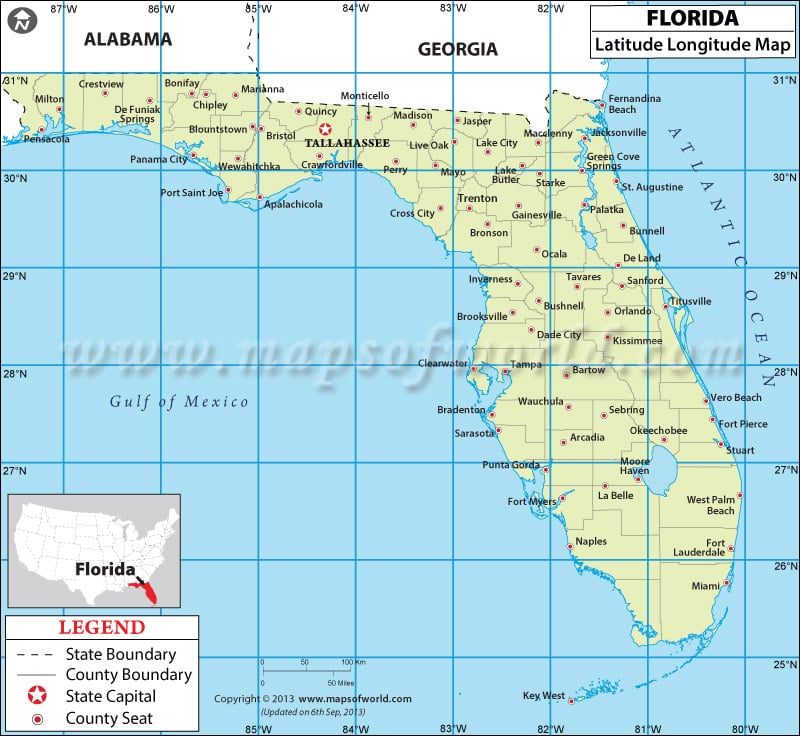
Miami sits approximately 25.76 degrees North of the Equator. This measurement, while seemingly a simple number, translates into a multitude of tangible characteristics that define the experience of visiting or living in this dynamic metropolis. To put this into perspective, Miami is situated at a latitude comparable to that of other well-known tropical and subtropical regions, such as the Yucatán Peninsula in Mexico, the heart of the Sahara Desert, and parts of the Middle East. This positioning is the primary reason for its consistently warm temperatures throughout the year and its susceptibility to tropical weather patterns.
Implications of Miami’s Northerly Tropical Position
Being just above the Tropic of Cancer (which is at approximately 23.5 degrees North latitude), Miami experiences a climate that is distinctly tropical. The sun’s rays are more direct here for a larger portion of the year compared to destinations further north. This results in:
- Warm Temperatures Year-Round: While seasons exist, they are more pronounced by rainfall patterns and humidity rather than significant temperature drops. Winters are mild and pleasant, rarely dipping below comfortable levels, making Miami a perennial favorite for those seeking to escape colder climates.
- Abundant Sunshine: The high angle of the sun contributes to extensive daylight hours and a generally sunny disposition, fueling the city’s outdoor lifestyle and vibrant energy.
- Humid Subtropical Climate: The combination of latitude, proximity to the ocean, and prevailing winds creates a humid subtropical climate (Köppen classification: Cfa). This means hot, humid summers and warm, mild winters, with the city receiving significant rainfall, particularly during the summer months.
Longitude and its Influence
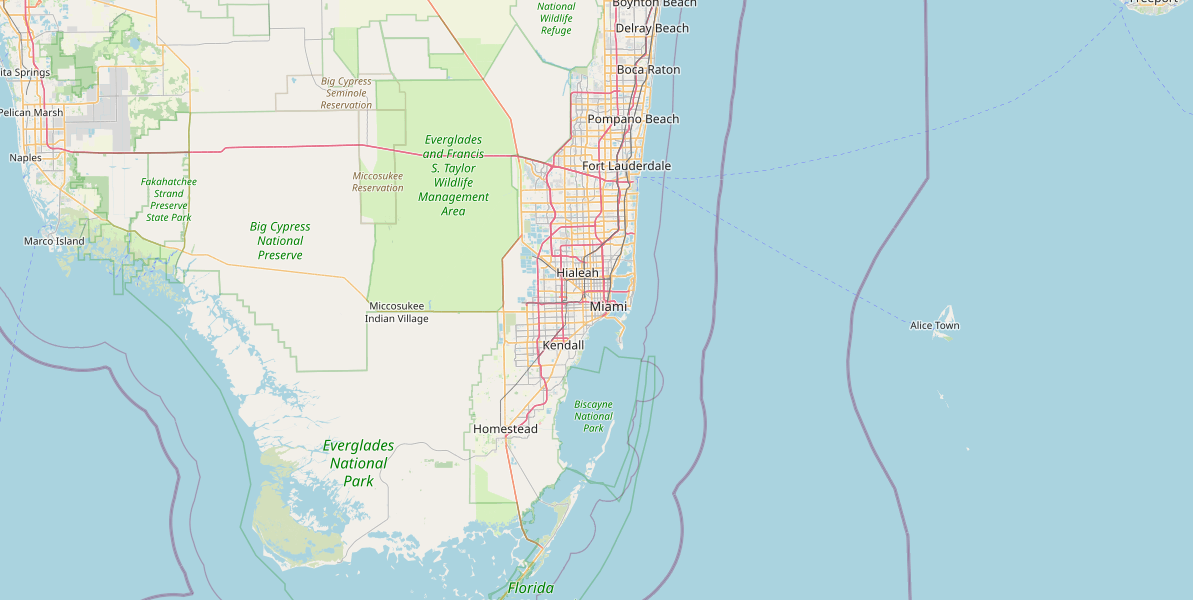
While latitude is the focus, it’s worth noting Miami’s longitude as well, which is approximately 80.19 degrees West. This places it firmly in the Eastern Time Zone (ET) and contributes to its role as a major hub for international trade and communication with Europe and South America. The combination of its latitude and longitude positions it strategically on the southeastern coast of the United States, overlooking the Atlantic Ocean and the Straits of Florida.
Miami’s Climate: A Latitude-Driven Phenomenon
The 25.76 degrees North latitude is the bedrock of Miami’s characteristic climate, a major draw for tourists and residents alike. This geographical fact directly influences the city’s weather patterns, from the intensity of its sunshine to the timing of its rainfall.
The Sun’s Path and Seasonal Variations
At Miami’s latitude, the sun reaches its highest point in the sky around the summer solstice (June 20 or 21), appearing almost directly overhead. During the winter solstice (December 21 or 22), the sun is lower in the sky, but still at a sufficient angle to maintain warm temperatures.
- Summer: Characterized by high temperatures (often in the 80s and 90s Fahrenheit), intense humidity, and frequent afternoon thunderstorms. These storms, while brief, provide temporary relief from the heat and are a predictable part of the summer daily cycle. The sheer amount of solar radiation received at this latitude fuels these weather events.
- Winter: Miami’s winters are its most temperate season. Daytime temperatures typically range from the mid-60s to the low 70s Fahrenheit. Frost is exceptionally rare, and snow is virtually unheard of. This mildness is a direct consequence of its position, which is far enough south to avoid the severe cold experienced by much of the United States.
Impact on Ecosystems and Biodiversity
The consistent warmth and distinct wet and dry seasons, driven by latitude, foster a unique subtropical ecosystem.
- Tropical Hardwood Hammocks: These dense, humid forests are found in well-drained areas and are rich in plant and animal life, thriving in the consistently warm conditions.
- Mangrove Forests: Crucial coastal ecosystems, mangroves are adapted to saline, waterlogged soils and thrive in the warm, shallow waters characteristic of Miami’s coastline, acting as vital nurseries for marine life and buffers against storm surges.
- Avian Migration: Miami’s location also makes it a significant stopover point for migratory birds. The warm climate and abundant food sources, particularly along the coast and in the Everglades, provide essential sustenance during their arduous journeys.
Travel and Tourism: How Latitude Shapes the Experience
For any traveler planning a visit to Miami, understanding its latitude is key to anticipating the weather and planning activities. The city’s position dictates not only what to pack but also when to visit for the ideal experience.
Best Times to Visit
- Dry Season (November to April): This period generally offers the most comfortable weather for exploration. Temperatures are warm but less oppressive, humidity is lower, and rainfall is significantly less frequent. This makes it ideal for exploring attractions like South Beach, visiting museums, and enjoying outdoor dining without the intense heat and humidity of the summer months. It’s the peak tourist season for good reason.
- Shoulder Seasons (May and October): These months can offer a good balance. Temperatures are starting to rise or cool down, and while humidity increases in May, and the possibility of storms exists, you might find fewer crowds than during the peak dry season.
- Wet Season (June to September): While this is the hottest and most humid time, with the highest chance of daily thunderstorms and the potential for hurricanes, it also offers the most affordable travel options and fewer crowds. For those who don’t mind the heat and can plan around afternoon downpours, it can still be a rewarding time to visit, especially for enjoying the vibrant nightlife and indoor attractions.
Activities and Attractions: Latitude-Optimized Experiences
Miami’s latitude makes it a paradise for outdoor enthusiasts and beach lovers.
- Beaches: The expansive coastline, from South Beach to Key Biscayne, benefits year-round from warm ocean waters, perfect for swimming, sunbathing, and water sports. The lack of cold winters means these beaches are accessible and inviting for much of the year.
- Outdoor Adventures: Destinations like the Everglades National Park, a UNESCO World Heritage site, are best explored in the cooler, drier months to avoid extreme heat and biting insects. Airboat tours and wildlife viewing are popular activities that are directly influenced by the prevailing weather dictated by Miami’s latitude.
- Cultural Hub: Miami’s position as a cultural crossroads, heavily influenced by its proximity to Latin America and the Caribbean, is amplified by its tropical climate, which fosters an outdoor-centric lifestyle and a vibrant arts and music scene. Neighborhoods like Little Havana and Wynwood come alive with outdoor festivals and street art, often enjoyed year-round due to the favorable temperatures.
Planning for Weather
For any traveler, packing accordingly is essential. Light, breathable clothing is a must, along with swimwear, sunscreen, and a hat. An umbrella or light rain jacket is advisable year-round, especially during the summer months, due to the frequent afternoon showers. Understanding that the weather is a direct result of its latitude helps manage expectations and ensures a more comfortable and enjoyable trip to this captivating city.
Miami’s Global Significance: A Latitude of Opportunity
Beyond its immediate appeal as a tourist destination, Miami’s geographical coordinates, particularly its latitude, underpin its broader significance on a global scale. This positioning has fostered unique cultural exchanges and economic opportunities.
Gateway to the Americas
Miami’s latitude places it in a prime position to serve as a vital link between North America and Latin America. This strategic location has facilitated:
- Trade and Commerce: Miami is a major international trade hub, with significant port activity and strong ties to businesses throughout South America. The warm climate supports year-round operations, making it an attractive location for logistics and distribution.
- Cultural Exchange: The consistent influx of people from Latin America and the Caribbean, drawn by the similar climate and economic opportunities, has profoundly shaped Miami’s culture, cuisine, music, and language, creating a unique cosmopolitan atmosphere.
- International Travel: Miami International Airport is one of the busiest airports in the United States for international traffic, with a high volume of flights connecting to cities across Latin America and the Caribbean.
Environmental Considerations
While the latitude contributes to Miami’s desirability, it also presents environmental challenges.
- Sea Level Rise: As a low-lying coastal city, Miami is particularly vulnerable to the effects of climate change, including sea level rise. This is a direct consequence of its proximity to the ocean and its location in a region susceptible to global warming impacts.
- Hurricane Preparedness: The city’s position in a region prone to tropical cyclones means that hurricane preparedness is an integral part of life in Miami. Understanding the climate patterns influenced by its latitude is crucial for these preparations.
In conclusion, the latitude of Miami, at approximately 25.76 degrees North, is not merely a geographical fact but a defining characteristic of the city. It shapes its climate, fuels its vibrant ecosystems, dictates the rhythm of its tourism, and underpins its global significance. From the warmth of its beaches to the international pulse of its streets, Miami is a city sculpted by its place on the map, offering a unique blend of tropical allure and global connection.
LifeOutOfTheBox is a participant in the Amazon Services LLC Associates Program, an affiliate advertising program designed to provide a means for sites to earn advertising fees by advertising and linking to Amazon.com. Amazon, the Amazon logo, AmazonSupply, and the AmazonSupply logo are trademarks of Amazon.com, Inc. or its affiliates. As an Amazon Associate we earn affiliate commissions from qualifying purchases.