
Miami, a vibrant jewel on Florida’s southeastern coast, is synonymous with sunshine, balmy breezes, and an enviable outdoor lifestyle. Its subtropical climate dictates much of what makes this city an alluring destination, from its world-renowned beaches to its lively street life. Understanding the nuances of Miami’s weather is key to planning the perfect visit, ensuring you pack appropriately and can fully embrace all the experiences it offers. The weather here is a character in itself, shaping daily routines, influencing fashion choices, and contributing to the city’s infectious energy.
The Tropical Embrace: Miami’s Climate Overview
Miami’s climate is classified as tropical monsoon, characterized by distinct wet and dry seasons. This classification means that while sunshine is abundant throughout the year, there are periods of more intense rainfall and higher humidity. The city enjoys a long, warm season and a short, mild winter, making it a year-round destination for many. The proximity to the Atlantic Ocean plays a crucial role, moderating temperatures and bringing refreshing sea breezes, particularly during the hotter months. However, this oceanic influence also means Miami is susceptible to the effects of hurricanes and tropical storms during the Atlantic hurricane season.
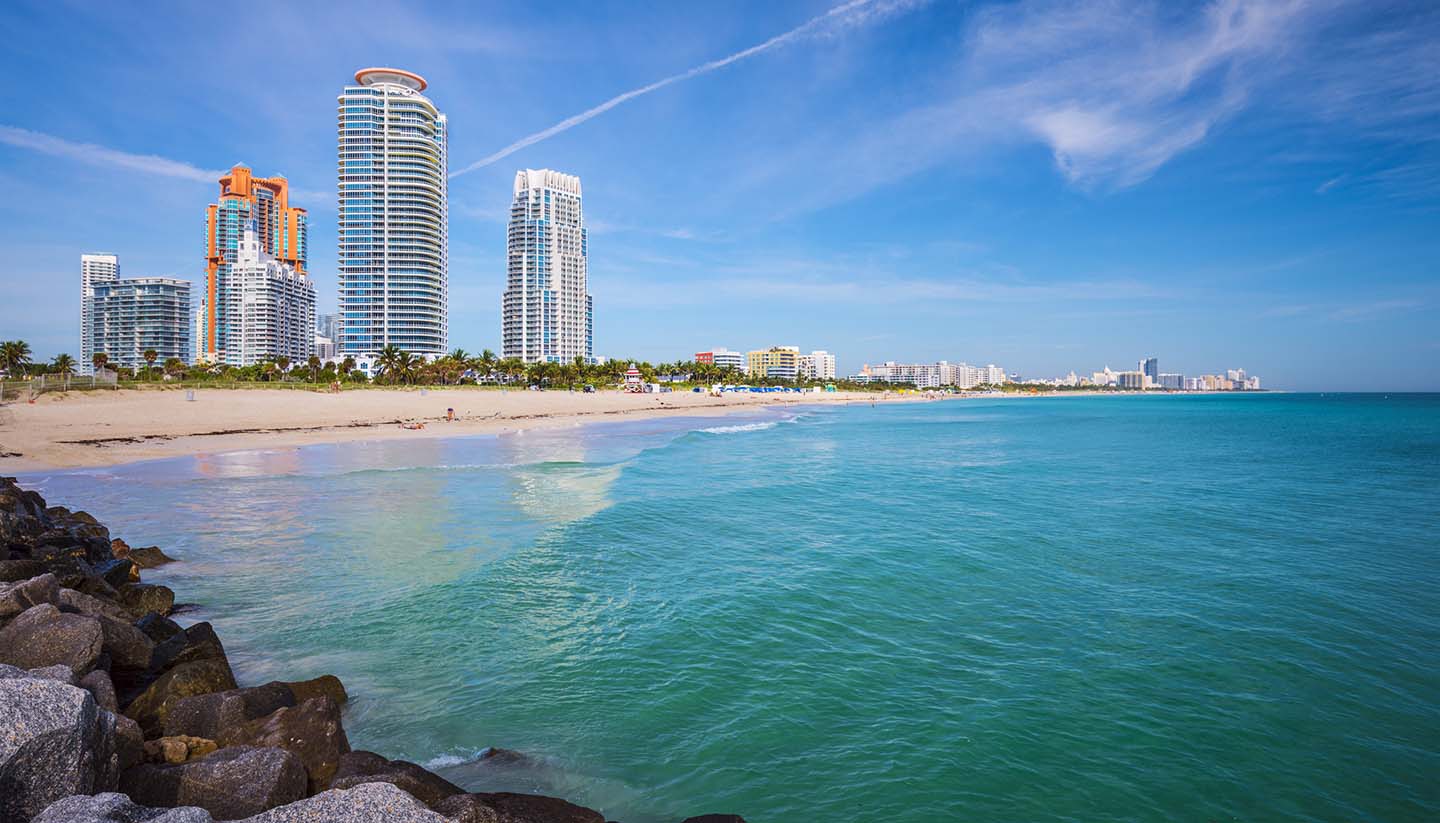
The average annual temperature hovers around a pleasant 24.5°C (76.1°F), with minimal variation between seasons compared to temperate climates. The sun shines brightly for an average of 249 days a year, a statistic that consistently draws visitors seeking warmth and light. However, it’s not just about the heat; the humidity is a significant factor, especially during the summer, making the air feel heavier and the temperatures more intense.
Understanding the Seasons
Miami’s weather can be broadly divided into two main seasons: a hot, wet summer and a warm, dry winter. While these terms are relative, they provide a useful framework for understanding the city’s climatic rhythm.
The “Dry” Season (December to April)
This period is often considered the most desirable time to visit Miami. The weather is characterized by lower humidity, pleasant temperatures, and abundant sunshine. Daily highs typically range from 24°C to 27°C (75°F to 81°F), with cooler evenings that often dip into the comfortable 16°C to 20°C (61°F to 68°F) range. Rainfall is minimal during these months, with most days offering clear blue skies. This makes it ideal for exploring the city’s outdoor attractions, lounging on the iconic South Beach, or enjoying al fresco dining in neighborhoods like Wynwood. The gentle ocean breezes are a welcome companion, preventing the heat from becoming oppressive.
The “Wet” Season (May to November)
This season brings higher temperatures and increased humidity, coinciding with the Atlantic hurricane season. July and August are typically the hottest months, with daily averages reaching 31°C (88°F), often feeling hotter due to humidity. Afternoon thunderstorms are a common occurrence, typically short-lived but intense, providing a temporary respite from the heat. These downpours are often localized and can pass quickly, leaving sunshine in their wake.
The peak of the hurricane season is generally from August to October. While Miami is well-prepared and has robust infrastructure, it’s essential for visitors to stay informed about weather advisories during this period. The rainfall during these months can be substantial, contributing to the lush, tropical vegetation that characterizes South Florida. Despite the potential for rain, the city remains vibrant, with numerous indoor activities and a resilient spirit that embraces the elements.
Daily Weather Patterns and Phenomena
Beyond the seasonal shifts, Miami’s weather exhibits specific daily patterns and phenomena that are important for visitors to be aware of. The interaction of land, sea, and air creates a dynamic and often predictable microclimate.
Afternoon Thunderstorms
As mentioned, afternoon thunderstorms are a hallmark of Miami’s wet season. These are often caused by the convergence of sea breezes from the east and land breezes from the west, creating instability in the atmosphere over the hot landmass. They typically form in the early afternoon and dissipate by evening. While they can bring heavy rain, lightning, and gusty winds, they are usually brief and are a vital part of the local ecosystem, helping to maintain the region’s humidity and verdant landscape. Smart travelers learn to plan their outdoor activities for the mornings and late afternoons, leaving the midday for indoor pursuits or embracing the brief shower as part of the experience.
Sea Breezes
The omnipresent sea breeze is a blessing in Miami, especially during the warmer months. Originating from the cooler Atlantic Ocean, these breezes provide a natural air-conditioning effect, particularly along the coast. They become more pronounced in the afternoon as the land heats up more quickly than the ocean. This constant air movement is one of the key factors that make coastal areas like Miami Beach more bearable than inland areas during the summer. It influences everything from outdoor dining to the performance of sailing regattas in Biscayne Bay.
Humidity Levels
Humidity is a significant factor in Miami’s perceived temperature. The high humidity levels, especially from May to October, can make the air feel much hotter than the thermometer indicates. A temperature of 30°C (86°F) can feel like 35°C (95°F) or more on a humid day. This is why staying hydrated, seeking shade, and utilizing air-conditioned spaces are crucial for comfort. The humidity also contributes to the lush tropical foliage, the misty mornings, and the characteristic aroma of blooming flowers.

Preparing for Miami’s Weather
Packing and planning around Miami’s weather is essential for a comfortable and enjoyable trip. Understanding what to expect allows you to make the most of your time, whether you’re here for a business conference, a relaxing beach vacation, or an adventure exploring the Everglades.
Essential Packing List
Your packing list should reflect the season of your visit.
-
For the Dry Season (December to April):
- Lightweight clothing: shorts, t-shirts, sundresses, linen pants.
- Swimwear: for the beaches and hotel pools.
- A light jacket or sweater: for cooler evenings, especially in January and February.
- Comfortable walking shoes: for exploring neighborhoods like Little Havana or Coral Gables.
- Sun protection: high SPF sunscreen, a wide-brimmed hat, and sunglasses are non-negotiable.
- A reusable water bottle: to stay hydrated.
-
For the Wet Season (May to November):
- All of the above, plus:
- Rain gear: a compact umbrella and a lightweight, waterproof jacket or poncho.
- Quick-drying clothing: materials that don’t retain moisture.
- Waterproof sandals or shoes: that can handle getting wet.
- Insect repellent: especially for evenings and for excursions to more natural areas.
Planning Activities with Weather in Mind
Flexibility is key when visiting Miami, especially during the wetter months.
- Morning Activities: Capitalize on the cooler, drier mornings for outdoor exploration, such as a visit to the Vizcaya Museum & Gardens or a stroll through the Miami Design District.
- Midday Breaks: Use the hottest part of the day for indoor attractions like the Pérez Art Museum Miami, shopping, or enjoying a leisurely lunch at one of Miami’s many excellent restaurants.
- Afternoon Resilience: If a thunderstorm rolls in, embrace it. Many locals view these as natural events that break up the heat. Find a cozy café or a covered outdoor seating area and enjoy the spectacle.
- Evening Enjoyment: Evenings generally cool down, making them perfect for enjoying the vibrant nightlife, rooftop bars, or a sunset walk along the beach.
Hurricane Season Preparedness
While the likelihood of a direct hit from a hurricane during any given visit is low, it’s prudent to be aware.
- Monitor Forecasts: Stay informed about weather forecasts from reputable sources like the National Hurricane Center.
- Travel Insurance: Consider travel insurance that covers weather-related disruptions.
- Accommodation Policies: Familiarize yourself with your hotel’s hurricane policy. Many hotels in Miami-Dade County have robust safety protocols and evacuation plans.
- Emergency Supplies: In the unlikely event of a major storm, local authorities will provide guidance on emergency supplies and shelters.
Embracing the Climate: Miami’s Outdoor Culture
Miami’s weather is not just a backdrop; it’s an integral part of its identity and culture. The city thrives outdoors, and its climate enables a lifestyle that is deeply connected to the sun, sea, and warm air.
Beach Life and Water Sports
The iconic beaches of Miami, from the bustling shores of South Beach to the more serene stretches in Key Biscayne, are a direct product of the favorable climate. The warm waters of the Atlantic are inviting year-round, perfect for swimming, sunbathing, and a variety of water sports like paddleboarding, kayaking, and jet skiing. The consistent sunshine encourages an active beach culture that is a cornerstone of the Miami experience.
Outdoor Dining and Entertainment
From trendy sidewalk cafés in Brickell to casual beachfront eateries, Miami’s culinary scene flourishes outdoors. The warm evenings, often accompanied by a gentle sea breeze, make alfresco dining a popular choice. Live music venues, street festivals like Art Basel Miami Beach, and open-air markets also benefit immensely from the temperate climate, allowing these cultural events to thrive throughout much of the year.

Parks and Recreation
Beyond the beaches, Miami boasts numerous parks and green spaces that are heavily utilized thanks to the pleasant weather. Bayfront Park offers stunning views of Biscayne Bay, while Everglades National Park (a short drive away) provides a unique opportunity to experience a different kind of tropical ecosystem. The mild winters, in particular, make it ideal for activities like cycling, jogging, and exploring nature reserves.
In conclusion, the weather in Miami is a defining characteristic that shapes its allure and its lifestyle. While the tropical climate brings warmth, sunshine, and humidity, understanding its nuances allows visitors to embrace its magic fully, from the gentle breezes of its dry season to the dramatic, yet fleeting, afternoon showers of its wet season. Miami’s weather invites you to live life outdoors, to savor every sunny day, and to find the beauty in its dynamic tropical embrace.
LifeOutOfTheBox is a participant in the Amazon Services LLC Associates Program, an affiliate advertising program designed to provide a means for sites to earn advertising fees by advertising and linking to Amazon.com. Amazon, the Amazon logo, AmazonSupply, and the AmazonSupply logo are trademarks of Amazon.com, Inc. or its affiliates. As an Amazon Associate we earn affiliate commissions from qualifying purchases.