
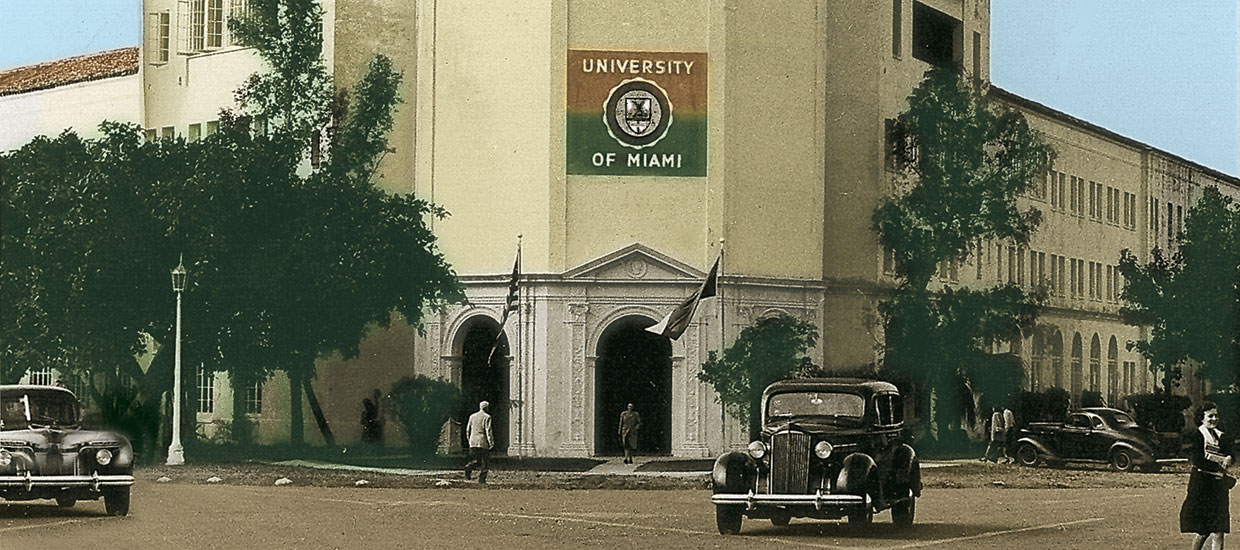
The University of Miami is a vibrant and integral part of the Miami landscape, contributing significantly to its cultural, intellectual, and economic dynamism. While its primary identity is that of a prestigious academic institution, understanding its founding provides a crucial lens through which to view its evolution as a landmark in South Florida. This exploration delves into the origins of the University of Miami, tracing its establishment and the foundational vision that shaped its early years. Its existence is deeply intertwined with the burgeoning identity of Miami itself as a burgeoning metropolis in the early 20th century, a period of rapid growth and ambition for the region.
Genesis of a Vision: The Early 20th Century Dream
The establishment of the University of Miami was not a spontaneous event but rather the culmination of a long-held aspiration by the citizens of Miami for a local institution of higher learning. As the city rapidly expanded following its incorporation in the late 19th century, there was a growing recognition of the need for educational infrastructure to support its development and attract talent. The climate and potential of South Florida were becoming increasingly recognized, and a university was seen as a vital component in solidifying Miami’s status as a significant urban center.
The “Greater Miami” Movement and Civic Ambition
The early 1920s in Miami were marked by an era of unparalleled growth and optimism, often referred to as the “Florida Boom.” This period saw immense development in real estate, tourism, and infrastructure, fostering a strong sense of civic pride and ambition. Community leaders and citizens alike felt that a university would be a cornerstone of this burgeoning city, a symbol of its intellectual aspirations and a catalyst for future prosperity. The idea of a university that would serve the entire “Greater Miami” area, encompassing not just the city but also surrounding communities, was a powerful unifying force.
Overcoming Obstacles: Land, Funding, and Recognition
Establishing a university from scratch presented significant challenges. Securing suitable land for a campus, raising the substantial funds required for construction and endowment, and garnering official recognition were all formidable hurdles. Early efforts involved a concerted push by a dedicated group of local boosters and philanthropists who recognized the long-term benefits of higher education. The spirit of innovation and determination that characterized Miami during this era was instrumental in pushing the university project forward against considerable odds. The initial vision was for a comprehensive institution that would offer a range of programs to meet the needs of a developing region.
The Official Founding: A Moment in Time
The official founding of the University of Miami is rooted in a specific date that marks the culmination of years of planning and advocacy. This date signifies not just the incorporation of the institution but also the formal commitment of the community to its future. Understanding this founding moment is essential to appreciating the historical trajectory of this prominent landmark.
Incorporation and the Charter
The pivotal moment arrived on April 1, 1925, when the University of Miami was officially incorporated. This act of incorporation was the legal foundation upon which the institution would be built. It involved the establishment of a governing board of trustees, the articulation of the university’s mission, and the initial steps towards acquiring resources. The charter outlined the educational objectives and the governance structure, setting the stage for the academic endeavors to follow. This legal framework was crucial for the university to begin operations and seek accreditation and funding.
The Vision of a New Institution
The founders envisioned an institution that would be more than just a repository of knowledge. They aimed to create a dynamic center for research, innovation, and community engagement. The location in Miami, with its unique subtropical environment and growing international connections, offered distinct opportunities. The founders believed that a university located here could foster interdisciplinary studies, particularly in areas relevant to the region, such as tropical agriculture, marine sciences, and international affairs. This forward-thinking approach laid the groundwork for the university’s future strengths and its significant contributions to various fields.
Early Years and the Path Forward
The founding of the University of Miami in 1925 marked the beginning of a long and often challenging journey. The institution had to navigate economic downturns, wars, and the continuous evolution of higher education. However, the initial vision and the dedication of its supporters provided a solid foundation for growth and resilience.
The First Students and Faculty
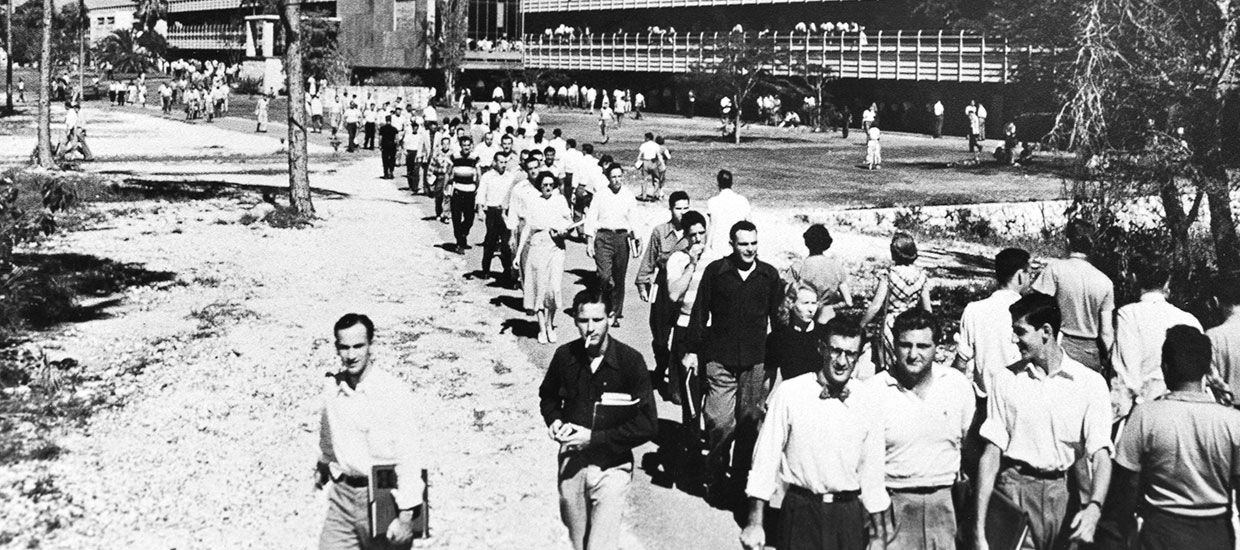
While the university was incorporated in 1925, the actual commencement of classes and the enrollment of its first students took place a bit later, in the fall of 1926. This marked the transition from a legal entity to a functioning academic community. The early faculty comprised dedicated scholars who were committed to building a strong academic program from the ground up. They faced the task of establishing curricula, developing research initiatives, and fostering a vibrant campus culture. The initial student body, though modest in number, represented the local community’s aspirations for accessible and quality higher education.
The Impact of Economic and Historical Events
The University of Miami was not immune to the broader economic and historical forces of the 20th century. The Great Depression, which followed shortly after its founding, presented significant financial challenges. The onset of World War II further impacted enrollment as many students served in the military. Despite these setbacks, the university persevered, often with the support of the local community and its dedicated alumni. Each challenge ultimately contributed to the institution’s resilience and its ability to adapt to changing circumstances. The post-war era, in particular, saw a significant expansion in higher education across the United States, and the University of Miami was well-positioned to capitalize on this trend.
The University of Miami as a Landmark
Today, the University of Miami stands as a testament to the foresight and ambition of its founders. Its sprawling campuses and its global reach have made it a significant landmark, not just within Miami but on the international stage. Its contributions extend far beyond its academic programs, influencing the local culture, economy, and community.
Architectural Significance and Campus Evolution
The architectural evolution of the University of Miami reflects its growth and changing priorities. From its initial buildings to modern research facilities and student accommodations, the campus is a blend of historical styles and contemporary design. The iconic Venetian Pool, a public aquatic facility built in the 1920s, predates the university but is often associated with the area’s early development and architectural heritage. The university’s own campus showcases a variety of architectural approaches, with some buildings reflecting Mediterranean influences popular during the early 20th century, while others are sleek, modern structures designed to house cutting-edge research. The development of the campus is a story in itself, mirroring the city’s own transformation.

A Hub of Innovation and Culture
The University of Miami is a major contributor to the cultural and intellectual life of South Florida. Its schools and colleges engage in groundbreaking research, produce innovative artistic works, and foster critical dialogue. The university’s impact can be seen in its contributions to fields such as medicine, marine biology, law, and the arts. It serves as a vital cultural hub, hosting public lectures, performances, and exhibitions that enrich the Miami community. Its presence has helped transform Miami into a city that is recognized not only for its beaches and nightlife but also for its intellectual vibrancy and commitment to higher learning. The founding of the University of Miami on April 1, 1925, was a critical step in this ongoing journey, marking the birth of an institution that would shape the future of a vibrant American city.
LifeOutOfTheBox is a participant in the Amazon Services LLC Associates Program, an affiliate advertising program designed to provide a means for sites to earn advertising fees by advertising and linking to Amazon.com. Amazon, the Amazon logo, AmazonSupply, and the AmazonSupply logo are trademarks of Amazon.com, Inc. or its affiliates. As an Amazon Associate we earn affiliate commissions from qualifying purchases.