
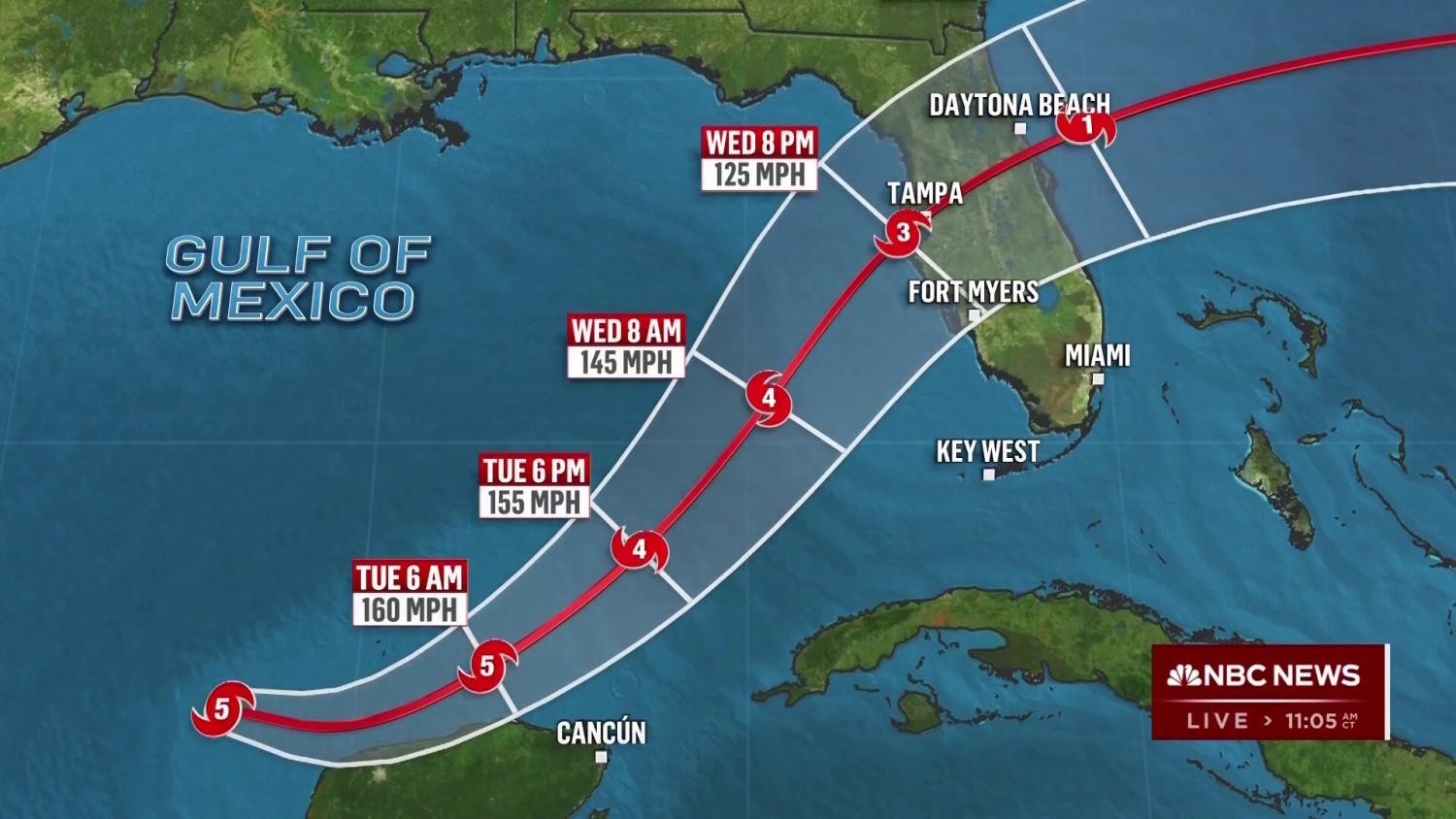
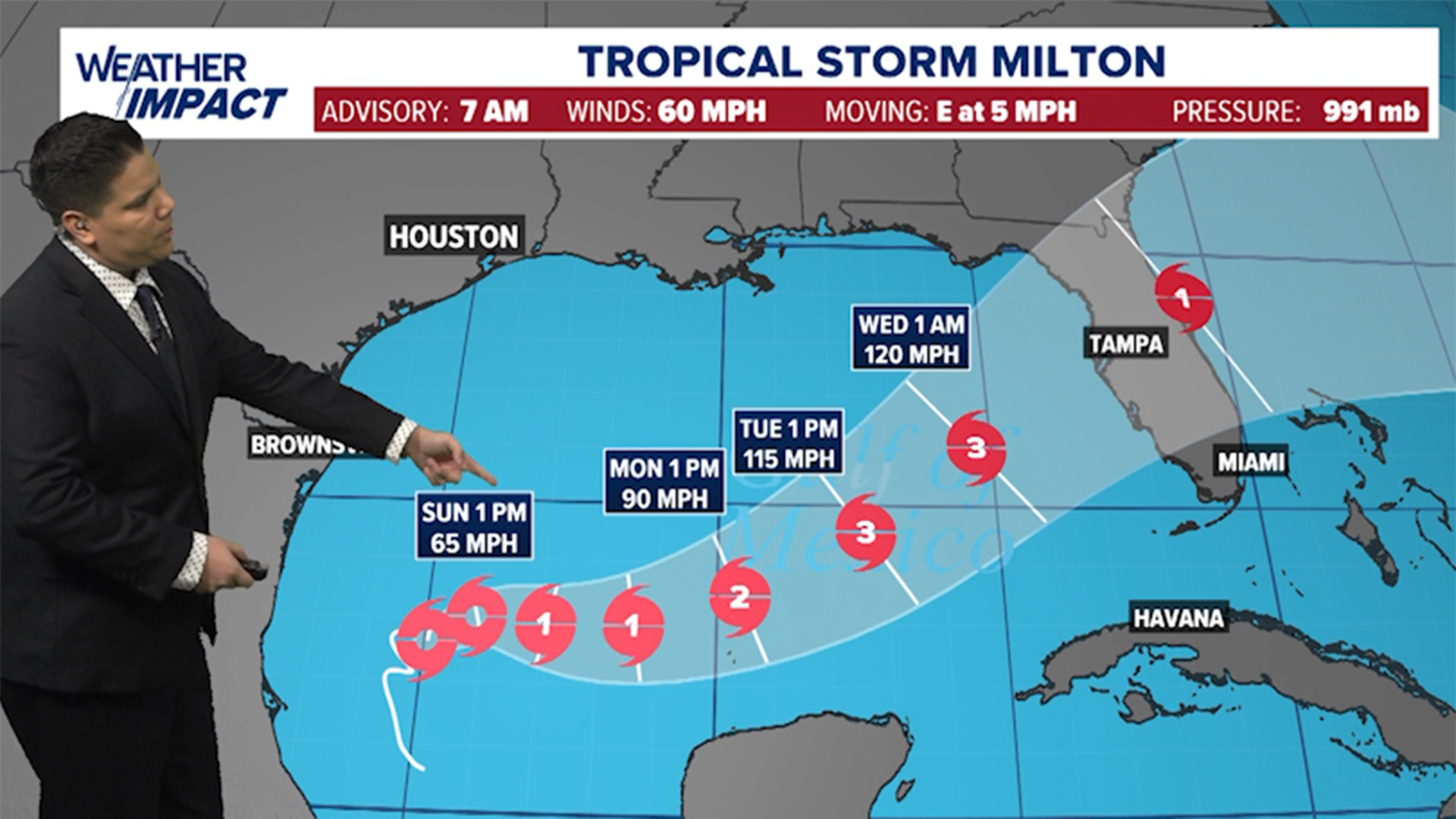
As the summer heat intensifies and the Atlantic hurricane season looms, residents and visitors in South Florida are understandably concerned about the potential impact of tropical cyclones. The question on many minds is: Will Miami be hit by Hurricane Milton? While predicting the exact path and intensity of any given hurricane season is a complex and evolving science, understanding the historical patterns, the factors influencing storm development, and the preparedness measures in place offers a comprehensive perspective for navigating this critical period.
Miami, with its stunning coastline and vibrant urban landscape, is a prime destination for millions of travelers annually. Its allure lies in its unique blend of tropical charm, world-class dining, and dynamic cultural scene. However, its geographic location also places it squarely within a region susceptible to tropical weather systems. This inherent vulnerability necessitates a proactive approach to understanding and preparing for the hurricane season.
Understanding Hurricane Formation and Miami’s Vulnerability
Hurricanes are powerful, rotating storm systems characterized by low pressure centers, strong winds, and heavy rainfall. They form over warm ocean waters when atmospheric conditions are favorable. The Atlantic hurricane season officially runs from June 1 to November 30, with the peak of activity typically occurring between mid-August and late October.
Several factors contribute to the likelihood of hurricanes impacting the southeastern United States, including Miami. The sea surface temperatures in the Atlantic Ocean play a crucial role; warmer waters provide more energy for storm development and intensification. Additionally, atmospheric patterns, such as the presence of Saharan dust outbreaks (which can suppress storm formation) or El Niño/La Niña phenomena (which can influence wind patterns and storm tracks), significantly influence the overall activity of the hurricane season.
Miami’s low-lying topography and extensive coastline make it particularly vulnerable to the impacts of hurricanes, even those that do not make direct landfall. Storm surge, the abnormal rise of water generated by a storm, can cause widespread flooding in coastal areas. Heavy rainfall associated with hurricanes can lead to inland flooding, and the powerful winds can cause significant structural damage. The city’s dense population and critical infrastructure, including its international airport and port, also present challenges in terms of evacuation and disaster response.
Historical Perspective
Examining historical hurricane data for Miami provides valuable context. While no two hurricane seasons are ever the same, past events offer insights into the potential risks. Miami has experienced direct hits from numerous hurricanes throughout its history, with significant impacts on its infrastructure and economy. For instance, Hurricane Andrew in 1992 was a Category 5 storm that devastated South Florida, serving as a stark reminder of the destructive potential of these weather events. More recently, storms like Hurricane Irma in 2017 brought significant wind damage and storm surge to the region. These historical events underscore the importance of ongoing preparedness and vigilance.
Factors Influencing “Milton”
The specific threat posed by a hypothetical “Hurricane Milton” would depend on a multitude of factors that evolve in real-time. Meteorologists closely monitor ocean temperatures, wind shear, atmospheric moisture, and other environmental conditions to forecast storm development and track. The precise trajectory of a storm is notoriously difficult to predict more than a few days in advance. Even a storm that appears to be heading towards Miami can shift course due to subtle changes in weather patterns. Therefore, constant monitoring of official forecasts from agencies like the National Hurricane Center is paramount.
Preparedness and Safety Measures for Miami Residents and Visitors
Given Miami’s inherent vulnerability, a robust approach to hurricane preparedness is essential for both its permanent residents and the millions of tourists who visit each year. Understanding the risks and having a plan in place can significantly mitigate the impact of a storm.
For Residents: Creating a Hurricane Plan
The cornerstone of hurricane preparedness for residents is the development of a comprehensive hurricane plan. This plan should address several key areas:
- Evacuation Route and Shelter: Identifying primary and secondary evacuation routes is critical. Residents should know if they are in an evacuation zone and, if so, where they will go. This might involve staying with friends or family in a safer location outside the evacuation zone, or utilizing designated public shelters. It’s important to check the opening status of shelters in advance.
- Emergency Kit: Assembling an emergency kit with essential supplies is a vital step. This kit should include non-perishable food and water for at least three days per person, a first-aid kit, medications, flashlights with extra batteries, a battery-powered or hand-crank radio, sanitation and personal hygiene items, copies of important documents, and cash.
- Home Hardening: Taking steps to secure one’s home can reduce damage from wind and rain. This includes installing hurricane shutters or boarding up windows, trimming trees and shrubs to prevent them from falling on the house, and securing outdoor items like patio furniture and trash cans.
- Communication Plan: Establishing a communication plan with family members is important. This could involve designating an out-of-state contact person who family members can check in with if local communication lines are down.
- Pet Preparedness: If you have pets, ensure you have a plan for their safety as well, including a pet carrier, food, water, and any necessary medications.
For Visitors: Staying Informed and Safe

Tourists visiting Miami during hurricane season should also be aware of the potential risks and take appropriate precautions:
- Hotel Preparedness: Hotels in Miami are generally well-prepared for hurricane season. Reputable establishments will have emergency plans in place, including backup power generators and procedures for guest safety during a storm. Familiarize yourself with your hotel’s emergency procedures upon arrival.
- Monitoring Forecasts: Stay informed about weather forecasts. Many hotels provide guests with access to local news and weather channels. Additionally, reputable travel apps and weather websites can offer real-time updates.
- Heeding Warnings: If an evacuation order is issued for your area, or if your hotel advises evacuation, comply immediately. Your safety is the top priority.
- Travel Insurance: Consider purchasing travel insurance that covers trip cancellations or interruptions due to severe weather events. This can help mitigate financial losses if your travel plans are disrupted.
- Flexibility: Be prepared for potential travel disruptions. Flights may be canceled or delayed, and road closures could impact transportation. Maintaining flexibility with your travel plans is advisable.
The Role of Technology and Forecasting in Hurricane Prediction
The science of hurricane forecasting has advanced significantly over the years, thanks to sophisticated technology and a deeper understanding of atmospheric dynamics. Advanced weather models, satellite imagery, and reconnaissance aircraft play crucial roles in tracking and predicting the behavior of these powerful storms.
Sophisticated Modeling and Data
Meteorologists utilize complex computer models that ingest vast amounts of data from various sources. These models simulate atmospheric conditions and project the potential path, intensity, and rainfall associated with a developing tropical system. The accuracy of these models has improved over time, allowing for earlier and more precise warnings.
Satellite technology provides a continuous stream of visual and infrared imagery, allowing forecasters to monitor the growth and structure of storms from space. Reconnaissance aircraft, often referred to as “hurricane hunters,” fly directly into the eye of the storm, gathering vital data on wind speed, pressure, and temperature. This “ground truth” data is invaluable for calibrating and improving the accuracy of the computer models.
Early Warnings and Communication Channels
The National Hurricane Center plays a critical role in issuing advisories and warnings for tropical cyclones in the Atlantic basin. They provide regular updates on the status of developing storms, including forecasts for their future track and intensity. These advisories are disseminated through various channels, including their website, social media, and through partnerships with local media outlets.
In Miami-Dade County, local emergency management agencies work in conjunction with the National Hurricane Center to issue specific watches and warnings for the region. These warnings trigger preparedness actions for residents and businesses. Understanding the difference between a hurricane watch (conditions are possible within 48 hours) and a hurricane warning (conditions are expected within 36 hours) is crucial for timely action.
Beyond the Storm: Miami’s Resilience and Recovery
While the threat of hurricanes is a serious concern for Miami, the city has a well-established record of resilience and recovery. Following major storms, the community rallies together, and significant efforts are undertaken to rebuild and restore normalcy.
Infrastructure and Mitigation Efforts
Miami has invested in strengthening its infrastructure to withstand the impacts of hurricanes. This includes upgrading building codes to ensure new construction is more resistant to high winds, improving drainage systems to manage heavy rainfall and storm surge, and reinforcing critical infrastructure like power grids and communication networks. The city also actively engages in coastal management and beach renourishment projects to help protect its shorelines.
Community Spirit and Long-Term Recovery
The spirit of community in Miami is often highlighted in the aftermath of a disaster. Neighbors help neighbors, and volunteer organizations play a vital role in providing assistance and support to those affected. The long-term recovery process can be challenging, involving extensive rebuilding efforts and economic adjustments. However, Miami’s history demonstrates a remarkable capacity for bouncing back, driven by the determination of its residents and a commitment to rebuilding a stronger, more resilient city.
In conclusion, while the question of whether Miami will be hit by Hurricane Milton cannot be definitively answered far in advance, understanding the factors influencing hurricane season, the historical context, and the importance of preparedness empowers both residents and visitors to navigate this period with greater confidence and safety. Continuous monitoring of official weather forecasts and adherence to safety guidelines remain the most effective strategies for mitigating the potential impacts of any tropical cyclone that may threaten the vibrant city of Miami.
LifeOutOfTheBox is a participant in the Amazon Services LLC Associates Program, an affiliate advertising program designed to provide a means for sites to earn advertising fees by advertising and linking to Amazon.com. Amazon, the Amazon logo, AmazonSupply, and the AmazonSupply logo are trademarks of Amazon.com, Inc. or its affiliates. As an Amazon Associate we earn affiliate commissions from qualifying purchases.