
As the peak of hurricane season approaches, the question of whether a significant storm like Hurricane Beryl will make landfall in Florida is a concern that resonates deeply with travelers, residents, and the vibrant tourism industry alike. Florida, often dubbed the Sunshine State, is one of the world’s most beloved destinations, attracting millions with its pristine beaches, world-class theme parks, and diverse cultural experiences. However, its geographical location also places it in the path of potential tropical cyclones. For anyone planning a trip, living, or working in this beautiful state, understanding the dynamics of a looming storm like Hurricane Beryl is paramount. This guide aims to provide comprehensive insights, from tracking the storm to making informed travel decisions, ensuring safety and minimizing disruption, all while keeping the adventurous spirit of exploring Florida alive.
The anxiety that accompanies hurricane season is understandable. Headlines about developing storms in the Atlantic Ocean or Caribbean Sea can quickly cast a shadow over meticulously planned vacations or business trips. Our goal here is to cut through the noise, offering actionable advice and a clear perspective on how to react to a potential hurricane threat. We’ll delve into the specifics of storm tracking, the potential impacts on travel and accommodation, and how Florida’s robust infrastructure and resilient communities are prepared to handle such events. For those with bookings at luxurious resorts in Miami Beach, family adventures planned for Walt Disney World Resort in Orlando, or serene getaways in the Florida Keys, this information is crucial for making the best decisions for your travel lifestyle.
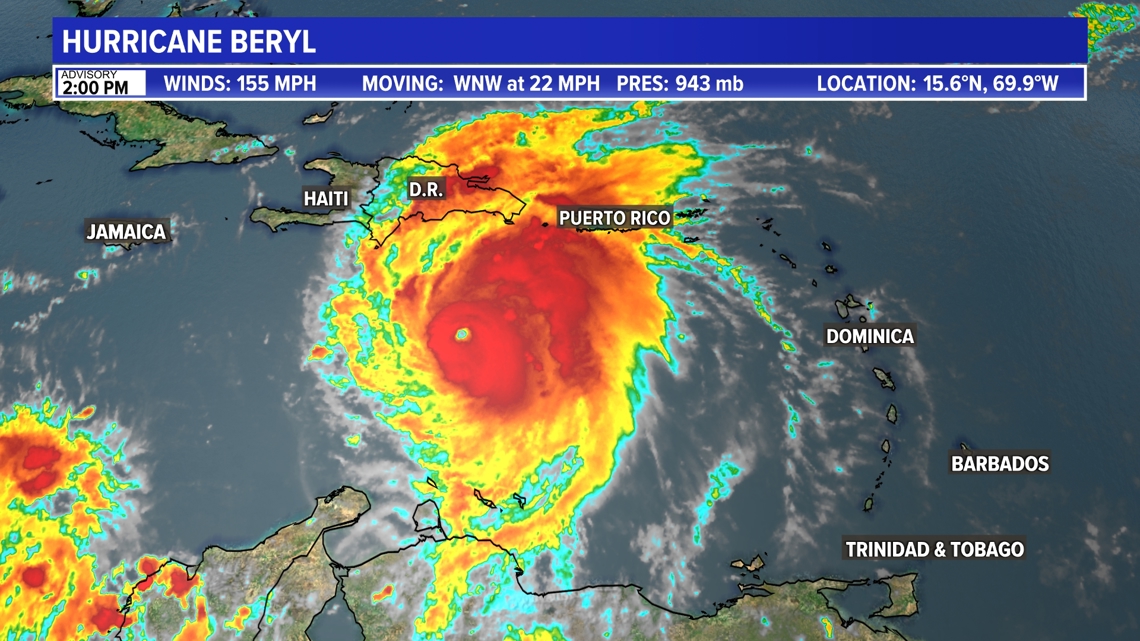
Understanding the Threat: What to Know About Hurricane Beryl
The first step in navigating any potential hurricane scenario is accurate information. Panic often arises from a lack of clear, reliable data. When a storm like Hurricane Beryl develops, multiple agencies and meteorological services work tirelessly to provide the most up-to-date forecasts and advisories. Understanding how these systems work, and where to find the most credible information, is key to staying safe and making rational decisions.
Tracking the Storm: Latest Advisories and Forecasts
Official sources are your best friends during hurricane season. The National Hurricane Center (NHC), a division of the United States National Oceanic and Atmospheric Administration (NOAA), is the authoritative voice for hurricane forecasting in the Atlantic basin. They issue regular advisories, including storm tracks, intensity forecasts, watches, and warnings. These advisories are critical as they often dictate evacuation orders, travel advisories, and the readiness levels for various regions.
When tracking Hurricane Beryl, pay close attention to the cone of uncertainty, which illustrates the probable track of the storm’s center. While this cone represents the likely path, it’s vital to remember that impacts can extend far beyond the exact center. Wind, rain, and storm surge can affect areas hundreds of miles from the storm’s core. Local news outlets in Florida, alongside state and county emergency management agencies, will also provide specific guidance tailored to their respective areas, such as Miami-Dade County, Orange County (home to Orlando), or the Florida Panhandle. Subscribing to alerts from these sources is a prudent measure for any traveler.
Defining Hurricane Impact: Categories and Potential Damage
Hurricanes are classified by the Saffir-Simpson Hurricane Wind Scale, which categorizes storms based on their sustained wind speeds. A Category 1 storm, with winds of 74-95 mph, can cause significant damage to homes and power outages, while a Category 5 storm, with winds of 157 mph or higher, can lead to catastrophic destruction. However, wind speed is just one component of a hurricane’s threat.
Key hazards to consider include:
- Storm Surge: Often the deadliest aspect of a hurricane, storm surge is an abnormal rise of water generated by the storm, over and above the predicted astronomical tide. Coastal areas of Florida, from Key West to Jacksonville, are particularly vulnerable.
- Heavy Rainfall and Flooding: Hurricanes can dump tremendous amounts of rain, leading to widespread inland flooding, even far from the coast. This can impact road travel and local infrastructure, regardless of a destination’s proximity to the shore.
- Tornadoes: Hurricanes can spawn tornadoes, especially in the outer rain bands, posing an additional, unpredictable threat.
- Rip Currents: Even if the hurricane doesn’t make direct landfall, its distant effects can generate dangerous rip currents along the Florida coastline, making ocean swimming extremely hazardous.
Understanding these potential impacts helps travelers gauge the severity of the situation and take appropriate precautions. A Category 2 Hurricane Beryl might necessitate different actions than a Category 4, but all categories demand respect and preparedness.
Navigating Your Travel Plans Amidst Uncertainty
A hurricane threat throws a wrench into any travel itinerary. Whether you’ve booked a flight to Fort Lauderdale, a cruise departing from Port Canaveral, or a long-term stay in Sarasota, making timely and informed decisions is crucial. This section focuses on practical steps for travelers facing a potential hurricane impact.
Before You Go: Pre-Trip Preparations and Insurance
If Hurricane Beryl is developing before your planned departure to Florida, proactive measures can save you stress, time, and money.
- Monitor Official Advisories: Continuously check the NHC website and local Florida emergency management sites.
- Contact Airlines/Cruise Lines: Most airlines and cruise companies have specific hurricane policies. They may waive change fees, offer rebooking options, or issue refunds if your travel is directly impacted by a storm warning. Be ready to act quickly.
- Review Accommodation Policies: Check the cancellation and rebooking policies for your hotel, resort, or vacation rental. Many offer flexibility during hurricane threats.
- Travel Insurance is Key: This is where travel insurance proves its worth. If you purchased “Cancel for Any Reason” insurance or a policy specifically covering weather-related disruptions, review your coverage immediately. Understand what is covered (e.g., trip cancellation, trip interruption, evacuation) and the claims process. Always read the fine print, especially concerning “named storms” and when the policy was purchased relative to the storm’s naming.
- Digital Copies of Documents: Keep digital copies of passports, IDs, insurance policies, and booking confirmations accessible on your phone or in cloud storage.
- Emergency Contact Information: Share your itinerary and emergency contacts with family or friends not traveling with you.
If You’re Already There: Safety First and Local Resources
For travelers already enjoying Florida when Hurricane Beryl poses a threat, the priority shifts to safety and immediate action.
- Heed Local Warnings: Pay close attention to local media, hotel staff, and emergency services. If evacuation orders are issued for your area (e.g., Tampa, Naples, Key West), leave immediately. Do not wait.
- Secure Valuables: If you are staying, secure any loose items on balconies or outside your accommodation.
- Emergency Kit: While hotels usually have contingency plans, it’s wise to have a small personal emergency kit with essentials like medications, a power bank for your phone, cash, and any important documents.
- Communication: Inform family and friends of your status and plans. Be mindful that cell service and internet may be disrupted.
- Follow Shelter Instructions: If ordered to shelter in place, know your hotel’s hurricane plan. If instructed to go to a public shelter, understand the logistics and what to bring. The Florida Division of Emergency Management website provides information on local shelters.
- Fuel Up and Stay Connected: If you have a rental car, keep the fuel tank full. Charge all electronic devices.

Accommodation Considerations: Hotels, Resorts, and Rental Policies
Accommodation providers in Florida are highly experienced in managing hurricane threats. They understand the severity and typically have robust emergency plans.
- Hotel and Resort Preparedness: Many larger hotels and resorts in destinations like Orlando and South Florida have concrete structures designed to withstand hurricane-force winds. They often have backup generators, food and water supplies, and staff dedicated to guest safety during a storm. In cases of mandatory evacuations, they will assist guests in finding safe passage or alternative accommodation outside the evacuation zone.
- Vacation Rentals: If you’ve booked a private vacation rental through platforms like Airbnb or VRBO, review the host’s cancellation policy and communication guidelines. Private owners may have less infrastructure for sheltering than large hotels. In severe cases, local authorities might issue mandatory evacuation orders for these types of properties first.
- Post-Storm Impact: Even if a hotel isn’t directly damaged, it might experience power outages, water issues, or be used to house emergency personnel, making it unavailable for regular bookings. Always confirm with the property directly before attempting to return after a storm.
Florida’s Resilience: Tourism and Recovery
Despite the occasional challenges posed by hurricanes, Florida’s tourism industry consistently demonstrates remarkable resilience. The state invests heavily in infrastructure and emergency preparedness, ensuring that recovery is swift and efficient.
Impact on Popular Destinations and Attractions
A direct hit from a storm like Hurricane Beryl would undoubtedly impact major tourist hubs. Theme parks like Walt Disney World Resort and Universal Orlando Resort have well-established hurricane procedures, often closing ahead of significant weather events to ensure guest and staff safety. Historical sites, natural landmarks like Everglades National Park, and beaches across the state would likely experience temporary closures and potential damage.
However, the key word is “temporary.” Florida’s attractions are adept at reopening quickly after a storm, often with minimal disruption. For instance, Orlando‘s inland location often spares it from the worst of storm surge, allowing its massive entertainment complexes to bounce back rapidly. Coastal cities might take longer to clean up beaches and repair infrastructure, but the commitment to restoring their appeal is unwavering. Travelers should check official park and attraction websites for the latest operational updates.
Supporting Local Businesses and Community Efforts
In the aftermath of a hurricane, local businesses in Florida often face significant challenges. From small boutique shops in St. Pete Beach to family-owned restaurants in Key West, these enterprises are the heart of Florida’s unique charm.
If you find yourself in Florida after a storm, consider supporting these local businesses once it is safe to do so. Your patronage helps communities recover faster. Additionally, many organizations, like the American Red Cross and the Federal Emergency Management Agency (FEMA), play crucial roles in relief and recovery efforts. Contributing to these efforts, whether through donations or volunteer work (if appropriate and safe), can make a substantial difference. Florida is a state built on strong community bonds, and these bonds shine brightest during challenging times.
Making Informed Decisions: A Traveler’s Guide
Ultimately, the decision to travel or stay during a hurricane threat rests on individual circumstances and risk tolerance. However, an informed decision is always the best one.
Luxury vs. Budget Travel: Tailoring Your Response
The type of travel you’ve planned can influence your hurricane preparedness strategy.
- Luxury Travel: Guests at high-end resorts often benefit from comprehensive concierge services and robust emergency plans. These establishments typically have extensive backup systems and staff dedicated to ensuring guest safety and comfort, including managing evacuations or sheltering in place. However, the cost of luxury travel insurance might also be higher, reflecting the value of the trip.
- Budget Travel: For budget-conscious travelers staying in more modest accommodations or camping, self-reliance becomes even more important. You may need to proactively seek out local emergency information, transportation alternatives, and ensure you have sufficient supplies. Flexibility is a major asset here; being able to pivot plans quickly without significant financial penalty is ideal.
- Family Trips: Traveling with children or elderly family members adds layers of complexity. Prioritize safety above all. Ensure you have necessary medications, comfort items for children, and clear communication plans. Evacuating with a family requires more planning for logistics, supplies, and accommodation along the evacuation route.
- Business Stays: Business travelers often have strict schedules, but safety must take precedence. Discuss contingency plans with your employer, ensure you have access to remote work capabilities if delayed, and understand company policies regarding travel disruptions. Corporate travel insurance may offer specific protections.
Regardless of your travel style, the core principle remains: safety first. No travel experience is worth risking your well-being.
Beyond the Storm: Planning Future Florida Adventures
Even with the possibility of a hurricane, Florida remains an incredibly rewarding destination. Understanding hurricane season patterns can help you plan your trips to minimize risks.
Best Times to Visit Florida
Hurricane season officially runs from June 1st to November 30th, with the peak months typically being August, September, and October. Traveling outside these months significantly reduces the risk of encountering a major storm.
- Winter (December-February): Ideal weather, cooler temperatures, but higher prices and larger crowds, especially around holidays and in South Florida.
- Spring (March-May): Excellent weather, fewer crowds than winter, and generally before the intense heat and significant hurricane activity. A popular time for spring break travelers.
- Late Fall (November): Post-peak hurricane season, pleasant weather, and smaller crowds, making it a great time to visit.
If you must travel during hurricane season, consider inland destinations like Orlando which are less prone to storm surge, and always invest in comprehensive travel insurance.
Exploring Florida’s Diverse Offerings
Florida’s appeal extends far beyond its theme parks and beaches. Once the all-clear is given, or if you plan your trip outside hurricane season, the state offers an incredible array of experiences:
- Coastal Charms: From the historic streets of St. Augustine, the nation’s oldest city, to the vibrant arts scene of Sarasota, and the natural beauty of the Emerald Coast in the Panhandle, Florida’s coastline is incredibly diverse.
- Nature and Wildlife: Explore the unique ecosystem of Everglades National Park, swim with manatees in crystal-clear springs, or discover the abundant birdlife in various state parks.
- Culture and History: Dive into the rich Cuban heritage of Miami’s Little Havana, visit the Kennedy Space Center Visitor Complex for a taste of space exploration, or explore the Spanish colonial architecture of St. Augustine.
- Foodie Paradise: Florida’s culinary scene is as varied as its landscapes, offering everything from fresh seafood in Tampa to upscale dining in Palm Beach and a fusion of flavors in Miami.
The question “Will Hurricane Beryl hit Florida?” is a serious one, demanding diligent attention and informed planning. While the unpredictable nature of hurricanes means a definitive answer is often elusive until closer to the event, a proactive and well-prepared approach ensures that you can navigate the uncertainty with confidence. Florida is a state that bounces back, ready to welcome visitors with its signature warmth and endless attractions. By prioritizing safety and staying informed, you can minimize risks and continue to enjoy all the wonders the Sunshine State has to offer, whether now or on a future adventure.
LifeOutOfTheBox is a participant in the Amazon Services LLC Associates Program, an affiliate advertising program designed to provide a means for sites to earn advertising fees by advertising and linking to Amazon.com. Amazon, the Amazon logo, AmazonSupply, and the AmazonSupply logo are trademarks of Amazon.com, Inc. or its affiliates. As an Amazon Associate we earn affiliate commissions from qualifying purchases.