
The question of who holds the highest office in Minneapolis is more than just a matter of civic curiosity; it speaks to the leadership steering a vibrant and dynamic American city. Understanding the role and the individual occupying the mayor’s seat offers crucial insights into the city’s direction, its priorities, and its engagement with the broader United States political landscape. This exploration delves into the functions of the mayoral office in Minneapolis, its historical context, and the current occupant, providing a comprehensive look at this pivotal position within Minnesota‘s largest metropolis.
The Office of the Mayor in Minneapolis
The Mayor of Minneapolis serves as the chief executive officer of the city government. This role carries significant responsibilities, encompassing policy leadership, administrative oversight, and public representation. The mayor is directly responsible for implementing city ordinances, managing the city’s budget, and appointing heads of various city departments. This includes crucial areas such as public safety, transportation, housing, and economic development.
Key Responsibilities and Powers
The powers vested in the Mayor of Minneapolis are substantial. The mayor has the authority to propose legislation to the Minneapolis City Council, though the council retains its legislative power. A critical function is the mayor’s role in budget preparation. While the City Council has final approval, the mayor’s proposed budget sets the initial framework for the city’s financial priorities. Furthermore, the mayor acts as the primary spokesperson for the city, representing Minneapolis on national and international stages. This includes engaging with other municipalities, state and federal government officials, and business leaders.
The office also plays a vital role in shaping the city’s public image and fostering civic engagement. The mayor often champions specific initiatives, working to build consensus among diverse stakeholders, including residents, community organizations, and the business sector. In times of crisis, the mayor is the leading figure in coordinating emergency response and recovery efforts. This leadership is particularly evident during natural disasters or significant public health challenges.
The Minneapolis City Council and Mayor’s Office Interplay
The relationship between the Mayor and the Minneapolis City Council is a cornerstone of the city’s governance structure. Minneapolis operates under a strong mayor system, but it is also a council-manager form of government with significant legislative power residing with the council. This means that while the mayor leads the executive branch, the council holds considerable sway over policy-making and budget allocations.
This dynamic necessitates collaboration and negotiation. The mayor often works closely with council members to advance policy agendas, build support for initiatives, and ensure the smooth functioning of city services. Conversely, the council can provide checks and balances on the mayor’s power, scrutinizing proposals and offering alternative perspectives. This interplay is essential for a healthy and effective local government, ensuring that decisions reflect a broad spectrum of community interests. Understanding this relationship is key to comprehending how policies are formulated and implemented in Minneapolis.
Historical Context of the Mayoral Office
The office of the Mayor of Minneapolis has a rich history, evolving alongside the city itself. From its early days as a frontier settlement to its present status as a major urban center, the leadership of its mayors has shaped the city’s development. Early mayors were instrumental in establishing basic infrastructure, managing growth, and laying the groundwork for the institutions that define Minneapolis today.
Evolution of Mayoral Powers and Influence
Over the decades, the powers and influence of the Minneapolis mayor have waxed and waned, often reflecting the prevailing political climate and the specific needs of the city at different times. In periods of rapid expansion or significant challenge, mayors have often seen their roles expand to address pressing issues. Conversely, during times of relative stability, the council’s legislative influence might become more pronounced.
Key historical periods have significantly shaped the office. For instance, mayors during the industrial boom were focused on economic development and infrastructure. Mayors in the mid-20th century grappled with issues of urban renewal and social change. More recent decades have seen mayors navigate the complexities of globalization, technological advancement, and evolving social justice concerns. Each era has presented unique challenges and opportunities, requiring mayors to adapt their leadership styles and priorities. The legacy of past mayors continues to inform the present, with their decisions and initiatives often leaving a lasting imprint on the city’s fabric.
Notable Mayors and Their Impact
Throughout its history, Minneapolis has been led by a number of notable mayors whose tenures have left indelible marks on the city. These leaders have often been at the forefront of significant policy shifts, urban development projects, and social progress. Their visions, whether focused on economic prosperity, social equity, or civic beautification, have contributed to the city’s unique character and its standing among American cities.

For example, mayors during periods of significant urban development were instrumental in shaping the city’s skyline and its commercial districts. Others championed public parks and green spaces, contributing to Minneapolis’ reputation for its abundant natural beauty. Still others focused on social reforms, working to address issues of poverty, discrimination, and access to services. Examining the legacies of these past leaders provides valuable context for understanding the present-day challenges and opportunities facing the city and its current leadership.
The Current Mayor of Minneapolis
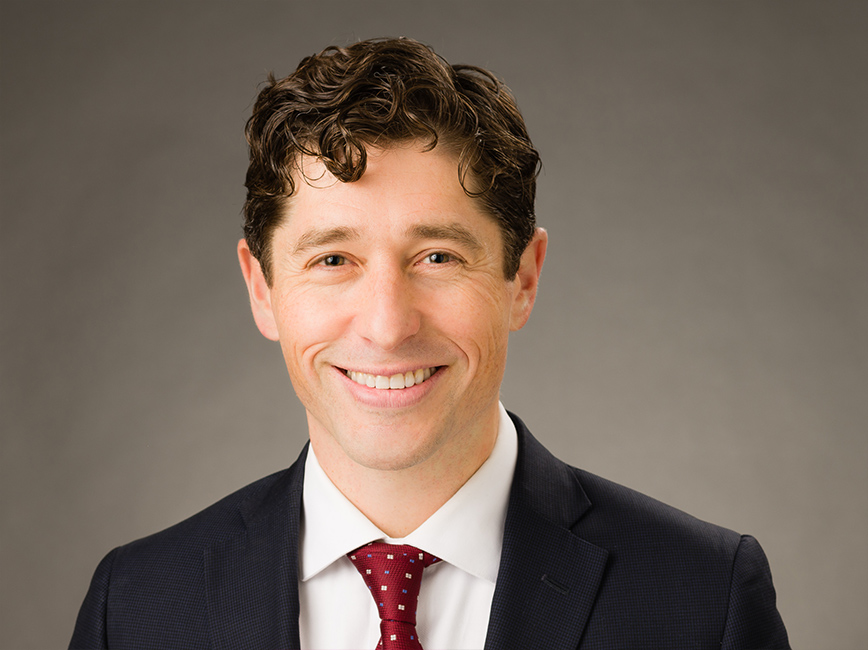
As of the current political landscape, the Mayor of Minneapolis is Jacob Frey. Elected in 2017, Frey has served as the city’s chief executive, navigating a period marked by significant social, economic, and political developments. His tenure has been characterized by a focus on issues such as affordable housing, public safety reform, and economic opportunity, all while responding to emergent challenges facing urban centers nationwide.
Jacob Frey’s Background and Vision
Jacob Frey’s political career began in the Minnesota House of Representatives, where he represented a Minneapolis district. Prior to his time in the legislature, Frey worked as an attorney and was involved in various community advocacy efforts. This background has informed his approach to governance, often emphasizing a commitment to progressive policies and community-driven solutions.
His vision for Minneapolis often centers on building a more equitable and inclusive city. Key policy areas he has championed include investing in affordable housing initiatives, addressing climate change through sustainable development practices, and working to reform policing and improve public safety for all residents. Frey has also focused on fostering economic growth and creating pathways to prosperity for diverse communities within the city. His administration has sought to balance the needs of a growing urban population with the imperative of ensuring that all residents have the opportunity to thrive.
Key Initiatives and Challenges During His Tenure
During Mayor Frey’s time in office, Minneapolis has faced a range of significant challenges and undertaken several key initiatives. The city has continued to grapple with the complex issue of police reform, a matter that has taken center stage nationally and locally, particularly in the wake of significant events. Frey’s administration has been actively involved in exploring and implementing changes aimed at improving accountability, transparency, and community relations within the Minneapolis Police Department.
Another major focus has been on addressing the affordable housing crisis. Minneapolis, like many major cities, has experienced rising housing costs, making it increasingly difficult for many residents to find and maintain affordable homes. The mayor’s office has been involved in developing and supporting initiatives designed to increase the supply of affordable housing, provide rental assistance, and protect vulnerable populations from displacement.
Economic development and job creation remain central to the mayoral agenda. This includes efforts to support small businesses, attract new investment, and ensure that economic opportunities are accessible to all communities. Simultaneously, the city continues to face the ongoing impact of broader economic trends, including inflation, labor market shifts, and the need for robust infrastructure investment. Managing the city’s budget responsibly while investing in critical services and future growth remains a constant balancing act for the mayor’s office.
Engaging with the Mayor’s Office and City Hall
For residents and stakeholders of Minneapolis, understanding how to engage with the Mayor’s office and City Hall is crucial for effective civic participation. The mayor’s office is intended to be accessible, serving as a conduit for communication between the public and the city government.
How to Contact and Interact with the Mayor
Direct communication with the Mayor of Minneapolis and his staff is facilitated through various channels. The official city website typically provides contact information, including phone numbers and email addresses for the Mayor’s office. Residents can also reach out to schedule appointments, share concerns, or offer feedback on city policies and initiatives. Attending public forums, town hall meetings, or community events where the mayor is present offers another avenue for direct interaction.
Furthermore, the Mayor’s office often has a presence on social media platforms, which can be a way to stay informed about the mayor’s activities and to offer comments or questions. For more formal communication or to submit official testimony on proposed legislation, engaging with the Minneapolis City Council is also a vital component of the civic process.

The Role of Community Engagement and Advocacy
Effective governance in Minneapolis relies heavily on robust community engagement and active advocacy from its residents. The Mayor’s office and the City Council often seek public input on policy decisions, recognizing that the most effective solutions are those developed in collaboration with the communities they serve.
Community organizations, neighborhood associations, and individual citizens play a critical role in shaping the city’s future. By voicing concerns, advocating for specific needs, and participating in public hearings, residents can influence the direction of city policy. Advocacy efforts can range from advocating for improved local parks and public services to pushing for systemic changes in areas like housing, transportation, or public safety. The success of many mayoral initiatives often depends on the willingness of the community to engage, support, and collaborate with the city administration. This active participation ensures that Minneapolis remains a responsive and dynamic city, governed with the input of its diverse population.
LifeOutOfTheBox is a participant in the Amazon Services LLC Associates Program, an affiliate advertising program designed to provide a means for sites to earn advertising fees by advertising and linking to Amazon.com. Amazon, the Amazon logo, AmazonSupply, and the AmazonSupply logo are trademarks of Amazon.com, Inc. or its affiliates. As an Amazon Associate we earn affiliate commissions from qualifying purchases.