
The Mississippi River, a titan of the North American continent, evokes images of Mark Twain’s adventures, steamboats gliding along its vast expanse, and the rich tapestry of cultures that have flourished along its banks. Its sheer scale and undeniable presence have captured the imagination for centuries. But beyond the romantic notions and historical significance, a fundamental question about this iconic waterway persists: does the Mississippi River flow north? This seemingly simple inquiry delves into the fascinating geography of the United States and the powerful forces that shape its natural landscapes.
The Great Unraveling: Understanding River Dynamics
To answer the question of the Mississippi’s direction, we must first understand the fundamental principles governing river flow. Rivers, at their core, are gravity-driven systems. Water always seeks the lowest point, flowing downhill from higher elevations to lower ones. This downhill movement is dictated by the landscape, the gradients of the land, and the ultimate destination of the water, which is typically a larger body of water like a lake, sea, or ocean.

Elevation as the Driving Force
The concept of elevation is paramount. Rivers originate in areas of higher ground, often in mountains or highlands, and meander their way towards sea level. The cumulative effect of countless tiny slopes along the riverbed creates a continuous downward pull for the water. Imagine a massive, invisible hand guiding the river’s journey; that hand is gravity, and the path it follows is etched by the land’s topography.
Watersheds and Drainage Basins
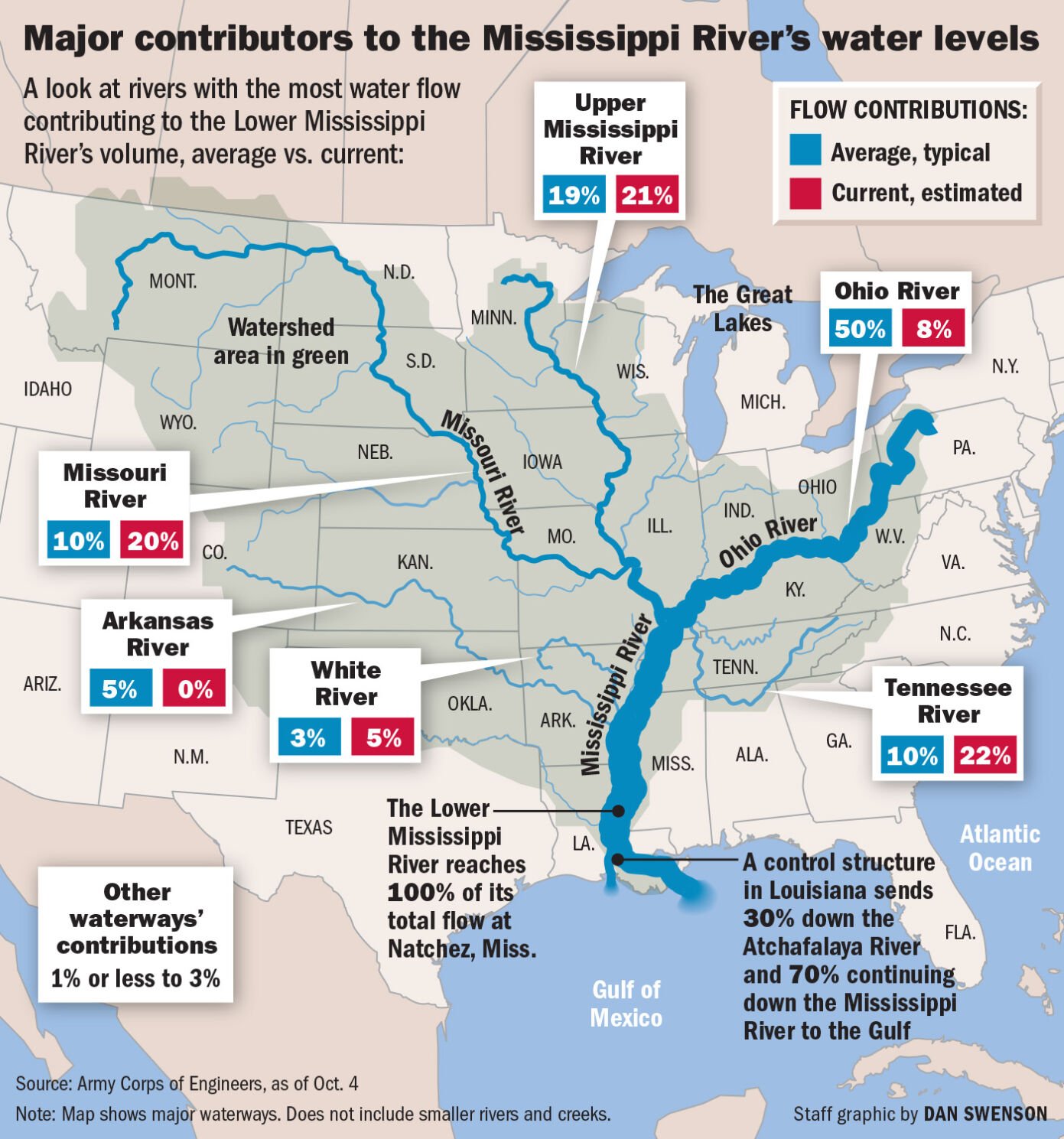
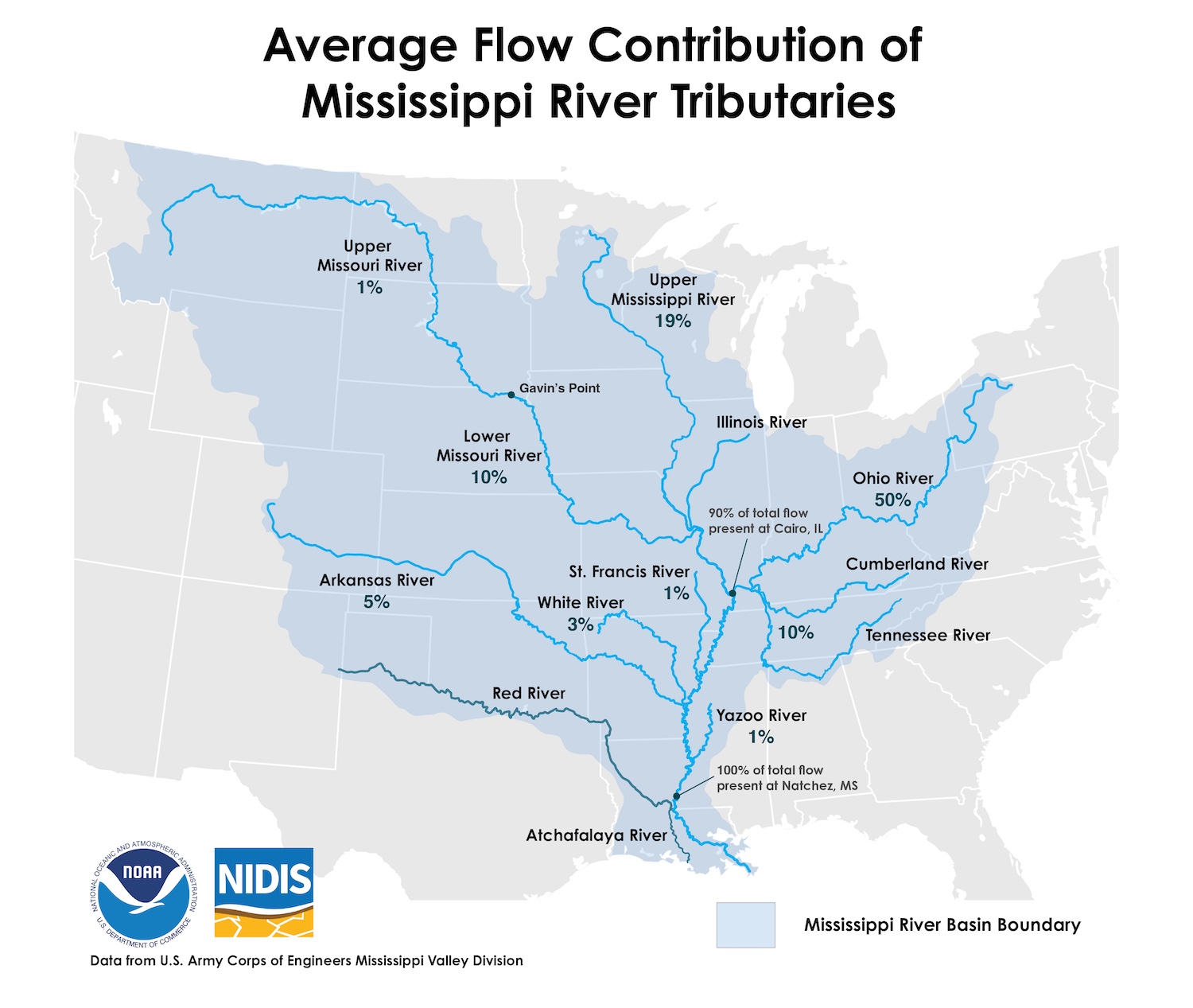
Rivers do not exist in isolation. They are part of intricate networks known as watersheds or drainage basins. A watershed is an area of land where all of the precipitation that falls on it drains into a common river, lake, or ocean. The Mississippi River system is a prime example of a colossal watershed, the largest in North America, encompassing a significant portion of the continental United States. Within this vast basin, countless tributaries and smaller rivers feed into the main channel, all contributing to the overall flow towards a single, massive outlet.
The Ultimate Destination: The Gulf of Mexico
The Mississippi River’s journey begins in the relatively elevated terrain of northern Minnesota, specifically at Lake Itasca, a small, picturesque lake. From this source, the river embarks on a southward trajectory, traversing thousands of miles through a diverse array of landscapes and states, including Wisconsin, Iowa, Illinois, Missouri, Kentucky, Tennessee, Arkansas, Mississippi, and Louisiana. Its ultimate destination is the Gulf of Mexico, a vast body of saltwater located south of the continental landmass.
The Southward Saga: Tracing the Mississippi’s Path
The notion of the Mississippi River flowing north is a common misconception, perhaps stemming from its origin in the northern United States. However, a clear understanding of its geographical journey reveals a consistent southward flow.
From Headwaters to the Delta
The headwaters of the Mississippi, situated in the northern reaches of the United States, are at a higher elevation than the Gulf of Mexico. As the river gains volume from its many tributaries, it carves its path through the heartland of the continent. Along its course, it passes iconic cities like Minneapolis and St. Louis, continuing its inexorable march southward.
The Role of Topography
The topography of the United States plays a crucial role in determining the Mississippi’s direction. The continent’s major landforms, including the Rocky Mountains to the west and the Appalachian Mountains to the east, create a general downward slope towards the south and southeast. The Mississippi River system is strategically positioned within this overarching topographical framework, channeling water from the higher northern elevations towards the lower southern sea level.
The Mighty Delta: A Grand Finale
As the Mississippi approaches its end, it dramatically fans out to form a vast delta in Louisiana. This sprawling network of distributaries, marshes, and wetlands is a testament to the immense volume of sediment the river carries and deposits over millennia. The delta itself is a landscape in constant flux, shaped by the river’s ceaseless flow and the forces of the Atlantic Ocean.
Debunking the Northward Myth: Causes and Context
The persistent idea of a northward-flowing Mississippi River is a geographical fallacy. Several factors might contribute to this misunderstanding.
Misinterpreting “North” Origin
One potential source of confusion is the river’s starting point in Minnesota, a state located in the northern part of the United States. Without a comprehensive understanding of the continent’s overall elevation gradient, it’s easy to assume that a river originating in the “north” might flow in that direction. However, the crucial factor is not the absolute location on a map but the relative elevation of the source compared to the mouth.
The Missouri River Confluence: A Complex Flow
A more nuanced point of confusion might arise when considering the confluence of the Mississippi River with the Missouri River. The Missouri River is longer and carries a greater volume of water than the upper Mississippi. Where these two mighty rivers meet near St. Louis, the combined river system continues its southward flow. While the Missouri River itself originates in the west and flows generally eastward before its confluence, the combined entity that is the lower Mississippi River unequivocally flows south. Geographers and hydrologists often refer to the combined river as the Mississippi-Missouri-Jefferson river system, highlighting its complex tributary structure.
Early Cartography and Regional Perceptions
In the early days of exploration and cartography, detailed topographical maps were not as readily available as they are today. Early settlers and explorers, relying on local observations and regional knowledge, might not have had a complete understanding of the river’s entire course and its ultimate destination. Perceptions could have been localized, focusing on the river’s behavior within a specific region rather than its continental journey.
The Mississippi: A Defining Feature of American Geography
Regardless of the direction of its flow, the Mississippi River remains one of the most significant geographical features of the United States. Its impact on the nation’s history, economy, and culture is immeasurable.
Economic Artery
The Mississippi River serves as a vital transportation artery, facilitating the movement of goods and resources across the country. Barges carrying agricultural products, raw materials, and manufactured goods traverse its waters, connecting inland production centers to domestic and international markets via the Gulf of Mexico. Its navigability has been crucial for the development and prosperity of numerous cities along its course, from New Orleans to Memphis.
Ecological Significance
Beyond its economic importance, the Mississippi River basin is an ecological powerhouse, supporting a vast array of plant and animal life. The river’s floodplains, wetlands, and deltas provide critical habitats for migratory birds, fish, and numerous other species. Its health is intrinsically linked to the health of the surrounding ecosystems, making conservation efforts along its banks a priority for environmental stewardship.
Cultural Icon
The Mississippi River has deeply embedded itself in the American cultural consciousness. It has been immortalized in literature, music, and art, serving as a backdrop for tales of adventure, hardship, and resilience. From the blues music that echoes along its banks to the historical narratives of its exploration and settlement, the river is a powerful symbol of the American experience.
In conclusion, while the Mississippi River originates in the northern United States, its powerful, gravity-driven flow unequivocally carries its waters southward towards the Gulf of Mexico. This southward journey, spanning thousands of miles, defines its role as a vital economic, ecological, and cultural force within the United States and beyond.
LifeOutOfTheBox is a participant in the Amazon Services LLC Associates Program, an affiliate advertising program designed to provide a means for sites to earn advertising fees by advertising and linking to Amazon.com. Amazon, the Amazon logo, AmazonSupply, and the AmazonSupply logo are trademarks of Amazon.com, Inc. or its affiliates. As an Amazon Associate we earn affiliate commissions from qualifying purchases.