
The allure of the Mississippi Pot Roast lies in its deceptive simplicity and its undeniably rich, comforting flavor. This classic dish, often associated with Southern comfort food, is a testament to how a few well-chosen ingredients can transform a humble cut of beef into a culinary masterpiece. While its preparation is straightforward, mastering the cooking time in a crock pot is key to achieving that melt-in-your-mouth tenderness that defines this iconic dish. This guide delves into the nuances of crock pot cooking for Mississippi Pot Roast, ensuring your culinary adventure results in a delicious success every time.

Understanding the Crock Pot and Its Impact on Cooking Time
The crock pot, also known as a slow cooker, is a kitchen appliance that gently simmers food at a low temperature over an extended period. This moist, low-and-slow cooking method is ideal for tenderizing tougher cuts of meat, such as the chuck roast commonly used for Mississippi Pot Roast. The sustained heat and enclosed environment of the crock pot allow the connective tissues in the meat to break down, transforming them into gelatin, which contributes to the succulent texture and rich gravy.
The cooking time in a crock pot is influenced by several factors, primarily the two temperature settings: “Low” and “High.”
The Low Setting: Patience for Perfection
Cooking on the “Low” setting is the hallmark of slow cooking. It typically operates at a temperature around 200°F (93°C). While it takes longer, this gentle heat allows for maximum tenderization and flavor development. For a Mississippi Pot Roast, cooking on “Low” is often the preferred method for achieving the most fork-tender results.
- Typical Time Range: When using the “Low” setting, expect your Mississippi Pot Roast to cook for approximately 8 to 10 hours. This extended duration is crucial for breaking down the collagen in the chuck roast, resulting in a supremely tender and flavorful outcome.
- Benefits of Low and Slow: This longer cooking time allows the flavors of the butter, ranch seasoning, and Au Jus gravy mix to fully permeate the meat. It also contributes to a richer, more deeply flavored gravy.
- When to Choose Low: If you have the flexibility in your schedule, the “Low” setting is ideal for weekend meals or when you can start the crock pot in the morning and have dinner ready by the evening without constant monitoring.
The High Setting: A Faster, Still Delicious Option
The “High” setting on a crock pot operates at a higher temperature, typically around 300°F (149°C). While it significantly reduces cooking time, it can sometimes result in a slightly less tender texture compared to the “Low” setting if not managed carefully. However, for busy weeknights, the “High” setting can still produce a delicious and satisfying Mississippi Pot Roast.
- Typical Time Range: When opting for the “High” setting, your Mississippi Pot Roast will generally be ready in 4 to 6 hours. It’s important to monitor the roast more closely on this setting to prevent overcooking, which can lead to dry or stringy meat.
- Tips for High Setting: Ensure your crock pot is at least half to two-thirds full. Avoid lifting the lid frequently, as each time you do, you lose significant heat, prolonging the cooking process.
- When to Choose High: This setting is perfect for those times when you need a comforting meal but have a shorter window for preparation, such as after a workday.
Factors Influencing Your Mississippi Pot Roast Cooking Time
Beyond the “Low” vs. “High” setting, several other variables can influence how long your Mississippi Pot Roast will take to cook to perfection. Understanding these can help you adjust your cooking schedule and achieve optimal results.
The Cut and Size of the Roast
The type and size of the chuck roast you use play a significant role.
- Weight: A larger roast will naturally take longer to cook than a smaller one. A standard 3-4 pound chuck roast is common for most recipes. If your roast is significantly larger or smaller, adjust the cooking time accordingly. For every extra pound, you might need to add an extra hour on “Low.”
- Thickness and Shape: A thicker, more compact roast will require more time to cook through than a flatter, more spread-out piece of meat.
- Marbling: A well-marbled chuck roast, meaning it has good flecks of fat throughout, will cook more evenly and remain more moist, potentially affecting the precise cooking time.
Your Crock Pot’s Performance
Not all crock pots are created equal. The calibration and heating elements can vary between brands and even between individual units.
- Older Models: Older crock pots may run hotter or cooler than newer models.
- Newer Models: Some modern crock pots have more precise temperature controls, while others might have variations in how they distribute heat.
- Personal Experience: The best way to understand your crock pot is through experience. Keep notes on cooking times for your favorite recipes to fine-tune your approach.
The Volume of Ingredients
While the roast is the primary component, the volume of other ingredients in the crock pot can also have a minor impact. A crock pot filled to two-thirds capacity will generally cook more efficiently than one that is only sparsely filled. Ensure the liquid ingredients (broth or water, if used) are sufficient to create steam and maintain a moist cooking environment.
Altitude
For those cooking at higher altitudes, it’s important to note that water boils at a lower temperature. This can slightly affect slow cooking times. While the impact on a crock pot is less pronounced than with stovetop or oven cooking, you might find that your roast requires a little extra time to reach the desired tenderness.
Signs of a Perfectly Cooked Mississippi Pot Roast
The ultimate test for your Mississippi Pot Roast isn’t just the clock; it’s the texture and the way the meat behaves.
The Fork-Tender Test
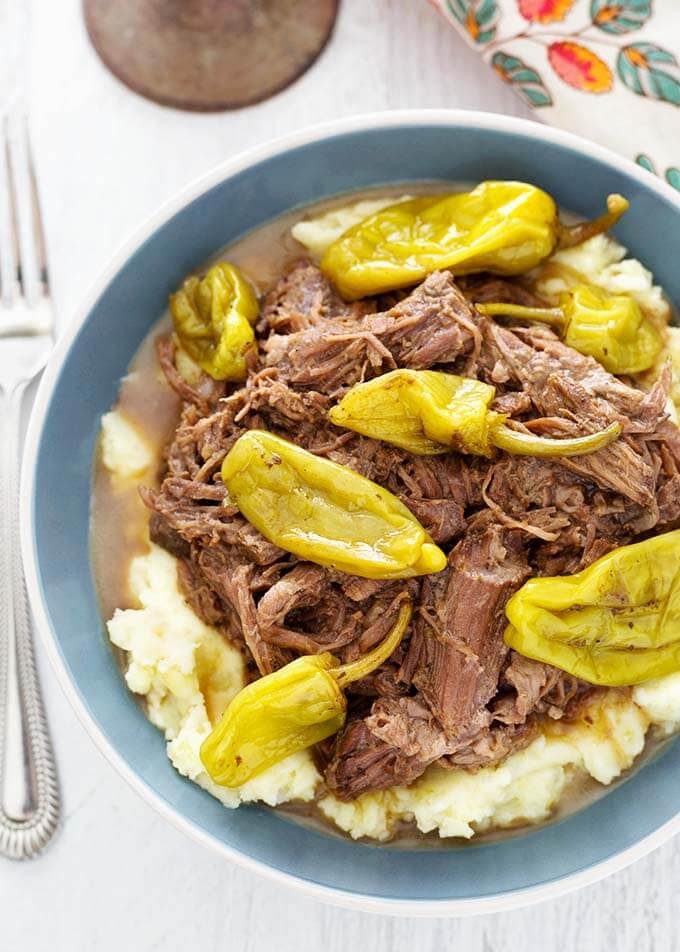
The most definitive sign that your roast is ready is its tenderness. When you attempt to pull the roast apart with two forks, it should shred easily with very little resistance. The meat should practically fall apart. If you find yourself having to saw or tug at it, it needs more time.
- Internal Temperature: For those who prefer to use a thermometer, the internal temperature of the roast should reach at least 190°F (88°C) for easily shreddable meat. For a truly fall-apart tender roast, aim for temperatures between 195°F and 205°F (90°C – 96°C).
- Visual Cues: The roast should appear moist and slightly shrunken from its original size. The edges may begin to fray naturally.
The Gravy Consistency
The gravy created by the rendered juices, butter, and seasoning mixes is an integral part of the Mississippi Pot Roast experience. Once the roast has reached optimal tenderness, you can remove it from the crock pot to shred.
- Simmering for Thickness: If the gravy seems too thin, you can carefully transfer it to a saucepan and simmer it on the stovetop to reduce and thicken. Alternatively, you can create a slurry with cornstarch or flour and a little water and whisk it into the simmering gravy.
- Flavor Check: Taste the gravy and adjust seasonings if necessary. The combination of ranch seasoning and Au Jus gravy mix typically provides a savory base, but personal preferences may vary.

Serving Your Perfected Mississippi Pot Roast
Once your Mississippi Pot Roast has achieved peak tenderness, it’s time to enjoy the fruits of your patient cooking. The shredded meat, bathed in its rich, savory gravy, is incredibly versatile.
- Classic Accompaniments: Traditionally, Mississippi Pot Roast is served over creamy mashed potatoes. The fluffy potatoes are the perfect vehicle for soaking up every last drop of that delicious gravy. Other popular sides include egg noodles, rice, or a simple side of steamed vegetables like green beans or corn.
- Sandwich Potential: The tender, shredded meat is also fantastic in sandwiches. Pile it high on buttered buns for a hearty and satisfying meal.
- Freezing and Reheating: Leftovers of Mississippi Pot Roast freeze exceptionally well. Allow the dish to cool completely before transferring it to airtight containers. Reheat gently on the stovetop or in the crock pot on a low setting to preserve the texture and moisture.
By understanding the fundamental principles of crock pot cooking and paying attention to the specific needs of your Mississippi Pot Roast, you can consistently achieve a dish that embodies comfort and culinary excellence. Whether you opt for the leisurely pace of the “Low” setting or the efficiency of the “High” setting, the result is a remarkably flavorful and tender roast that will become a beloved staple in your recipe repertoire.
LifeOutOfTheBox is a participant in the Amazon Services LLC Associates Program, an affiliate advertising program designed to provide a means for sites to earn advertising fees by advertising and linking to Amazon.com. Amazon, the Amazon logo, AmazonSupply, and the AmazonSupply logo are trademarks of Amazon.com, Inc. or its affiliates. As an Amazon Associate we earn affiliate commissions from qualifying purchases.