
The Mississippi River, a monumental artery of the United States, carves a path through the heartland of the nation, shaping landscapes, economies, and cultures for centuries. Its vast watershed, encompassing a significant portion of the country, makes it a subject of immense interest for travelers, historians, and nature enthusiasts alike. Understanding the geographical extent of its journey, particularly the number of states it traverses, offers a crucial lens through which to appreciate its significance as a natural landmark and a vital element of the American tapestry. This exploration delves into the precise geographical footprint of the Mississippi, detailing each state it touches and highlighting the unique characteristics each contributes to the river’s grand narrative.

Tracing the Mississippi’s Path: A State-by-State Journey
The Mississippi River is a testament to the sheer scale and diversity of the American continent. Its course, from its humble beginnings to its sprawling delta, touches a remarkable number of states, each offering distinct perspectives on this iconic waterway.
The Headwaters and Early States
The journey of the Mississippi River begins in the pristine wilderness of northern Minnesota.
Lake Itasca: The Birthplace
The official source of the Mississippi River is Lake Itasca, a picturesque lake nestled within Itasca State Park. Here, the river is a mere trickle, a nascent stream that gradually gathers strength as it flows southward. Early visitors to this serene location can even walk across the river at its very beginning, a symbolic act of connecting with the mighty river’s origin.
Wisconsin and the Driftless Area
As the river continues its descent, it forms a significant portion of the border between Minnesota and Wisconsin. This stretch is notable for the unique geological region known as the Driftless Area, which was largely spared from the glacial scouring that shaped much of the Upper Midwest. The resulting topography is characterized by steep bluffs, deep valleys, and rolling hills, creating a dramatic and visually striking landscape along the riverbanks.
Iowa and the Upper Midwest’s Industrial Heart
The Mississippi River then forms the border between Wisconsin and Iowa. This region marks a transition into the agricultural heartland of the United States. Cities like Dubuque and Davenport along the Iowa side represent a blend of historical riverfront charm and modern industrial activity, reflecting the river’s enduring role in commerce.
Illinois: Gateway to the Midwest
Flowing along the eastern border of Iowa, the Mississippi River then marks the western edge of Illinois. This stretch is perhaps most famously associated with the historic city of St. Louis, although St. Louis itself is situated in Missouri, directly across the river from Illinois. The confluence with the powerful Missouri River, just north of St. Louis, marks a significant point where the river’s volume and character dramatically increase.
The Mighty Mississippi’s Mid-Section
As the river continues its southward journey, it encounters states with diverse landscapes and historical narratives, solidifying its position as a central geographical feature.
Missouri: The Gateway Arch and Beyond
The Mississippi River forms the eastern border of Missouri. The iconic Gateway Arch in St. Louis stands as a monumental tribute to the westward expansion that the river facilitated. Further south, the river continues its gentle flow through rolling hills and agricultural lands, influencing the state’s historical development as a gateway to the West.
Kentucky and the Land Between the Rivers
The Mississippi River meets the Ohio River in a significant confluence that marks the boundary between Illinois, Kentucky, and Missouri. From this point, the Mississippi River forms the western border of Kentucky. This region, often referred to as the “Land Between the Rivers,” is characterized by fertile floodplains and a rich history of agricultural settlement, with the river providing vital transportation and irrigation.
Tennessee’s Western Edge
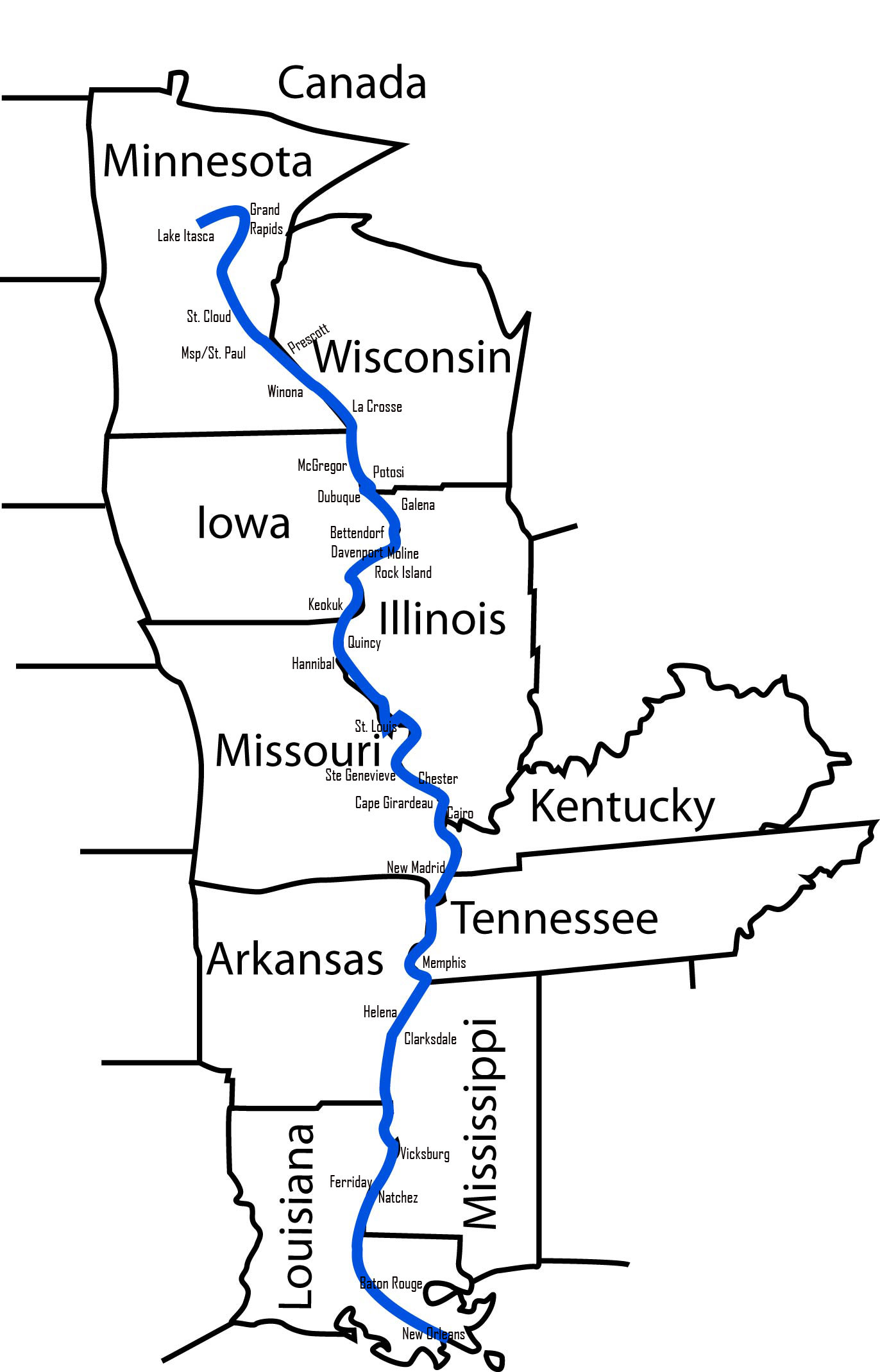
The Mississippi River continues its southward course, forming the western border of Tennessee. Cities like Memphis, a vibrant hub of music and culture, are inextricably linked to the river’s presence. The riverfront in Memphis offers stunning views and a tangible connection to the historical significance of river trade and transportation.
Arkansas: The Delta’s Embrace
As the river moves further south, it begins to define the eastern border of Arkansas. This region is part of the vast Mississippi Delta, an area renowned for its fertile soil, rich agricultural output, and a profound cultural heritage deeply intertwined with the blues music tradition and the history of the Civil Rights movement.
The Southern Expanse and the Delta
The final states in the Mississippi River’s journey showcase its immense power and the ecological richness of its deltaic region.
Mississippi: The River’s Namesake
It is perhaps fitting that the Mississippi River flows along the western border of the state that bears its name: Mississippi. This stretch of the river is where its character is most profoundly felt, from the historic port city of Vicksburg, a pivotal site during the Civil War, to the agricultural plains that define much of the state’s economy. The river’s influence on Mississippi’s identity, culture, and history is undeniable.
Louisiana: The Deltaic Finale
The final destination for the Mississippi River is the state of Louisiana. Here, the river dramatically fans out into its vast delta, a complex network of distributaries, bayous, and wetlands that eventually merge with the Gulf of Mexico. The iconic city of New Orleans, a global center of music, cuisine, and unique cultural traditions, is situated at the very mouth of the river, a testament to its vital role in shaping this vibrant region. The delta itself is a globally significant ecological zone, teeming with diverse wildlife and facing the ongoing challenges of coastal erosion and rising sea levels.
The Count: Ten States of Influence
In total, the Mississippi River, from its source in Minnesota to its delta in Louisiana, flows through or forms a border with ten states. These states, in order from north to south, are:
- Minnesota
- Wisconsin
- Iowa
- Illinois
- Missouri
- Kentucky
- Tennessee
- Arkansas
- Mississippi
- Louisiana
This extensive reach underscores the Mississippi River’s profound impact on the geography, history, and culture of the United States.
Experiencing the Mississippi: A Journey Through Its States
The journey along the Mississippi River is not merely a geographical expedition; it is an immersive cultural and historical experience. Each state offers unique perspectives and attractions for travelers seeking to connect with this iconic waterway.
Northern States: Wilderness and Early American Life
In Minnesota, the focus is on the pristine natural beauty of the river’s headwaters. Itasca State Park offers hiking, camping, and the chance to witness the nascent stages of the river. As one moves south into Wisconsin and Iowa, the landscape shifts to rolling hills and charming river towns like Galena, Illinois, and Pepin, Wisconsin, which evoke the era of steamboat travel. The National Mississippi River Museum & Aquarium in Dubuque, Iowa, provides an excellent overview of the river’s ecological and historical significance.
The Heartland: Commerce, Culture, and History
The middle section of the river, flowing through Illinois, Missouri, Kentucky, and Tennessee, is rich in historical landmarks and vibrant cultural centers. St. Louis, with its magnificent Gateway Arch, symbolizes the westward expansion that the river facilitated. Memphis, Tennessee, offers a deep dive into the history of blues music and civil rights, with attractions like Graceland and the National Civil Rights Museum. Riverboat cruises on the Delta Queen or similar vessels provide a nostalgic way to experience the river’s grandeur and the charm of its port cities.
The Southern Delta: Ecology and Enduring Traditions
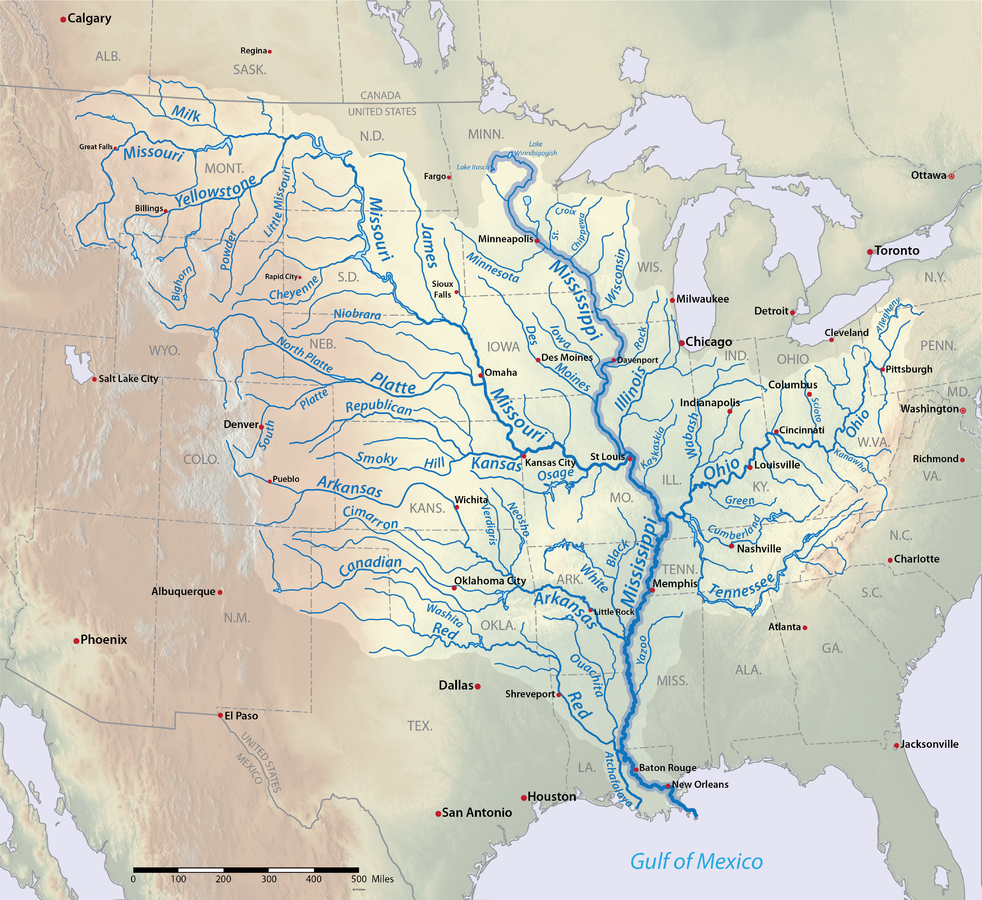
In Arkansas, Mississippi, and Louisiana, the Mississippi River transforms into a vast delta, a landscape of immense ecological importance and rich cultural heritage. The Mississippi Delta region is the birthplace of the blues and offers a unique glimpse into Southern culture. Visiting historic plantations, experiencing the vibrant culinary scene of New Orleans, and exploring the complex bayou ecosystems are essential experiences for any traveler. The Vicksburg National Military Park in Mississippi provides crucial historical context for the river’s role in the Civil War.
The Mississippi River is more than just a waterway; it is a living entity that connects diverse landscapes, vibrant cultures, and centuries of American history. Understanding the ten states it touches is the first step in appreciating its monumental significance as a natural landmark and a cornerstone of the nation’s identity.
LifeOutOfTheBox is a participant in the Amazon Services LLC Associates Program, an affiliate advertising program designed to provide a means for sites to earn advertising fees by advertising and linking to Amazon.com. Amazon, the Amazon logo, AmazonSupply, and the AmazonSupply logo are trademarks of Amazon.com, Inc. or its affiliates. As an Amazon Associate we earn affiliate commissions from qualifying purchases.