
Understanding the legal ramifications of unpaid child support in Mississippi is crucial for custodial and non-custodial parents alike. While the focus is often on the financial obligations, the potential for criminal charges adds a significant layer of seriousness. This article delves into the specific thresholds and circumstances under which accumulating back child support can be classified as a felony offense in Mississippi, examining the relevant statutes and the legal process involved.
Understanding Mississippi’s Child Support Laws
Mississippi‘s approach to child support is rooted in ensuring the financial well-being of children. The Mississippi Department of Human Services (DHS) plays a central role in establishing, enforcing, and modifying child support orders. These orders are legally binding and are designed to provide a consistent financial contribution from both parents towards the child’s upbringing.
Establishment of Child Support Orders
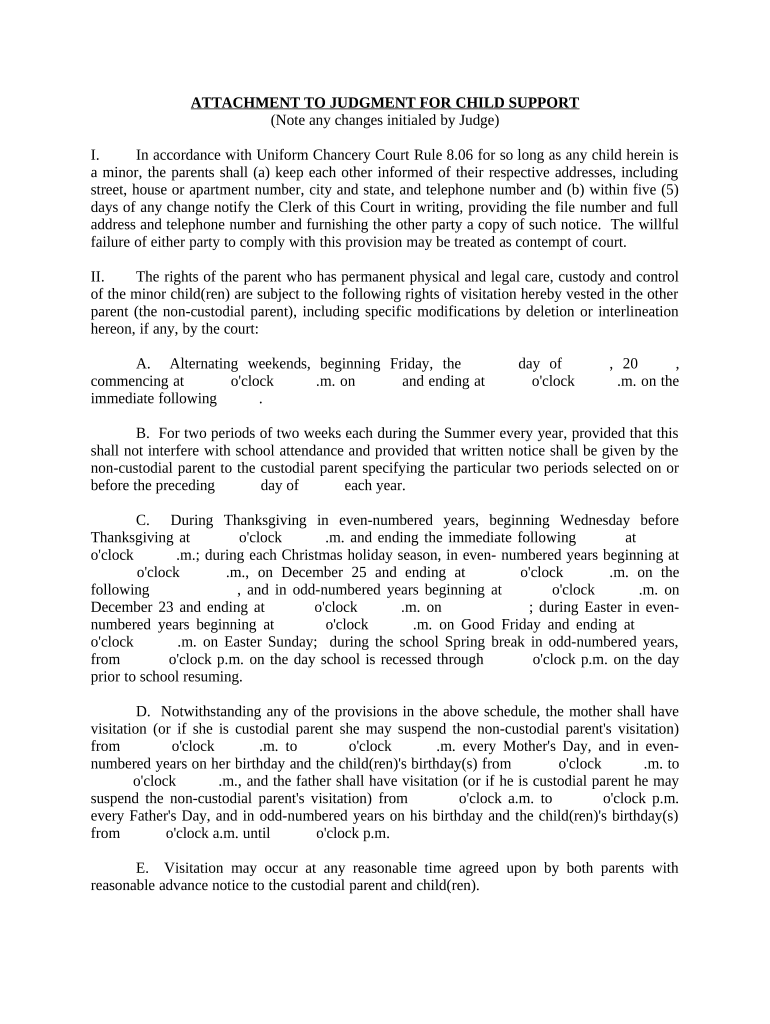
Child support is typically established through a court order, often as part of a divorce, separation, or paternity case. The amount is usually determined based on state guidelines, considering factors such as parental income, the number of children, and healthcare and childcare expenses. Once an order is in place, it is enforceable by law.
Enforcement Mechanisms
When a non-custodial parent fails to meet their child support obligations, Mississippi offers a range of enforcement mechanisms. These can include:
- Income Withholding: A portion of the non-custodial parent’s wages or other income is directly sent to the custodial parent or the state disbursement unit.
- Tax Refund Intercept: Federal and state tax refunds can be intercepted to satisfy past-due child support.
- License Suspension: Driver’s licenses, professional licenses, and recreational licenses can be suspended.
- Passport Denial: U.S. passports can be denied for individuals with significant child support arrears.
- Liens on Property: Liens can be placed on real estate or other assets owned by the non-custodial parent.
- Contempt of Court: Failure to comply with a child support order can result in fines or jail time.
The Transition to Criminal Charges
While the aforementioned measures are primarily civil in nature, repeated or willful non-payment can escalate to criminal charges. This is where the concept of back child support becoming a felony comes into play. Mississippi law distinguishes between civil and criminal enforcement, with the latter carrying more severe penalties, including imprisonment.
Felony Thresholds for Back Child Support in Mississippi
The classification of unpaid child support as a felony in Mississippi is not solely based on a single dollar amount. Instead, it typically hinges on the concept of willful and continuous neglect to pay support as ordered by the court, often over a specified period or to a substantial degree.
Mississippi Code Annotated Section 97-5-1
The primary statute addressing the criminal aspect of child support non-payment is found in the Mississippi Code Annotated Section 97-5-1. This section, often referred to as the “Desertion and Non-Support of Children” law, outlines the criminal offense of neglecting to provide necessary food, clothing, shelter, or medical attention for a child.
Crucially, while the statute doesn’t explicitly state a dollar amount that automatically triggers a felony, it focuses on the intent and ability of the parent to pay. A parent who has the means to pay but willfully refuses to do so, leading to a significant accumulation of arrears, is more likely to face criminal charges.
Key Factors Considered by Courts
When determining whether to pursue criminal charges, and subsequently whether the offense rises to the level of a felony, courts in Mississippi consider several factors:
- Willful Non-Payment: This is a critical element. The prosecution must prove that the non-custodial parent intentionally failed to pay child support, rather than being genuinely unable to do so due to circumstances beyond their control (e.g., severe unemployment without fault, disability).
- Ability to Pay: Evidence of the parent’s income, assets, and earning capacity is essential. If a parent has consistently earned income but has chosen not to pay child support, their intent is more easily established.
- Duration and Amount of Arrears: While not a strict threshold, the length of time support has been unpaid and the total amount of arrears are significant considerations. A prolonged period of non-payment, resulting in substantial debt, increases the likelihood of criminal prosecution.
- Impact on the Child: The court will also consider the detrimental effect that the lack of financial support has had on the child’s well-being.
Misdemeanor vs. Felony Distinction
In Mississippi, child neglect and non-support can be prosecuted as either a misdemeanor or a felony, depending on the severity and circumstances.
- Misdemeanor: A first offense or less severe instances of non-payment, especially if there’s some evidence of an attempt to comply or a lack of consistent willful intent, might be treated as a misdemeanor. Penalties can include fines and probation.
- Felony: Willful and continuous neglect to provide support, particularly when the arrears are substantial and the parent has demonstrably had the ability to pay, can lead to felony charges. A felony conviction carries more severe penalties, including significant fines and the potential for imprisonment for several years. The exact sentence depends on the specifics of the case and the discretion of the judge.
The Legal Process for Criminal Non-Support Charges
When allegations of criminal non-support arise in Mississippi, a formal legal process is initiated. This process ensures due process for the accused while pursuing justice for the child.
Investigation and Charges
The process typically begins with an investigation. This might be triggered by a complaint filed by the custodial parent, the Mississippi Department of Child Protective Services (CPS), or the District Attorney’s office. Law enforcement agencies may gather evidence of non-payment, including court orders, payment records, and evidence of the non-custodial parent’s financial status. If sufficient evidence of willful neglect is found, criminal charges can be filed.
Arraignment and Plea
Once charges are filed, the accused parent will be formally notified and brought before the court for an arraignment. At this stage, they will be informed of the charges and have the opportunity to enter a plea of guilty, not guilty, or no contest. If the parent pleads guilty, the court will proceed to sentencing.
Trial
If the accused pleads not guilty, the case will proceed to trial. During the trial, the prosecution will present evidence to prove beyond a reasonable doubt that the parent willfully failed to provide child support despite having the ability to do so. The defense will have the opportunity to present its case, arguing for their client’s innocence or mitigating circumstances.
Sentencing
If found guilty, the parent will be sentenced by the court. As mentioned, penalties for felony non-support can be severe and may include:
- Fines: Substantial monetary penalties.
- Probation: A period of supervised release with specific conditions.
- Restitution: Payment of the full amount of back child support, plus potentially future support obligations.
- Incarceration: Imprisonment, with the length of the sentence varying based on the severity of the offense and Mississippi‘s sentencing guidelines for felonies.
It is important to note that even after a conviction, the primary goal of the legal system remains ensuring that the child receives the financial support they are entitled to. Therefore, sentences often include provisions for continued payment of child support.
Seeking Legal Counsel and Resources
Navigating the complexities of child support laws, especially when criminal charges are a possibility, can be overwhelming. Both custodial and non-custodial parents facing such situations are strongly advised to seek professional legal assistance.
For Custodial Parents
If you are a custodial parent struggling to receive child support payments, it is essential to work through the official channels. Contacting the Mississippi Division of Child Support Enforcement is the first step. They can assist with enforcement actions. If criminal non-support is suspected, collaborating with the District Attorney’s office or seeking advice from a family law attorney is recommended.

For Non-Custodial Parents Facing Charges
If you are a non-custodial parent in Mississippi who is facing accusations of back child support, it is imperative to seek legal representation immediately. An experienced Mississippi family law attorney can:
- Explain your rights and obligations.
- Assess the validity of the charges.
- Negotiate with the prosecution.
- Represent you in court.
- Advise on potential defenses and mitigation strategies.
Ignoring legal proceedings related to child support can have severe and long-lasting consequences. Proactive engagement with the legal system and seeking expert advice are crucial for navigating these challenging situations. Understanding the legal landscape, including the specific thresholds for felony charges in Mississippi, empowers individuals to make informed decisions and protect their rights and responsibilities.
LifeOutOfTheBox is a participant in the Amazon Services LLC Associates Program, an affiliate advertising program designed to provide a means for sites to earn advertising fees by advertising and linking to Amazon.com. Amazon, the Amazon logo, AmazonSupply, and the AmazonSupply logo are trademarks of Amazon.com, Inc. or its affiliates. As an Amazon Associate we earn affiliate commissions from qualifying purchases.