
Navigating the roadways of the Magnolia State comes with a set of regulations designed to ensure safety for all travelers and residents. Among these are the speed limits, and exceeding them can result in a traffic citation, commonly known as a speeding ticket. For anyone driving through or residing in Mississippi, understanding the potential costs associated with a speeding ticket is crucial for budgeting and legal awareness. This guide delves into the typical fines, additional fees, and potential long-term consequences of a speeding ticket in Mississippi, providing a comprehensive overview for drivers.
Understanding Mississippi Speeding Ticket Fines
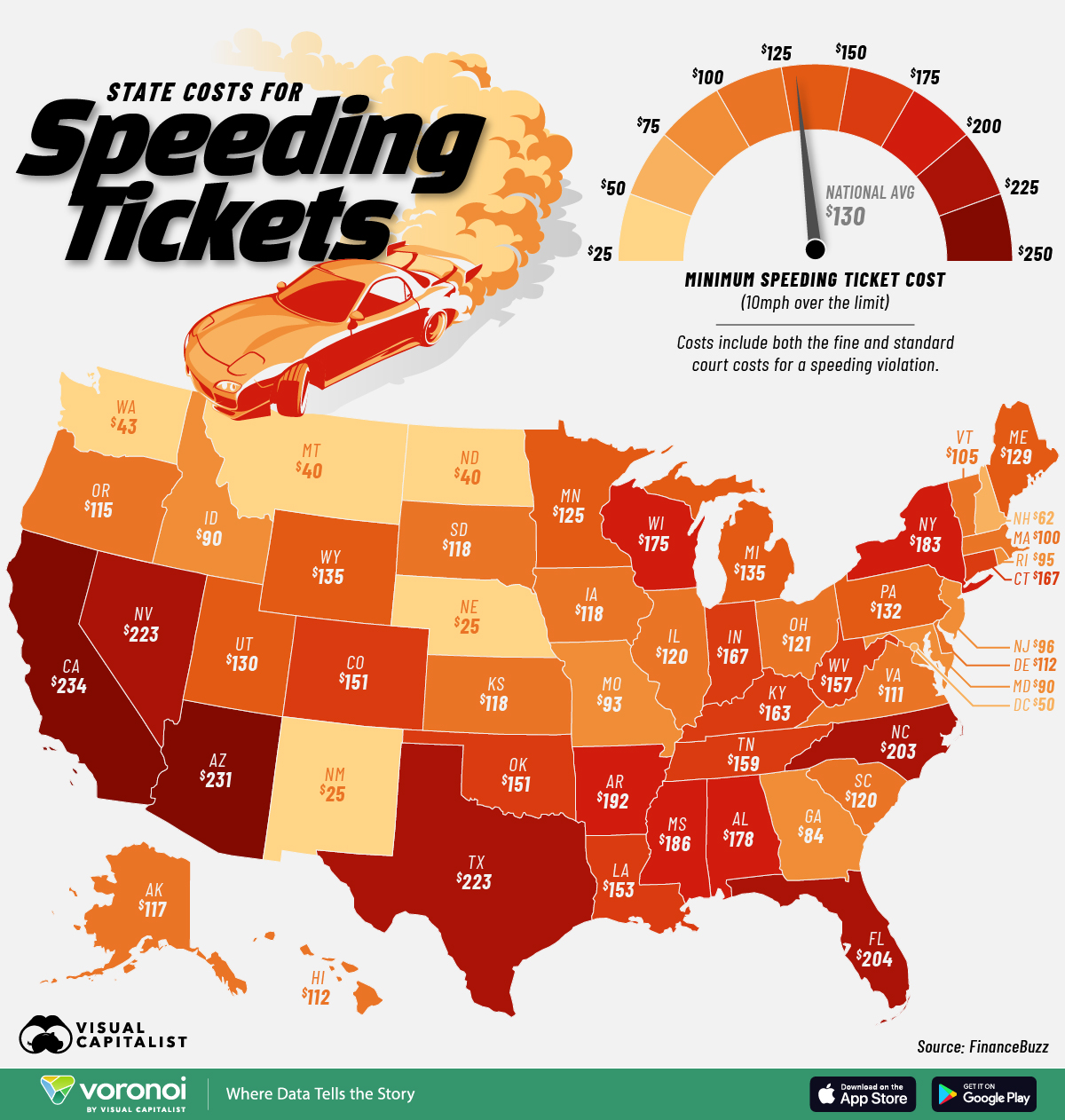
The cost of a speeding ticket in Mississippi is not a fixed, one-size-fits-all amount. Instead, it generally depends on several factors, including the severity of the speeding violation, the specific location where the ticket was issued, and whether it’s a first offense or a repeat offense. However, a baseline fine structure exists, which can be further amplified by various surcharges and court costs.
Base Fines for Speeding Violations
Mississippi law outlines a tiered system for base fines, often correlating with how far over the posted speed limit a driver was traveling. While exact figures can fluctuate slightly based on municipal ordinances in different cities like Jackson or Biloxi, a general guideline can be established.
For minor speeding infractions, typically not exceeding 10 miles per hour over the limit, the base fine might range from approximately $85 to $120. As the speed increases beyond this threshold, so does the base fine. For instance, exceeding the speed limit by 10-20 miles per hour could see the base fine escalate to the $120-$150 range. Violations of 20 miles per hour or more over the limit, or speeding in a school zone or construction zone, generally incur higher base fines and are considered more serious offenses. These could potentially start at $150 and increase significantly from there.
It’s important to note that these figures represent the base fine only. This amount is what directly compensates the state or municipality for the violation itself. However, the total cost of a ticket is rarely just the base fine.
Additional Fees and Surcharges
Beyond the base fine, several other fees and surcharges are often added to the total cost of a speeding ticket in Mississippi. These add-ons can substantially increase the final amount due.
- Court Costs: Every traffic citation processed through the court system incurs court costs. These are administrative fees to cover the expenses associated with handling the case, including court staff, record-keeping, and judicial proceedings. Court costs can range from $50 to over $100, depending on the county and the specific court handling the citation.
- State Surcharges: Mississippi implements various state surcharges that are added to traffic violations. These funds often go towards specific state programs, such as law enforcement training, highway safety initiatives, or the state’s general fund. These surcharges can add another $50 to $75 or more to the total bill.
- Local Municipal Fines: Individual cities and towns within Mississippi may also have their own local ordinances and associated fines that are applied on top of state penalties. This means a ticket issued within the city limits of Oxford could have a slightly different total cost than one issued on a state highway just outside the city.
- Administrative Fees: Sometimes, specific administrative fees are levied by the Department of Public Safety or other relevant agencies for processing the ticket and updating driving records.
When all these components are added together, a seemingly minor speeding ticket can quickly balloon from a base fine of around $100 to a total payment of $200, $300, or even more, especially for more serious offenses or when multiple surcharges apply.
Factors Influencing Ticket Cost
While the base fines provide a starting point, several critical factors can significantly alter the final cost of a speeding ticket in Mississippi. Understanding these variables can help drivers anticipate potential expenses and make informed decisions about how to handle a citation.
Severity of the Speeding Violation
The most significant factor influencing the fine is the degree to which the driver exceeded the posted speed limit. Most jurisdictions use a graduated fine system.
- Minor Infractions (1-9 mph over): These are generally the least expensive, with the lowest base fines and fewer additional surcharges.
- Moderate Infractions (10-19 mph over): The fines increase notably, and additional fees become more common.
- Serious Infractions (20+ mph over): These carry the highest fines and are often accompanied by mandatory court appearances and potentially more severe penalties. Speeding in designated zones, such as school zones (typically during specific hours) or construction zones where workers are present, can dramatically increase the fine, often doubling it or more, regardless of how far over the limit the driver was going. These zones are prioritized for safety, and violations are treated with increased seriousness.
Location of the Violation
The jurisdiction where the speeding ticket is issued plays a crucial role in determining the final cost.
- Municipal vs. County vs. State: Tickets issued by municipal police officers within city limits might adhere to local ordinances that differ from county sheriff’s deputies or state troopers patrolling state highways. Some cities may have higher base fines or more aggressive application of surcharges.
- High-Traffic Areas and Tourist Destinations: Areas with high traffic volume or popular tourist destinations like those along the Mississippi Gulf Coast or near attractions like the Vicksburg National Military Park might see stricter enforcement and potentially higher fines to manage traffic flow and safety.
Prior Driving Record
A driver’s history of traffic violations is a critical factor.
- First Offense: For a first-time offender with a clean driving record, a speeding ticket might be handled with a standard fine. In some cases, especially for minor violations, there might be options for diversion programs or deferred adjudication, which could lead to the ticket being dismissed after a period of good behavior, avoiding points on the license and increased insurance premiums.
- Repeat Offenses: If a driver has previous speeding tickets or other moving violations on their record, the fines for a new offense will likely be higher. The court may view repeat offenders as a greater risk and impose stricter penalties. Accumulating too many points on a driving record can also lead to license suspension.
Potential Consequences Beyond Fines
The financial cost of a speeding ticket in Mississippi is often the most immediate concern for drivers. However, it’s essential to consider the broader implications that extend beyond the payment of fines and fees. These consequences can have a lasting impact on a driver’s finances, driving privileges, and even personal convenience.
Impact on Auto Insurance Rates
One of the most significant long-term financial consequences of a speeding ticket is the potential increase in auto insurance premiums. Insurance companies view speeding tickets as an indicator of higher risk. A ticket typically leads to points being added to a driver’s record, and insurance companies use this information when calculating premiums.
- Rate Increases: Even a single speeding ticket can cause a noticeable increase in monthly or annual insurance payments. The amount of the increase varies significantly depending on the insurance provider, the driver’s age, their overall driving history, and the severity of the ticket. For drivers with multiple tickets or a history of accidents, the premium hikes can be substantial, potentially costing hundreds or even thousands of dollars over the next few years.
- Policy Non-Renewal or Cancellation: In cases of severe or repeated violations, an insurance company might deem the driver too high a risk. This could lead to the insurer choosing not to renew the policy at the end of its term or even canceling the policy outright. Finding new insurance after a cancellation can be more challenging and expensive.
Points on Driving Record and License Suspension
The Mississippi Department of Public Safety operates a points system for traffic violations. While the exact number of points for a speeding ticket can vary based on the speed over the limit, accumulating too many points can lead to serious consequences for a driver’s license.
- Point Accumulation: A typical speeding ticket might add 3-5 points to a driver’s record. These points remain on the driving record for a specified period, often several years.
- License Suspension: If a driver accumulates 15 or more points within a 12-month period, their driver’s license can be suspended in Mississippi. The length of the suspension typically increases with the number of points accumulated. A suspended license means a driver cannot legally operate a motor vehicle, leading to severe disruption in daily life, including commuting to work, taking children to school, or managing personal errands. Driving on a suspended license is a separate, serious offense that carries its own set of penalties, including hefty fines and potential jail time.
Court Appearances and Legal Fees
Depending on the severity of the speeding ticket and local regulations, drivers may be required to appear in court. This can be a time-consuming and inconvenient process.
- Mandatory Appearances: Tickets for excessive speeding (e.g., 20 mph or more over the limit), speeding in a school zone, or for drivers with prior offenses often necessitate a court appearance.
- Hiring Legal Counsel: For more serious violations, or if the driver wishes to contest the ticket, hiring a traffic attorney might be advisable. While this provides expert legal representation, it also adds a significant legal fee to the overall cost of the ticket. Attorneys can help navigate the legal system, negotiate plea bargains, or represent the driver in court to potentially reduce the fine, dismiss the charges, or mitigate the impact on the driving record.
Options for Handling a Speeding Ticket in Mississippi
When faced with a speeding ticket in Mississippi, drivers have several options for how to proceed. The best course of action often depends on the specific circumstances of the ticket, the driver’s record, and their personal priorities.
Paying the Fine
The simplest and most direct option is to pay the fine as instructed on the citation. This typically involves paying the total amount due by a specified deadline.
- Online, Mail, or In-Person Payment: Most jurisdictions in Mississippi allow for payment of traffic tickets through various methods, including online portals, mail, or in person at the courthouse or clerk’s office.
- Admission of Guilt: Paying the fine is generally considered an admission of guilt for the offense. This means the ticket will go on the driver’s record, and points will be assessed, potentially leading to increased insurance premiums.
Contesting the Ticket
Drivers have the right to contest a speeding ticket if they believe they were not at fault or if there were procedural errors in the issuance of the ticket.
- Plea of Not Guilty: To contest a ticket, a driver must typically enter a plea of “not guilty” by the appearance date indicated on the citation. This will usually result in a court date being scheduled.
- Preparing a Defense: A defense can be built around various arguments, such as challenging the accuracy of the radar or lidar equipment used for speed measurement, questioning the officer’s observation, or presenting evidence of a mechanical issue with the vehicle (though this is rarely successful for speeding).
- Court Appearance: Contesting a ticket usually requires at least one court appearance, and potentially more if the case is complex or requires expert testimony.
Seeking a Plea Bargain or Diversion Program
In some instances, especially for minor offenses or first-time offenders, there may be opportunities to negotiate a plea bargain or participate in a diversion program.
- Plea Bargain: A plea bargain might involve agreeing to plead guilty to a lesser offense (e.g., a non-moving violation) in exchange for a reduced fine or fewer points on the driving record. This often requires negotiation with the prosecutor or the officer.
- Diversion Programs: Many Mississippi counties and municipalities offer diversion programs for minor traffic violations. Successful completion of such a program—which might involve paying a fee, attending a defensive driving course, and maintaining a clean driving record for a set period—can result in the ticket being dismissed and no points being added to the driver’s record. This is often the most beneficial option for preserving one’s driving record and insurance rates.
Understanding the potential costs and consequences of a speeding ticket in Mississippi empowers drivers to make informed decisions and prioritize safe driving habits. While the fines themselves are a factor, the cascading effects on insurance and driving privileges underscore the importance of adhering to posted speed limits across the state’s scenic highways and bustling city streets.
LifeOutOfTheBox is a participant in the Amazon Services LLC Associates Program, an affiliate advertising program designed to provide a means for sites to earn advertising fees by advertising and linking to Amazon.com. Amazon, the Amazon logo, AmazonSupply, and the AmazonSupply logo are trademarks of Amazon.com, Inc. or its affiliates. As an Amazon Associate we earn affiliate commissions from qualifying purchases.