
Mississippi, a state steeped in Southern charm, rich history, and vibrant culture, occupies a unique geographical position within the United States. For travelers planning a journey to the Magnolia State, understanding its time zone is a practical detail that can significantly impact itineraries, from catching flights to booking accommodations and scheduling local activities. This exploration delves into Mississippi’s time zone designation, clarifying any potential confusion and offering insights relevant to those experiencing the state.
Understanding Time Zones in the United States
The contiguous United States is divided into six primary time zones: Eastern, Central, Mountain, Pacific, Alaska, and Hawaii–Aleutian. These zones are established based on longitude, with each zone generally representing a one-hour difference from its neighbor. The Eastern Time Zone (ET) is the easternmost, followed by the Central Time Zone (CT), Mountain Time Zone (MT), and Pacific Time Zone (PT). Alaska and Hawaii observe their own distinct time zones.
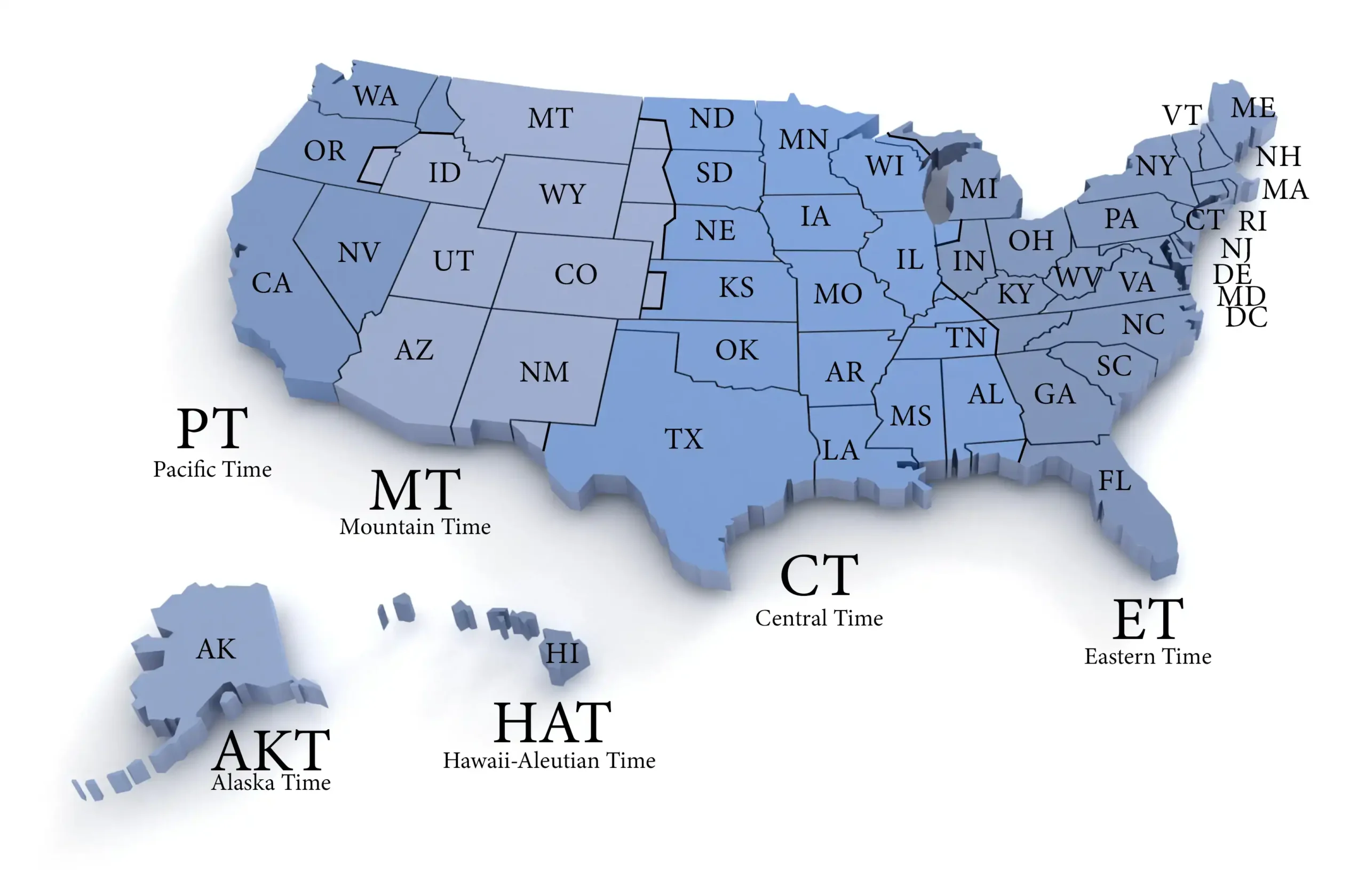
The Central Time Zone is the second-most eastern time zone in the continental U.S. and covers a vast swathe of the country, extending from the Great Lakes region down to the Gulf of Mexico, and westward into the Great Plains. Many states observe Central Time, and some states are split between two time zones. This division can sometimes lead to questions about specific regions, particularly those situated near the boundaries of these zones.
The Impact of Daylight Saving Time
It is crucial to note that most of the United States observes Daylight Saving Time (DST), a practice where clocks are advanced by one hour during warmer months to maximize daylight. During DST, the zones shift accordingly: Eastern Time becomes Eastern Daylight Time (EDT), Central Time becomes Central Daylight Time (CDT), and so on. This means that while the core time zone remains the same, the actual clock time observed can differ depending on the time of year. Mississippi, like the majority of states in the Central Time Zone, observes Daylight Saving Time. Therefore, during the summer months, the state is on Central Daylight Time (CDT).
Mississippi’s Time Zone Classification
To definitively answer the question, yes, Mississippi is predominantly in the Central Time Zone. The entire state of Mississippi observes Central Standard Time (CST) during the winter months and Central Daylight Time (CDT) during the summer months. This uniformity across the state simplifies travel planning, as there are no internal time zone divisions within Mississippi itself, unlike some larger or geographically more complex states.
Historical Context of Time Zones in Mississippi
The adoption and standardization of time zones in the United States were largely driven by the expansion of the railroad industry in the late 19th century. Before standardized time, local solar time was the norm, leading to a complex and often chaotic system of different times across short distances. The implementation of time zones, including the Central Time Zone, brought a much-needed order to transportation and communication. Mississippi, in its efforts to integrate with national infrastructure and commerce, adopted the Central Time Zone designation as part of this broader national shift. While specific legislative acts might have formalized this at the state level, the practical and economic forces of the era cemented its place in the Central Time Zone.
Practical Implications for Travelers

For visitors arriving in Mississippi, understanding this time zone designation is fundamental. Whether you are flying into Jackson-Medgar Wiley Evers International Airport in the capital city of Jackson, driving from a neighboring state, or planning excursions to destinations like Vicksburg or the coastal cities of Biloxi and Gulfport, knowing the local time ensures you stay on schedule.
- Flight Schedules: Airline schedules are universally based on local time. Confirming your arrival and departure times in Central Time will prevent missed flights or unnecessary delays at the airport.
- Accommodation Bookings: Check-in and check-out times at hotels and other lodging establishments in Tupelo, Oxford, or the resorts along the coast will be set to Mississippi’s Central Time.
- Activity Planning: Tours, restaurant reservations, and cultural events in cities like Natchez or natural attractions such as the Natchez Trace Parkway operate on local Central Time. Keeping this in mind will help you maximize your experience and avoid arriving late or too early for scheduled events.
- Business Meetings: For those visiting Mississippi for business, adherence to Central Time is essential for professional engagements.
Navigating Mississippi’s Time Zone
The straightforward nature of Mississippi’s time zone—being entirely within the Central Time Zone—is a convenience for most travelers. Unlike some states with internal time zone boundaries, such as Florida or Michigan, there’s no need to adjust your watch as you move across different regions of Mississippi. This uniformity simplifies the logistical aspects of any visit, allowing visitors to focus more on the rich experiences the state has to offer.
Key Mississippi Destinations and Their Time Zone
No matter where your travels take you within Mississippi, you’ll be operating under the same temporal framework.
- Northern Mississippi: Cities like Memphis, Tennessee (which is in Central Time) are close to the northern border, but within Mississippi, places like Holly Springs and the historic town of Corinth are in Central Time.
- Central Mississippi: The state capital, Jackson, and surrounding areas like Meridian and Clinton are all in Central Time.
- Southern Mississippi: From the Pine Belt region around Hattiesburg to the Gulf Coast cities of Ocean Springs, Pascagoula, and the popular tourist destination of Bay St. Louis, the entire region operates on Central Time.
This consistent time zone simplifies planning for trips that might involve visiting multiple destinations across the state, such as exploring the blues trail, visiting the Mississippi Civil Rights Museum, or enjoying the casinos and beaches on the coast.
Transitioning into and out of Mississippi
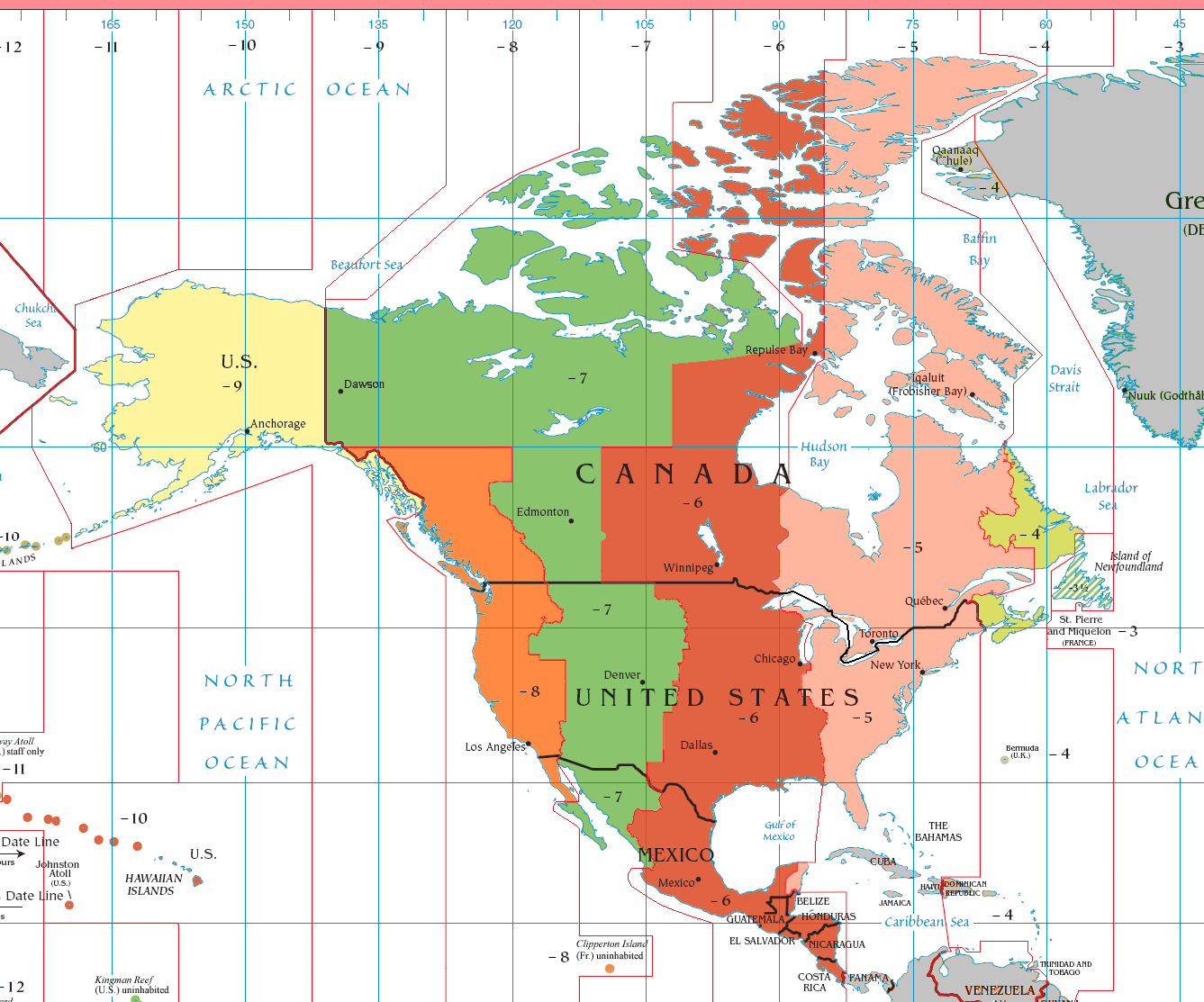
When traveling to Mississippi from a different time zone, a simple adjustment is required. For instance, if you are traveling from the Eastern Time Zone (e.g., from Atlanta, Georgia or New York City), you will set your clock back by one hour upon arrival in Mississippi. Conversely, if you are traveling from a state in the Mountain Time Zone (e.g., Denver, Colorado), you will set your clock forward by one hour. This straightforward transition is a minor logistical consideration that quickly becomes second nature once you are immersed in the local rhythm of the state.
Conclusion: Mississippi’s Place in Time
In summary, the answer to “Is Mississippi in Central Time?” is a resounding yes. The entire state adheres to the Central Time Zone, observing Central Standard Time during the fall and winter months and transitioning to Central Daylight Time during the spring and summer. This temporal unity makes Mississippi an accessible and easy-to-navigate destination for travelers, removing the complexity of internal time zone changes. As you plan your visit to the diverse landscapes and rich cultural tapestry of Mississippi, rest assured that your watch and your itinerary will align seamlessly with the rhythm of the Central Time Zone, allowing you to fully immerse yourself in the unique charm of the Magnolia State.
LifeOutOfTheBox is a participant in the Amazon Services LLC Associates Program, an affiliate advertising program designed to provide a means for sites to earn advertising fees by advertising and linking to Amazon.com. Amazon, the Amazon logo, AmazonSupply, and the AmazonSupply logo are trademarks of Amazon.com, Inc. or its affiliates. As an Amazon Associate we earn affiliate commissions from qualifying purchases.