
The question of which of the United States’ most iconic rivers, the Missouri River or the Mississippi River, holds the title of longest is a common one, often sparking debate among geographers, nature enthusiasts, and casual observers alike. While both rivers are titans of North American waterways, their true lengths and their relationship to one another are fascinating subjects that delve into the intricacies of hydrology and geography. Understanding their respective journeys from source to sea reveals a complex narrative of interconnectedness and a surprising answer to this long-standing query.
The Mighty Missouri: A Journey Through the West
The Missouri River, often referred to as the “Big Muddy” due to its sediment-rich waters, originates in the western part of Montana, near the Three Forks where the Jefferson, Madison, and Gallatin rivers converge. This vast waterway carves its way through the heart of the American West, traversing a diverse landscape that includes the rolling plains of the Great Plains, the rugged beauty of the Rocky Mountains, and the expansive prairies of states like North Dakota, South Dakota, Nebraska, and Kansas.

Source and Early Course
The headwaters of the Missouri River are found in the remote wilderness of southwestern Montana. The Jefferson River, often considered the primary source, flows from the snowmelt and rainfall feeding its tributaries. This pristine beginning sets the stage for a river that gains in power and volume as it progresses eastward and then southward. The early stretches of the Missouri River are characterized by dramatic canyons and varied terrain, offering breathtaking natural vistas.
Navigating the Plains and Prairies
As the Missouri River moves beyond the foothills of the Rockies, it enters the vast expanse of the Great Plains. Here, the river widens and its character shifts, becoming a broader, more languid waterway. It plays a crucial role in the ecosystems of these central United States states, supporting diverse wildlife and providing essential water resources for agriculture and communities. The river’s meandering path through states like Missouri and Illinois is a testament to its long and winding journey.
Length and Significance
The Missouri River measures an impressive approximately 2,341 miles (3,767 kilometers) from its source in Montana to its confluence with the Mississippi River near St. Louis, Missouri. This substantial length makes it the longest river in North America and the fourth longest in the world. Its historical significance is immense, having served as a vital transportation route for Native American tribes, early explorers like Meriwether Lewis and William Clark, and later for westward expansion and commerce.
The Iconic Mississippi: The Father of Waters
The Mississippi River, often revered as the “Father of Waters,” is a name synonymous with the American landscape. Its headwaters are famously located in the northern reaches of Minnesota, specifically at Lake Itasca. From this modest beginning, the river embarks on a monumental journey southward, eventually emptying into the Gulf of Mexico.
The Genesis at Lake Itasca
The origin of the Mississippi River at Lake Itasca is a popular tourist destination, where visitors can walk across the nascent river, a symbolic beginning of its immense power. The lake itself is fed by springs and groundwater, contributing to the river’s initial clarity and volume before it begins its southern trajectory. The early course of the Mississippi River is characterized by its passage through a series of lakes and forested areas in Minnesota.
Flowing Through the Heartland
As the Mississippi River progresses south, it grows significantly in size and importance, becoming a major artery for trade and transportation. It flows through or borders numerous states, including Wisconsin, Iowa, Illinois, Missouri, Kentucky, Tennessee, Arkansas, Mississippi, and Louisiana. The river’s influence on the culture, economy, and ecology of these regions is profound.
The Confluence and the Delta
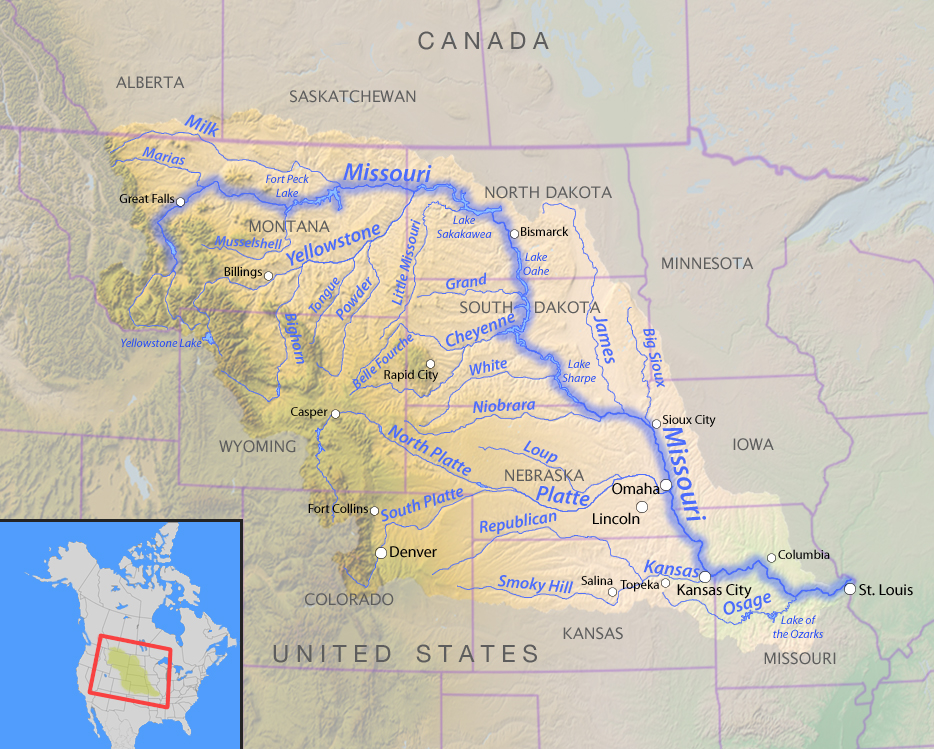
The most significant geographical event in the life of the Mississippi River is its confluence with the Missouri River near St. Louis. From this point downstream, the river is often referred to as the Lower Mississippi River, carrying the combined waters of both great rivers. The final stretch of the Mississippi River culminates in the vast and complex Mississippi River Delta in Louisiana, where it fans out into the Gulf of Mexico through a network of distributaries.
Length and Cultural Resonance
The Mississippi River itself, measured from Lake Itasca to the Gulf of Mexico, is approximately 2,320 miles (3,734 kilometers) long. This makes it the second longest river in North America, surpassed by the Missouri River when the latter is considered as a distinct entity. The Mississippi River holds a central place in American folklore, literature, and music, its name evoking images of steamboats, jazz, and the enduring spirit of the nation.
The Verdict: Which River Reigns Supreme in Length?
When directly comparing the lengths of the two rivers as distinct geographical entities, the Missouri River is indeed longer than the Mississippi River. The Missouri River stretches for approximately 2,341 miles, while the Mississippi River, from its source at Lake Itasca to the Gulf of Mexico, measures around 2,320 miles.
The Concept of a River System
However, the relationship between these two rivers is not one of simple competition but rather of a grand hydrological system. The Missouri River is a major tributary of the Mississippi River. Geographically, the Missouri River is the longer of the two, and its waters flow into the Mississippi River. This confluence is a pivotal point where the river system truly takes on its immense scale.
The Mississippi-Missouri-Jefferson River System
For a more complete picture, hydrologists often consider the Mississippi-Missouri-Jefferson River System. In this context, the Jefferson River is considered the furthest headwater, followed by the Missouri River, and then the Mississippi River. When the entire length of this combined system is measured, it becomes the fourth longest river system in the world, spanning an astonishing approximately 3,902 miles (6,275 kilometers). This integrated view highlights the interconnectedness of these waterways and their combined hydrological power.
Exploring the Rivers: Travel and Landmark Perspectives
Understanding the lengths and relationship of the Missouri River and the Mississippi River offers a fascinating lens through which to explore the geography and natural beauty of the United States. From a travel perspective, both rivers offer unique experiences and iconic landmarks.
The Missouri River as a Destination
Traveling along the Missouri River provides an immersive journey through the American West. Destinations such as the Gateway Arch National Park in St. Louis, where the Missouri meets the Mississippi, mark a significant point of interest. Further upstream, cities like Omaha, Nebraska, and Kansas City, Missouri, offer vibrant urban experiences along its banks. For those seeking natural landscapes, the rugged terrain of Montana and the expansive prairies offer opportunities for hiking, fishing, and wildlife viewing. Historical sites related to westward expansion, such as those along the Lewis and Clark National Historic Trail, are also rich points of exploration.
The Mississippi River and Its Charms
The Mississippi River offers a different but equally compelling travel narrative. From the tranquil beginnings at Lake Itasca, a popular spot for experiencing the source, to the bustling port of New Orleans, the river’s journey is a tapestry of diverse attractions. Historic river towns like Galena, Illinois, and Natchez, Mississippi, allow visitors to step back in time. Iconic landmarks include the vibrant cityscapes of St. Paul, Minnesota, and Memphis, Tennessee, with its rich musical heritage. A steamboat cruise on the Mississippi is a quintessential experience, offering a nostalgic glimpse into the river’s storied past. The Mississippi River Delta itself is a unique natural wonder, teeming with biodiversity and a testament to the river’s immense power in shaping the land.
The Confluence: A Landmark of Merging Giants
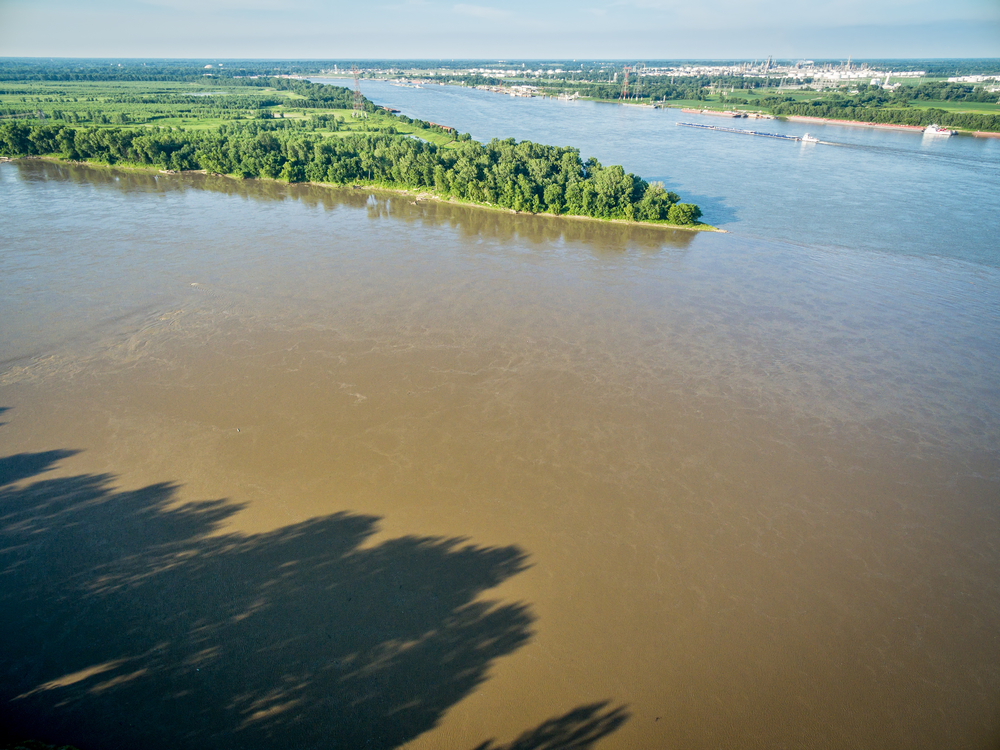
The confluence of the Missouri River and the Mississippi River near St. Louis, Missouri, is a landmark of national significance. It represents the merging of the longest river in North America with the second longest, creating a waterway of unparalleled scale. This point is a testament to the dynamic forces of nature and the vital role these rivers play in the geography and history of the continent.
In conclusion, while the Mississippi River may be more widely recognized in popular culture, it is the mighty Missouri River that, in terms of sheer length as an independent entity, holds the title. However, their true significance lies not in a competition of measures, but in their combined grandeur as a singular, awe-inspiring river system that has shaped the very fabric of the United States.
LifeOutOfTheBox is a participant in the Amazon Services LLC Associates Program, an affiliate advertising program designed to provide a means for sites to earn advertising fees by advertising and linking to Amazon.com. Amazon, the Amazon logo, AmazonSupply, and the AmazonSupply logo are trademarks of Amazon.com, Inc. or its affiliates. As an Amazon Associate we earn affiliate commissions from qualifying purchases.