
The Mississippi River, a titan of North America’s waterways, is far more than a geographical feature; it is a vibrant, complex ecosystem teeming with a diverse array of aquatic life. Stretching over 2,300 miles from its headwaters in northern Minnesota to its delta on the Gulf of Mexico, this mighty river and its tributaries support an astonishing number of fish species, each adapted to the varied habitats it offers, from the clear, cool waters of its upper reaches to the turbid, slow-moving expanse of its lower basin. Understanding the fish populations of the Mississippi is crucial for appreciating its ecological significance, its recreational value, and its historical importance to the communities that have depended on its bounty for centuries.
A Glimpse into the Mississippi’s Ichthyological Diversity
The sheer scale and environmental variability of the Mississippi River basin contribute directly to its rich ichthyofauna. Differences in water flow, substrate, temperature, and food availability create distinct ecological niches that support a wide range of species. From the smallest minnows to the largest catfish, each fish plays a role in the intricate web of life within this grand river system. Conservation efforts and scientific research continually work to monitor and protect these populations, ensuring the health and sustainability of this vital natural resource.
Predominant Families and Their Representatives
Several fish families are particularly well-represented in the Mississippi, each with unique characteristics and ecological roles.
Catfish: The Bottom-Feeders of Renown
Catfish are arguably the most iconic fish of the Mississippi River. Known for their barbels (whisker-like appendages used to detect prey in murky waters) and their tendency to inhabit the riverbed, these species are important both ecologically and for recreational fishing.
- Channel Catfish (Ictalurus punctatus): This is one of the most widespread and popular species. They are omnivorous, feeding on a variety of insects, crustaceans, small fish, and plant matter. They thrive in moderate to swift currents and prefer rocky or sandy bottoms. Channel catfish are a favorite among anglers for their fighting spirit and delicious flesh.
- Blue Catfish (Ictalurus furcatus): The largest of the North American freshwater catfish, blue catfish can reach impressive sizes, often exceeding 100 pounds. They prefer deeper, more open water channels and are voracious predators, feeding primarily on fish. Their size makes them a prized catch for serious anglers.
- Flathead Catfish (Pylodictis olivaris): Easily identified by their broad, flattened heads, flathead catfish are also large predators. They are solitary hunters and typically occupy deeper holes, submerged logs, and other complex structures in the river. Their diet consists mainly of other fish.
Sunfish and Bass: The Game Fish of the River
These popular game fish are known for their aggressive strikes and are a major draw for recreational fishing across the United States.
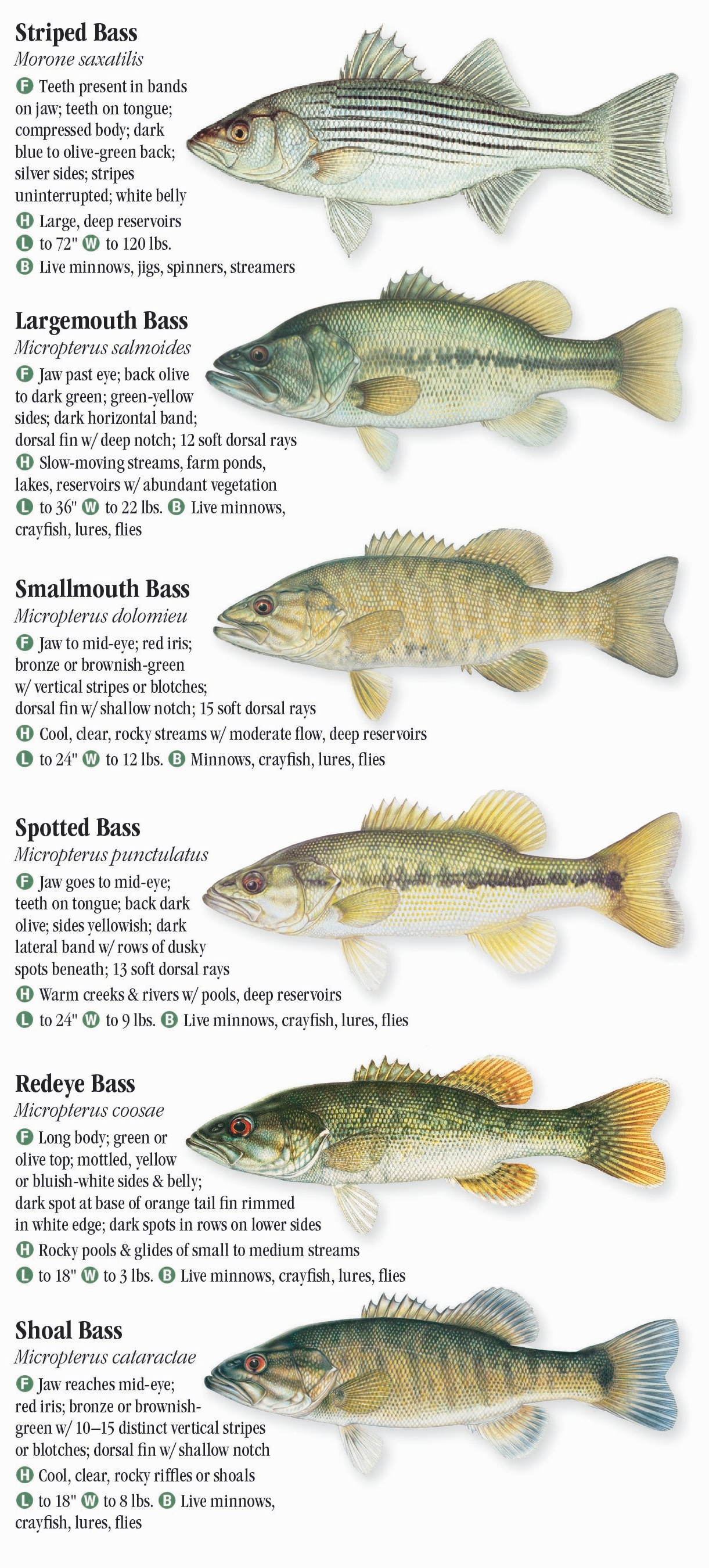
- Largemouth Bass (Micropterus salmoides): While more commonly associated with lakes and impoundments, largemouth bass are also found in slower-moving sections and backwaters of the Mississippi River, especially where vegetation is abundant. They are ambush predators, lying in wait to catch smaller fish and amphibians.
- Smallmouth Bass (Micropterus dolomieu): In contrast to their largemouth cousins, smallmouth bass prefer cooler, clearer, and faster-flowing waters. They are often found near rocky areas and riprap along the riverbanks. They are aggressive feeders, primarily consuming crayfish and smaller fish.
- Bluegill (Lepomis macrochirus): A member of the sunfish family, the bluegill is a small, brightly colored fish that is abundant throughout the Mississippi. They are often found in shallower, vegetated areas and are a common catch for bait fishermen and those seeking a panfish meal.
- Crappie (Black Crappie Pomoxis nigromaculatus and White Crappie Pomoxis annularis): These popular panfish are found in various habitats within the river system, often near submerged structures or vegetation. They are highly sought after for their delicate flavor.
Minnows and Shiners: The Foundation of the Food Web
The vast diversity of minnows and shiners forms the crucial base of the Mississippi’s food web, providing sustenance for larger predatory fish.
- Emerald Shiner (Notropis atherinoides): A schooling fish found in open water, the emerald shiner is an important prey species for many game fish.
- Silver Chub (Macrhybopsis storeriana): This species inhabits the main channels of larger rivers and is an indicator of good water quality.
- Darters (Family Percidae): Numerous darter species inhabit the Mississippi, often found in specific microhabitats, particularly in faster currents and among gravel or rubble. They are important indicators of environmental health.
Invasive Species and Their Impact
The Mississippi River, like many waterways globally, faces challenges from invasive species that can disrupt native ecosystems and impact native fish populations.
- Asian Carp (Bighead Carp Hypophthalmichthys nobilis and Silver Carp Hypophthalmichthys molitrix): These large, plankton-feeding fish have become a significant concern. They consume vast quantities of plankton, competing with native filter-feeding fish. Silver carp are also known for their tendency to leap out of the water when startled by boat wakes, posing a danger to boaters. Extensive efforts are underway to manage and control their spread.
- Zebra Mussels (Dreissena polymorpha): While not fish, these invasive mollusks have a profound impact on the aquatic environment by filtering large volumes of water, altering food webs, and encrusting surfaces, which can affect fish habitats and spawning grounds.
Exploring the Habitats of Mississippi River Fish
The Mississippi River’s immense length and varied landscape create a mosaic of habitats, each supporting a unique assemblage of fish species. Understanding these habitats is key to appreciating the distribution and behavior of the river’s inhabitants.
Upper Mississippi: Clear Waters and Rocky Riffles
The upper reaches of the Mississippi, from its source near Lake Itasca in Minnesota down to the confluence with the Missouri River, are characterized by clearer waters, faster currents, and a bottom often composed of gravel, sand, and rock. This environment is ideal for species that prefer cooler temperatures and well-oxygenated water.
- Walleye (Sander vitreus): A highly prized sport fish, walleye are common in the upper Mississippi, particularly in deeper pools and along rocky structure. They are effective predators, feeding on smaller fish.
- Northern Pike (Esox lucius): These formidable predators are also found in the cooler, cleaner waters of the upper river, often in vegetated backwaters and along the main channel.
- Smallmouth Bass: As mentioned earlier, the clear, rocky sections of the upper Mississippi are prime habitat for smallmouth bass.
Middle Mississippi: Widening Channels and Diverse Substrates
As the river flows south into states like Iowa, Illinois, and Missouri, it widens, and the current generally slows. The riverbed becomes a mix of sand, silt, and mud, with more submerged structures like wing dikes, revetments, and natural snags. This transition zone supports a broader range of species.
- Largemouth Bass and Crappie become more prevalent in the slower-moving backwaters and oxbow lakes adjacent to the main channel.
- Catfish species thrive in the deeper channels and around structures, with blue and flathead catfish becoming increasingly common.
- Drum (Aplodinotus grunniens): The freshwater drum is a bottom-dwelling fish common in the middle and lower Mississippi, known for its distinctive drumming sound.
Lower Mississippi: Turbid Waters and the Delta’s Influence
South of the Missouri River confluence, the Mississippi becomes significantly wider, deeper, and more turbid, carrying a heavy load of sediment. The current is generally slower, and the riverbed is often composed of fine silt and mud. This is the domain of species adapted to low-light conditions and warmer waters. The influence of the Gulf of Mexico becomes apparent as salinity fluctuations can occur closer to the delta.
- Larger Catfish species (blue and flathead) are abundant in the deep channels.
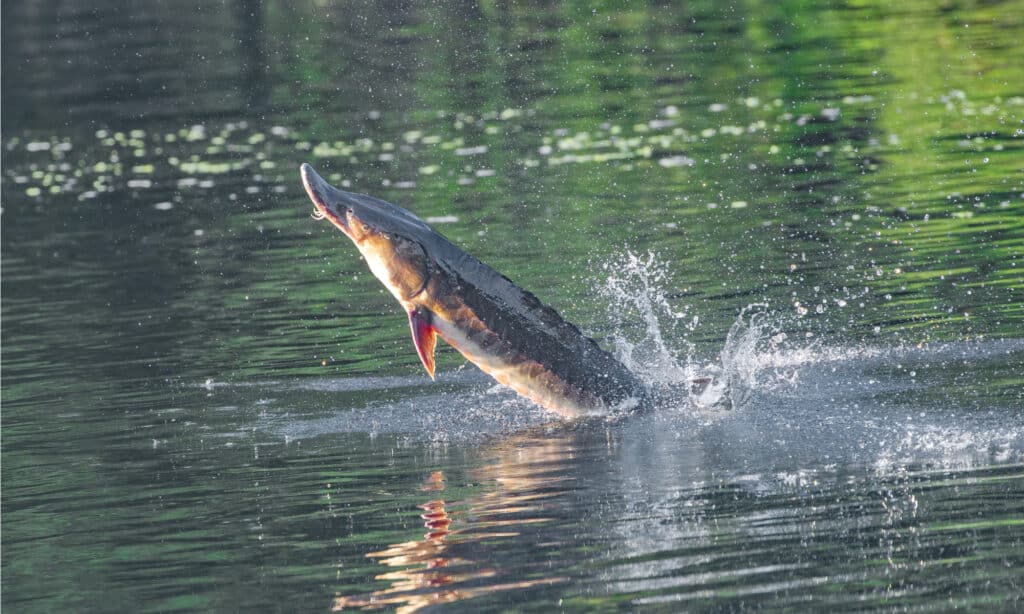
- Sturgeon (e.g., Shovelnose Sturgeon Scaphirhynchus platyrynchus): These ancient fish are bottom-dwellers and are found in the main channels of the lower river.
- Gar (e.g., Longnose Gar Lepisosteus osseus, Shortnose Gar Lepisosteus platyrhincus): These predatory fish, with their elongated bodies and toothy jaws, are well-adapted to the warmer, murkier waters and are often found in slower backwaters and shallows.
Conservation and Angling Opportunities
The Mississippi River is a vital resource for both its ecological health and its recreational value. Anglers from around the world are drawn to its waters for the chance to catch a variety of fish. However, maintaining healthy fish populations requires ongoing conservation efforts.
Popular Sport Fish and Fishing Techniques
The diverse fish populations make the Mississippi River a premier destination for anglers.
- Catfish: Anglers often use cut bait, live bait, or prepared dough baits fished on the bottom or suspended near structure. Trolling with large swimbaits can be effective for big flatheads and blues.
- Bass: Largemouth bass are typically caught using lures that mimic baitfish or crayfish, such as spinnerbaits, crankbaits, and soft plastics, often worked around vegetation or submerged structures. Smallmouth bass anglers often employ similar tactics in their preferred rocky habitats.
- Walleye: Drifting with jigs and minnows, trolling crankbaits, or using live bait rigs are common methods for catching walleye, especially in the upper and middle river.
- Panfish: Bluegill and crappie are often caught using small jigs, minnows, or worms, particularly in shallower, vegetated areas or around submerged cover.

Conservation Challenges and Initiatives
The health of Mississippi River fish populations is influenced by a multitude of factors, including pollution, habitat degradation, dam construction, and the impact of invasive species.
- Water Quality: Agricultural runoff, industrial discharge, and urban wastewater can all negatively affect water quality, impacting fish health and reproduction. Initiatives aimed at improving water treatment and reducing pollutant loads are crucial.
- Habitat Restoration: Projects focused on restoring riparian habitats, creating backwater areas, and managing flow regimes can provide essential spawning and nursery grounds for native fish.
- Invasive Species Management: Continuous monitoring and control efforts for invasive species like Asian carp are vital to protect native biodiversity. This includes research into innovative control methods and public awareness campaigns.
- Sustainable Angling: Practicing catch-and-release for certain species, respecting size and creel limits, and using eco-friendly fishing gear are all important aspects of responsible angling that contribute to the long-term health of fish populations.
The Mississippi River’s fish life is a testament to the resilience and adaptability of nature. From the smallest minnow to the imposing catfish, each species contributes to the intricate ecological tapestry of this iconic American waterway. For those who appreciate the natural world, understanding and protecting these aquatic inhabitants ensures that the Mississippi River will continue to teem with life for generations to come.
LifeOutOfTheBox is a participant in the Amazon Services LLC Associates Program, an affiliate advertising program designed to provide a means for sites to earn advertising fees by advertising and linking to Amazon.com. Amazon, the Amazon logo, AmazonSupply, and the AmazonSupply logo are trademarks of Amazon.com, Inc. or its affiliates. As an Amazon Associate we earn affiliate commissions from qualifying purchases.