
For enthusiasts of history, marine life, and unparalleled underwater adventures, the question “Are there a lot of sunken ships near Guam?” isn’t just a query – it’s an invitation to explore a submerged world teeming with captivating stories. The answer is an emphatic yes, making Guam a legendary destination for wreck diving, offering a unique blend of historical significance and vibrant marine ecosystems. This tiny island in the western Pacific Ocean, a territory of the United States and the largest of the Mariana Islands, holds within its waters a silent testament to the tumultuous events of two World Wars. For travelers seeking an extraordinary experience, Guam’s sunken fleet provides not just a dive, but a journey through time.
The appeal of Guam extends far beyond its pristine beaches and welcoming culture. It is a prime example of how tourism can intertwine with history and natural beauty, offering diverse experiences from luxury travel to rugged exploration. Whether you’re planning a family trip, a business stay with some leisure time, or an immersive adventure for seasoned divers, Guam’s underwater landmarks are a must-see attraction, providing a deep dive into the island’s strategic past.

Guam’s Submerged Timeline: A Crossroads of Conflict
Guam’s strategic location in the Pacific Ocean made it a focal point during both World War I and World War II, a legacy vividly preserved beneath its waves. The concentration of wrecks, particularly in Apra Harbor, is almost unparalleled, creating an underwater museum that tells a dramatic story of naval warfare and human conflict. These submerged vessels, now adorned with coral and home to countless species of fish, serve as poignant memorials and breathtaking dive sites.
The Uniqueness of Apra Harbor’s Double Wreck
Perhaps the most famous and historically significant dive site in Guam is the unusual juxtaposition of two wrecks: the German auxiliary cruiser SMS Cormoran and the Japanese cargo ship Tokai Maru. This particular site is a globally unique phenomenon, allowing divers the rare opportunity to touch ships from two different World Wars simultaneously.
The SMS Cormoran was a German merchant raider scuttled by its own crew on April 7, 1917, at the declaration of war between the United States and Germany during World War I. Refusing to surrender to American forces, her crew sank her to prevent capture. She lies upright on the seabed, her mast reaching towards the surface, a majestic silhouette of early 20th-century naval power.
Decades later, during World War II, a different conflict brought another vessel to rest beside her. The Tokai Maru, a Japanese cargo and passenger ship, was sunk on August 27, 1944, by a torpedo from the American submarine USS Snapper. She was ferrying troops and supplies for the Imperial Japanese Army. Miraculously, she came to rest directly against the stern of the SMS Cormoran. This incredible proximity allows divers to bridge over two decades of global conflict with a single fin kick, exploring a WWI wreck and a WWII wreck side-by-side. It’s a powerful experience, underscoring the relentless march of history and Guam’s enduring role in it. This specific landmark is not just a dive site; it’s a profound historical lesson, attracting divers and history buffs from around the globe eager to witness this unparalleled piece of marine heritage.
World War II’s Legacy Beneath the Waves
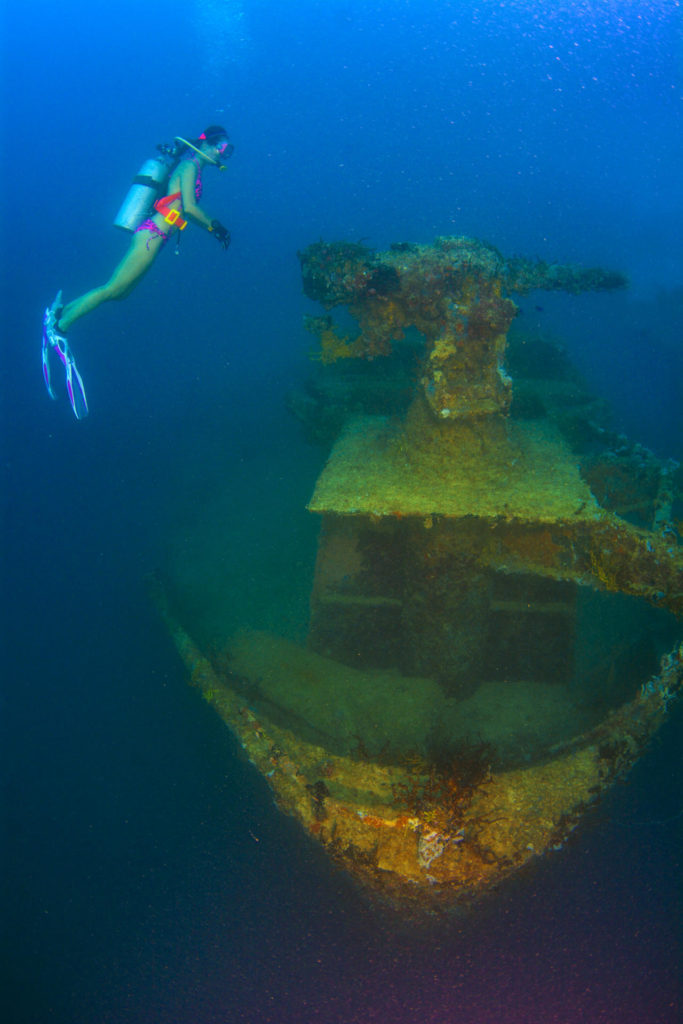
Beyond the famous double wreck, Guam’s waters are densely populated with relics from World War II. The island was fiercely contested during the Battle of Guam in 1944, and the surrounding seas became a graveyard for numerous ships, aircraft, and other wartime paraphernalia. These include Japanese cargo ships, tugboats, and landing crafts, many of which were caught in the intense bombing campaigns and naval engagements between American and Japanese forces.
Each wreck has its own story, contributing to the rich tapestry of Guam’s underwater history. Vessels like the Kitsugawa Maru, another Japanese cargo ship, lie at depths accessible to advanced divers, offering insights into the logistical challenges and fierce battles of the Pacific Theater. These sites are not merely pieces of rusted metal; they are time capsules, preserving artifacts like sake bottles, ammunition, vehicle parts, and even human remains, although respectful distance is always maintained. The sheer quantity and quality of these WWII wrecks firmly establish Guam as a premier destination for historical wreck diving, drawing a steady stream of tourists interested in its unique blend of history, nature, and adventure.
Exploring the Underwater Museums: Dive Sites and Experiences
For divers, the sunken ships near Guam offer an unparalleled adventure, transforming the ocean into a living museum. These sites cater to a range of skill levels, from recreational divers to technical experts, making it an ideal destination for various lifestyle travelers – whether you’re on a luxury travel expedition with top-tier gear or a more budget-conscious trip seeking affordable thrills.
Iconic Wrecks and Their Stories
The diving experience at the SMS Cormoran and Tokai Maru is truly one-of-a-kind. Resting between 90 and 130 feet (27-40 meters), these wrecks are typically explored on a single dive. Divers can descend to the SMS Cormoran’s deck, observe its massive engines and boiler rooms, and then drift over to the Tokai Maru, where remnants of its cargo, such as ceramic tiles and bottles, can still be seen in the holds. The experience of touching both ships, one from WWI and the other from WWII, is profoundly moving and a highlight for any diver visiting Guam.
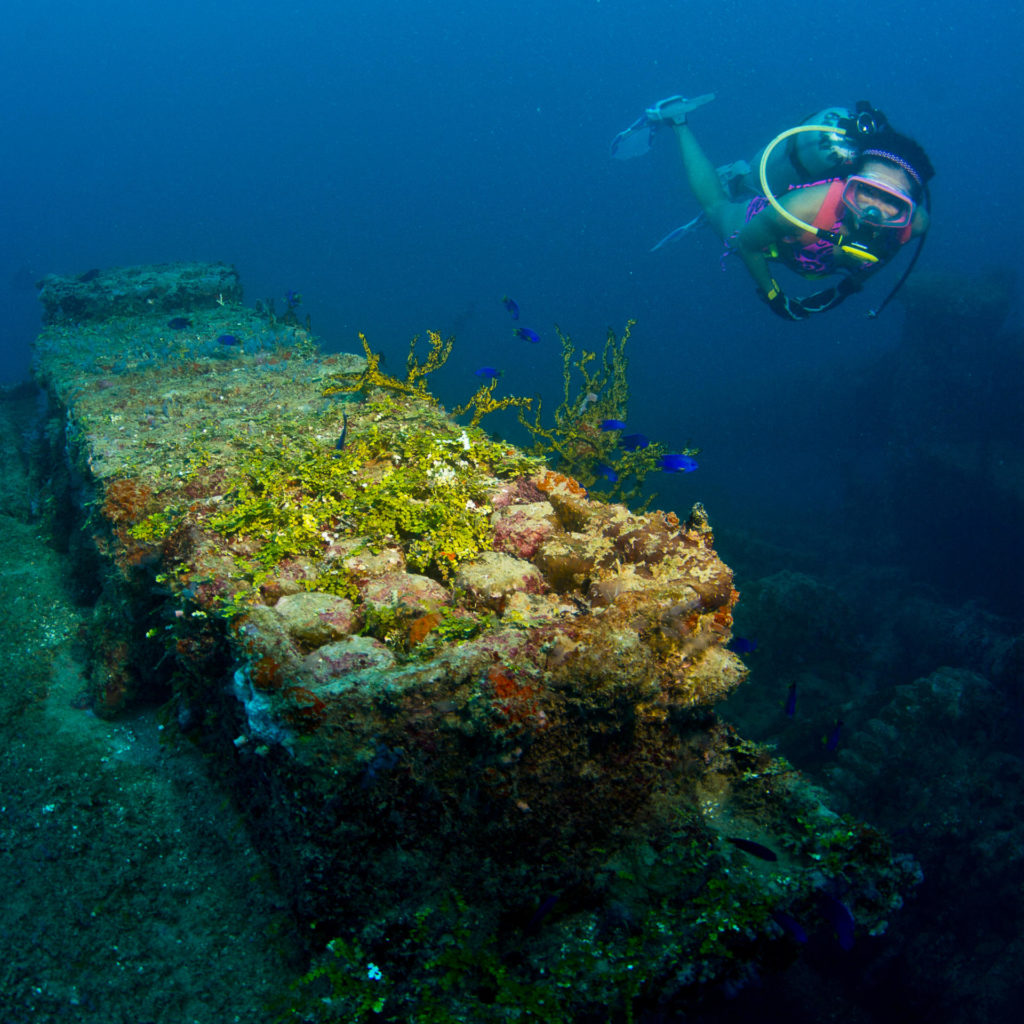
Beyond this famed duo, Guam’s waters hold other fascinating wrecks. The Kitsugawa Maru, for instance, provides a deeper, more challenging dive. This large cargo ship, found at depths exceeding 150 feet (45 meters), boasts a more intact structure with penetration opportunities for appropriately certified divers. Exploring its engine room, cargo holds, and bridge offers a thrilling glimpse into its final moments. Throughout these wrecks, marine life has flourished, transforming the grim relics of war into vibrant artificial reefs. Schools of reef fish, barracudas, snappers, and groupers have made these structures their home, while colorful soft corals and anemones cling to the metal, creating a stunning contrast between history and nature. Photography enthusiasts will find endless opportunities to capture the haunting beauty of these sites.
Diving Conditions and Accessibility
Guam offers excellent diving conditions year-round. The tropical climate ensures warm waters, typically ranging from 82-86°F (28-30°C), making for comfortable dives without the need for thick wetsuits. Visibility often exceeds 100 feet (30 meters), allowing for clear views of the expansive wrecks and their inhabitants. While there are some seasonal variations, Guam generally experiences a dry season from December to June and a wet season from July to November, but even during the wet season, dive operations continue with minimal disruption.
Accessibility to these remarkable sites is facilitated by a number of professional dive operators scattered around the island, particularly in areas like Tumon and Tamuning. These operators offer a full range of services, including guided dive trips, equipment rental, and PADI or SSI certifications, catering to everyone from absolute beginners looking to try a discover scuba dive to experienced wreck divers seeking advanced training. They provide essential local knowledge, ensuring safe and enriching experiences for all. For those planning a long-term stay, some dive shops offer package deals, allowing for extensive exploration of the various wrecks and reefs.
Planning Your Guam Underwater Adventure: Travel & Accommodation
Embarking on a journey to explore Guam’s sunken treasures is an adventure that requires thoughtful planning, integrating travel logistics, accommodation choices, and opportunities to experience the island’s unique culture. As a travel destination, Guam offers a wide array of options to suit every preference and budget, ensuring your visit is as comfortable as it is exciting.
Getting to Guam and Where to Stay
Accessing Guam is straightforward, primarily through Antonio B. Won Pat International Airport (GUM), which serves as a regional hub for flights from Asia and the United States. Numerous airlines offer routes to the island, making it an accessible Pacific getaway. Once you arrive, a short drive will take you to your chosen accommodation.
Guam boasts a diverse range of hotels, resorts, and apartments, predominantly concentrated in the vibrant tourist districts of Tumon and Tamuning. For those seeking luxury travel and premium amenities, resorts like the Dusit Thani Guam Resort, Hyatt Regency Guam, Hilton Guam Resort & Spa, and Hotel Nikko Guam offer stunning ocean views, lavish suites, multiple swimming pools, and fine dining experiences. These hotels often feature integrated tour desks that can assist with booking dive trips and other local activities, making them convenient bases for your adventure.
If budget travel is more your style, there are also numerous mid-range hotels, boutique apartments, and vacation rentals available. Websites specializing in accommodation booking and comparison can help you find the perfect fit, whether you’re looking for a cozy room or a spacious villa for a family trip. Many accommodations provide shuttle services or are within walking distance of popular attractions and dive centers, adding to the convenience.
Beyond the Wrecks: Experiencing Guam’s Culture and Natural Beauty
While the sunken ships are a major draw, Guam offers a wealth of other attractions and experiences that complement a diving vacation. Taking time to explore the island’s local culture and natural beauty enhances any visit.
For breathtaking panoramic views, a trip to Two Lovers Point is a must. This iconic landmark offers a poignant Chamorro legend and stunning cliffs overlooking the Philippines Sea. Nature lovers will appreciate the pristine sands and crystal-clear waters of Ritidian Beach, located within the Guam National Wildlife Refuge, a perfect spot for relaxation or snorkeling.
To immerse yourself in the local culture, a visit to Chamorro Village in Hagatna on Wednesday nights is an unforgettable experience. Here, you can sample authentic Chamorro food, browse local handicrafts, and enjoy live music and traditional dances. The island’s culinary scene is a delightful fusion of Chamorro, Filipino, Japanese, and American influences, offering a diverse palette for food enthusiasts. From fresh seafood to savory BBQ, the food is an attraction in itself.
For those interested in history above ground, exploring the remnants of Spanish colonial influence in Hagatna, Guam’s capital, or visiting various WWII memorials and museums across the island, provides a deeper understanding of Guam’s rich and complex past. Whether you’re a history buff or simply seeking a relaxing beach holiday, Guam offers a comprehensive tourism experience.
Preserving the Past: Responsible Diving and Future Exploration
The numerous sunken ships near Guam are more than just tourist attractions; they are invaluable historical artifacts and vital components of the island’s marine ecosystem. Responsible diving practices are paramount to ensuring these submerged landmarks are preserved for future generations of divers and historians.
The Importance of Conservation
Divers are encouraged to adopt a “look but don’t touch” philosophy when exploring the wrecks. The delicate balance of coral growth and marine life can be easily disturbed, and historical artifacts, even when submerged, are susceptible to damage from human contact. Ethical diving involves maintaining proper buoyancy control to avoid contact with the wrecks or marine organisms, refraining from collecting souvenirs, and respecting the site as both a historical monument and a living habitat. Local dive operators often play a crucial role in educating divers about these guidelines, promoting environmental awareness and sustainable tourism.
Organizations dedicated to marine conservation and historical preservation also work tirelessly in Guam to monitor the wrecks, study their ecosystems, and protect them from degradation. Their efforts ensure that these unique underwater museums remain intact and accessible, allowing divers to continually witness the awe-inspiring intersection of human history and natural regeneration.
A Living Legacy
The sunken ships near Guam represent a living legacy. Over the decades, these steel behemoths have been transformed by the ocean, evolving into vibrant artificial reefs teeming with life. Each dive reveals new details, as corals grow, fish species migrate, and the wrecks continue their slow, graceful decay, constantly changing with the currents and the passage of time. The ongoing process of discovery, both historical and ecological, makes Guam’s underwater landscape endlessly fascinating.
In conclusion, for those wondering if there are a lot of sunken ships near Guam, the resounding answer is an unequivocal yes, and their presence makes the island an unparalleled destination for wreck diving. From the unique WWI and WWII double wreck in Apra Harbor to countless other historical vessels, Guam offers an extraordinary underwater journey. It’s a perfect blend of history, adventure, and natural beauty, making it an ideal choice for any traveler seeking an experience that goes beyond the ordinary. Whether you’re an avid diver or simply curious about exploring a world steeped in history, Guam promises an unforgettable travel experience, a testament to its pivotal role in world events and its thriving marine environment. Pack your bags, book your accommodation, and prepare to explore one of the world’s most incredible underwater museums.
LifeOutOfTheBox is a participant in the Amazon Services LLC Associates Program, an affiliate advertising program designed to provide a means for sites to earn advertising fees by advertising and linking to Amazon.com. Amazon, the Amazon logo, AmazonSupply, and the AmazonSupply logo are trademarks of Amazon.com, Inc. or its affiliates. As an Amazon Associate we earn affiliate commissions from qualifying purchases.