
The state bird of Mississippi is a symbol deeply intertwined with the state’s natural beauty, rich history, and enduring cultural identity. While many states boast avian emblems that reflect their diverse ecosystems, Mississippi’s choice holds particular significance, resonating with the traditions and landscapes that define the Magnolia State. Understanding the identity and story behind this feathered representative offers a unique lens through which to appreciate the broader context of Mississippi’s heritage and natural wonders.
The Mockingbird’s Reign in Mississippi
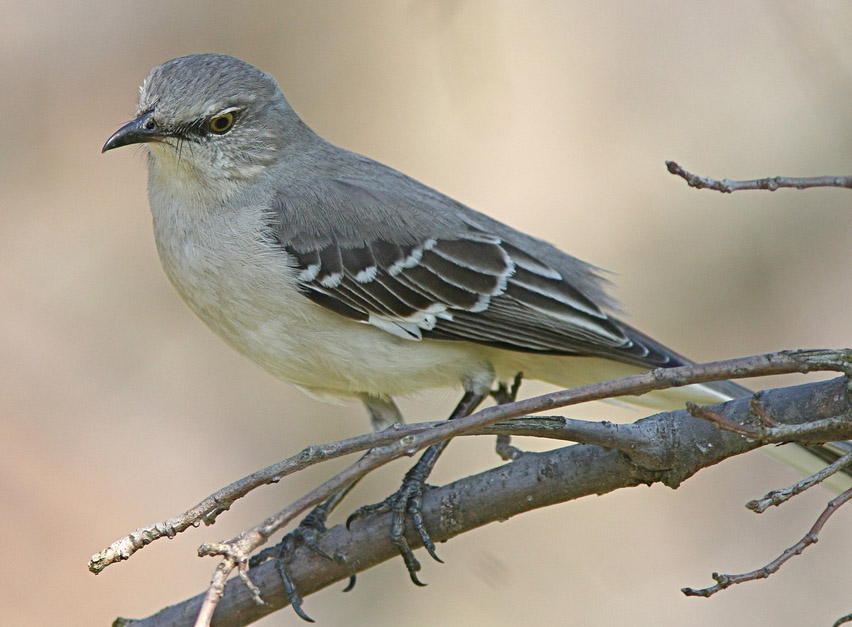
The official state bird of Mississippi is the Northern Mockingbird (Mimus polyglottos). This choice, made official by legislative act, reflects a bird that is not only widespread across the state but also possesses remarkable characteristics that have captured the admiration of its inhabitants. The Northern Mockingbird is renowned for its extraordinary vocal abilities, its resilience, and its distinctive appearance.
A Virtuoso of Song
The most celebrated trait of the Northern Mockingbird is its unparalleled ability to mimic. These birds are not content with a single song; instead, they learn and incorporate a vast repertoire of sounds from their environment. This includes the songs of other birds, the calls of insects, the croaking of frogs, and even mechanical noises such as car alarms or squeaky gates. A male mockingbird will often sing hundreds of different song types, and each song can be repeated several times before he switches to a new one. This constant vocal display, particularly during the breeding season, is a testament to the bird’s intelligence and its complex social behaviors.
The complexity of their vocalizations has led many to associate them with artistry and expression, qualities that resonate with the rich cultural heritage of Mississippi, a state that has nurtured numerous celebrated musicians and writers. The mockingbird’s persistent singing, often heard at dawn and dusk, becomes a soundtrack to the state’s natural rhythms, a familiar and comforting presence for residents and a captivating discovery for visitors.
Distinctive Appearance and Habits
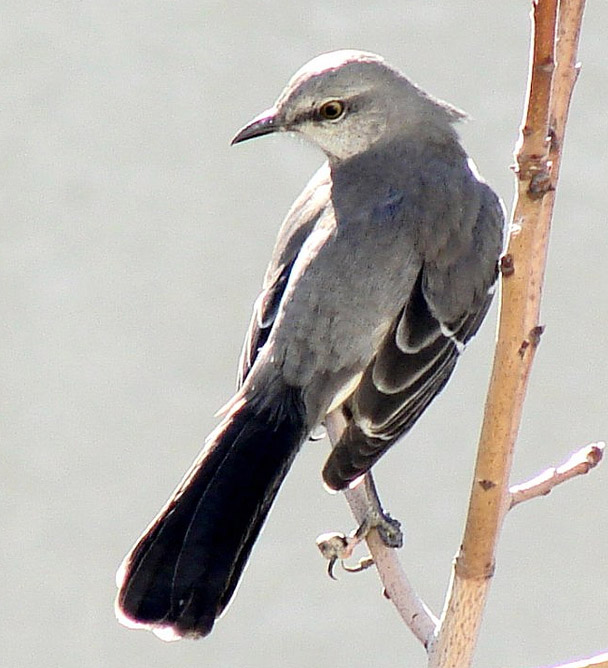
Beyond its voice, the Northern Mockingbird possesses a striking, yet understated, appearance. It is a medium-sized songbird, typically measuring around 10 inches in length. Its plumage is predominantly gray, with lighter underparts. A key distinguishing feature is the bright white of its wings and tail, which flash conspicuously during flight. This contrast, coupled with its long tail and relatively long legs, gives it an elegant profile.
Mockingbirds are often seen foraging on the ground, hopping rather than walking, and cocking their heads as if listening for prey. They are opportunistic omnivores, with their diet consisting primarily of insects, especially during the warmer months when they are actively raising young. As the seasons change, their diet shifts to include fruits and berries, making them a constant presence in various habitats.
In Mississippi, mockingbirds are found in a wide range of environments, from woodlands and gardens to urban parks and suburban backyards. Their adaptability allows them to thrive alongside human populations, becoming a familiar sight in towns and cities across the state, from Jackson to Biloxi. This widespread presence makes the state bird a truly representative emblem for all Mississippians.
The Mockingbird’s Significance in Mississippi Culture
The adoption of the Northern Mockingbird as the state bird was not merely an arbitrary decision; it reflects a deep appreciation for the bird’s inherent qualities and its harmonious relationship with the state’s environment. The choice was made in 1944, solidifying its status as an official symbol.
The bird’s mimicry is often interpreted as a symbol of adaptability and learning, qualities that have been essential for the state’s development and its people’s resilience. Its persistent singing can also be seen as representing the enduring spirit and vibrant culture of Mississippi, a place known for its soulful music, storytelling traditions, and strong sense of community.
The visual presence of the mockingbird, with its clear white markings against a gray background, is often associated with purity and clarity. Its active nature and vibrant presence add a lively dimension to the natural landscapes of Mississippi, from the rolling hills of the North Central Hills to the coastal plains of the Gulf Coast.
Exploring Mississippi Through its State Bird
The Northern Mockingbird’s presence across Mississippi serves as an invitation to explore the state’s diverse natural attractions and cultural landmarks. By observing this ubiquitous bird, one can gain a deeper appreciation for the ecological richness and the unique character of the Magnolia State.
Habitats and Ecosystems

The Northern Mockingbird’s preference for open areas with scattered shrubs or trees means they can be encountered in a multitude of settings throughout Mississippi. This includes the lush forests of the Tombigbee National Forest, the picturesque farmlands, and the charming gardens of historic Southern homes found in cities like Natchez and Vicksburg.
The bird’s ability to adapt to different environments also makes it a fitting symbol for a state that encompasses a variety of geographical features. From the alluvial plains of the Mississippi Delta to the piney woods of the southern regions, the mockingbird is a constant companion. Its presence highlights the state’s biodiversity and the importance of its natural resources.
Visitors to Mississippi can enhance their travel experience by actively looking for and listening to the Northern Mockingbird. Its song can often be heard in state parks such as Tishomingo State Park or Roosevelt State Park, and in urban green spaces like the Mississippi Petrified Forest. Spotting a mockingbird can be a delightful serendipitous encounter, a small yet significant moment that connects one to the local environment.
Birdwatching and Nature Enthusiasts
For birdwatchers and nature enthusiasts, Mississippi offers a rich tapestry of avian life, with the Northern Mockingbird serving as a familiar and accessible starting point. The state’s varied habitats support a wide array of bird species, making it a prime destination for eco-tourism.
Beyond the mockingbird, Mississippi is home to numerous other fascinating birds, including various warblers, woodpeckers, waterfowl, and birds of prey. Birdwatching opportunities abound in areas like the Grand Bay National Wildlife Refuge and the Yazoo National Wildlife Refuge. These locations provide critical habitats for migratory birds and resident species alike.
Engaging with the natural world through birdwatching can offer a unique perspective on Mississippi’s landscape. It encourages a slower, more observant approach to travel, allowing visitors to appreciate the subtle beauty of the environment and the intricate relationships within its ecosystems. The song of the mockingbird, often the first bird song one learns to identify, can become a gateway to discovering the broader avian diversity of the state.
The Mockingbird’s Role in Mississippi’s Heritage
The Northern Mockingbird is more than just a biological entity; it has woven itself into the cultural fabric of Mississippi, influencing art, literature, and local lore. Its distinctive characteristics have inspired generations and contributed to the state’s unique identity.
Cultural Resonance and Symbolism
The enduring presence and vocal prowess of the mockingbird have made it a potent symbol in Southern literature and folklore. Harper Lee’s classic novel, To Kill a Mockingbird, famously uses the mockingbird as a central metaphor for innocence and the destruction of purity. While the novel is set in Alabama, its themes and the symbolism of the mockingbird resonate deeply across the American South, including Mississippi. The bird represents beings who do no harm but are vulnerable to prejudice and mistreatment, a sentiment that holds significant historical and social weight in the region.
The bird’s ability to mimic and adapt can also be seen as a metaphor for resilience, a quality that has been essential for the people of Mississippi throughout its history. The state’s journey has been marked by both hardship and triumph, and the persistent song of the mockingbird can be interpreted as a symbol of enduring hope and an unyielding spirit.
Connection to Mississippi Tourism
While not a specific tourist attraction in itself, the state bird plays a subtle yet significant role in Mississippi tourism by enhancing the overall sense of place. The familiar sight and sound of the Northern Mockingbird contribute to the quintessential Southern atmosphere that many visitors seek.
For those interested in cultural tourism, understanding the state bird provides a deeper connection to Mississippi’s heritage. It offers a talking point, a way to engage with local culture and natural history. Whether visiting the historic antebellum homes of Natchez, exploring the vibrant music scene in the Mississippi Delta, or enjoying the coastal beauty of Gulfport, the mockingbird is likely to be a soundtrack to the experience.
Many tourism initiatives and educational programs within Mississippi highlight the state’s natural heritage, including its avian population. The Northern Mockingbird, as the state bird, often features in these contexts, serving as an ambassador for the state’s natural beauty and ecological significance. It encourages visitors to look beyond the obvious attractions and to appreciate the living elements that define Mississippi’s unique charm.
Conclusion: A Feathered Emblem of Mississippi
The Northern Mockingbird, with its extraordinary song and adaptable nature, stands as a fitting and beloved emblem for the state of Mississippi. Its presence across diverse landscapes, from bustling cities to tranquil natural reserves, makes it a constant reminder of the state’s inherent beauty and resilience. As a symbol, it encapsulates the rich cultural tapestry, the enduring spirit, and the vibrant natural world that define Mississippi. For both residents and visitors, recognizing and appreciating the Northern Mockingbird offers a unique avenue to connect with the heart and soul of the Magnolia State, transforming a simple observation into a deeper understanding of its heritage and its natural wonders.
LifeOutOfTheBox is a participant in the Amazon Services LLC Associates Program, an affiliate advertising program designed to provide a means for sites to earn advertising fees by advertising and linking to Amazon.com. Amazon, the Amazon logo, AmazonSupply, and the AmazonSupply logo are trademarks of Amazon.com, Inc. or its affiliates. As an Amazon Associate we earn affiliate commissions from qualifying purchases.