
The question of “What’s Minimum Wage In Mississippi?” might seem purely economic, but for travelers and those interested in the local economic fabric of the Magnolia State, understanding its minimum wage offers a unique lens through which to view the cost of living, the affordability of experiences, and the general economic vitality of its cities and towns. While not directly a tourism metric, the minimum wage impacts the disposable income of residents, influencing their ability to patronize local businesses, dine out, and participate in recreational activities that form the bedrock of the tourism industry. For budget-conscious travelers, knowing the prevailing wage can offer insights into the potential cost of services and goods, from a simple cup of coffee in Jackson to a guided tour through the historic streets of Natchez.
The Federal Floor and Mississippi’s Stance
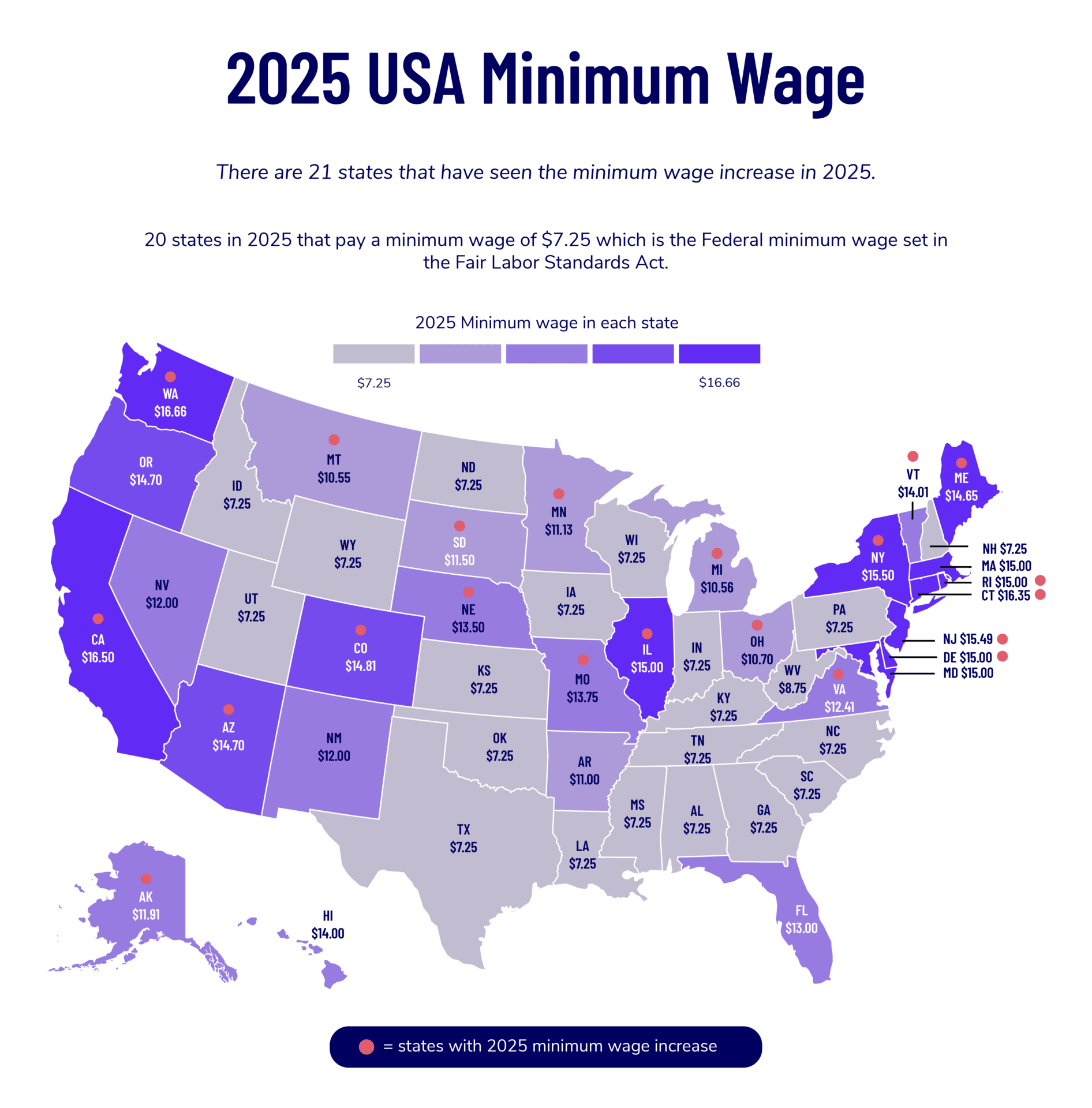
Mississippi is one of the few U.S. states that does not have its own state-specific minimum wage law. This means that the prevailing minimum wage in Mississippi is dictated by the federal minimum wage. As of the latest federal adjustments, this rate stands at $7.25 per hour. This federal mandate applies to most employees in the private sector and in state and local governments.
Understanding the Federal Minimum Wage
The Fair Labor Standards Act (FLSA) establishes the federal minimum wage. It is the lowest hourly wage employers are legally permitted to pay their non-exempt employees. This rate has seen periodic increases throughout U.S. history, designed to provide a baseline standard of living. However, the federal minimum wage has remained at $7.25 per hour since 2009, a point of contention for many who argue it has not kept pace with inflation and the rising cost of living.
Why Mississippi Relies on Federal Law
The absence of a state minimum wage in Mississippi is a matter of legislative choice. Many states have enacted their own minimum wage laws, often setting them higher than the federal rate to better reflect local economic conditions and provide greater protection for workers. Mississippi, however, has not taken this legislative path. Consequently, employers in Mississippi are bound by the FLSA’s $7.25 per hour minimum for covered employees.
Implications for Travelers and the Economy
While $7.25 per hour might seem low to those accustomed to higher wage economies, its impact on the tourism sector in Mississippi is multifaceted and often indirect. Understanding this wage helps paint a picture of the state’s economic landscape for visitors.
Affordability and Consumer Spending
A lower minimum wage can translate to lower labor costs for businesses, potentially allowing them to offer goods and services at more competitive prices. For tourists, this could mean more affordable dining options, lower prices for souvenirs, and more budget-friendly access to local attractions across the state, from the coastal towns like Biloxi to the Delta region. However, it also means that the disposable income of local residents, who are the primary customer base for many businesses, may be more limited. This can affect the overall volume of local spending on non-essential items, which includes many tourism-related activities.
The Service Industry Experience
Many jobs in the hospitality and service industries, which are crucial for tourism, are often paid at or near the minimum wage. In Mississippi, this means that many individuals working in restaurants, hotels, and providing direct visitor services are earning the federal minimum. This reality can influence the availability of highly experienced or specialized service staff and can also affect the quality of service if employees are stretched thin or struggling financially. Travelers who are accustomed to higher service standards might notice a difference, although the hospitality culture in Mississippi is generally warm and welcoming.
Economic Development and Investment
The minimum wage is often a factor considered by businesses when deciding where to invest or expand. A lower minimum wage can be an attractive draw for certain types of industries seeking to minimize operational costs. This can lead to job creation, though the quality and pay of these jobs remain a subject of debate. For Mississippi, this economic dynamic plays a role in its overall development trajectory, which in turn influences the types of tourism experiences that are prevalent and sustainable.

Exploring Mississippi on a Budget
For travelers keen on experiencing the charm of Mississippi without breaking the bank, understanding the economic context provided by the minimum wage is a valuable piece of information. It underscores the state’s position as a potentially more affordable destination.
Budget-Friendly Dining
From classic Southern diners in towns like Hattiesburg to casual eateries along the Mississippi River, many dining experiences in Mississippi can be surprisingly affordable. The lower cost of labor, combined with the prevalence of regional comfort food, means that visitors can often enjoy hearty meals without a significant financial outlay. Look for local cafes, juke joints offering authentic blues and barbecue, and farmers’ markets for fresh, local produce.
Affordable Attractions and Activities
While Mississippi boasts significant historical sites, natural beauty, and cultural attractions, many of them are accessible at reasonable price points. The state parks offer affordable entry and camping. Many historical markers and self-guided tours of charming towns are free. Even the more prominent museums and historical homes, such as the Vicksburg National Military Park or the antebellum mansions of the Natchez Trace Parkway, often have modest entrance fees compared to similar attractions in higher-cost states.
Transportation and Accommodation
When planning a trip to Mississippi, budget travelers will find that accommodation and transportation can also be more economical. While luxury resorts exist, particularly along the coast and in areas with significant historical appeal, there is a wide range of more affordable hotels, motels, and bed and breakfasts. Similarly, inter-city travel via car is generally cost-effective due to lower fuel prices in some regions and less traffic congestion compared to major metropolitan areas.
Beyond the Wage: The Heart of Mississippi’s Appeal
While the minimum wage in Mississippi is a point of economic discussion, it is crucial to remember that the true appeal of the state lies in its rich history, vibrant culture, and the genuine hospitality of its people. The economic data provides a backdrop, but it does not define the entirety of the visitor experience.
Cultural Richness and Historical Depth
Mississippi is the birthplace of the blues, a pivotal region in the Civil Rights Movement, and home to a landscape dotted with antebellum history. Exploring the Mississippi Delta for its musical heritage, visiting the Civil Rights Museum in Jackson, or touring the grand estates of the Natchez region offers profound and often moving experiences that transcend economic considerations. These are the treasures that draw visitors, and they are accessible to all.
Natural Beauty and Outdoor Adventures
From the rolling hills of the Pine Belt to the cypress swamps of the Delta and the sandy shores of the Gulf Coast, Mississippi offers diverse natural landscapes. State parks like Tishomingo State Park provide opportunities for hiking, fishing, and exploring. The scenic drives, such as portions of the Natchez Trace Parkway, offer a peaceful way to experience the state’s natural beauty. These outdoor pursuits are inherently affordable, providing a wealth of enjoyment for visitors of all economic backgrounds.

The Warmth of Southern Hospitality
Perhaps Mississippi’s greatest asset is its people. The renowned Southern hospitality is a genuine and welcoming force that shapes every interaction. Whether you’re striking up a conversation with a shop owner in a small town or enjoying a meal at a local restaurant, you’re likely to encounter a warmth and friendliness that makes any visit memorable, regardless of the prevailing minimum wage. This intangible quality of connection and welcome is the true currency of travel in Mississippi.
In conclusion, while the minimum wage in Mississippi is federally set at $7.25 per hour, its impact on tourism is subtle yet significant. It contributes to the state’s overall affordability, influencing the cost of services and the disposable income of locals. However, for travelers, the enduring allure of Mississippi lies in its deep cultural roots, its compelling history, its natural beauty, and the unparalleled warmth of its people, offering a rich and accessible experience for all.
LifeOutOfTheBox is a participant in the Amazon Services LLC Associates Program, an affiliate advertising program designed to provide a means for sites to earn advertising fees by advertising and linking to Amazon.com. Amazon, the Amazon logo, AmazonSupply, and the AmazonSupply logo are trademarks of Amazon.com, Inc. or its affiliates. As an Amazon Associate we earn affiliate commissions from qualifying purchases.