
The confluence of the Ohio River and the Mississippi River is a geographical marvel and a significant landmark, marking a pivotal point in the hydrological landscape of the United States. This meeting point, where two of North America’s most vital waterways merge, is not merely a spot on a map but a nexus of history, nature, and cultural significance. Understanding where this grand convergence occurs offers a deeper appreciation for the intricate network of rivers that have shaped the nation’s development, facilitated trade, and inspired countless tales of exploration and settlement.
The Grand Confluence: A Natural Spectacle
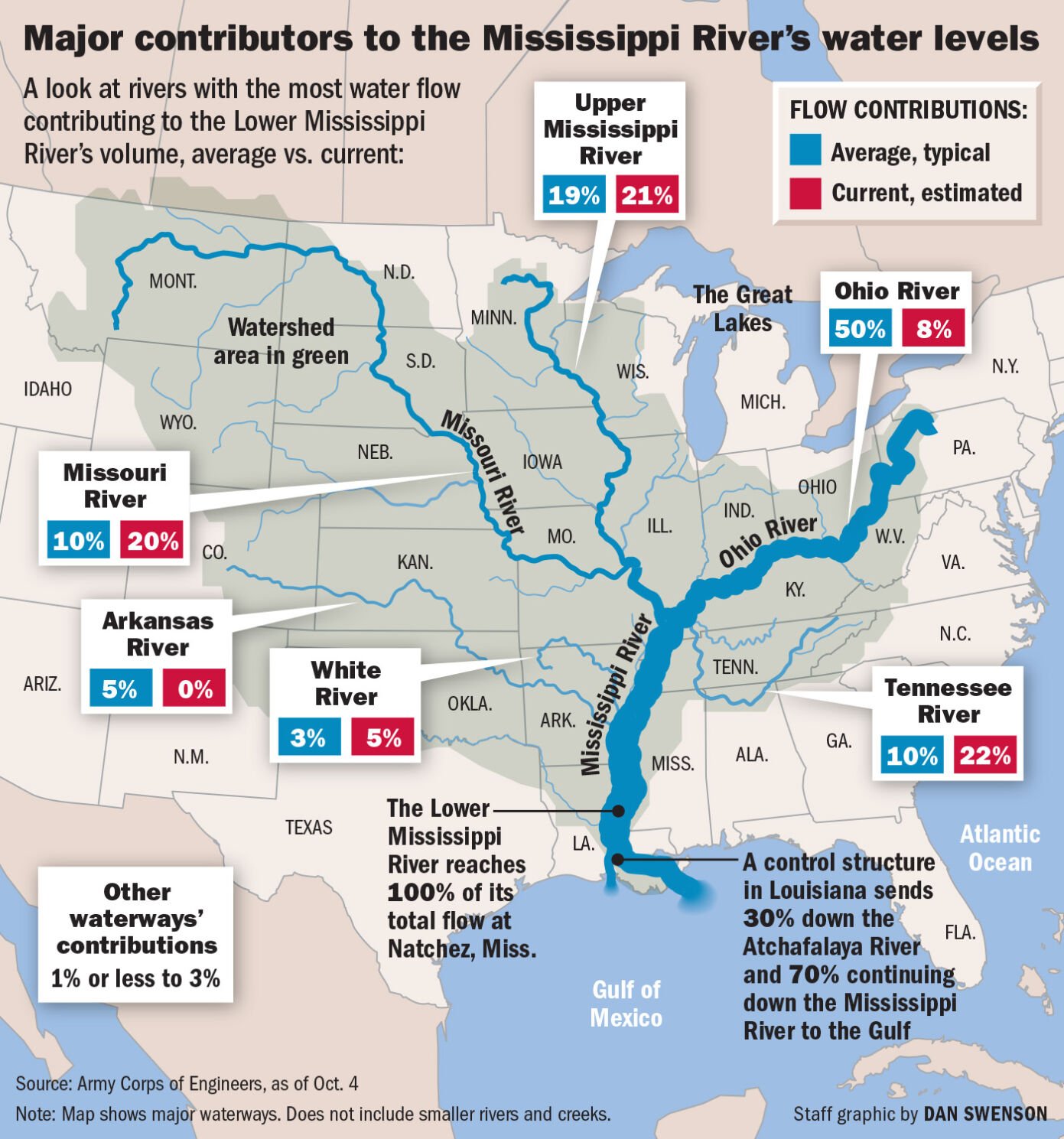
The exact location where the Ohio River flows into the Mississippi River is a point of fascination for geographers, nature enthusiasts, and history buffs alike. This remarkable confluence takes place near the town of Cairo, Illinois, a community situated at the southernmost tip of the state. It is here that the powerful currents of the Ohio, which has journeyed from the Appalachian Mountains, finally surrender their identity to the even mightier flow of the Mississippi, originating much further north in Minnesota.
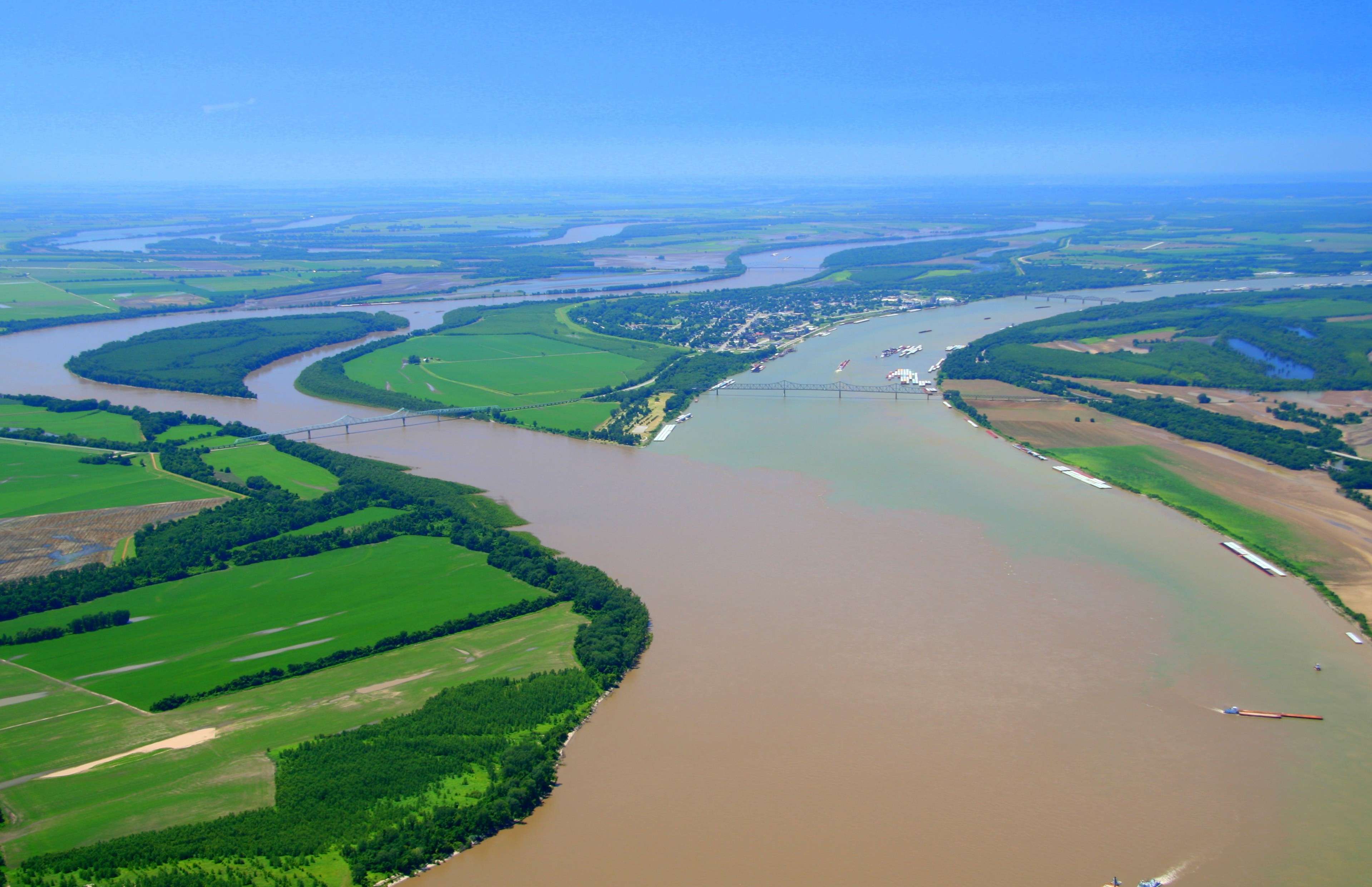
The visual spectacle at this junction is impressive. The Mississippi, at this point, is already a formidable river, carrying water from a vast drainage basin. The Ohio, while contributing a significant volume, often appears to be absorbed rather than truly merging, its waters taking on the dominant hue and force of its larger counterpart. The point of confluence is characterized by a swirling eddy, a testament to the immense power and volume of water being exchanged. The distinct colors of the two rivers can sometimes be observed side-by-side for a short distance before they fully intermingle, a phenomenon attributed to differences in sediment load and water composition.
Navigating the Rivers: Historical Significance
For centuries, this confluence has been a critical navigational point. Native American tribes, including the Mississippian culture, likely utilized these waterways for travel and trade long before European explorers arrived. When explorers and settlers ventured westward, the Ohio River served as a primary highway, flowing from the east and offering access to the vast interior of the continent via the Mississippi.
The strategic importance of this confluence was not lost on early American leaders. The control of these waterways was paramount for westward expansion and economic development. During the Civil War, control of the Mississippi River was a major strategic objective for both the Union and the Confederacy, and the confluence near Cairo played a vital role in these campaigns. Fort Jefferson, though located further south on the Mississippi, underscores the military significance of controlling these river arteries.
The Role of Cairo, Illinois
The town of Cairo, Illinois, owes its very existence and historical significance to its prime location at this confluence. It was strategically founded with the intention of becoming a major port and commercial center. The promise of its location, where two great rivers meet, attracted ambitious entrepreneurs and settlers, dreaming of a booming river city. While the initial aspirations for Cairo may have been grander than its eventual realization, its role as a gateway and a point of reference for understanding the river system remains undeniable.
The geographical position of Cairo makes it a unique vantage point. From its shores, one can witness the distinct flow of the Ohio River before it merges with the broader expanse of the Mississippi. The town has a rich history intertwined with river trade, steamboats, and the ebb and flow of economic fortunes dictated by the river’s moods and the nation’s progress.
Exploring the Landscape and Natural Beauty
Beyond its historical and navigational importance, the area surrounding the Ohio-Mississippi confluence is a region of significant natural beauty and ecological interest. The confluence itself is part of a larger river delta system, characterized by wetlands, forests, and diverse wildlife.
The Ohio River’s Journey
The Ohio River is formed by the confluence of the Allegheny River and the Monongahela River in Pittsburgh, Pennsylvania. It flows southwest for approximately 981 miles (1,579 km), passing through or along the borders of six states: Pennsylvania, Ohio, West Virginia, Kentucky, Indiana, and Illinois. Its drainage basin is one of the largest in the United States, encompassing a significant portion of the eastern and midwestern United States. The river is known for its scenic beauty, with rolling hills, fertile valleys, and charming river towns dotting its course.
The Mississippi River’s Immensity
The Mississippi River is the second-longest river in North America, surpassed only by the Missouri River when they are considered as a single river system. It flows entirely within the United States, beginning in Lake Itasca, Minnesota, and emptying into the Gulf of Mexico. The Mississippi is a vital artery for commerce and transportation, and its delta region is a critical ecosystem for migratory birds and diverse aquatic life. At the confluence, the Mississippi is already a mighty waterway, having absorbed tributaries and carrying the weight of its vast upstream drainage.
Wildlife and Ecosystems
The convergence of these two great rivers creates a unique ecological environment. The resulting waterways, wetlands, and riparian forests support a rich biodiversity. Birdwatchers are drawn to the area, particularly during migratory seasons, as the river systems provide crucial habitats and stopover points. The muddy banks and slow-moving waters are home to various fish species, amphibians, and reptiles, contributing to a vibrant natural tapestry. The America’s Wetland Bird Initiative highlights the importance of such areas for avian conservation.
Experiencing the Confluence: Destinations and Activities
For visitors interested in the meeting of the Ohio and Mississippi Rivers, the primary destination is the area around Cairo, Illinois. While Cairo itself offers a glimpse into the historical significance of river towns, nearby attractions and experiences allow for a more comprehensive exploration of this magnificent natural landmark.
Gateway to the Rivers
The city of Cairo, Illinois, serves as the most direct point of access to the confluence. Visitors can explore its historic riverfront and gain a sense of its past as a once-prominent river port. The Magnolia House is a notable historical site in the town, offering a connection to its Victorian past.
River Cruises and Boat Tours
A truly immersive way to experience the confluence is through a river cruise or a specialized boat tour. Several operators offer excursions that navigate the waters near the junction, providing unparalleled views of the meeting point. These tours often highlight the geological formations, the unique hydrological dynamics, and the wildlife of the area. Some longer river cruises that traverse either the Mississippi or the Ohio might also include this junction as a point of interest on their itinerary, offering a broader perspective of the river systems.
Nearby Natural Areas and Parks
While direct access to the confluence itself can be limited by the powerful currents and commercial shipping lanes, surrounding areas offer opportunities to appreciate the riverine landscape. The Shawnee National Forest, located to the east of Cairo, provides access to woodlands and natural areas that are influenced by the proximity of the great rivers. Birdwatching and hiking are popular activities in these regions. The Trail of Tears National Historic Trail also passes through this region, reminding visitors of the human history intertwined with these waterways.

The Confluence Point State Park (Proposed/Conceptual)
While not a fully developed state park in the traditional sense, the area is recognized for its significance. Discussions and proposals for enhanced public access and interpretation of the confluence have surfaced over the years, aiming to create a dedicated space for visitors to learn about and observe this natural wonder. The sheer power and scale of the confluence make it a compelling subject for a dedicated visitor experience, focusing on the hydrology, ecology, and history of the meeting of these two iconic American rivers. The Mississippi River Parkway Commission advocates for scenic byways and access to the river, indirectly supporting the preservation and appreciation of such significant riverine landmarks.
LifeOutOfTheBox is a participant in the Amazon Services LLC Associates Program, an affiliate advertising program designed to provide a means for sites to earn advertising fees by advertising and linking to Amazon.com. Amazon, the Amazon logo, AmazonSupply, and the AmazonSupply logo are trademarks of Amazon.com, Inc. or its affiliates. As an Amazon Associate we earn affiliate commissions from qualifying purchases.