
The Mississippi River, a colossal artery of North America, has long captured the imagination of explorers, settlers, and travelers alike. Its immense journey from the northern reaches of Minnesota to the sprawling delta lands of the Gulf of Mexico is a testament to nature’s power and perseverance. Understanding the “mouth” of such a dynamic waterway is not merely a geographical curiosity; it’s crucial for comprehending its ecological significance, its historical role in trade and settlement, and its allure as a destination for adventurers and nature enthusiasts. The concept of the river’s mouth, while seemingly straightforward, is in reality a complex and ever-evolving landscape shaped by the relentless forces of water, sediment, and the sea.

Defining the Deltaic Frontier
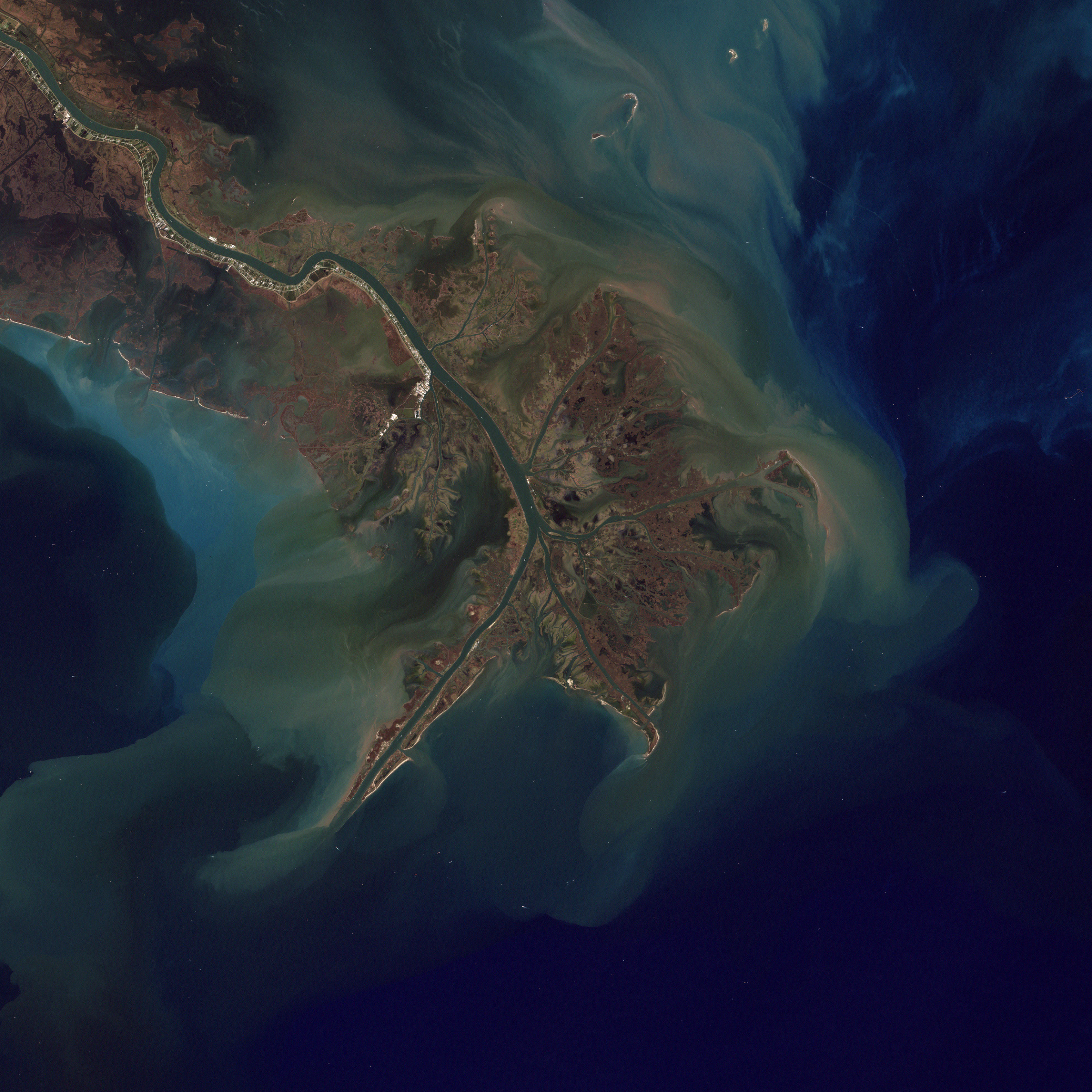
The mouth of a river is traditionally defined as the point where it empties into a larger body of water, such as an ocean, sea, or lake. For the Mississippi River, this point is not a single, static location but rather a vast and intricate delta. The Mississippi River Delta is a prime example of a wave-dominated delta, characterized by its branching channels, extensive wetlands, and the constant deposition of sediment carried by the river. This process of delta formation has been ongoing for thousands of years, creating a unique and vital ecosystem.
The Changing Landscape
The very nature of a delta means its “mouth” is not a fixed point on a map. The Mississippi carries an enormous load of sediment, estimated at over 500 million tons annually, which it deposits as it slows down upon meeting the Gulf of Mexico. This continuous process builds new land while simultaneously causing older sections of the delta to erode. Consequently, the precise location of the river’s distributaries – the channels that spread out from the main stem – can shift over time. Geologists and geographers often refer to the entire deltaic region as the river’s mouth, acknowledging its dynamic and expansive nature.
Historical Perspectives on the Mouth
Early explorers and cartographers grappled with defining the Mississippi River’s mouth. When René-Robert Cavelier, Sieur de La Salle reached the delta in 1682 and claimed the entire Mississippi River basin for France, he encountered a labyrinth of channels and islands. His descriptions, while groundbreaking, reflected the challenges of navigating and understanding this complex environment. Over centuries, as human activity increased, attempts to control the river’s flow and sediment deposition through levees and other engineering projects have further influenced the delta’s shape and the perceived location of its mouth.
Navigating the Mississippi Delta
The Mississippi River Delta is not a single entity but a mosaic of ecosystems, each with its own distinct characteristics and challenges. Understanding this region requires appreciating its vastness and the interplay of fresh river water and saline Gulf waters.
The Role of Distributaries
Instead of a single channel, the Mississippi River fans out into numerous distributaries as it approaches the Gulf of Mexico. Prominent among these are the Southwest Pass, South Pass, and Pass a Loutre. These channels are crucial for the river’s discharge into the Gulf and represent the active edges of the delta. Ships and barges use these passes for navigation, making them vital economic arteries. The deepest and most heavily utilized of these is Southwest Pass, which has been dredged and maintained to accommodate large vessels.
Ecological Significance of the Delta
The Mississippi River Delta is a biodiversity hotspot, supporting a rich array of plant and animal life. Its extensive marshes, swamps, and bayous provide critical habitat for countless species of birds, fish, reptiles, and mammals. This region is a major stopover point for migratory birds on the Atlantic and Mississippi Flyways. The delta’s wetlands also play a vital role in protecting the coast from storm surges and erosion. However, this delicate ecosystem is under significant threat from land loss, rising sea levels, and the effects of climate change.
Economic Importance of the Delta
Beyond its ecological value, the delta is of immense economic importance. The region is a critical hub for commercial fishing, particularly for shrimp, oysters, and crabs. The Mississippi River itself is one of the world’s busiest waterways, with its delta serving as the gateway for a significant portion of America’s agricultural and industrial exports. The ports located in and around the delta, such as the Port of New Orleans, are vital for national and international trade.
Experiencing the River’s End
For those seeking to witness the dramatic conclusion of the Mississippi River’s journey, the delta offers a unique and unforgettable experience. It is a region where the power of nature is on full display, a place of profound beauty and ecological importance.
Destinations for Exploration
Several key locations offer access to the Mississippi River Delta and its diverse environments. Venice, Louisiana, often referred to as the “End of the World,” is a popular starting point for eco-tours and fishing expeditions into the delta. From here, visitors can venture out into the vast wetlands to witness the confluence of the river and the Gulf. Grand Isle, Louisiana, an island community further south, provides another gateway to the delta’s coastal allure, offering opportunities for fishing, birdwatching, and experiencing coastal life.
Activities and Attractions
Exploring the delta involves embracing its watery nature. Boat tours are the primary way to navigate the intricate network of channels and bays. These excursions can range from wildlife-spotting trips, where visitors can observe alligators, dolphins, and a plethora of bird species, to fishing charters targeting the abundant marine life. Kayaking and paddleboarding offer a more intimate way to connect with the serene beauty of the bayous and marshes. Birdwatchers will find the delta an unparalleled destination, especially during migratory seasons.

The Future of the Delta
The Mississippi River Delta faces significant challenges. Decades of levee construction, while protecting urban areas, have inadvertently starved the delta of the sediment it needs to sustain itself. This, combined with rising sea levels and increased storm intensity, has led to substantial land loss. Efforts are underway to restore the delta through various coastal restoration projects, including sediment diversions and barrier island rebuilding. Visiting the delta today is not only an opportunity to witness a natural wonder but also to understand the urgent need for its preservation. The question of “where is the mouth” becomes less about a single point and more about the ongoing battle to maintain this vital ecological and economic frontier at the end of the mighty Mississippi.
LifeOutOfTheBox is a participant in the Amazon Services LLC Associates Program, an affiliate advertising program designed to provide a means for sites to earn advertising fees by advertising and linking to Amazon.com. Amazon, the Amazon logo, AmazonSupply, and the AmazonSupply logo are trademarks of Amazon.com, Inc. or its affiliates. As an Amazon Associate we earn affiliate commissions from qualifying purchases.