
Understanding the demographic tapestry of a state is crucial for appreciating its unique cultural landscape. While Montana is often perceived as predominantly white, a comprehensive look at its population reveals a more nuanced picture. The question of “How Many Black People Live In Montana?” delves into the state’s evolving diversity, offering insights into settlement patterns, economic opportunities, and the historical context that has shaped its communities. This exploration will go beyond mere numbers to examine the experiences and contributions of Black residents in the “Big Sky Country.”
Demographics and Population Trends
The Black population in Montana represents a small but significant segment of the state’s overall populace. According to the most recent census data, the African American population constitutes approximately 0.5% to 0.7% of the total residents. This translates to a few thousand individuals, a figure that has seen gradual growth over the decades.

Historical Settlement Patterns
The presence of Black individuals in Montana dates back to the frontier era. Many were drawn to the West seeking opportunities and escaping the pervasive racial discrimination prevalent in other parts of the United States. Some arrived as cowboys, laborers, or entrepreneurs during the late 19th and early 20th centuries. Early settlements were often scattered, with Black families and communities forming in areas where economic prospects were more favorable.
Factors Influencing Growth
The growth of the Black population in Montana has been influenced by several factors:
- Economic Opportunities: Historically, the state’s economy, driven by mining, agriculture, and later, resource extraction, provided avenues for employment. In more recent times, sectors such as healthcare, education, and technology have begun to attract a more diverse workforce.
- Military Presence: Montana hosts significant military installations, such as Malmstrom Air Force Base near Great Falls. These bases often bring diverse populations, including Black service members and their families, who may choose to remain in the state after their service concludes.
- Educational Institutions: Colleges and universities in cities like Missoula, Bozeman, and Helena attract students and faculty from various backgrounds, contributing to the state’s demographic shifts.
- Rural to Urban Migration: Similar to national trends, there has been a movement of Black individuals from more rural areas to larger urban centers within Montana in search of greater social networks and economic stability.
Geographic Distribution
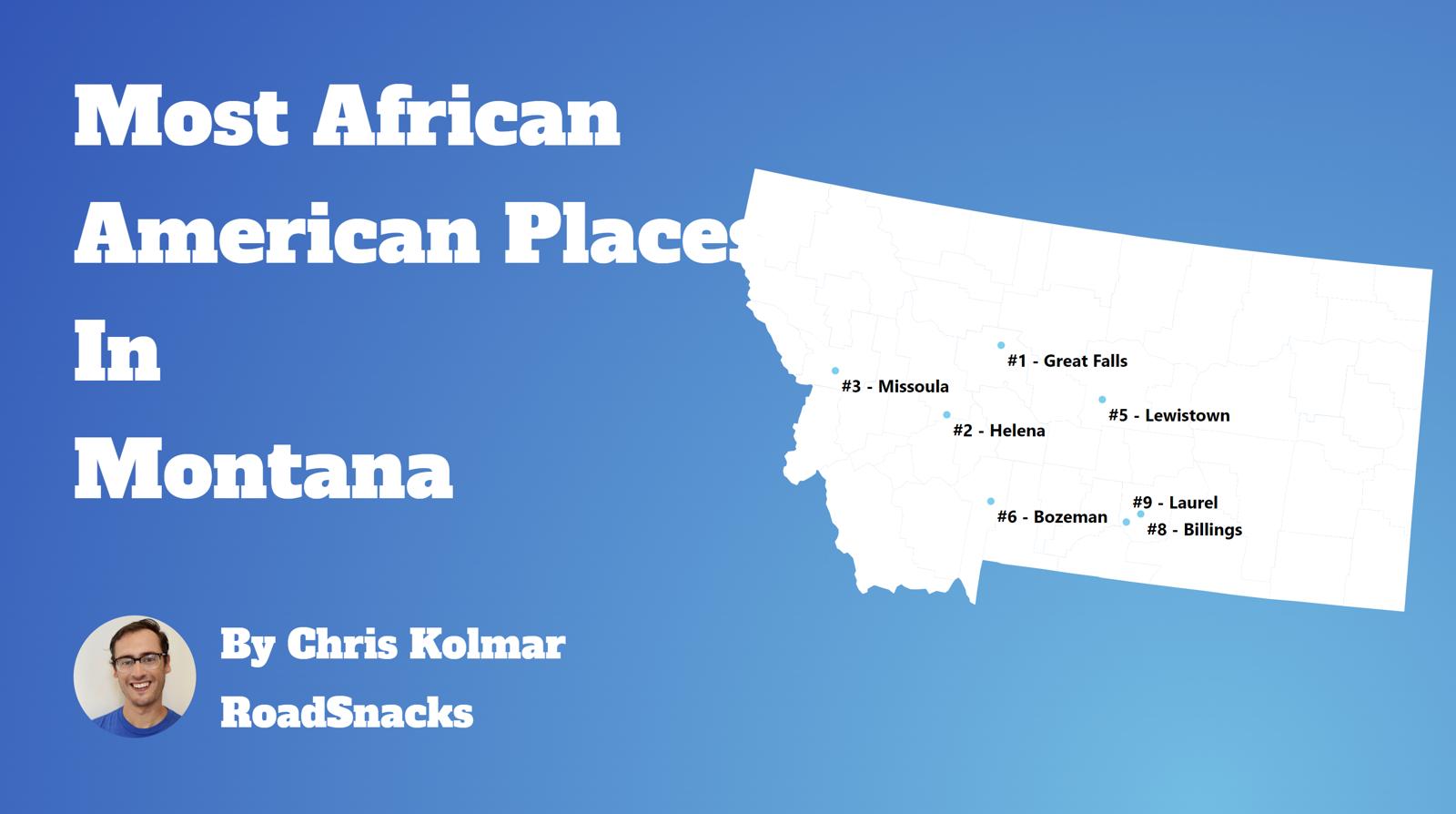
The Black population in Montana is not evenly distributed. Larger concentrations are typically found in the more populous areas of the state:
- Billings: As Montana’s largest city, Billings offers a broader range of services and employment opportunities, attracting a more diverse population.
- Great Falls: Home to Malmstrom Air Force Base, Great Falls also sees a notable presence of Black residents.
- Missoula and Bozeman: These university towns, with their progressive atmospheres and academic communities, tend to be more diverse than many rural areas.
- Helena: The state capital, Helena, also draws a diverse population due to government employment and related industries.
While these urban centers exhibit greater diversity, smaller pockets of Black residents can be found throughout the state, often linked to specific industries or family histories.
Experiences and Community Building
Understanding the presence of Black people in Montana necessitates an examination of their experiences and the ways in which they have built communities. While challenges related to being a minority in a predominantly white state exist, there is also a story of resilience, cultural contribution, and integration.
Cultural Contributions and Integration
Black Montanans contribute to the state’s cultural fabric in numerous ways. They are involved in all aspects of life, from arts and education to business and public service. Despite the smaller population size, community organizations and initiatives have emerged to foster connection, support, and cultural exchange. These groups often play a vital role in bridging cultural divides and advocating for the needs of the Black community.
Challenges and Opportunities
Living as a Black individual in Montana can present unique challenges. These may include instances of racial insensitivity or the feeling of isolation in predominantly homogeneous environments. However, many Black residents also report a strong sense of community and belonging, often found in close-knit groups or through shared experiences. The vast landscapes and generally friendly demeanor of many Montanans can also contribute to a positive living experience.
The increasing diversity of Montana, albeit at a slower pace than in many other states, signifies a broader national trend. As the state continues to grow and evolve, so too will its demographic composition, offering new opportunities for cultural exchange and a richer understanding of the American West.
Notable Black Figures in Montana’s History and Present
While specific historical figures may be less documented than in more populous states, Montana has been home to Black pioneers, entrepreneurs, and professionals who have left their mark on the state. Researching local historical societies and archives can often uncover stories of these individuals. For instance, during the westward expansion, Black cowboys played a significant role in the cattle industry across the American West, and it is plausible that many found their way to Montana’s ranches.
In contemporary Montana, Black individuals are active in various professions, contributing to the state’s economy and social landscape. They are doctors, lawyers, educators, artists, business owners, and public servants, enriching the communities they inhabit. Their presence, though numerically small, adds invaluable perspectives and experiences to the state’s social and cultural discourse.
Understanding Montana’s Diversity
The question of “How Many Black People Live In Montana?” opens a window into the state’s broader demographic narrative. Montana is not a monolith; it is a state with a rich history and a continually evolving population. While the statistics may indicate a smaller Black population compared to national averages, their presence is a testament to the enduring spirit of migration, opportunity, and the creation of home in diverse landscapes.
Acknowledging the Nuances
It is important to acknowledge that demographic data only tells part of the story. The lived experiences of Black individuals in Montana are diverse and varied, shaped by personal histories, socioeconomic factors, and the specific communities they call home. Understanding this nuance is key to appreciating the full spectrum of life in the “Treasure State.”
Future Outlook
As Montana continues to attract new residents from across the nation and the globe, its diversity is likely to increase. This trend bodes well for a more vibrant and inclusive future for the state, where the contributions of all its residents are recognized and celebrated. The journey of Black communities in Montana is an ongoing chapter in the state’s rich and multifaceted history.
LifeOutOfTheBox is a participant in the Amazon Services LLC Associates Program, an affiliate advertising program designed to provide a means for sites to earn advertising fees by advertising and linking to Amazon.com. Amazon, the Amazon logo, AmazonSupply, and the AmazonSupply logo are trademarks of Amazon.com, Inc. or its affiliates. As an Amazon Associate we earn affiliate commissions from qualifying purchases.