
The very idea of snow in Hawaii might seem as contradictory as finding a polar bear on a palm tree. Hawaii, synonymous with sun-drenched beaches, lush rainforests, and perpetual summer, is globally celebrated as a quintessential tropical paradise. Visions of surfing on Waikiki Beach, hiking through verdant valleys on Kauai, or relaxing under the golden sun on Maui typically dominate the imagination. Yet, against all tropical expectations, the surprising answer to “Does Hawaii get snow?” is a resounding, albeit qualified, yes.
This unexpected meteorological phenomenon adds another layer to the islands’ already breathtaking diversity, challenging preconceived notions and highlighting the unique geographical wonders that make Hawaii a destination unlike any other. While snow is far from a common sight for most visitors, it is a fascinating reality on the highest peaks of the Big Island, and very rarely, on Maui. This article delves into where, when, and why snow graces these tropical shores, and how this extraordinary climate diversity fits into the broader tapestry of Hawaiian travel, tourism, and lifestyle.
The Surprising Truth: Snow in the Tropics
The presence of snow in Hawaii is a testament to the islands’ dramatic geological formations and their significant elevation changes. While the coastal regions bask in year-round warmth, the soaring volcanic summits reach into altitudes where temperatures plummet, creating an alpine environment starkly different from the tropical lowlands.
The Altitude Factor: Explaining Mauna Kea and Mauna Loa
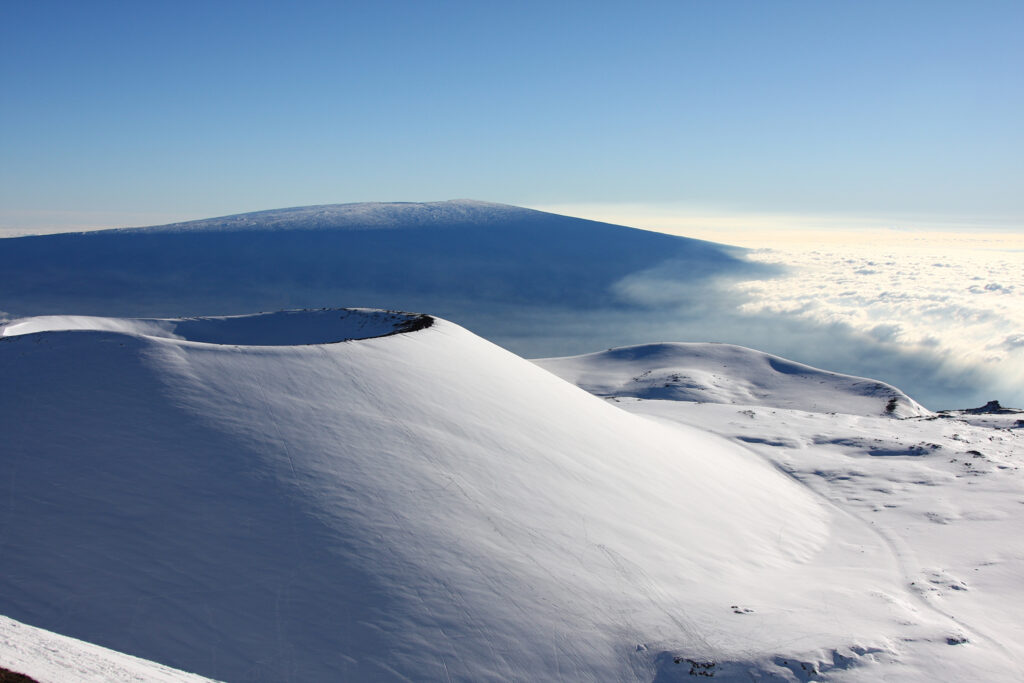
The primary reason for snow in Hawaii lies with its majestic shield volcanoes on the Big Island: Mauna Kea and Mauna Loa. These towering peaks are among the tallest mountains in the world when measured from their base on the ocean floor. Their summits rise to elevations of over 13,800 feet (4,200 meters) above sea level, piercing through the typical cloud cover and reaching into an atmosphere cold enough to support snowfall.
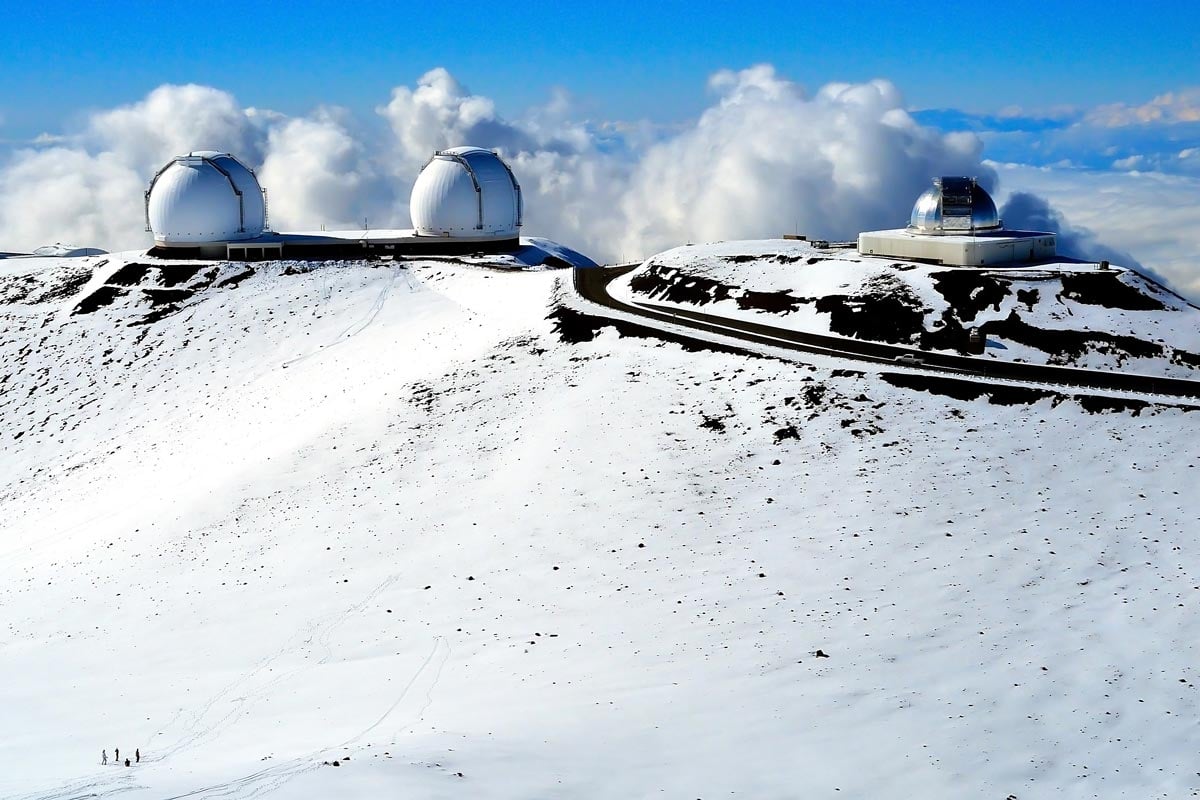
At these extreme altitudes, the air pressure drops significantly, and temperatures can often dip below freezing, especially during the winter months from November to April. When cold fronts, often accompanied by moisture-laden storms, pass over the islands, they bring the necessary ingredients for snow to fall on these high-altitude giants. The snow typically accumulates on the summits and upper slopes, often creating a stark, beautiful contrast with the deep blue Hawaiian sky and the distant Pacific Ocean.
The snow on Mauna Kea is perhaps the most famous, partly due to the world-renowned astronomical observatories located near its summit. Scientists and staff working at these facilities are accustomed to winter conditions, including snow and ice, which can sometimes lead to road closures. While the snow can last for days or even weeks in shaded areas or during prolonged cold spells, it generally melts relatively quickly under the strong equatorial sun. For visitors, seeing snow-capped volcanoes from the sunny beaches of Kona or Hilo is a truly surreal experience, a reminder of Hawaii’s incredible climatic diversity.
Kīlauea and the Lesser-Known Occurrences
While Mauna Kea and Mauna Loa are the most consistent recipients of Hawaiian snow, other high-altitude areas have also witnessed this rare phenomenon. On the Big Island, even Kīlauea, though considerably lower at around 4,091 feet (1,247 meters), has seen fleeting snow showers during exceptionally cold and wet winter storms. These instances are exceedingly rare and typically do not result in significant accumulation, but they underscore the potential for surprising weather patterns across the islands.
Perhaps even more surprising is the occasional snowfall on Maui’s majestic Haleakalā volcano, which reaches an elevation of 10,023 feet (3,055 meters). While less frequent than on Mauna Kea or Mauna Loa, Haleakalā does receive snow from time to time, often during the same powerful winter systems that bring snow to the Big Island summits. For instance, in February 2019, Haleakalā received a significant snowstorm, transforming its volcanic crater into a temporary winter wonderland, much to the amazement of locals and tourists alike. Such events are highly publicized and eagerly watched by residents, as they offer a unique photo opportunity and a chance to experience a side of Hawaii rarely seen. The ephemeral nature of these snowy moments only adds to their magic, a fleeting touch of winter in a land defined by everlasting warmth.

Beyond the Snow: Hawaii’s Diverse Climates and Ecosystems
While the presence of snow is a captivating anomaly, it is merely one facet of Hawaii’s extraordinary climatic and ecological diversity. The islands are renowned for hosting nearly every climate zone on Earth, from arid deserts to lush rainforests, all within a relatively small geographical area. This incredible variety ensures that whether you’re chasing snowflakes or sunshine, Hawaii has an experience tailored for you.
From Alpine Deserts to Tropical Rainforests
The journey from sea level to the high peaks of Mauna Kea or Haleakalā takes travelers through a breathtaking array of ecosystems. At the coast, you’ll find classic tropical beaches with swaying palm trees, warm ocean waters, and vibrant coral reefs. As you ascend, the landscape transitions through dry scrublands, rich agricultural zones, and then into dense rainforests on the windward slopes, fed by consistent trade winds. Further up, above the cloud inversion layer, the environment becomes subalpine, eventually giving way to barren, high-altitude alpine deserts near the summits – a stark, lunar-like landscape where snow can persist.
Each island offers a unique blend of these climates and corresponding natural landmarks. On Oahu, you can explore the bustling urban environment of Honolulu, hike up Diamond Head for panoramic views, or surf the legendary waves of the North Shore. Maui boasts the scenic Road to Hana with its numerous waterfalls and black sand beaches, contrasting sharply with the otherworldly crater of Haleakalā. Kauai, often called the “Garden Isle,” is home to the dramatic cliffs of the Na Pali Coast and the vast, colorful expanse of Waimea Canyon, often referred to as the “Grand Canyon of the Pacific.” Even smaller islands like Molokai and Lanai offer their own distinct beauty, from remote beaches to rugged interior landscapes. This climatic and geographical variety means that no matter where you go in Hawaii, a new and exciting natural experience awaits, making it an ideal destination for adventure seekers and nature lovers.
The Best Times to Visit for Different Experiences
Understanding Hawaii’s climate diversity helps in planning the perfect trip. Generally, the islands enjoy pleasant weather year-round, with average daytime temperatures ranging from the mid-70s to low 80s Fahrenheit (24-29°C).
- For sunny beach weather and outdoor activities: The driest months are typically April to October. This period offers stable, warm weather ideal for swimming, snorkeling, surfing lessons, and hiking at lower elevations.
- For potentially seeing snow: The best chance to witness snow on Mauna Kea or Mauna Loa is during the winter months, from November to April. Be aware that visiting the summits requires proper preparation, including warm clothing and a 4WD vehicle for the last stretch of the road on Mauna Kea, and checking road conditions beforehand.
- For whale watching: The peak season for humpback whale migration is from December to May, with January to March being the best time for sightings, particularly around Maui.
- For surfing the big waves: The famous North Shore breaks of Oahu come alive with massive swells during the winter months (November-February), attracting professional surfers from around the globe.
It’s also worth noting that while Hawaii has long been perceived as a stable paradise, climate change could potentially influence its weather patterns. While some models suggest a decrease in overall snowfall due to rising temperatures, the complexity of atmospheric systems means localized heavy snow events might still occur under specific conditions. For now, the snowy peaks remain a unique and treasured aspect of the Hawaiian landscape.
Planning Your Hawaiian Adventure: Snow or Sunshine?
Regardless of whether your Hawaiian dream involves sunbathing on black sand beaches or marveling at snow-capped volcanoes, meticulous planning is key to an unforgettable experience. From choosing the perfect place to stay to immersing yourself in the local culture, Hawaii offers a myriad of options for every type of traveler and lifestyle.
Accommodation Choices for Every Traveler
Hawaii’s accommodation landscape is as diverse as its ecosystems, catering to every budget and preference. When planning your trip, consider what kind of experience you’re seeking:
- Luxury Resorts: For those seeking unparalleled luxury and amenities, Hawaii boasts world-class resorts. On Maui, options like the Four Seasons Resort Maui at Wailea or The Ritz-Carlton, Kapalua offer stunning oceanfront suites, gourmet dining, spa services, and exceptional hospitality, perfect for a romantic getaway or a lavish family vacation. The Big Island also features opulent choices like the Mauna Lani, Auberge Resorts Collection with its private bungalows and cultural experiences.
- Boutique Hotels and Charming Inns: For a more intimate and personalized experience, consider boutique hotels or bed-and-breakfasts. These properties often emphasize local character, unique design, and a strong connection to the surrounding community. They can be found across the islands, offering a distinct Hawaiian charm that differs from larger resorts.
- Vacation Rentals: Platforms like Airbnb and VRBO have made vacation rentals a popular choice for families, groups, or travelers seeking a more authentic local experience with amenities like full kitchens and multiple bedrooms. From cozy cottages to luxurious villas, rentals offer flexibility and often a sense of home away from home.
- Budget-Friendly Stays: While Hawaii can be an expensive destination, budget-conscious travelers can find options such as hostels, particularly in more urban areas like Honolulu, or guesthouses. Camping is also an option in designated state and county parks, offering an adventurous and economical way to experience Hawaii’s natural beauty.
- Amenities and Booking: When reviewing accommodations, always check for amenities like pools, ocean access, restaurants, and activity desks. Booking in advance, especially during peak season (winter and summer holidays), is highly recommended to secure the best rates and availability. Utilizing comparison websites can help find deals and read genuine reviews from fellow travelers. For longer stays, consider serviced apartments or villas that offer more space and self-catering facilities.
Embracing Local Culture and Activities
Beyond its natural beauty, Hawaii’s rich Polynesian culture is a major draw for tourism. Engaging with local traditions and activities enriches any travel experience:
- Food and Drink: Immerse yourself in Hawaiian cuisine. Attend a traditional luau for a feast of kalua pig, poke, lomi salmon, and haupia, accompanied by hula performances. Explore local farmers’ markets for fresh tropical fruits and locally sourced ingredients. Don’t miss trying fresh poke bowls from roadside stands or plate lunches, a local favorite.
- Water Sports: Hawaii is a mecca for water activities. Try surfing lessons on Waikiki Beach, snorkel or dive in the vibrant coral reefs of Hanauma Bay (reservations often required) or Molokini Crater, or kayak along the stunning Na Pali Coast.
- Hiking and Exploration: The islands offer endless hiking opportunities for all skill levels. From the challenging trails of Waimea Canyon to the accessible paths of Hawaii Volcanoes National Park, there’s a trail for everyone. Remember to check trail conditions and respect private property.
- Historical and Cultural Sites: Visit historical landmarks like Pearl Harbor on Oahu to learn about its pivotal role in World War II. Explore ancient Hawaiian temples (heiau) and learn about the history of the monarchy at Iolani Palace in Honolulu. Attend a hula show or a slack-key guitar concert to experience traditional Hawaiian performing arts.
Essential Travel Tips for a Memorable Trip
To ensure your Hawaiian journey is smooth and enjoyable, keep these practical tips in mind:
- Packing Essentials: Even if you’re chasing snow, most of your trip will be warm. Pack lightweight clothing, swimwear, reef-safe sunscreen, a wide-brimmed hat, and sturdy sandals. For higher elevations (like Haleakalā sunrise or Mauna Kea), bring layers, including a warm jacket, hat, and gloves, as temperatures can drop significantly. Hiking shoes are a must if you plan to explore trails.
- Transportation: Rental cars are essential for exploring most islands, especially the Big Island, Maui, and Kauai. Book well in advance. Inter-island flights are operated by carriers like Hawaiian Airlines and Mokulele Airlines and are necessary for island hopping. Public transportation is limited outside of Honolulu.
- Respecting Local Culture and Environment: Practice “Malama Aina” (care for the land). This means respecting sacred sites, staying on marked trails, not touching marine life, and packing out everything you pack in. Be mindful of local customs and traditions, and always greet with aloha.
- Safety: Be aware of ocean conditions, especially strong currents and high surf. Always swim at lifeguarded beaches and heed warning signs. When hiking, carry plenty of water and inform someone of your route. If driving to high altitudes, be prepared for winding roads, potential fog, and altitude sickness symptoms.
- Budgeting: Hawaii can be expensive. Plan your budget carefully, considering accommodation, food, activities, and transportation. Look for local eateries, utilize happy hour specials, and consider self-catering options to manage costs.
In conclusion, Hawaii truly is a land of fascinating contrasts. While the image of a tropical paradise with endless sunshine and warm beaches is predominantly accurate, the majestic volcanoes of the Big Island and, occasionally, Maui, defy expectations by hosting fleeting blankets of snow. This unique phenomenon only adds to the allure of the islands, making them an even more extraordinary destination for travelers seeking diverse experiences. Whether you dream of building a snowman on Mauna Kea or catching waves on Oahu, Hawaii offers a tapestry of climates, cultures, and activities that promise an unforgettable journey. Embrace the unexpected, explore the incredible diversity, and let the spirit of aloha guide your adventure through this truly miraculous archipelago.
LifeOutOfTheBox is a participant in the Amazon Services LLC Associates Program, an affiliate advertising program designed to provide a means for sites to earn advertising fees by advertising and linking to Amazon.com. Amazon, the Amazon logo, AmazonSupply, and the AmazonSupply logo are trademarks of Amazon.com, Inc. or its affiliates. As an Amazon Associate we earn affiliate commissions from qualifying purchases.