
For travelers planning a dream escape to the sun-drenched shores of the Hawaiian Islands, one common question often arises amidst the excitement of packing swimsuits and booking excursions: does Hawaii observe Daylight Saving Time (DST)? The simple, reassuring answer for anyone contemplating a journey to this Pacific paradise is a resounding no. Hawaii stands apart from most of the United States in maintaining a consistent time zone year-round, offering a unique aspect to planning your travel and lifestyle experiences in the Aloha State.
This unwavering adherence to Hawaii Standard Time (HST) simplifies many aspects of a Hawaiian vacation, from coordinating flights and accommodations to scheduling activities and understanding local rhythms. It means no springing forward or falling back, just steady, beautiful daylight hours that greet visitors and residents alike, making for a more predictable and often more relaxing visit.
The Simple Answer: Hawaii and Standard Time
Unlike the vast majority of the United States mainland, which adjusts clocks twice a year for Daylight Saving Time, Hawaii has opted out of this practice since 1967. This means that throughout the year, the Hawaiian Islands remain on Hawaii Standard Time (HST), which is UTC-10. This makes Hawaii one of only two states, alongside most of Arizona (with the exception of the Navajo Nation), that do not observe DST. The decision to forgo DST was largely due to the islands’ proximity to the equator. Because of its tropical latitude, Hawaii experiences very little variation in day length throughout the year. The sun rises and sets at roughly consistent times regardless of the season, rendering the traditional purpose of DST—to maximize evening daylight—largely irrelevant.
A Legacy of Consistent Time
The history of timekeeping in Hawaii reflects a practical approach to its unique geographical position. When the Uniform Time Act was passed in 1966, mandating Daylight Saving Time across the United States, states were given the option to be exempt. Hawaii, recognizing that altering its clocks would offer negligible benefit given its consistent daylight hours, chose to remain on Hawaii Standard Time. This decision has been steadfast, contributing to the islands’ laid-back lifestyle and offering a small but significant detail that sets it apart from much of the Western world. For tourism, this consistency simplifies planning, eliminating the confusion that can arise from time changes, especially for international visitors or those on extended stays. It means that whether you visit in January or July, the clock remains the same, allowing you to settle into the rhythm of island life without having to adjust your internal clock due to time shifts.
What This Means for Travelers to the Aloha State
Understanding Hawaii’s no-DST policy is crucial for travelers, particularly those arriving from the United States mainland. It affects everything from flight schedules to planning your daily attractions and experiences.
Navigating Time Zones from the Mainland U.S.
When planning your journey to Hawaii, the time difference will vary depending on whether Daylight Saving Time is in effect on the mainland.
- During Standard Time (Winter Months): When the mainland United States is on Standard Time (roughly November to March), the time differences are:
- 3 hours behind Pacific Standard Time (PST)
- 4 hours behind Mountain Standard Time (MST)
- 5 hours behind Central Standard Time (CST)
- 6 hours behind Eastern Standard Time (EST)
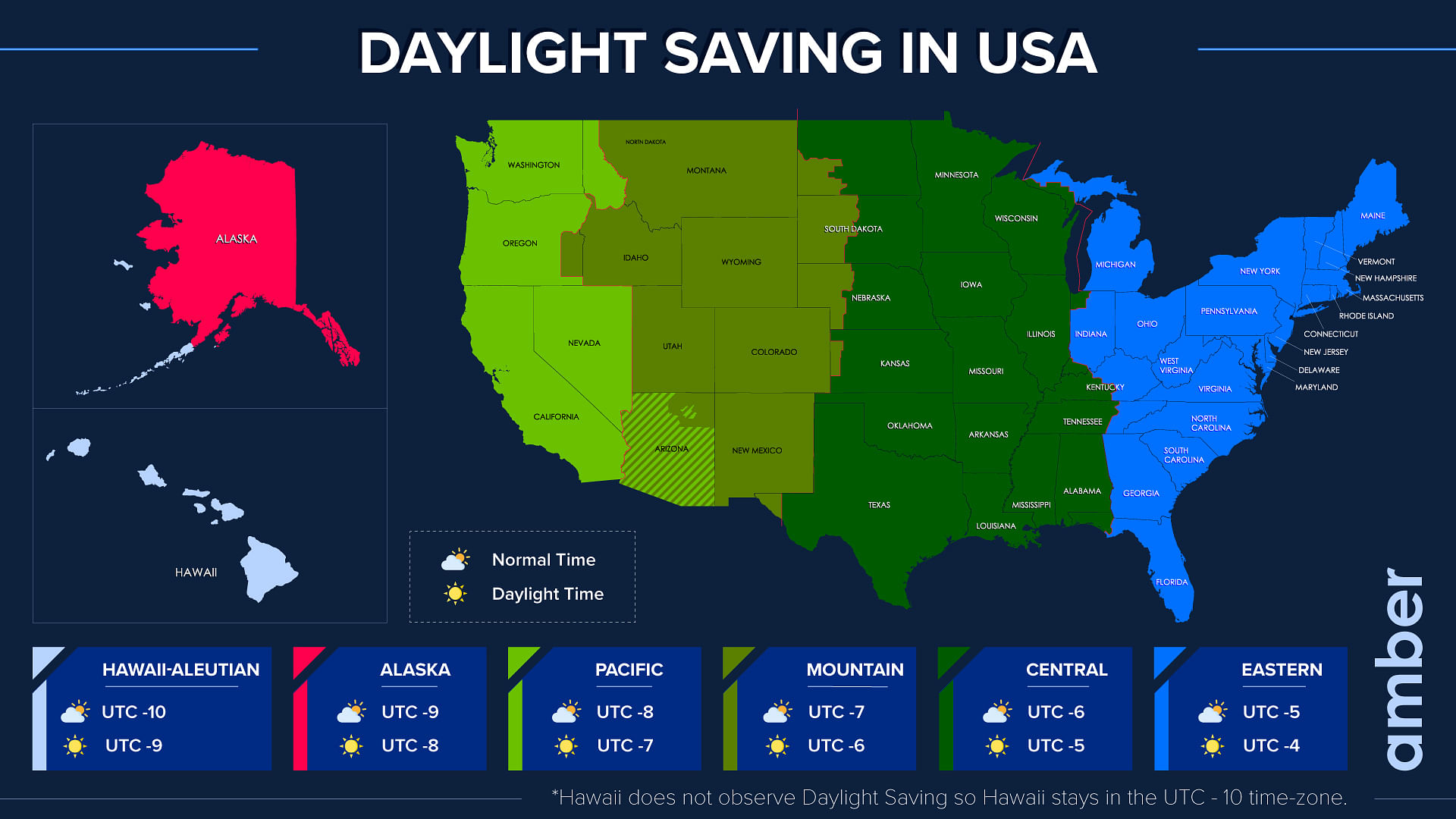
- During Daylight Saving Time (Summer Months): When the mainland United States observes DST (roughly March to November), these differences increase by one hour:
- 2 hours behind Pacific Daylight Time (PDT)
- 3 hours behind Mountain Daylight Time (MDT)
- 4 hours behind Central Daylight Time (CDT)
- 5 hours behind Eastern Daylight Time (EDT)
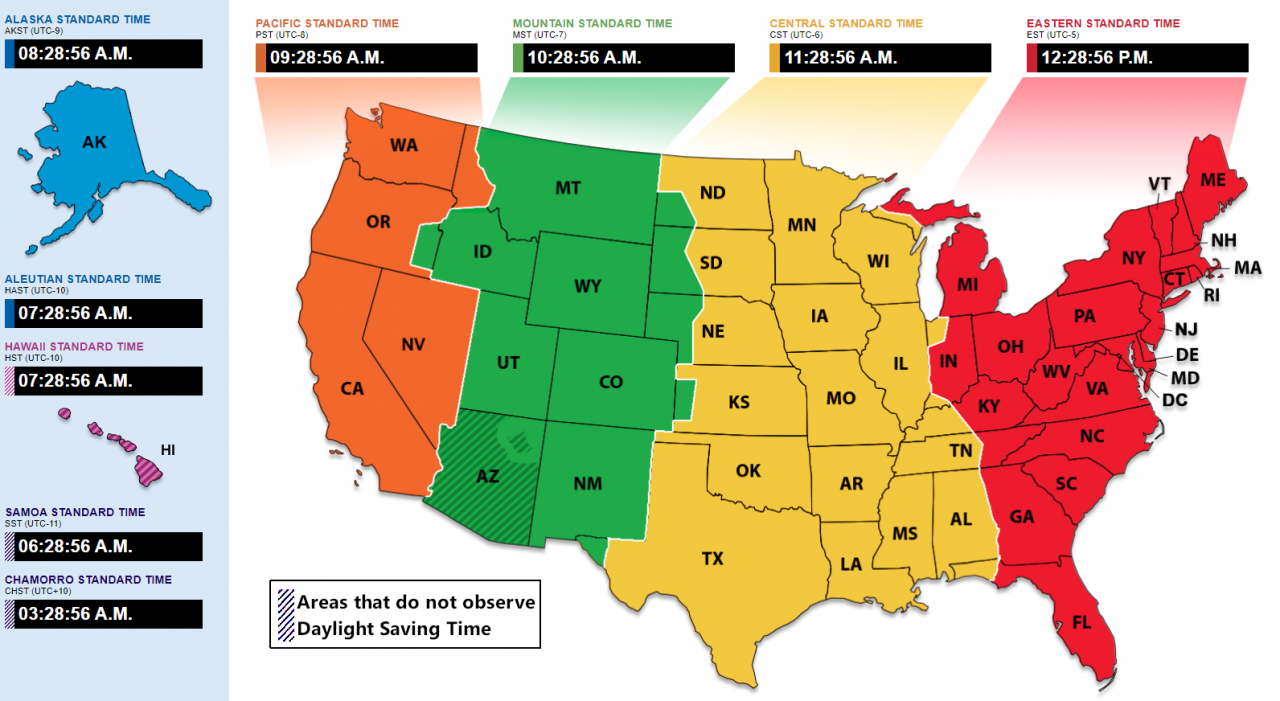
This means that during summer, when the rest of the country “springs forward,” the time difference between Hawaii and the East Coast can be as much as five or six hours. This extended gap can contribute to a more noticeable jet lag for some travelers, making the initial days of a trip a period of adjustment. However, the consistent Hawaii Standard Time once you arrive provides a stable environment for acclimatization.
International Considerations
For visitors from outside North America, understanding Hawaii’s time zone is equally vital. International flights often arrive at Daniel K. Inouye International Airport in Honolulu at various local times, and having a fixed time reference simplifies scheduling onward connections, tours, and hotel check-ins. Travelers from Asia, Australia, and Europe will need to factor in significant time differences, which will remain constant regardless of the season, eliminating any potential confusion from DST changes in either their home country or Hawaii. This predictability is a subtle benefit that enhances the overall visitor experience, ensuring that time-sensitive plans, such as diving excursions or dinner reservations, run smoothly.
Impact on Daily Activities and Planning
The consistent time zone in Hawaii has several practical implications for your vacation:
- Flights and Transfers: Always double-check flight times in local Hawaii Standard Time. Arrival and departure times for inter-island flights between destinations like Oahu, Maui, Kauai, and the Big Island will remain constant, simplifying your island-hopping itinerary.
- Tours and Excursions: Most guided tours, activity bookings, and restaurant reservations will adhere strictly to HST. There’s no need to worry about a “spring forward” or “fall back” impacting your morning surf lessons or sunset catamaran cruises.
- Sunrise and Sunset: Due to Hawaii’s equatorial proximity, sunrise and sunset times do not vary drastically throughout the year. Sunrises generally occur between 6:00 AM and 7:15 AM, and sunsets between 5:45 PM and 7:15 PM. This predictability is a boon for photographers and early risers hoping to catch the perfect dawn glow, or for those planning sunset dinners and cruises. Knowing the consistent times helps in planning visits to landmarks like the summit of Haleakala National Park on Maui for a sunrise spectacle.
- Business Hours: Shops, restaurants, and other businesses operate on consistent schedules year-round. This predictability is another small convenience that adds to the seamless experience of a Hawaiian vacation.
Embracing Hawaii’s Unique Rhythms
Hawaii’s decision to forgo Daylight Saving Time is more than just a legislative quirk; it’s an integral part of the islands’ laid-back ethos and practical approach to life. It encourages visitors to embrace the natural rhythms of the sun, which, in Hawaii, are wonderfully consistent.
The Beauty of Consistent Daylight
The absence of DST means that the natural light cycle dictates daily life. Mornings are bright and early, often perfect for an invigorating walk along Waikiki Beach or an early hike up Diamond Head to beat the heat. Evenings, while not extended by an artificial clock adjustment, still offer ample time for a glorious sunset viewing from Kaanapali Beach on Maui or a relaxing luau. This consistent pattern allows for deeper immersion in the local culture, where the flow of the day is often dictated by the sun and surf, rather than a clock that changes arbitrarily. It fosters a sense of timelessness, a key component of the relaxing Hawaiian lifestyle.
Planning Your Hawaiian Adventure with Time in Mind
When mapping out your Hawaiian adventure, consider the implications of the fixed time zone:
- Adjusting to the Time Difference: Give yourself a day or two to adjust, especially if coming from the East Coast of the United States. Plan lighter activities for your arrival day and stay hydrated.
- Maximizing Morning Light: With sunrises typically between 6:00 AM and 7:15 AM, mornings are fantastic for activities like snorkeling, surfing, or visiting popular attractions before the crowds gather. Consider an early start for the Road to Hana or a drive to Waimea Canyon on Kauai.
- Enjoying Consistent Evenings: Early evenings are perfect for leisurely dinners, sunset cruises, or a stroll through Lahaina town. Since the sunset time doesn’t shift, you can reliably plan your evening activities well in advance.
- Communication with Home: Remember the significant time difference when calling family or friends back home, especially during their Daylight Saving Time period. A morning call from Honolulu could be late afternoon or evening for them.

Beyond the Clock: Experiencing Hawaii’s Allure
While the absence of Daylight Saving Time offers a subtle layer of convenience, the true magic of Hawaii lies in its unparalleled natural beauty, rich culture, and diverse experiences. The website’s focus on travel, hotels, tourism, accommodation, landmarks, and lifestyle all converge to create an unforgettable journey.
Iconic Landmarks and Attractions
Hawaii is brimming with world-renowned landmarks and attractions that captivate every visitor. On Oahu, delve into history at Pearl Harbor, hike to the iconic summit of Diamond Head for panoramic views of Waikiki, or immerse yourself in Polynesian culture at the Polynesian Cultural Center. The lush landscapes of Kauai offer the breathtaking Na Pali Coast, best experienced by helicopter or boat, and the majestic Waimea Canyon, often dubbed the “Grand Canyon of the Pacific.” On Maui, witness spectacular sunrises from Haleakala National Park and navigate the winding Road to Hana, stopping at numerous waterfalls and scenic points. The Big Island is home to the dramatic landscapes of Volcanoes National Park, where you might witness active lava flows, and the towering peaks of Mauna Kea. Each island offers a unique array of sights and sounds, promising diverse experiences for every type of traveler.
Unforgettable Accommodation Options
From luxurious resorts to charming boutique hotels and cozy vacation rentals, Hawaii offers an incredible range of accommodation choices to suit any budget or lifestyle.
- Luxury Resorts: Indulge in unparalleled opulence at establishments like the Four Seasons Resort Maui at Wailea or The Ritz-Carlton, Kapalua on Maui, offering world-class amenities, spa services, and oceanfront suites.
- Family-Friendly Hotels: For those traveling with children, options like Disney Aulani Resort & Spa on Oahu or the Hilton Hawaiian Village Waikiki Beach Resort provide extensive facilities, kids’ clubs, and diverse dining options.
- Historic and Boutique Stays: Experience the grandeur of old Hawaii at The Royal Hawaiian, a Luxury Collection Resort in Waikiki, known as the “Pink Palace of the Pacific,” or opt for a more intimate setting at a charming boutique hotel in Kona or Lahaina.
- Vacation Rentals and Villas: For longer stays or those seeking more privacy, villas and apartments found through booking platforms offer a home-away-from-home experience, often with full kitchens and more space, ideal for family trips or group travel.
Immersive Cultural and Lifestyle Experiences
Beyond the stunning scenery and comfortable accommodations, Hawaii invites visitors to delve into its rich Polynesian culture and relaxed island lifestyle.
- Local Culture: Engage with the vibrant traditions of Hawaii through a traditional luau featuring hula dancing and local food, visit historic sites like Iolani Palace, or explore museums such as the Bishop Museum to learn about the islands’ history, art, and natural sciences. A traditional lei greeting upon arrival is a quintessential Hawaiian experience.
- Food Scene: Savor the unique flavors of Hawaiian cuisine, from fresh poke bowls and authentic plate lunches to upscale farm-to-table dining experiences. Explore local farmers’ markets for fresh tropical fruits and artisanal products. Don’t miss sampling a famous shave ice or a fragrant Maui Pineapple Tour.
- Outdoor Activities: Embrace the adventurous spirit of the islands with surfing lessons, snorkeling or diving in crystal-clear waters, hiking through lush rainforests to discover hidden waterfalls like Akaka Falls State Park, or paddleboarding along tranquil bays. The consistent weather and daylight hours make outdoor exploration a year-round pleasure.
- Shopping: For retail therapy, Ala Moana Center in Honolulu offers a vast array of international brands and local boutiques. Elsewhere, charming small towns like Hanapepe on Kauai or Paia on Maui provide unique artisanal goods and souvenirs.
In conclusion, the answer to “Does Hawaii have Daylight Saving Time?” is a definitive no, and this consistent timekeeping is just one of many elements that contribute to the islands’ reputation as a hassle-free, idyllic destination. This simple fact allows visitors to fully immerse themselves in the rhythm of the Pacific, focusing on the breathtaking scenery, rich culture, and unforgettable experiences that await in the Aloha State. By understanding this time zone consistency, travelers can plan their dream Hawaiian getaway with greater ease and confidence, ensuring every moment is spent enjoying the magic of these incredible islands.
LifeOutOfTheBox is a participant in the Amazon Services LLC Associates Program, an affiliate advertising program designed to provide a means for sites to earn advertising fees by advertising and linking to Amazon.com. Amazon, the Amazon logo, AmazonSupply, and the AmazonSupply logo are trademarks of Amazon.com, Inc. or its affiliates. As an Amazon Associate we earn affiliate commissions from qualifying purchases.