
The story of how the United States came to acquire Hawaii is a complex narrative woven with exploration, economic ambition, political maneuvering, and cultural shifts. Far from a simple purchase or peaceful integration, it involved a series of events spanning decades, culminating in the controversial overthrow of a sovereign monarchy and the eventual annexation of the islands. Today, Hawaii stands as a vibrant U.S. state, renowned for its breathtaking natural beauty, unique Polynesian culture, and world-class tourist attractions, but its path to statehood is deeply rooted in this intricate history. Understanding this acquisition provides invaluable context for appreciating the islands’ rich heritage and the enduring spirit of the Hawaiian people.
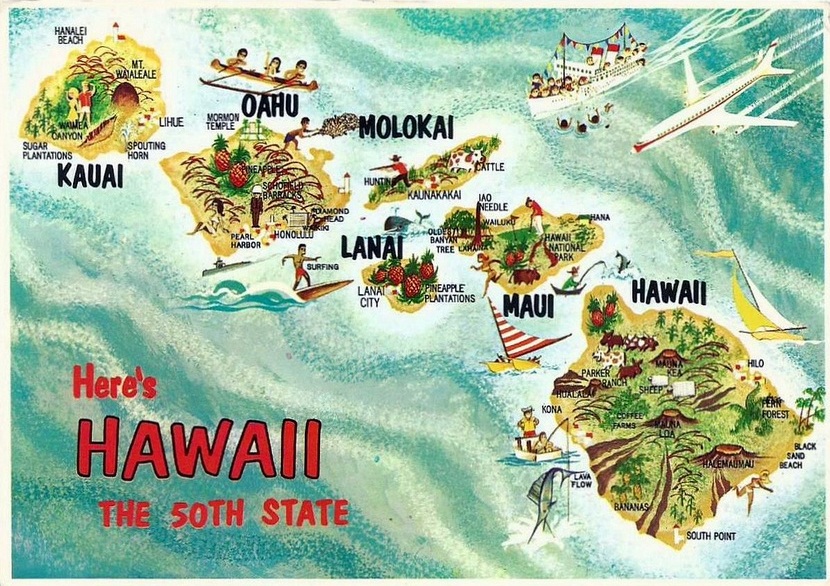
A Sovereign Gem in the Pacific: Early Hawaii’s Allure
Before the widespread arrival of Western powers, the Hawaiian Islands flourished as an independent kingdom, rich in culture, tradition, and a unique socio-political structure. The allure of these islands was immense, not just for their fertile lands and strategic location in the vast Pacific Ocean, but also for the distinct society that had evolved over centuries.
The Rise of the Hawaiian Kingdom
For centuries, the Hawaiian Islands were governed by a system of independent chiefdoms. It wasn’t until the late 18th and early 19th centuries that a powerful warrior, Kamehameha I, managed to unite all the islands under a single rule, establishing the Hawaiian Kingdom in 1810. This pivotal moment brought an unprecedented era of peace and stability, fostering a distinct national identity. The kingdom’s governance was sophisticated, with a well-defined legal system, land tenure, and social hierarchy. The Hawaiian people lived in harmony with their environment, practicing sustainable agriculture and fishing, and nurturing a deep spiritual connection to their land, or aina. Their vibrant culture, expressed through hula, chant, surfing, and intricate craftsmanship, was thriving.
First Encounters and Growing Western Interest
The initial contact with the Western world began dramatically with the arrival of Captain James Cook in 1778, who named them the “Sandwich Islands.” This encounter, while bringing new goods and ideas, also introduced diseases that devastated the native population. Despite these challenges, the Hawaiian Kingdom proved remarkably resilient, engaging in trade and diplomacy with major global powers like Great Britain, France, and the United States. Honolulu, the capital, quickly became a bustling port for whaling ships and merchant vessels traversing the Pacific.
The strategic location of Hawaii made it an attractive hub for various interests. For the United States, particularly, the islands offered a crucial coaling station for its growing naval and merchant fleets operating between the American West Coast and Asia. This burgeoning interest laid the groundwork for future economic and political entanglements, transforming the islands from isolated outposts to highly coveted geopolitical assets.
The Seeds of Change: Growing Western Influence and Political Strife
As the 19th century progressed, the influence of Western powers, particularly the United States, deepened within the Hawaiian Kingdom. This period was marked by significant economic transformation, increasing foreign presence, and a gradual erosion of native Hawaiian political power.
Missionaries, Merchants, and Economic Transformation
The early 19th century saw the arrival of American Protestant missionaries from New England. While driven by religious fervor, they also brought Western education, literacy, and new social norms, profoundly impacting Hawaiian society. Many of their descendants remained in Hawaii, transitioning from religious pursuits to highly profitable agricultural ventures, especially sugar plantations.
The sugar industry became the dominant economic force in Hawaii. American plantation owners amassed vast wealth and influence, creating an oligarchy that controlled much of the islands’ economy. The demand for labor led to significant immigration from China, Japan, the Philippines, and Portugal, dramatically altering Hawaii’s demographics and social fabric. These powerful foreign businessmen, often naturalized Hawaiian subjects, began to exert considerable pressure on the monarchy to protect their economic interests, which increasingly aligned with annexation by the United States. They viewed annexation as a means to secure duty-free access to the lucrative American market, avoiding tariffs that occasionally threatened their profits.
The Bayonet Constitution and Loss of Sovereignty
The growing power of these American and European businessmen reached a critical point in 1887 with the imposition of the “Bayonet Constitution.” Forced upon King Kalākaua by an armed militia known as the Hawaiian League (composed primarily of American and European residents), this document drastically curtailed the monarch’s power and disenfranchised most native Hawaiians by imposing strict property requirements for voting. It transferred significant legislative authority to the cabinet, which was largely controlled by foreign interests, including Sanford B. Dole, who would play a key role in later events.
The Bayonet Constitution effectively stripped the Hawaiian monarchy of its executive authority and set the stage for further challenges to the kingdom’s sovereignty. It represented a profound betrayal to the native Hawaiian population and ignited a strong nationalist sentiment to restore their rightful governance. This period laid bare the vulnerability of the kingdom to foreign interference and the growing chasm between the native population and the increasingly powerful foreign elite.
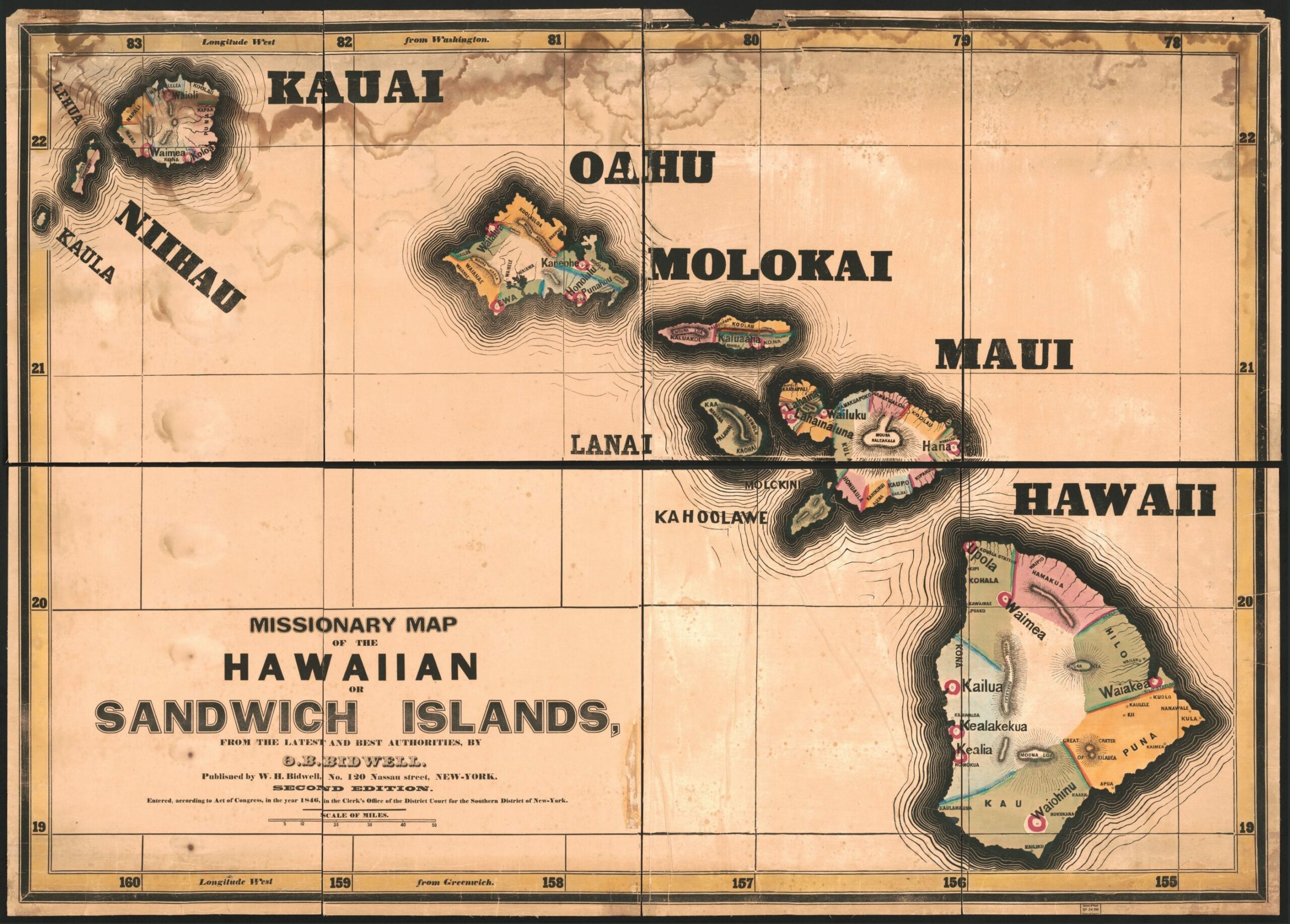
The Overthrow of the Monarchy: A Pivotal Moment
The stage was set for a dramatic confrontation between the dwindling power of the Hawaiian monarchy and the escalating ambitions of the foreign-dominated planter and business class. This tension reached its apex with the reign of Queen Liliʻuokalani.
Queen Liliʻuokalani’s Attempts to Restore Power
Upon her ascension to the throne in 1891, Queen Liliʻuokalani inherited a kingdom profoundly weakened by the Bayonet Constitution. A highly educated and deeply patriotic monarch, she understood the imperative of restoring power to the Hawaiian people and reclaiming sovereignty from the foreign elite. Her primary goal was to promulgate a new constitution that would abolish the restrictions of the Bayonet Constitution and grant voting rights to a broader segment of the population, thereby strengthening the monarchy and native Hawaiian political participation.
Her efforts, however, were met with fierce opposition from the oligarchy, largely composed of American and European sugar planters and businessmen, who feared losing their immense political and economic influence. These individuals had a vested interest in maintaining the status quo, or even accelerating annexation to the United States for economic stability and protection. The queen’s determination to reclaim national self-determination was perceived as a direct threat to their interests and a barrier to their ultimate goal of annexation.

The 1893 Coup and the Role of the U.S. Marines
On January 17, 1893, the long-simmering tensions erupted into a coup d’état. A group of thirteen men, predominantly American and European residents, organized as the Committee of Safety, orchestrated the overthrow of the Hawaiian Kingdom. Their actions were swiftly supported by John L. Stevens, the U.S. Minister to Hawaii, who ordered approximately 160 armed U.S. Marines from the USS Boston to land in Honolulu under the pretext of protecting American lives and property.
While the Marines did not directly participate in the capture of the Iolani Palace or confront the royal forces, their visible presence intimidated the queen and her loyalists, effectively preventing any organized resistance. Facing superior firepower and the implied threat of direct U.S. military intervention, Queen Liliʻuokalani chose to surrender peacefully to avoid bloodshed, issuing a statement that she yielded her authority “under protest and impelled by the said force to the Government of the United States.” She believed that the United States government, upon review of the facts, would reinstate her rightful rule. This peaceful capitulation, under duress, became a critical point of contention in the ongoing debate about the legitimacy of the overthrow.
From Republic to Annexation: Hawaii’s Path to the United States
Following the overthrow, the trajectory of Hawaii was steered by the new provisional government towards annexation, though this path was not without its own political hurdles and internal resistance within the United States.
The Republic of Hawaii and U.S. Indecision
Immediately after the coup, the Committee of Safety established a provisional government, which soon declared itself the Republic of Hawaii in 1894, with Sanford B. Dole as its president. This new republic was effectively controlled by the same small group of wealthy American and European businessmen who had orchestrated the overthrow. Their primary goal was to secure annexation by the United States as quickly as possible.
However, annexation was not a foregone conclusion. President Grover Cleveland, who took office shortly after the overthrow, was appalled by the circumstances surrounding the coup. He launched an investigation, the Blount Report, which concluded that the overthrow was an illegal act perpetrated by American citizens with the direct involvement of the U.S. Minister and Marines. President Cleveland refused to annex Hawaii and even sought to restore Queen Liliʻuokalani to her throne, but the provisional government refused to relinquish power. For several years, the issue of annexation remained stalled in Washington D.C., as significant opposition existed from anti-imperialists and those who recognized the injustice committed against the Hawaiian Kingdom.
The Spanish-American War as a Catalyst for Annexation
The geopolitical landscape shifted dramatically in 1898 with the outbreak of the Spanish-American War. This conflict, which saw the United States project its military power into the Caribbean and the Pacific, highlighted Hawaii’s immense strategic value as a naval base and coaling station for ships en route to the Philippines. The war spurred a renewed and urgent interest in acquiring Hawaii for national security purposes, overriding previous moral objections.
Advocates for annexation, including then-Assistant Secretary of the Navy Theodore Roosevelt and President William McKinley, argued that Hawaii was essential for projecting American power across the Pacific and securing its growing commercial interests. In this changed political climate, the previous reservations faded.
The Newlands Resolution and Formal Annexation
With public and political opinion now largely in favor of acquisition, the United States Congress moved forward. Rather than a formal treaty, which would have required a two-thirds majority in the Senate and likely faced opposition, proponents chose to pursue annexation via a joint resolution, which only required a simple majority in both houses. On July 7, 1898, President William McKinley signed the Newlands Resolution, officially annexing the Republic of Hawaii to the United States.
On August 12, 1898, a formal transfer of sovereignty took place at the Iolani Palace in Honolulu. The Hawaiian flag was lowered, and the American flag was raised, marking the end of Hawaiian independence. The majority of the native Hawaiian population vehemently opposed annexation, petitioning the U.S. Congress with tens of thousands of signatures, but their voices were ultimately ignored in the face of American expansionist ambitions.
A Lasting Legacy: Hawaii as a U.S. State and Global Destination
The annexation fundamentally altered the trajectory of the Hawaiian Islands, transforming them from a sovereign nation into a U.S. territory and, eventually, a state. This legacy continues to shape the islands, influencing everything from their unique cultural identity to their global reputation as a premier travel destination.
Hawaii as a U.S. Territory and Statehood
Following annexation, Hawaii became an organized U.S. territory in 1900. During this territorial period, Pearl Harbor was developed into a crucial naval base, solidifying Hawaii’s strategic military importance. The sugar and pineapple industries, largely dominated by companies like the Dole Food Company, continued to thrive, but the territorial government brought new infrastructure, educational systems, and political integration with the mainland. Decades later, after overcoming racial prejudices and concerns about its unique demographics and distance from the mainland, Hawaii was admitted as the 50th state of the United States on August 21, 1959, following a plebiscite in which a vast majority voted for statehood.
Cultural Resilience and Modern Tourism
The history of acquisition has left an indelible mark on Hawaii’s cultural landscape. Despite the profound shifts, native Hawaiian culture has shown remarkable resilience. Efforts to revive the Hawaiian language, traditional practices, and artistic expressions are strong, fostering a deeper appreciation for the islands’ indigenous roots. Visitors today to Oahu, Maui, Kauai, or the Big Island are often enchanted by the unique blend of cultures – Hawaiian, Asian, and American – that defines contemporary Hawaii.
Tourism, a cornerstone of the modern Hawaiian economy, has flourished since statehood. Destinations like Waikiki are globally recognized for their stunning beaches, luxurious resorts, and diverse range of experiences. From exploring historic sites like the Iolani Palace, the only royal palace on U.S. soil, to hiking volcanic landscapes, visiting memorials like Pearl Harbor, or immersing oneself in local traditions, Hawaii offers a rich tapestry for travelers. Understanding the islands’ complex history, including the contentious process of U.S. acquisition, enriches the visitor’s experience, providing a deeper connection to the land, its people, and their enduring spirit of aloha. This historical context invites visitors to engage with the culture and beauty of Hawaii not just as a tropical escape, but as a place with a profound and compelling story.