
Montana, often heralded as the “Big Sky Country,” beckons with its breathtaking landscapes, abundant outdoor recreation, and a pace of life that contrasts sharply with the bustling metropolises of the nation. For those considering a move or an extended visit, understanding the cost of living is paramount. This guide delves into the financial considerations of residing in Montana, exploring various facets that contribute to the overall expense, from housing and utilities to everyday necessities and the unique lifestyle it affords. While Montana may not boast the exorbitant price tags of coastal cities, its charm comes with its own set of financial realities, often influenced by its vast geography and growing popularity.
Housing Expenses: The Largest Slice of the Pie
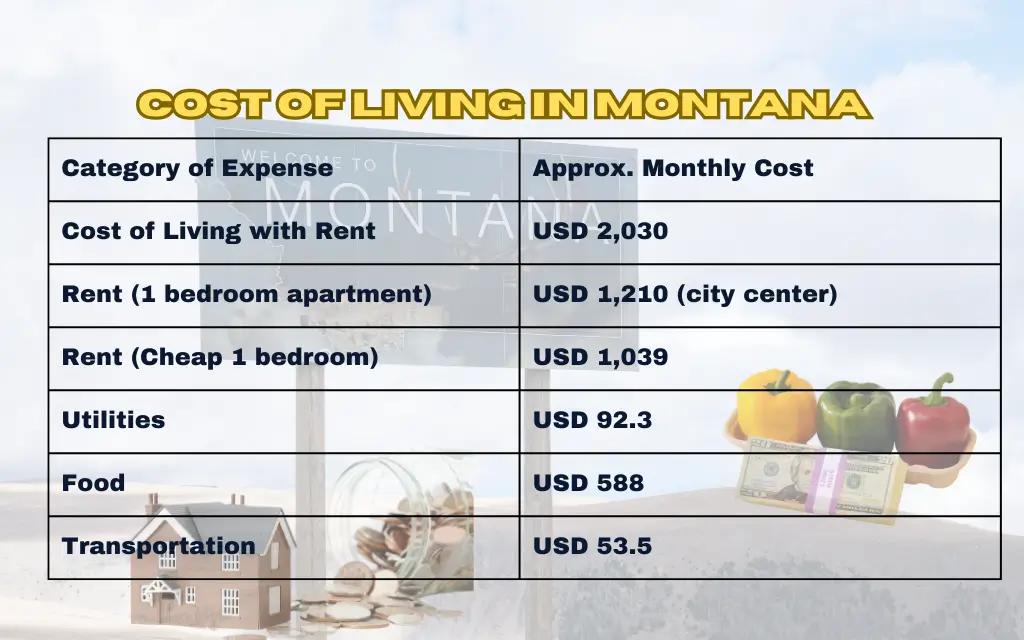
Housing typically represents the most significant expenditure for any resident, and Montana is no exception. The cost of real estate and rent varies dramatically across the state, influenced by factors such as proximity to major cities, desirable amenities, and the overall economic climate of a particular region.
Homeownership Costs
The dream of owning a home in Montana is attainable, but the investment can be substantial. In recent years, popular towns and cities like Bozeman, Missoula, and areas near Yellowstone National Park have experienced significant appreciation in property values. This surge is driven by increased demand from both local residents and individuals relocating from more expensive states, seeking the Montana lifestyle.
- Median Home Prices: As of recent data, the median home price in Montana hovers around the mid-$400,000s, but this figure can easily exceed $600,000 or even $700,000 in high-demand areas like Bozeman. Smaller towns or more remote regions might offer more affordable options, with median prices dipping into the low $300,000s.
- Property Taxes: Property taxes in Montana are generally considered moderate, but they are calculated based on the market value of your property. The statewide average effective property tax rate is around 0.75%, but this can vary by county and local mill levies. Homeowners should factor in these annual costs, which contribute to funding local services and schools.
- Home Insurance: Given Montana’s susceptibility to natural events like wildfires and severe winter weather, homeowners’ insurance can be a significant cost. Premiums will depend on the location, coverage levels, and the age and condition of the property.
Rental Market Dynamics
For those who prefer flexibility or are not ready for homeownership, renting in Montana presents its own set of considerations. The rental market has also seen an increase in prices, mirroring the trends in homeownership.
- Average Rent: A one-bedroom apartment in a desirable area like Missoula might range from $1,300 to $1,800 per month, while a two-bedroom could easily be between $1,600 and $2,300. In smaller towns or less populated areas, these figures can be substantially lower, perhaps $900 to $1,300 for a one-bedroom.
- Deposit and Fees: Landlords typically require a security deposit, usually equivalent to one or two months’ rent, and may also charge application fees.
- Availability: In popular tourist destinations or rapidly growing cities, rental availability can be scarce, leading to increased competition and potentially higher prices.
Daily Living Expenses: Beyond Housing
While housing is a major factor, numerous other daily expenses contribute to the overall cost of living in Montana. These include utilities, transportation, groceries, and healthcare.
Utilities: Keeping the Lights On and the Home Comfortable
Utility costs in Montana can be variable, particularly due to seasonal climate shifts. Heating in the long, cold winters can significantly impact energy bills.
- Electricity and Gas: Monthly electricity bills can range from $80 to $200 or more, depending on usage and the size of the home. Natural gas, primarily used for heating, can be a substantial cost during winter months, potentially reaching $150 to $300+ for a single month.
- Water and Sewer: These services are generally more consistent, often falling between $50 and $100 per month.
- Internet and Cable: High-speed internet is increasingly essential. Costs typically range from $70 to $120 per month, depending on the provider and the speed package chosen. Cable television bundles can add another $50 to $150 or more to the monthly bill.
Transportation: Navigating Big Sky Country
Montana’s vastness means that transportation is often a necessity, and the costs associated with it can add up.
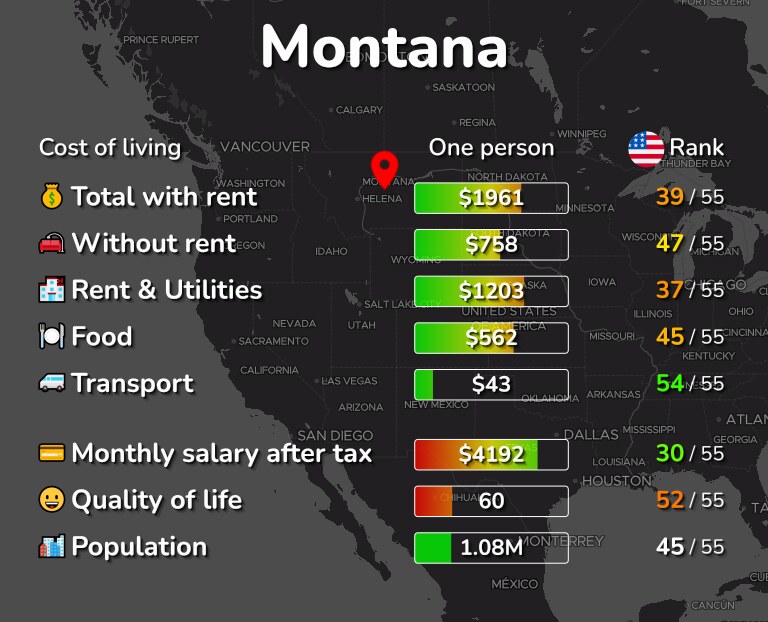
- Vehicle Ownership: Given the distances between towns and services, owning a reliable vehicle is almost essential for most residents. This includes the cost of purchasing a car, insurance (which can be higher in rural areas or for certain demographics), fuel, and maintenance.
- Fuel Prices: Fuel prices in Montana tend to fluctuate similarly to national averages but can sometimes be higher due to transportation costs to remote areas.
- Public Transportation: Public transportation options are limited, especially outside of larger cities like Billings or Missoula. Those relying solely on public transit may find it challenging to access all necessary services and amenities.
Groceries and Food: Sourcing Your Provisions
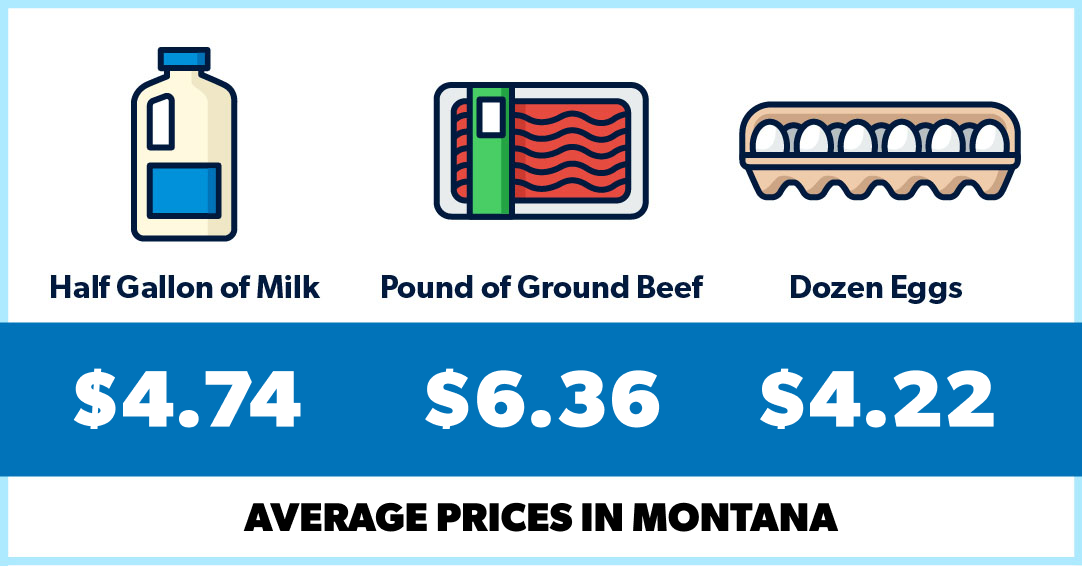
The cost of groceries in Montana can be influenced by its rural nature and the distance goods must travel. While some areas have access to large supermarkets with competitive pricing, others may rely on smaller, more isolated stores with higher markups.
- Supermarket Prices: Expect grocery prices to be slightly higher than the national average, particularly for fresh produce and specialty items. A monthly grocery bill for a single person might range from $300 to $500, while a family of four could spend $800 to $1,200 or more, depending on dietary habits and shopping choices.
- Local Options: Supporting local farmers’ markets can sometimes offer fresher produce at comparable prices, especially during peak season. However, year-round availability of diverse fresh foods might be limited in some regions.
Healthcare: Access and Affordability
Healthcare costs are a concern nationwide, and Montana is no exception. Access to specialized medical care can be more limited in rural areas, potentially requiring travel to larger cities.
- Insurance Premiums: Health insurance premiums vary widely based on the provider, coverage level, and individual circumstances. Residents should research options through the Affordable Care Act marketplace or employer-sponsored plans.
- Out-of-Pocket Costs: Beyond premiums, deductibles, co-pays, and co-insurance contribute to out-of-pocket healthcare expenses. For those in remote areas, travel to medical appointments can also incur additional costs.
Lifestyle and Recreation: The Intangible Value
Montana’s allure often lies in its unparalleled access to the outdoors and its distinctive lifestyle, which can have its own financial implications.
Outdoor Recreation: Embracing the Wild
The primary draw for many to Montana is its stunning natural beauty and the opportunities for outdoor pursuits. This lifestyle, while often perceived as “free,” does come with associated costs.
- Gear and Equipment: Activities like skiing, snowboarding, hiking, fishing, and camping require investment in specialized gear, which can range from a few hundred dollars for basic hiking equipment to thousands for high-end ski gear or a boat.
- Passes and Permits: National and state parks, such as Glacier National Park or Flathead Lake State Park, often require entrance fees or passes. Fishing and hunting licenses are also necessary for those engaging in these activities.
- Travel to Trailheads and Resorts: Many of the most desirable outdoor locations are remote, requiring significant fuel and time to access. Ski resorts like Big Sky Resort or Whitefish Mountain Resort have their own costs for lift tickets and amenities.
Dining and Entertainment: Local Flavors and Experiences
Montana offers a range of dining and entertainment options, from casual local diners to more upscale establishments.
- Restaurant Costs: Dining out can vary significantly. A casual meal at a diner might cost $15-$25 per person, while a dinner at a more formal restaurant in a city like Bozeman could easily be $50-$100+ per person, excluding drinks and tip.
- Entertainment: Activities like attending local festivals, live music events, or visiting museums typically have entrance fees or ticket costs.
Conclusion: Balancing the Books in Big Sky Country
The cost of living in Montana is a complex equation, influenced by personal choices, location, and lifestyle. While housing remains a primary expense, careful budgeting for utilities, transportation, groceries, and healthcare is essential. The intangible benefits of living amidst Montana’s natural splendor and embracing its outdoor-centric lifestyle are immense, but they do require a financial commitment. For those who prioritize wide-open spaces, adventure, and a slower pace of life, understanding these costs is the first step toward making the dream of calling Montana home a sustainable reality.
LifeOutOfTheBox is a participant in the Amazon Services LLC Associates Program, an affiliate advertising program designed to provide a means for sites to earn advertising fees by advertising and linking to Amazon.com. Amazon, the Amazon logo, AmazonSupply, and the AmazonSupply logo are trademarks of Amazon.com, Inc. or its affiliates. As an Amazon Associate we earn affiliate commissions from qualifying purchases.