
Yellowstone National Park, a realm of geothermal wonders and breathtaking landscapes, is often mistakenly thought of as being exclusively within the borders of its most famous state. While a significant portion of the park resides in Wyoming, and a smaller part in Idaho, the northern reaches of this iconic wilderness extend into Montana. For travelers planning a visit, understanding the Montana entrances and access points is crucial for crafting an unforgettable Yellowstone adventure. Montana offers unique perspectives and gateways into the park, providing access to different ecosystems and fewer crowds, particularly during peak season.
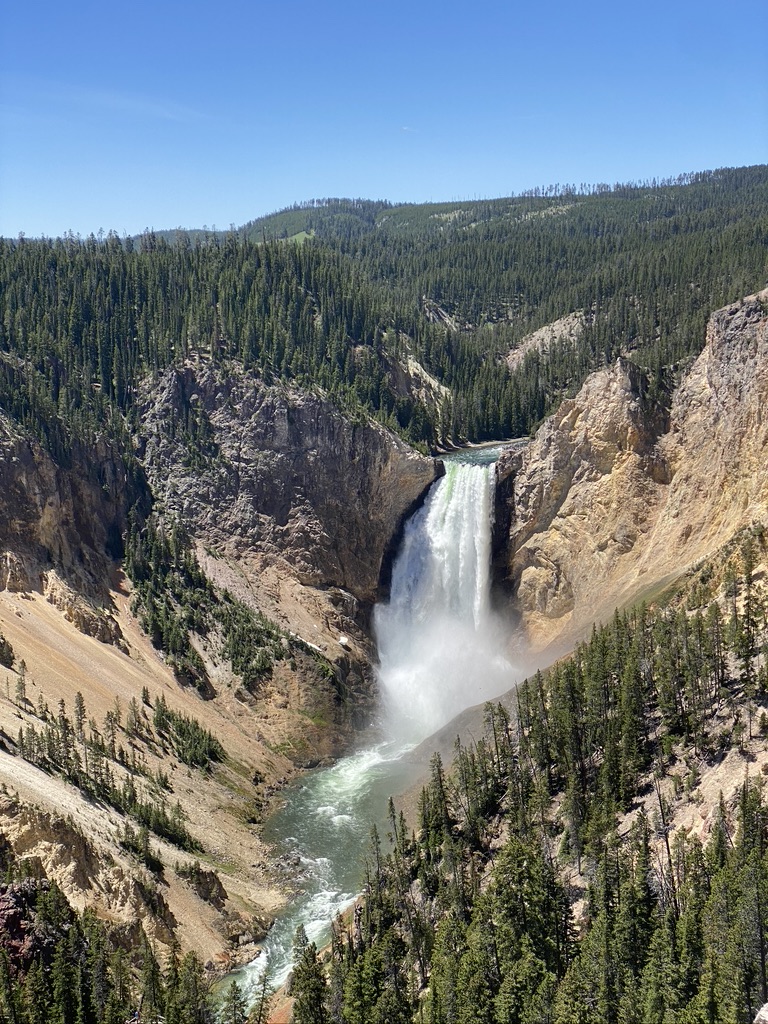
Montana’s Northern Gateways to Yellowstone
Montana serves as a vital entry point for many visitors seeking to experience the grandeur of Yellowstone National Park. The state boasts two primary entrances: the North Entrance near Gardiner, Montana, and the Northeast Entrance near Cooke City-Silver Gate, Montana. Each offers a distinct introduction to the park’s diverse attractions.
The North Entrance: A Historic Gateway
The North Entrance, located in Gardiner, Montana, is one of the oldest and most used entrances to Yellowstone National Park. As you pass through the iconic Roosevelt Arch, a monumental stone structure erected in 1903, you immediately enter the Mammoth Hot Springs area.
Mammoth Hot Springs: A Terraced Wonderland
Mammoth Hot Springs is the park’s headquarters and a natural marvel. Its travertine terraces, sculpted by hot springs over millennia, create a surreal landscape of steaming pools, vibrant mineral deposits, and intricate formations. Visitors can explore the terraces via boardwalks, marveling at the dynamic geological processes at play. The area is also a prime location for spotting wildlife, including elk, which frequently graze in the vicinity of the historic buildings.
- Upper Terraces: Accessible via a scenic drive or hiking trails, these offer a more extensive exploration of the hot spring formations.
- Lower Terraces: These are more easily viewed from the boardwalks and are home to some of the most famous formations like Minerva Terrace and Palette Spring.
- Historic Fort Yellowstone: The area was once a U.S. Army post, and the preserved buildings offer a glimpse into the park’s early history and management.
The town of Gardiner itself provides lodging, dining, and amenities for visitors before or after their park excursions. Its proximity to the North Entrance makes it a convenient base for exploring the northern section of the park.
The Northeast Entrance: A Scenic Byway
The Northeast Entrance, situated near the charming mountain communities of Cooke City-Silver Gate, Montana, is a portal to one of the park’s most wild and remote areas. The drive to this entrance itself is a spectacular experience, traversing the Custer Gallatin National Forest. This route leads into the Lamar Valley, often referred to as the “Serengeti of North America” due to its abundant wildlife.
Lamar Valley: Wildlife Haven
The Lamar Valley is renowned for its vast open meadows and the incredible concentration of wildlife that calls it home. This is the best place in Yellowstone National Park to observe wolves, bison, pronghorn, bears, and a multitude of other mammals. Early morning and late evening are prime times for viewing, as animals are most active during these cooler parts of the day.
- Wolf Watching: The reintroduction of wolves has been a major success story in Yellowstone, and the Lamar Valley offers some of the best opportunities to spot these elusive predators. Binoculars and spotting scopes are highly recommended.
- Bison Herds: Massive herds of bison frequently cross or graze in the valley, providing unforgettable viewing opportunities.
- Scenic Overlooks: Numerous pull-offs and designated viewing areas allow visitors to safely observe wildlife without disturbing their natural behavior.

The communities of Cooke City-Silver Gate offer a rustic and authentic mountain town experience, with limited lodging and dining options, catering to those who appreciate a more secluded immersion in nature.
Accessing Yellowstone from Montana
When planning your trip, it’s important to consider which Montana entrance best suits your interests and desired experiences within Yellowstone National Park.
Planning Your Entry
- For Geothermal Features and History: The North Entrance near Gardiner provides direct access to Mammoth Hot Springs, the park’s historical heart. From here, you can easily connect to the Grand Loop Road, leading you towards other popular destinations.
- For Wildlife Viewing: The Northeast Entrance is unparalleled for wildlife enthusiasts, offering immediate access to the Lamar Valley. This route is particularly favored by photographers and those seeking a more wild and less crowded experience, especially during shoulder seasons.
Seasonal Considerations and Road Status
It’s crucial to be aware of seasonal road closures within Yellowstone National Park. While the North Entrance and the road to Mammoth Hot Springs are typically open year-round, the road beyond Mammoth Hot Springs towards Cooke City-Silver Gate via Dunraven Pass (the Grand Loop Road) is subject to winter closure. However, the Beartooth Highway (U.S. Highway 212), which leads to the Northeast Entrance from the east, is a breathtaking scenic byway that is also seasonally closed. Always check the official Yellowstone National Park website for the most up-to-date information on road conditions and closures before your visit, especially if you are planning to enter or exit via Montana during the spring, fall, or winter months.
Beyond the Park: Exploring Montana’s Yellowstone Region
The Montana side of Yellowstone offers more than just park access; it presents its own set of unique attractions and experiences that complement a visit to the national park.
Charming Towns and Local Culture
The towns that serve as gateways to Yellowstone from Montana possess a distinct character, shaped by their proximity to the wilderness and their history.
- Gardiner: Situated at the mouth of the Gardiner River, Gardiner is a lively gateway town. It offers a range of accommodations, from cozy lodges to more modern hotels, and a variety of restaurants. Its vibrant main street is a hub for outdoor outfitters, art galleries, and souvenir shops. The town’s location makes it an excellent starting point for exploring both Mammoth Hot Springs and the northern reaches of the park.
- Cooke City-Silver Gate: These two adjacent communities offer a more remote and rustic experience. Life here moves at a slower pace, reflecting the rugged beauty of the surrounding Absaroka-Beartooth Wilderness. Visitors will find a handful of charming lodges, historic saloons, and local eateries. The primary draw is the unparalleled access to the Lamar Valley and the opportunity for serious backcountry exploration.
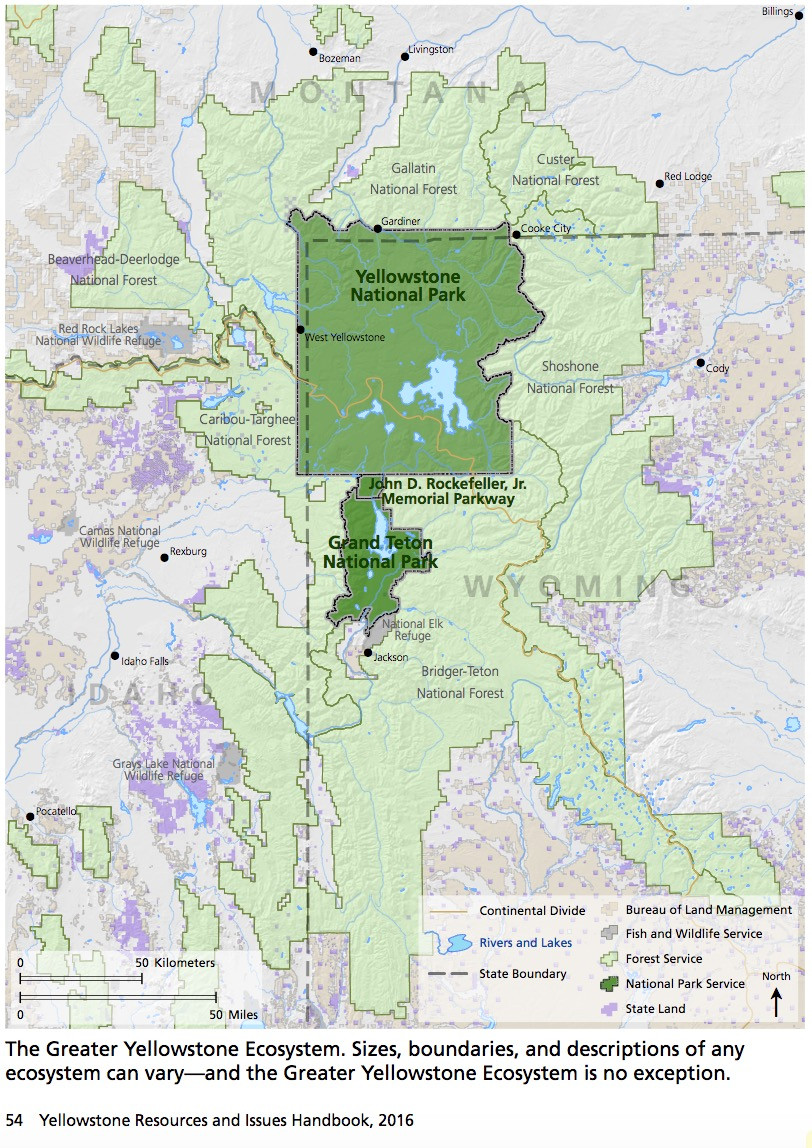
Outdoor Adventures in Montana’s Yellowstone Country
The areas surrounding the Montana entrances are destinations in themselves for outdoor enthusiasts.
- Fishing: The Yellowstone River and its tributaries, as well as numerous smaller streams and rivers in the region, offer world-class fly-fishing opportunities.
- Hiking: Beyond the trails within Yellowstone National Park, the surrounding national forests provide extensive hiking networks, leading to alpine lakes, mountain vistas, and secluded wilderness.
- Scenic Drives: The drive to the Northeast Entrance via the Beartooth Highway (U.S. Highway 212) is often cited as one of the most scenic drives in the United States. Open seasonally, it ascends to high alpine plateaus, offering panoramic views and access to hiking trails and stunning geological features. This highway connects to the Absaroka-Beartooth Wilderness, a vast protected area of rugged mountain terrain.
By understanding the specific access points and attractions offered by Montana, travelers can better plan their visit to Yellowstone National Park, ensuring they experience the full breadth of this extraordinary natural wonder, from its geothermal marvels to its iconic wildlife.
LifeOutOfTheBox is a participant in the Amazon Services LLC Associates Program, an affiliate advertising program designed to provide a means for sites to earn advertising fees by advertising and linking to Amazon.com. Amazon, the Amazon logo, AmazonSupply, and the AmazonSupply logo are trademarks of Amazon.com, Inc. or its affiliates. As an Amazon Associate we earn affiliate commissions from qualifying purchases.