
The question of whether lane splitting is legal in Nebraska is a critical one for motorcyclists navigating the state’s roadways. As motorcycling gains popularity for its sense of freedom and efficiency, understanding the specific traffic laws governing this activity is paramount for rider safety and legal compliance. This article delves into the current legal landscape of lane splitting in Nebraska, exploring the nuances of motorcycle operation and the rationale behind existing regulations, ultimately aiming to provide clarity for both riders and other road users.
Understanding Lane Splitting
Lane splitting, also known as filtering or lane sharing, refers to the practice where a motorcyclist rides between two lanes of stopped or slow-moving traffic. The primary motivations behind lane splitting often include reducing rider exposure to the dangers of being stationary in traffic, such as being rear-ended, and improving travel time, particularly in congested urban areas like Omaha or Lincoln.

The Mechanics and Perceived Benefits
The act itself involves a motorcyclist carefully maneuvering their bike between lanes of vehicles moving at significantly lower speeds than the open road. Proponents argue that this practice can:
- Enhance Safety: By moving out of the flow of traffic, motorcyclists can potentially avoid situations where they are vulnerable to collisions from behind. A stationary motorcycle is a tempting target for inattentive drivers.
- Improve Traffic Flow: In scenarios of gridlock, motorcycles can often navigate through congestion more efficiently, potentially freeing up road space and reducing overall travel times for all vehicles.
- Reduce Rider Fatigue and Heat Exposure: Sitting stationary in hot weather, encased in riding gear, can be physically taxing and uncomfortable. Lane splitting allows for continuous movement, mitigating these issues.
However, the legality and safety of lane splitting are subjects of ongoing debate across the United States, with varying approaches adopted by different states.
The Legal Status of Lane Splitting in Nebraska
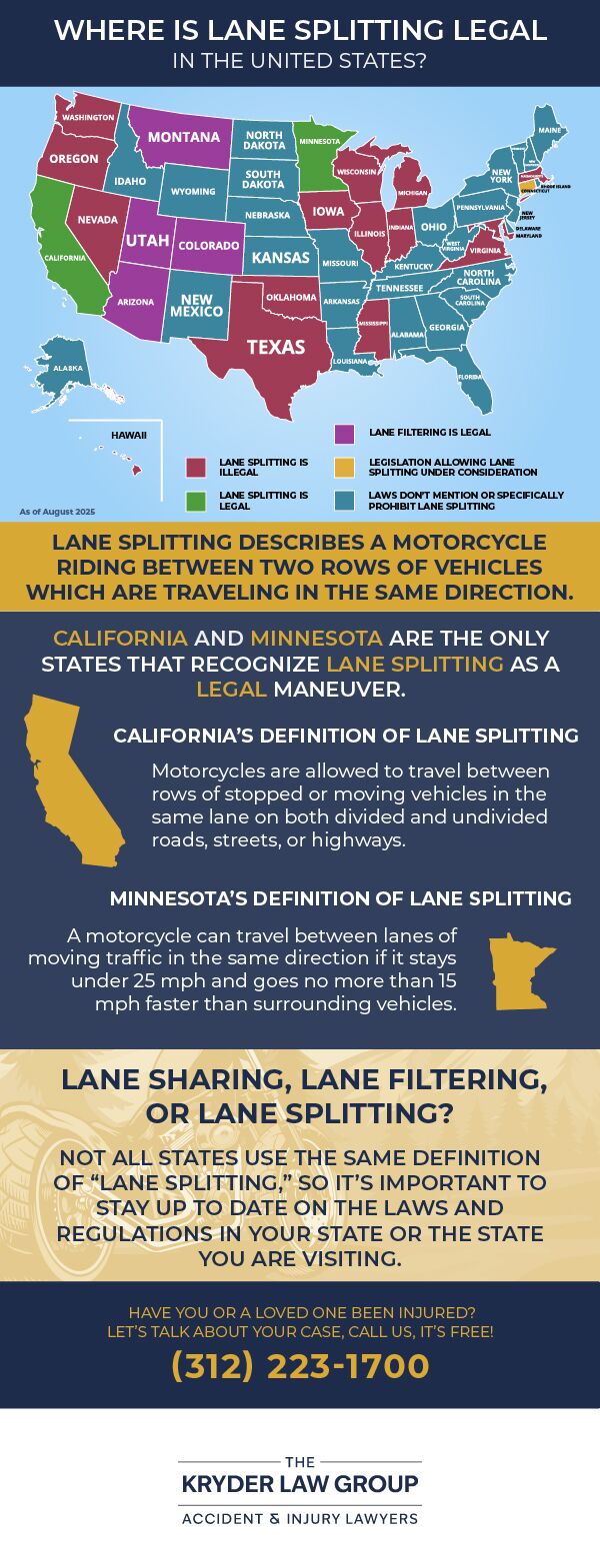
As of the latest legislative updates, lane splitting is explicitly illegal in Nebraska. The state’s vehicle code does not permit motorcyclists to operate their vehicles between lanes of traffic. This stance places Nebraska among a majority of states that have not legalized this practice.
Nebraska’s Motorcycle Laws
Nebraska Revised Statute § 60-6,175 addresses the operation of motorcycles. While it outlines specific provisions for motorcycles, including requirements for helmets and headlights, it does not contain any exceptions or allowances for lane splitting. The general framework of traffic laws in Nebraska is designed to ensure that all vehicles maintain their designated lanes and operate in a predictable manner.
The statute implies that vehicles are to operate within a single lane. When a motorcyclist deviates from this by moving between lanes of traffic, it can be construed as an improper lane change or a violation of rules pertaining to vehicle operation within a lane. This can lead to citations for traffic violations, including but not limited to:
- Improper Lane Usage: Operating a vehicle in a manner that deviates from standard lane discipline.
- Reckless Driving: If the maneuver is performed in a manner deemed unsafe or endangering others.
- Following Too Closely: In some interpretations, moving between vehicles could be seen as a violation of maintaining safe distances.
Enforcement and Penalties
Law enforcement officers in Nebraska are tasked with enforcing traffic laws to ensure the safety of all road users. Motorcyclists observed lane splitting are subject to being pulled over and issued citations. The penalties for such violations can vary, typically involving fines and potential points on the driver’s license. The severity of the penalty may also depend on the specific circumstances, such as the speed of the traffic, the manner in which the lane splitting was executed, and whether it contributed to a dangerous situation.
Arguments For and Against Legalization
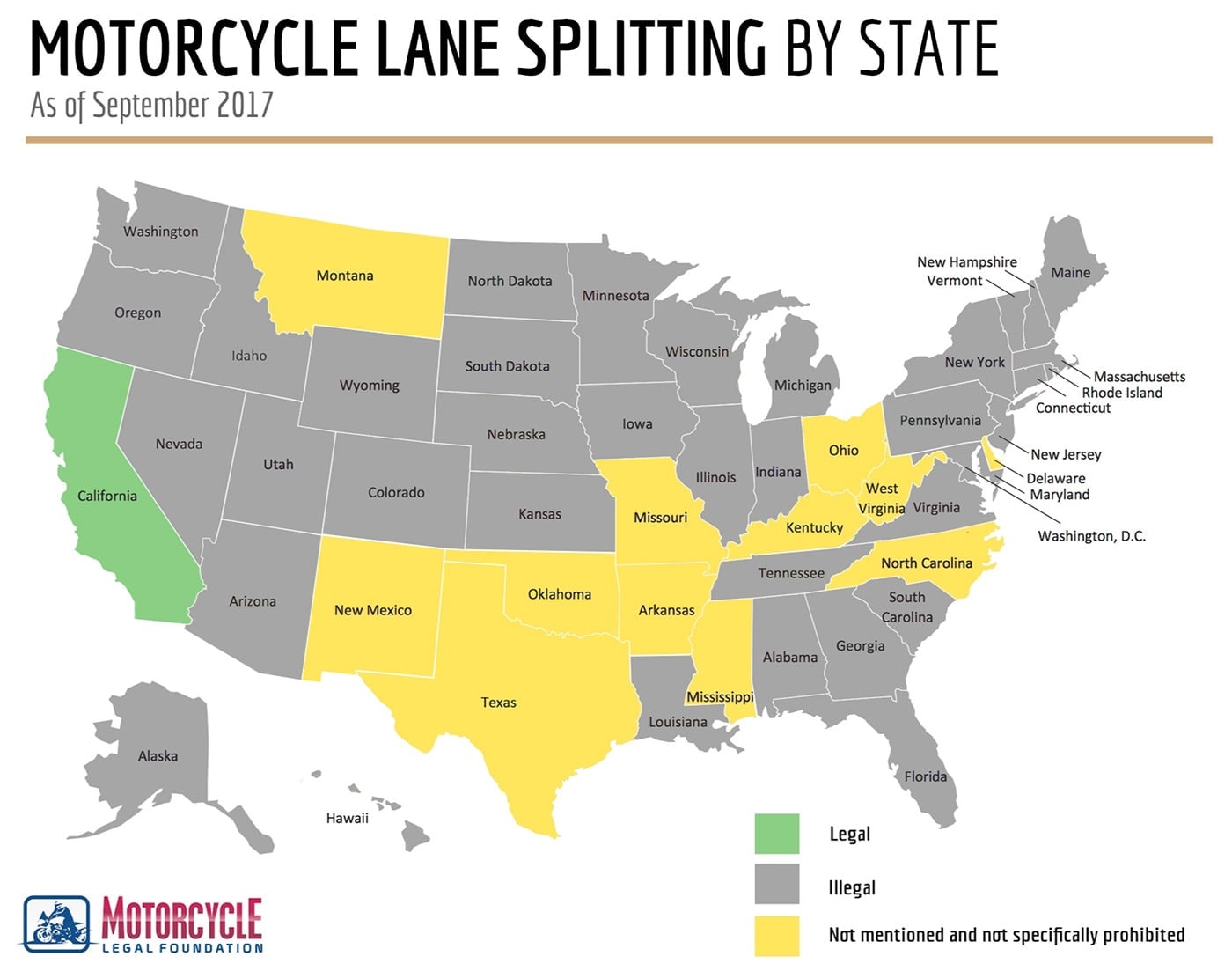
The debate over lane splitting’s legality is multifaceted, with compelling arguments presented by both proponents and opponents. Understanding these perspectives is crucial for appreciating the complexities surrounding this issue in states like Nebraska.
Arguments Supporting Legalization
Advocates for legalizing lane splitting often highlight safety benefits, drawing on studies from states where it is permitted, such as California. They argue that by allowing motorcyclists to filter through traffic, it can:
- Reduce Rear-End Collisions: This is frequently cited as a primary safety benefit. Motorcyclists are often less visible than larger vehicles, making them susceptible to being struck from behind when stopped or moving slowly in traffic. Filtering can mitigate this risk.
- Decrease Rider Frustration and Risk-Taking: When riders are forced to sit in congestion, frustration can build, potentially leading to more aggressive or risky behavior when an opportunity to move arises. Legalization can provide a controlled outlet.
- Improve Overall Traffic Efficiency: As mentioned earlier, motorcycles can take up less space and move more freely, contributing to smoother traffic flow in congested conditions.
- Align with International Practices: Many countries in Europe and Asia have long permitted and regulated lane splitting, demonstrating its viability as a safe and practical mode of transport.
Arguments Against Legalization
Opponents of lane splitting often voice concerns about the potential for increased accidents and the difficulty in predicting the actions of motorcyclists performing this maneuver. Key arguments against legalization include:
- Increased Risk of Collisions: Critics contend that lane splitting inherently increases the risk of collisions. Drivers may not anticipate a motorcycle appearing between lanes, leading to unexpected swerves or sudden braking.
- Potential for Rider Injury: Even at low speeds, collisions involving motorcycles can result in severe injuries. The dynamic nature of lane splitting, with varying speeds between lanes, could exacerbate this risk.
- Challenges in Enforcement and Driver Awareness: It can be difficult for drivers to consistently be aware of and react to motorcycles filtering through traffic. This lack of predictability can be a significant safety concern.
- Perception of Recklessness: Some view lane splitting as an inherently aggressive or unsafe practice, regardless of the speed at which it is performed.
The Future of Lane Splitting in Nebraska
While lane splitting is currently illegal in Nebraska, the conversation around motorcycle safety and traffic laws is continually evolving. As more data becomes available from states that have legalized or are considering legalization, Nebraska lawmakers may revisit the issue.
Potential for Legislative Change
Any move towards legalizing lane splitting would likely involve a thorough review of existing research, including studies on accident data, rider behavior, and the effectiveness of regulatory frameworks in other jurisdictions. If legislation were to be considered, it would likely include specific provisions for:
- Speed Limitations: Establishing maximum speeds at which lane splitting is permissible relative to the speed of surrounding traffic.
- Conditions for Operation: Defining the circumstances under which lane splitting is allowed (e.g., only in slow or stopped traffic, not during adverse weather conditions).
- Rider Training and Licensing: Potentially requiring specialized training or endorsements for riders who wish to engage in lane splitting.
- Driver Awareness Campaigns: Implementing public awareness initiatives to educate other road users about the presence and behavior of motorcyclists who are lane splitting.
The Importance of Rider Responsibility
Regardless of legal status, responsible motorcycle operation is paramount. Riders in Nebraska, even if facing restrictions, should always prioritize safety. This includes:
- Maintaining Visibility: Wearing brightly colored gear and ensuring headlights are operational.
- Defensive Riding: Anticipating the actions of other drivers and being prepared to react.
- Adhering to Traffic Laws: Obeying speed limits, signal indications, and lane usage rules.
- Staying Informed: Keeping up-to-date with current traffic laws and regulations pertaining to motorcycles in Nebraska.
Conclusion
Currently, lane splitting is not legal in Nebraska. Motorcyclists operating in the state must adhere to existing traffic laws that prohibit riding between lanes of moving or stopped vehicles. While the debate surrounding lane splitting continues nationwide, with ongoing discussions about its safety and efficiency implications, Nebraska’s legal framework remains unchanged. For motorcyclists in the Cornhusker State, understanding and respecting these regulations is essential for safe and lawful riding. As the dialogue on motorcycle dynamics and traffic management evolves, it is possible that Nebraska’s stance could be re-evaluated in the future, potentially leading to new regulations or even legalization under specific conditions. Until then, riders are advised to exercise caution and abide by the established laws of the road.
LifeOutOfTheBox is a participant in the Amazon Services LLC Associates Program, an affiliate advertising program designed to provide a means for sites to earn advertising fees by advertising and linking to Amazon.com. Amazon, the Amazon logo, AmazonSupply, and the AmazonSupply logo are trademarks of Amazon.com, Inc. or its affiliates. As an Amazon Associate we earn affiliate commissions from qualifying purchases.