
Nebraska, a state renowned for its sweeping prairies, agricultural heartland, and a rich tapestry of natural beauty, boasts a state bird that perfectly encapsulates its enduring spirit and connection to the land. While many might associate the state with vast cornfields or the mighty Missouri River, its avian emblem tells a story of resilience, adaptability, and quiet determination. The answer to “What is the state bird for Nebraska?” is the Western Meadowlark. This decision, formalized through legislative action, reflects a deep appreciation for the bird’s presence across the state and its symbolic resonance with Nebraska’s character.
The Western Meadowlark: A Symbol of the Plains
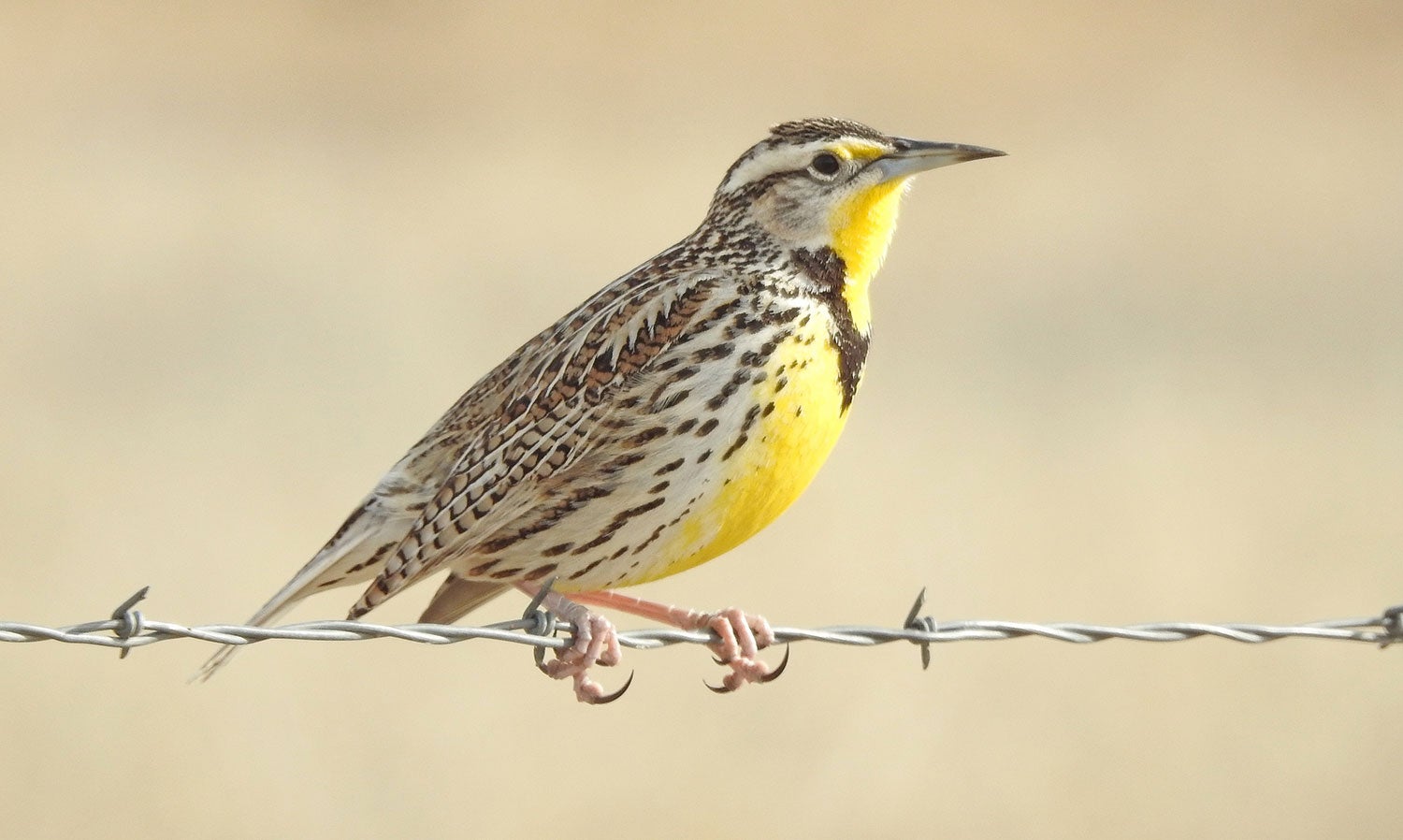
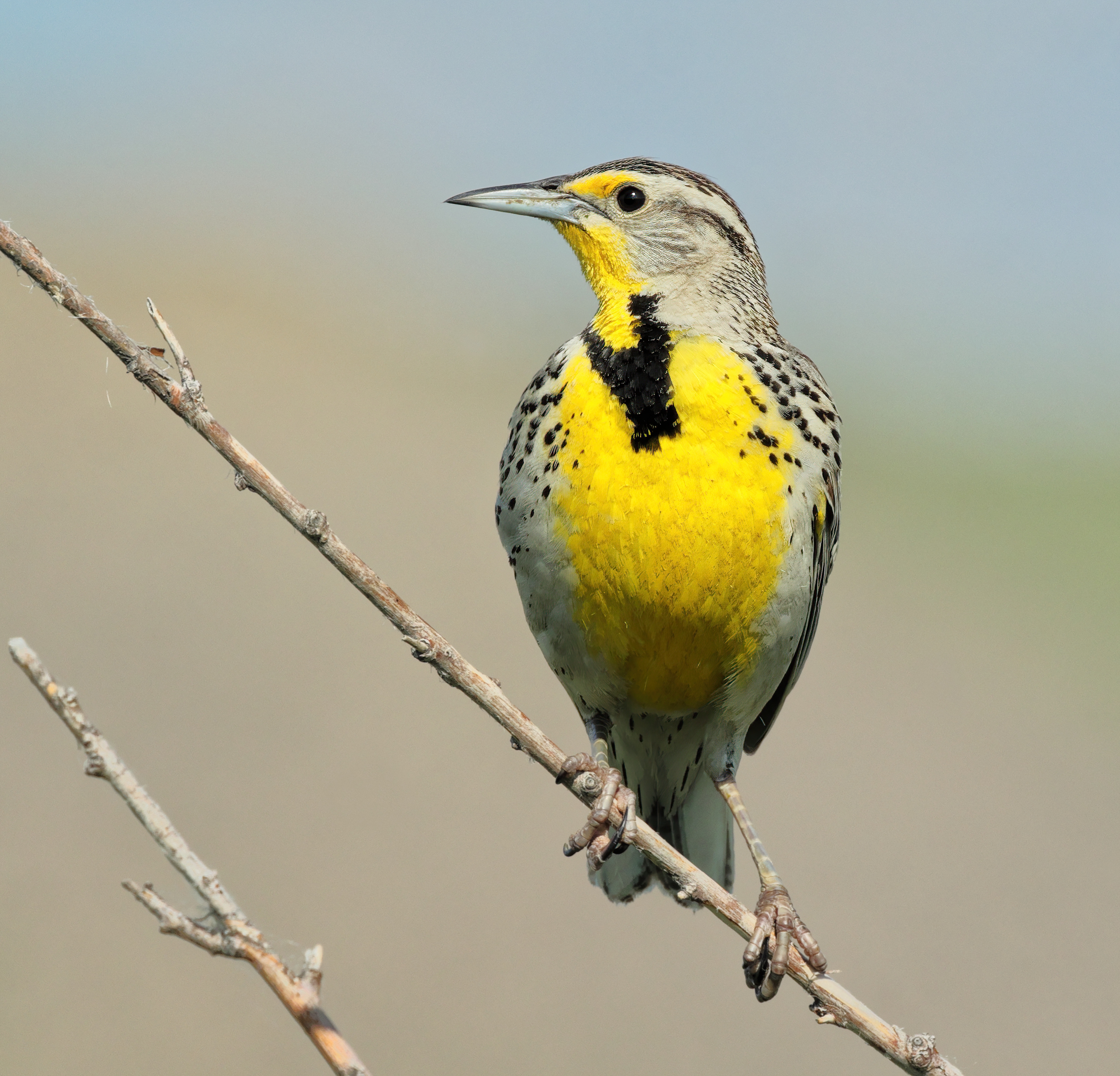
The Western Meadowlark ( Sturnella neglecta) is a member of the Icteridae family, which also includes orioles and blackbirds. It is a medium-sized bird, measuring about 9 to 11 inches in length. Its most distinctive feature is its vibrant yellow breast, marked with a prominent black “V” shape. The back and wings are a mottled brown and black, providing excellent camouflage against the dry grasses and soil of its habitat. Its song is one of its most celebrated characteristics: a clear, flutelike whistle that is both melodious and distinctive, often described as one of the most beautiful bird songs in North America. This song is particularly noticeable during the spring and summer months, filling the Nebraska landscape with its cheerful presence.
Discovery and Designation
The choice of the Western Meadowlark as the state bird was not an arbitrary one. It was officially adopted on March 21, 1929, by the Nebraska Legislature. This designation followed a period of public discussion and popular sentiment that favored this particular species. The bird’s widespread distribution across the state’s grasslands and agricultural areas made it a familiar sight to most Nebraskans. Its presence in diverse environments, from open fields to the edges of woodlands, further cemented its status as a representative species of the state’s natural heritage. The adoption of the Western Meadowlark was a conscious effort to recognize and honor a creature that is intrinsically linked to the visual and auditory landscape of Nebraska.
Ecological Significance and Habitat
The Western Meadowlark is a bird of open country. Its preferred habitat includes grasslands, prairies, meadows, pastures, and agricultural fields, all of which are abundant across Nebraska. These birds are ground-nesters, typically building their nests in dense grass, which provides protection from predators and the elements. They are omnivorous, feeding on insects such as grasshoppers, beetles, and caterpillars during the warmer months, and switching to seeds and grains as these become more readily available in the fall and winter. This dietary flexibility allows them to thrive in a variety of conditions, a trait that mirrors the resilience of the Nebraska landscape itself. Their presence is often an indicator of healthy grassland ecosystems, making them important to the ecological balance of the state.
Experiencing the Western Meadowlark in Nebraska
While the Western Meadowlark is a common sight throughout Nebraska, experiencing its full presence often involves venturing into the state’s natural areas. These birds are most active during the early morning and late afternoon, when their songs are most frequently heard. Birdwatchers and nature enthusiasts can find opportunities to observe them in various settings, from state parks to national wildlife refuges.
Prime Locations for Observation
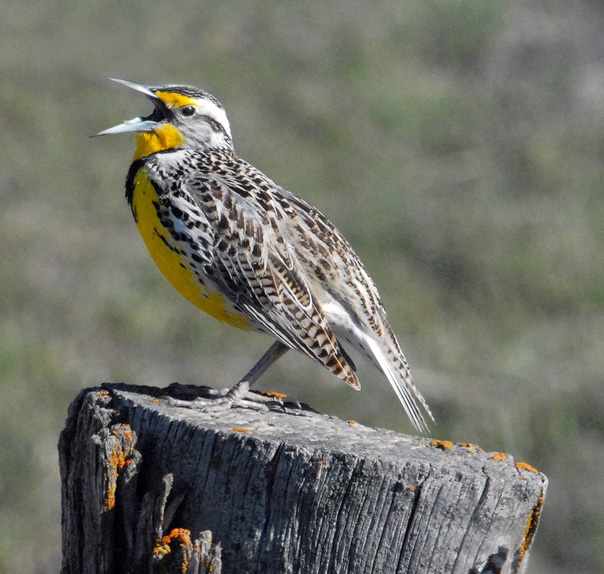
Several locations within Nebraska offer excellent opportunities to see and hear the Western Meadowlark. The vast open spaces are key to their habitat preference.
- Platte River State Park: Located near Louisville, this park features diverse landscapes including prairies and wooded areas, providing varied habitats where meadowlarks can be found. The sounds of their songs often accompany the natural beauty of the Platte River.
- Niobrara National Scenic River: While known for its stunning canyons and waterfalls, the more open areas along the Niobrara River and its tributaries also support populations of Western Meadowlarks.
- Sandhills Region: This expansive ecological region in central and western Nebraska is characterized by rolling sand dunes covered in native grasses. It is a quintessential habitat for the Western Meadowlark, and its presence is almost guaranteed in many parts of this unique landscape. Visitors exploring areas like the Valentine National Wildlife Refuge will likely encounter these birds.
- Agricultural Lands: Beyond designated parks and refuges, the rolling farmlands that dominate much of Nebraska provide ample habitat. Observing them along country roads or near farmsteads can be a delightful part of a rural Nebraska experience.
Tips for Birdwatching
To enhance the experience of spotting Western Meadowlarks, consider these tips:
- Timing: Dawn and dusk are the most active periods for singing and foraging.
- Equipment: Binoculars are essential for clear viewing, and a field guide to birds of North America can help with identification.
- Patience: Observe quietly from a distance to avoid disturbing the birds. Meadowlarks can be wary, and patience is key to a successful sighting.
- Listen: Their distinctive song is often the first indicator of their presence. Familiarizing yourself with their calls can greatly aid in finding them.
The Cultural Resonance of the Western Meadowlark
The selection of the Western Meadowlark as Nebraska’s state bird goes beyond mere ecological representation. It speaks to broader themes of identity, heritage, and the human connection to the natural world. The bird’s cheerful song and its ability to thrive in the open plains evoke a sense of optimism and resilience that is often associated with the spirit of Nebraska and its people.
Symbolism and Spirit
The Western Meadowlark embodies several qualities that resonate with the identity of Nebraska. Its bright yellow breast is often seen as a symbol of sunshine, warmth, and prosperity, reflecting the state’s agricultural bounty. The “V” marking can be interpreted in various ways, perhaps as a symbol of victory or the vastness of the open sky. Its melodious song is a constant reminder of the beauty and serenity found in the state’s natural landscapes, offering a peaceful counterpoint to the often demanding nature of life on the plains. In this sense, the bird serves as a constant, cheerful presence, a living symbol of the state’s enduring spirit and its connection to the land that sustains it.
A Natural Icon for the Cornhusker State
The Western Meadowlark is not unique to Nebraska; it is also the state bird of several other Western states, including Kansas, Montana, North Dakota, and Wyoming. This shared designation highlights the bird’s widespread appeal and its importance as an icon of the North American prairie ecosystem. For Nebraskans, however, the Western Meadowlark holds a special significance. It is a constant, familiar presence, a vibrant splash of color against the verdant and golden hues of the state’s landscapes, and its song is an integral part of the auditory tapestry of Nebraska. It is a reminder of the simple, profound beauty that can be found in the everyday natural world, a treasure that residents and visitors alike can appreciate and cherish. Whether one is exploring the trails of Scotts Bluff National Monument or driving through the scenic Omaha countryside, the presence of the Western Meadowlark is a gentle yet powerful affirmation of Nebraska’s unique natural charm.
LifeOutOfTheBox is a participant in the Amazon Services LLC Associates Program, an affiliate advertising program designed to provide a means for sites to earn advertising fees by advertising and linking to Amazon.com. Amazon, the Amazon logo, AmazonSupply, and the AmazonSupply logo are trademarks of Amazon.com, Inc. or its affiliates. As an Amazon Associate we earn affiliate commissions from qualifying purchases.