
Nebraska, a state often characterized by its vast plains and agricultural heartland, resides in the Midwestern United States. Its precise regional classification, however, can be nuanced, often placing it within broader geographical and cultural definitions. Understanding Nebraska’s regional identity is key to appreciating its unique character, its historical significance, and the diverse experiences it offers to visitors and residents alike. This exploration delves into the various ways Nebraska is categorized, from its federal statistical area designations to its cultural and economic connections within the larger American landscape.
Midwest Identity: The Great Plains and Beyond
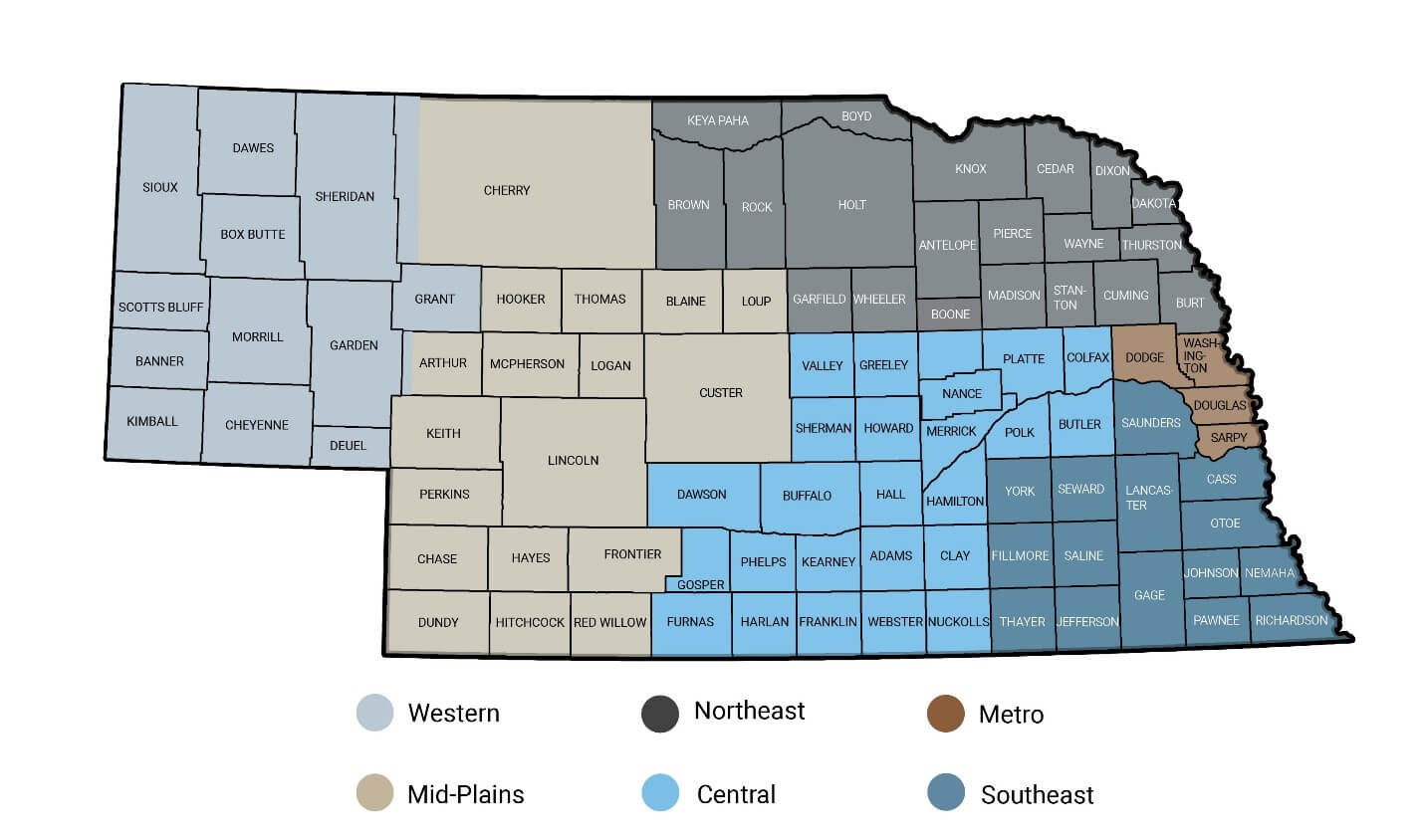
Nebraska is unequivocally a part of the Midwest, a region celebrated for its fertile farmlands, industrious spirit, and distinct cultural heritage. Within the Midwest, Nebraska is most prominently situated on the Great Plains, a vast expanse of flat to rolling terrain that stretches across the central part of the North American continent. This geographical positioning profoundly influences the state’s economy, its landscape, and the lifestyle of its inhabitants.
Defining the Great Plains
The Great Plains are not merely a geographical feature but a defining characteristic of Nebraska. This region is historically significant, having been a crucial pathway for westward expansion and a vital territory for Native American tribes for millennia. The undulating prairies, the wide-open skies, and the powerful rivers like the Missouri River are all hallmarks of the Great Plains experience. Nebraska’s role in this vast ecological and historical zone shapes its agricultural output, its resilience, and its connection to a broader continental narrative. The state’s identity is intrinsically linked to the imagery of golden fields, wind turbines dotting the horizon, and the enduring spirit of self-sufficiency fostered by this expansive environment.
Economic Ties and Agricultural Hub
Economically, Nebraska is deeply intertwined with the agricultural prowess of the Great Plains. It consistently ranks among the top states for agricultural production, particularly in corn, soybeans, and beef. This economic reality positions Nebraska as a vital contributor to the nation’s food supply and reinforces its identity as a core component of America’s agricultural heartland. Cities like Omaha and Lincoln serve as hubs for agribusiness, research, and distribution, further solidifying the state’s role within the broader Midwestern economic framework. The state’s commitment to sustainable farming practices and innovation in agricultural technology also positions it as a leader in this sector, influencing trends and policies across the region and beyond.
Federal and Statistical Designations: Navigating Regional Classifications
Beyond its broad geographical identity, Nebraska’s placement within more specific federal and statistical classifications helps to delineate its place within national frameworks. These designations are often used for data collection, policy-making, and understanding regional economic trends.
U.S. Census Bureau Regions
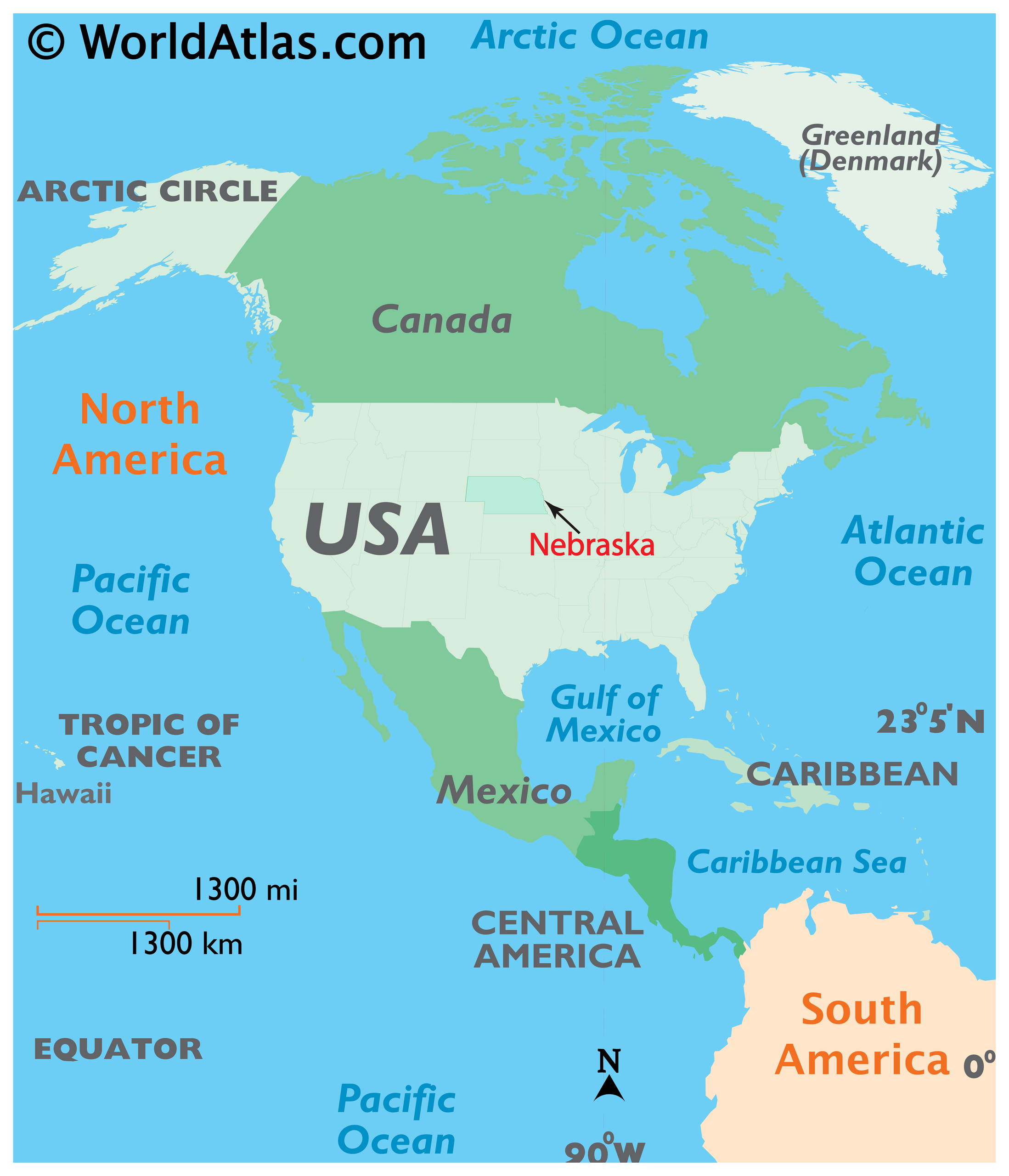
The U.S. Census Bureau categorizes the United States into four regions: the Northeast, the Midwest, the South, and the West. Under this classification, Nebraska is firmly placed within the Midwest Region. This division is a primary means by which governmental agencies and researchers organize demographic and economic data for comparative analysis. Within the Midwest, Nebraska is further grouped into the West North Central division, alongside states like Iowa, Kansas, Minnesota, Missouri, North Dakota, and South Dakota. This grouping highlights the shared characteristics and interconnections among these states, particularly concerning their agricultural economies and historical settlement patterns.
Office of Management and Budget (OMB) Definitions
The Office of Management and Budget (OMB) also defines regions, primarily for the administration of federal programs and the collection of statistical data related to economic and social conditions. While the OMB does not define broad “regions” in the same way as the Census Bureau, its definitions of Metropolitan Statistical Areas (MSAs) and Micropolitan Statistical Areas (μSAs) are crucial for understanding the populated and economically significant areas within Nebraska. Major MSAs like Omaha-Council Bluffs, NE-IA and Lincoln, NE demonstrate the state’s urban centers and their influence on surrounding areas. These classifications highlight Nebraska’s integration into national economic networks, with its major cities acting as nodes for commerce, transportation, and cultural exchange. The state’s rural areas, while less densely populated, are also vital components of its regional identity, often characterized by smaller communities with strong local ties and economies tied to natural resources.
Cultural and Historical Context: A Tapestry of the Plains
Nebraska’s regional identity is also shaped by its rich history and distinct cultural threads that have woven together over centuries, from indigenous peoples to waves of settlers.
Indigenous Heritage
Long before European settlement, the lands that now constitute Nebraska were home to numerous Native American tribes. These included groups like the Omaha, Ponca, Pawnee, Otoe, and Missouria, each with their unique cultures, languages, and traditions. Their deep connection to the land, their migratory patterns, and their historical interactions with other tribes and later with European explorers and settlers are foundational to Nebraska’s cultural tapestry. Understanding this indigenous heritage is essential to grasping the full scope of the state’s regional story. Modern-day Nebraska continues to honor this legacy through cultural centers, historical sites, and ongoing dialogues.
The Era of Westward Expansion
Nebraska played a pivotal role in the 19th-century westward expansion of the United States. The Oregon Trail, the Mormon Trail, and the California Trail all passed through Nebraska, bringing thousands of pioneers across its plains. The Pony Express also utilized routes within the state, making it a critical corridor for communication and transportation. Cities like Omaha became important outfitting posts and stopping points for travelers. This historical period has left an indelible mark on the state’s identity, fostering a spirit of resilience, adventure, and pioneering ambition. Many historical sites and museums throughout Nebraska commemorate this era, offering visitors a tangible connection to the past.
Agricultural Communities and Small-Town Life
The enduring legacy of agriculture in Nebraska has fostered a distinct culture characterized by strong community ties, a pragmatic outlook, and a deep appreciation for the land. Small towns across the state are the heart of this culture, where local traditions, community events, and neighborly support are paramount. The rhythm of life in these communities is often dictated by the agricultural seasons, fostering a unique sense of place and belonging. This emphasis on community and hard work is a defining element of Nebraska’s regional character, offering a counterpoint to the larger urban centers. The warmth and hospitality of its people are frequently cited by visitors as a highlight of their experience.
Experiencing Nebraska: A Journey Through its Regions
Nebraska offers a diverse range of experiences, from exploring its vibrant urban centers to immersing oneself in the tranquility of its natural landscapes and historical sites. Understanding its regional positioning enhances the appreciation of these diverse offerings.
Urban Hubs: Omaha and Lincoln
Omaha, Nebraska’s largest city, is a dynamic hub of culture, commerce, and entertainment. Visitors can explore the renowned Henry Doorly Zoo and Aquarium, discover the history of the Union Pacific Railroad at the Golden Spike Tower, or immerse themselves in the arts at the Joslyn Art Museum. The Old Market district offers charming cobblestone streets, unique boutiques, and a vibrant culinary scene.
Lincoln, the state capital, provides a blend of government functions, a lively university atmosphere, and a growing arts and culture scene. Visitors can tour the Nebraska State Capitol, explore the Sheldon Museum of Art, or enjoy the outdoor activities at Pioneers Park Nature Center. Both cities serve as important gateways to the state and offer a glimpse into modern Midwestern life, blending urban amenities with the characteristic Midwestern friendliness.
Natural Wonders and Outdoor Pursues
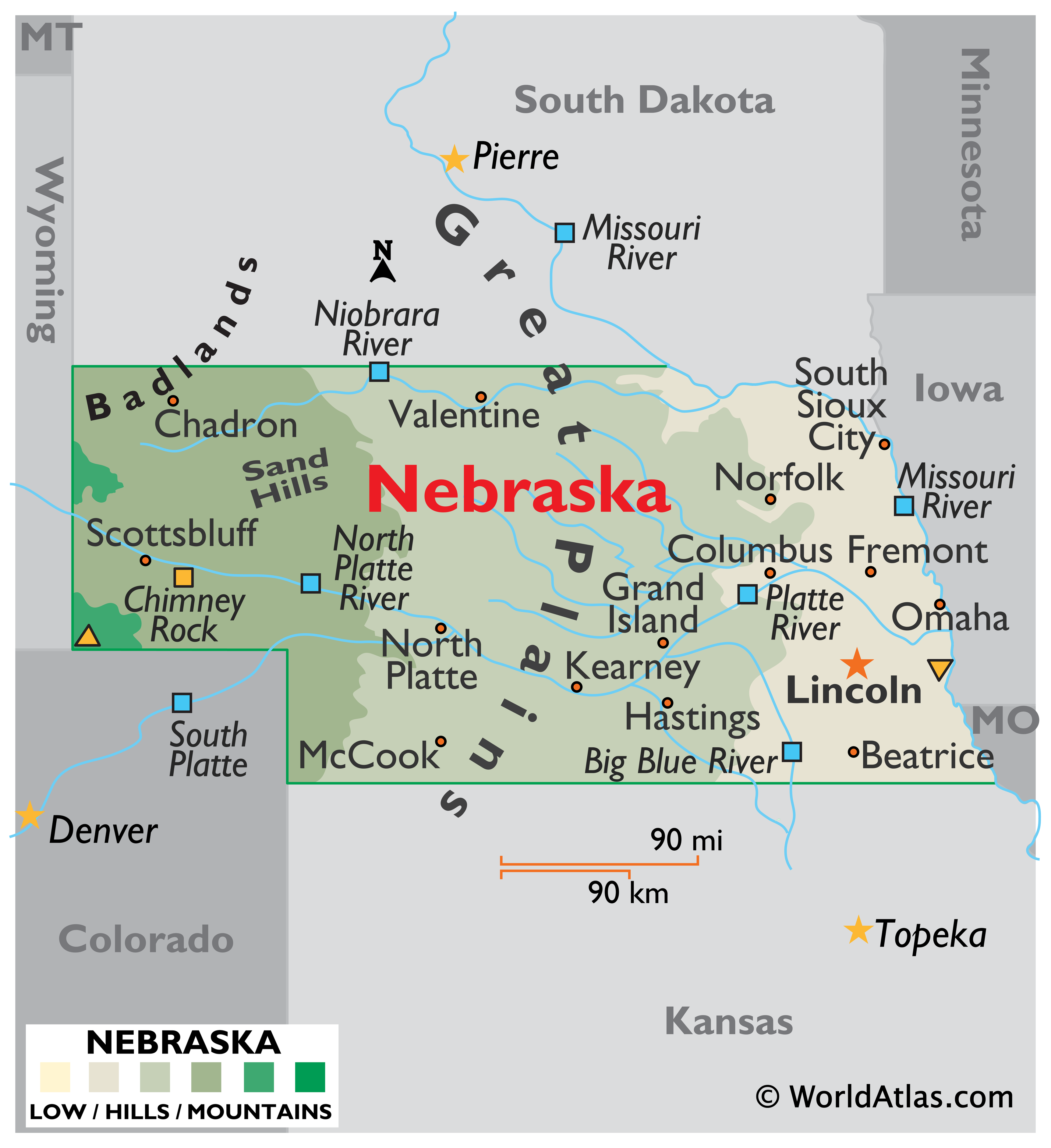
Nebraska’s natural beauty, while perhaps less dramatic than some mountainous states, offers a unique and serene experience. The Sandhills, a vast region of rolling sand dunes covered in native grasses, represent one of the largest and most intact prairie ecosystems in North America. This area is ideal for exploring by horseback or simply marveling at its stark, beautiful landscape.
The Platte River is another significant natural feature, famous for being a vital stopover for millions of migratory birds, particularly the sandhill crane, during their spring migration. Birdwatching in areas like Kearney during this season is an unforgettable experience. The state’s numerous state parks, such as Chadron State Park in the rugged Pine Ridge area and Fort Robinson State Park, offer opportunities for hiking, camping, and exploring unique geological formations and historical sites. These natural areas provide a tranquil escape and a chance to connect with the wild heart of the Great Plains.
Historical Exploration and Heritage Sites
Nebraska’s rich history is preserved in numerous sites across the state. From the remnants of Native American settlements to the trails of pioneers and the forts that guarded the frontier, there are countless opportunities for historical exploration. Scotts Bluff National Monument, with its towering rock formations, served as a significant landmark for travelers on the Oregon Trail.
The Strategic Air Command & Aerospace Museum near Ashland showcases Nebraska’s role in military aviation history. Visiting these sites provides a deeper understanding of the forces that shaped the state and the nation, reinforcing its position as a key historical territory within the broader American narrative. The preserved towns and museums offer an immersive glimpse into the lives of those who settled and developed this vital part of the country.
LifeOutOfTheBox is a participant in the Amazon Services LLC Associates Program, an affiliate advertising program designed to provide a means for sites to earn advertising fees by advertising and linking to Amazon.com. Amazon, the Amazon logo, AmazonSupply, and the AmazonSupply logo are trademarks of Amazon.com, Inc. or its affiliates. As an Amazon Associate we earn affiliate commissions from qualifying purchases.