
Understanding the time in Nebraska is more than just a simple clock check; it’s a crucial element for planning any journey to the Cornhusker State. Whether you’re coordinating flights into Omaha or Lincoln, booking accommodation, or scheduling activities, temporal awareness is paramount. This guide will delve into the intricacies of time zones within Nebraska, ensuring your travel plans are seamless and your experiences are maximized.
Navigating Nebraska’s Time Zones
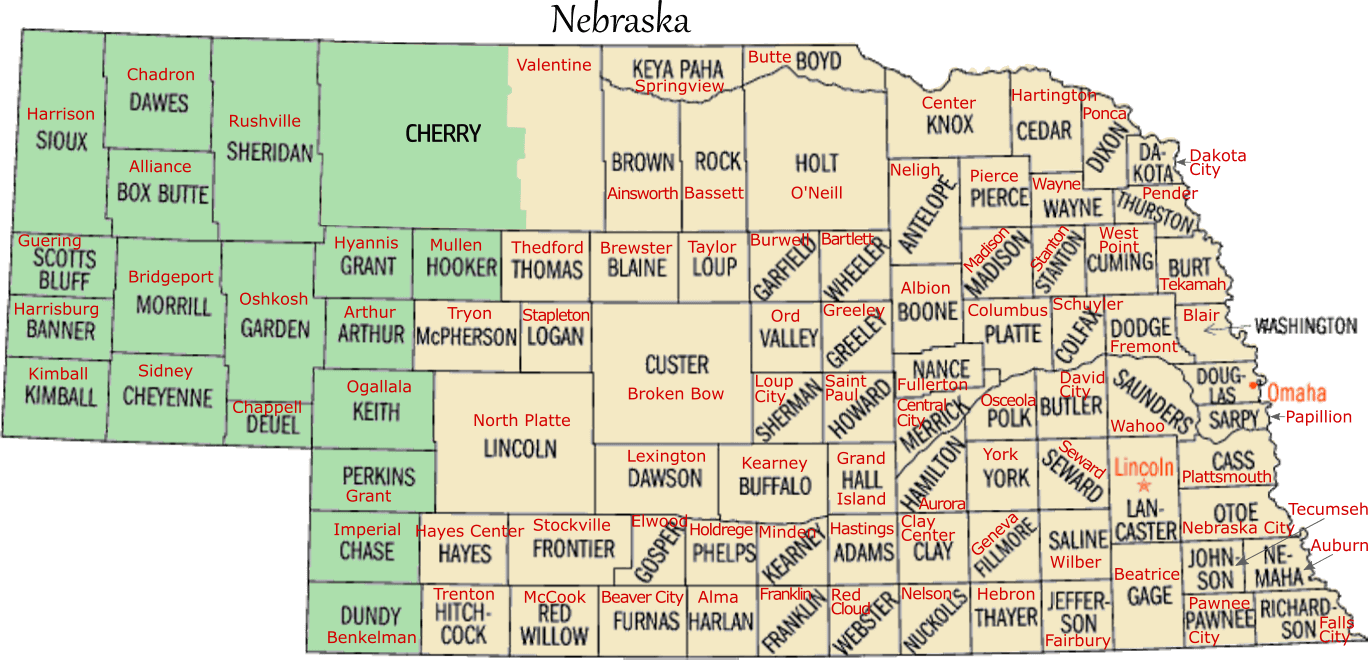
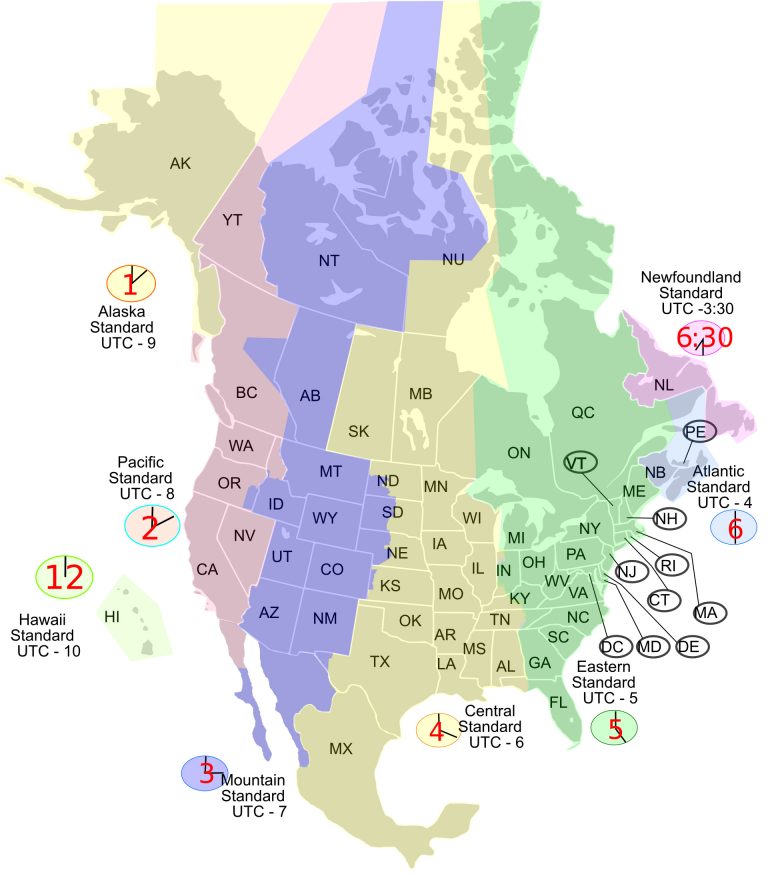
Nebraska, like much of the contiguous United States, observes specific time zones dictated by geographical location and federal regulations. The majority of the state operates under the Central Time Zone (CT), while a western sliver adheres to the Mountain Time Zone (MT). This division, while seemingly straightforward, can lead to minor planning complexities for those traversing the state or arriving from different time zones.
Central Time Zone in Nebraska
The vast expanse of Nebraska, encompassing its most populous cities and major attractions, falls within the Central Time Zone. This zone is UTC-6 during standard time and UTC-5 during daylight saving time. For travelers, this means that most of their timekeeping within the state will align with cities like Chicago and New Orleans.
Understanding Central Daylight Time (CDT)
During the warmer months, from the second Sunday in March until the first Sunday in November, Nebraska observes Central Daylight Time (CDT). This period means the clocks are advanced by one hour, effectively shifting the time zone to UTC-5. This extended daylight is a welcome feature for tourists, allowing for later evening exploration of attractions like the Chimney Rock National Historic Site or the Strategic Air Command & Aerospace Museum.
Central Standard Time (CST)
When daylight saving time is not in effect, the state operates on Central Standard Time (CST), which is UTC-6. This occurs from the first Sunday in November to the second Sunday in March. Visitors planning winter trips to Nebraska, perhaps to experience the Great Plains Bison Herd or the festive lights in Omaha, will need to account for this earlier sunset and different time.
Mountain Time Zone in Nebraska
A distinct portion of western Nebraska operates under the Mountain Time Zone. This area includes counties that are geographically situated in the western part of the state, such as those surrounding cities like Gering and Scottsbluff. This time zone is UTC-7 during standard time and UTC-6 during daylight saving time.
The Impact of Mountain Time
For travelers venturing into this specific region of Nebraska, it’s crucial to be aware of the one-hour difference compared to the rest of the state. This means that when it’s 3 PM in Omaha, it will be 2 PM in western Nebraska. This distinction is particularly important for coordinating travel logistics, such as catching connecting flights or ensuring timely arrival for pre-booked tours and activities, especially if your itinerary involves moving between the two time zones.
Observing Daylight Saving Time in the West
Similar to the Central Time Zone, the Mountain Time Zone in Nebraska also observes daylight saving time. During the period of daylight saving, this area shifts to Mountain Daylight Time (MDT), which is UTC-6. This aligns the time with regions like Denver and Salt Lake City. Outside of this period, it reverts to Mountain Standard Time (MST), UTC-7.
Planning Your Nebraska Itinerary with Time in Mind
Accurate timekeeping is fundamental to a well-executed travel plan. Understanding Nebraska’s time zones allows for proactive adjustments to your itinerary, ensuring you make the most of your visit.
Coordinating Travel and Arrivals
When booking flights into airports such as Eppley Airfield in Omaha or Lincoln Airport in Lincoln, always confirm the arrival and departure times are listed in the local time zone of the airport. Similarly, if your journey involves driving across the state, especially if your destination or starting point is in western Nebraska, be mindful of the one-hour shift. This is particularly relevant when planning road trips to explore attractions like the Carhenge sculpture park or the historic Old Town districts.
Optimizing Activity Scheduling
Many of Nebraska’s attractions, from guided tours of the State Capitol Building to evening events at the Holland Performing Arts Center, operate on strict schedules. Always verify the listed times for these activities and cross-reference them with the local time of the venue. For instance, a sunset viewing at a scenic overlook in the western part of the state will occur one hour earlier than a similar event in eastern Nebraska. This temporal awareness can be the difference between catching a breathtaking natural spectacle or missing it entirely.
Accommodation and Dining Reservations
When booking hotels, such as the Magnolia Hotel Omaha or exploring boutique inns in smaller towns, ensure that any reservation times for check-in, check-out, or dining are synchronized with the local time. Restaurants, particularly those in popular tourist areas, often have specific dining hours that are dictated by the local time zone. Making a reservation for 8 PM might be perfectly reasonable in Omaha, but if you’re in western Nebraska, that could mean a much later meal than intended, especially during winter months.
Staying Connected and Informed
In the digital age, staying abreast of time zone changes is easier than ever, but vigilance is still key when traveling.
Leveraging Technology
Most smartphones and smart devices automatically adjust to the local time zone when connected to a network. However, it’s always prudent to double-check the settings, especially if you’re traveling between time zones. Many travel apps and GPS systems will also display local times, providing an extra layer of convenience. For a quick and reliable answer to “What time is it in Nebraska right now?”, a simple online search or a glance at your device should suffice, but understanding the underlying reasons for potential discrepancies is vital for proactive planning.
Local Resources for Time Information
Should you find yourself in a situation where your device isn’t cooperating, or if you’re seeking to confirm the exact time in a specific region of Nebraska, local sources can be invaluable. This might include inquiring at hotel front desks, visitor information centers, or even asking locals. Many businesses will display their operating hours according to the local time, offering a practical reference point.
The Broader Implications of Time Zones for Travel
Beyond the immediate convenience, understanding time zones contributes to a richer travel experience. It fosters a greater appreciation for the vastness of geography and the way human societies organize themselves within different temporal frameworks.
Cultural Nuances and Punctuality
While Nebraska is known for its friendly and laid-back atmosphere, punctuality is generally valued. Being aware of the time, especially when meeting people or attending scheduled events, demonstrates respect and contributes to smoother interactions. This is true whether you are attending a business meeting in Omaha or a social gathering in a rural community.
Experiencing the Rhythm of the State
Each time zone has its own rhythm. The longer daylight hours in the summer in the Central Time Zone allow for extended exploration of places like the Great Platte River Road Archway Monument. Conversely, the earlier sunsets in the Mountain Time Zone might encourage a more relaxed evening, perhaps enjoying local cuisine at a charming restaurant in western Nebraska. Embracing these temporal differences can enhance your connection to the local environment and lifestyle.
Conclusion: Time is of the Essence for Your Nebraska Adventure
In conclusion, while the question “What time is it in Nebraska right now?” might seem simple, the answer carries significant weight for any traveler. By understanding the division between the Central and Mountain Time Zones, including the nuances of daylight saving, you can meticulously plan your journey. This foresight ensures that your flights, accommodation, activities, and overall experience in the diverse landscapes and vibrant cities of Nebraska are as seamless and enjoyable as possible. So, before you embark on your adventure, take a moment to set your watch, align your plans, and embrace the temporal rhythm of the Cornhusker State.
LifeOutOfTheBox is a participant in the Amazon Services LLC Associates Program, an affiliate advertising program designed to provide a means for sites to earn advertising fees by advertising and linking to Amazon.com. Amazon, the Amazon logo, AmazonSupply, and the AmazonSupply logo are trademarks of Amazon.com, Inc. or its affiliates. As an Amazon Associate we earn affiliate commissions from qualifying purchases.