
Understanding planting zones is fundamental for any gardener aiming for success, particularly when cultivating the diverse landscapes of Nebraska. These zones, officially designated by the United States Department of Agriculture (USDA), are geographical areas that indicate the average annual minimum winter temperature. This seemingly simple metric is a critical piece of information for determining which perennial plants are most likely to thrive in a specific location. For Nebraska, this translates into a nuanced approach to gardening, as the state encompasses a range of these important zones.
The USDA Plant Hardiness Zone Map is the standard, dividing the country into eleven distinct zones, with Zone 1 being the coldest and Zone 11 the warmest. Each zone is further divided into ‘a’ and ‘b’ subzones, representing a 5-degree Fahrenheit temperature difference. For instance, Zone 5a is colder than Zone 5b. This system acts as a compass for gardeners, guiding them towards selecting plants that can withstand the winter chill of their particular region, thus minimizing the risk of plant loss and maximizing the potential for a bountiful harvest or a vibrant bloom.
Nebraska’s Planting Zone Landscape
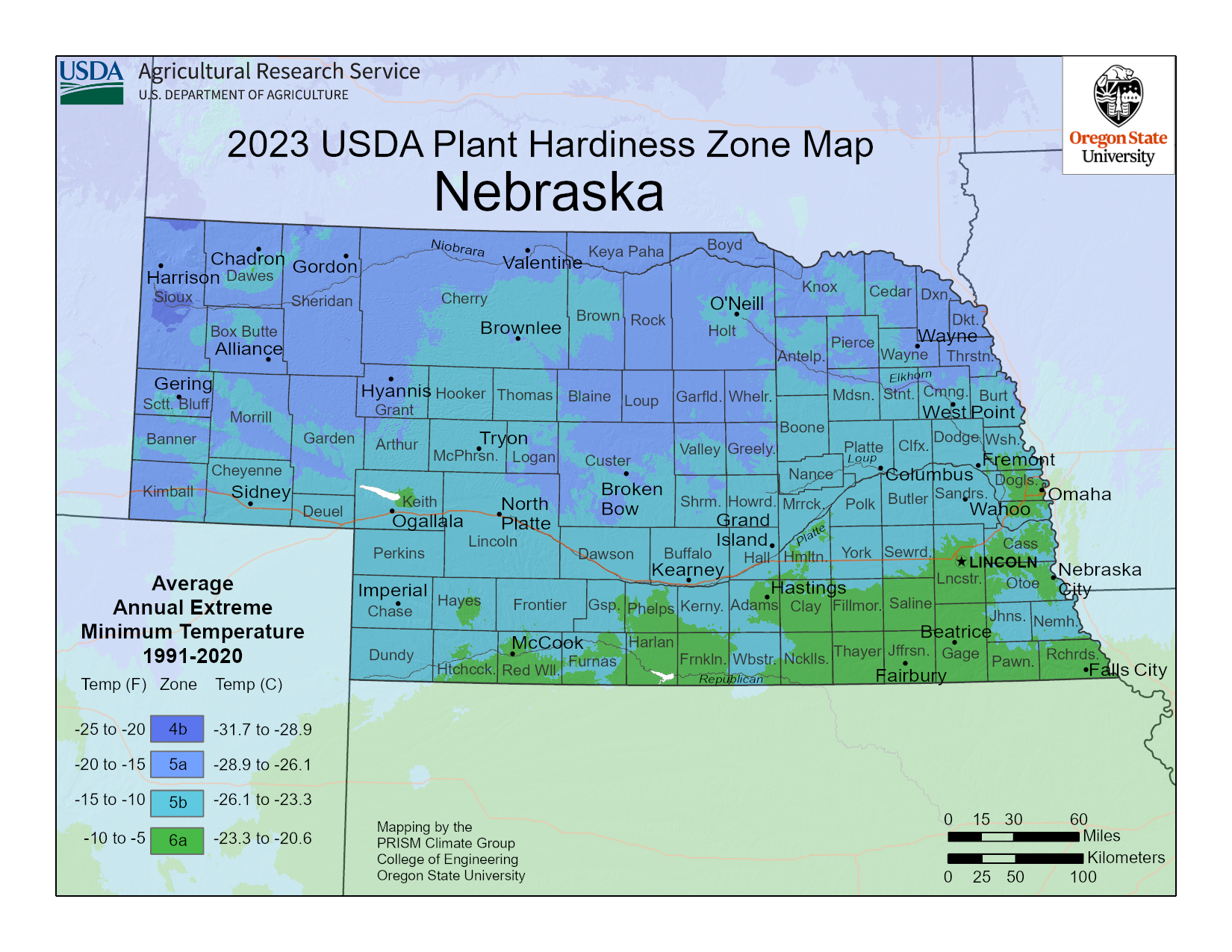
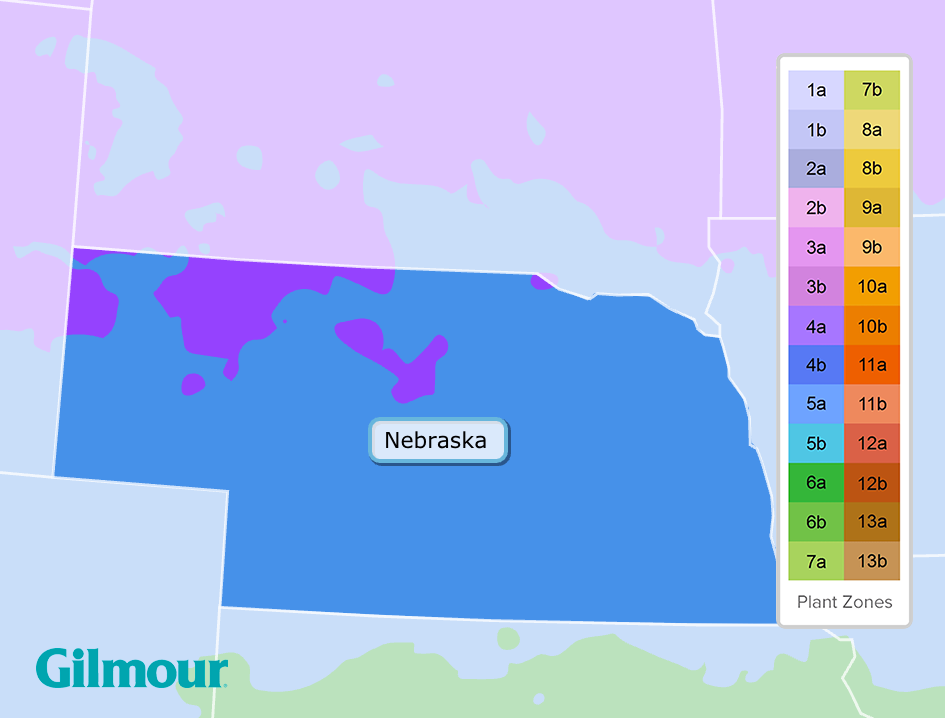
Nebraska predominantly falls within two main USDA Hardiness Zones: Zone 4 and Zone 5, with small portions extending into Zone 6 in the southeastern corner. This variation is primarily due to the state’s geographic location in the Great Plains, its continental climate characterized by significant temperature fluctuations, and its elevation. The western parts of the state, including areas near the Panhandle, generally experience colder winters and are thus categorized within Zone 4. As you move eastward and southeastward, the climate moderates slightly, transitioning into Zone 5. The warmest areas, typically along the Missouri River in southeastern Nebraska, might be classified as Zone 6.
This geographical distribution means that a plant hardy enough to survive the winters in Omaha might struggle or perish if planted in Chadron. Conversely, a plant requiring a colder winter dormancy, common in Zone 4, might not receive sufficient chilling hours in Zone 5 or 6 to thrive or produce fruit. Therefore, identifying your precise planting zone is the very first step for any successful gardening endeavor in Nebraska.
The Influence of Microclimates
While the USDA zones provide a broad framework, it is crucial to acknowledge the impact of microclimates within Nebraska. These are small, localized variations in climate that can significantly affect plant hardiness. Factors such as proximity to large bodies of water, urban heat islands, elevation differences, and even the presence of windbreaks can create pockets that are warmer or colder than the surrounding areas. For example, a garden located on a south-facing slope might be slightly warmer and benefit from increased sun exposure, potentially allowing for slightly less hardy plants to survive. Conversely, a garden in a low-lying area prone to frost pockets could be significantly colder than the general zone designation suggests.
Understanding these microclimates allows gardeners to make more informed decisions, potentially expanding the range of plants they can cultivate successfully. Observing how different plants perform in various parts of your yard or neighborhood throughout the year can offer valuable insights into these localized conditions. This keen observation is a hallmark of experienced gardeners and can lead to surprisingly successful plantings in seemingly challenging environments.
Zone 4: The Northern Plains Challenge
The majority of Nebraska’s western and northern counties are situated within USDA Hardiness Zone 4. This zone typically experiences average annual minimum winter temperatures ranging from -30°F to -20°F (-34.4°C to -28.9°C). Gardening in Zone 4 requires careful selection of plants that are proven to withstand these extreme cold temperatures and prolonged periods of frost. This includes many cold-hardy perennials, shrubs, and trees.
Key Considerations for Zone 4 Gardeners
- Plant Selection: Focus on native Nebraska plants, which are naturally adapted to the local climate. Many varieties of coneflowers, rudbeckia, asters, and ornamental grasses thrive in Zone 4. For fruit trees, look for varieties specifically bred for cold climates, such as certain types of apples, plums, and cherries. Berries like raspberries and strawberries are also generally well-suited.
- Winter Protection: Even hardy plants can benefit from some winter protection. Mulching around the base of plants can insulate their roots from extreme temperature fluctuations. For more sensitive perennials, temporary covers or burlap wraps can provide an extra layer of defense against harsh winds and freezing temperatures.
- Spring Planting: Because of the lingering cold and potential for late frosts, spring planting in Zone 4 should be delayed until the danger of frost has passed. This typically occurs from mid-May onwards, depending on the specific location within the zone. Starting seeds indoors can give plants a head start.
- Soil Drainage: Good soil drainage is paramount in Zone 4. Waterlogged soil can freeze solid and damage plant roots. Amending heavy clay soils with organic matter can significantly improve drainage.
Zone 5: The Heartland’s Growing Season
As one moves eastward across Nebraska, the landscape transitions into USDA Hardiness Zone 5. This zone experiences average annual minimum winter temperatures ranging from -20°F to -10°F (-28.9°C to -23.3°C). Zone 5 offers a slightly longer growing season and a broader selection of plants compared to Zone 4, making it a popular choice for a wide variety of gardens, from vegetable patches to elaborate flower beds.
Thriving in Zone 5
- Expanded Plant Palate: Zone 5 gardeners have access to a wider array of perennial flowers, shrubs, and trees. Many popular roses, hydrangeas, and flowering shrubs will flourish here. Vegetable gardens can be quite productive, with a range of tomatoes, peppers, beans, and squash varieties performing well.
- Planting Timing: The optimal planting window in Zone 5 generally begins earlier than in Zone 4. After the last significant frost, typically in late April or early May, planting can commence. This allows for a more extended period for plants to establish themselves before the heat of summer or the onset of winter.
- Soil Health: Maintaining healthy, well-drained soil is still crucial in Zone 5. Incorporating compost and other organic matter improves soil structure, fertility, and water retention, all vital for robust plant growth.
- Summer Heat Management: While Zone 5 offers a good growing season, Nebraska summers can bring periods of intense heat and drought. Choosing drought-tolerant plants and employing mulching strategies are important for managing water resources and protecting plants from heat stress.
Zone 6: The Southeastern Edge
The southeasternmost tip of Nebraska, particularly areas along the Missouri River in counties like Douglas and Sarpy, may fall into USDA Hardiness Zone 6. This zone has average annual minimum winter temperatures ranging from -10°F to 0°F (-23.3°C to -17.8°C). This provides a slightly milder winter climate and the longest growing season in the state.
Advantages and Considerations for Zone 6
- Widest Plant Diversity: Gardeners in Zone 6 have the most extensive options for plant selection. Many plants that might struggle in Zones 4 and 5 can thrive here. This includes a wider variety of flowering trees, more tender perennials, and potentially even some fruit varieties that require fewer chilling hours.
- Extended Growing Window: The earlier last frost and later first frost in Zone 6 significantly extend the planting and harvesting season. This allows for multiple successions of cool-season crops and a longer period for warm-season crops to mature.
- Urban Influence: Cities like Omaha and Lincoln within this zone can create urban heat island effects, making them slightly warmer than surrounding rural areas. This can further expand the range of plants that can be successfully grown.
- Hydration: While the winters are milder, Nebraska’s summers can still be hot and dry. Ensuring adequate hydration for plants, especially during peak summer months, remains a critical aspect of successful gardening in Zone 6.
Determining Your Specific Zone in Nebraska
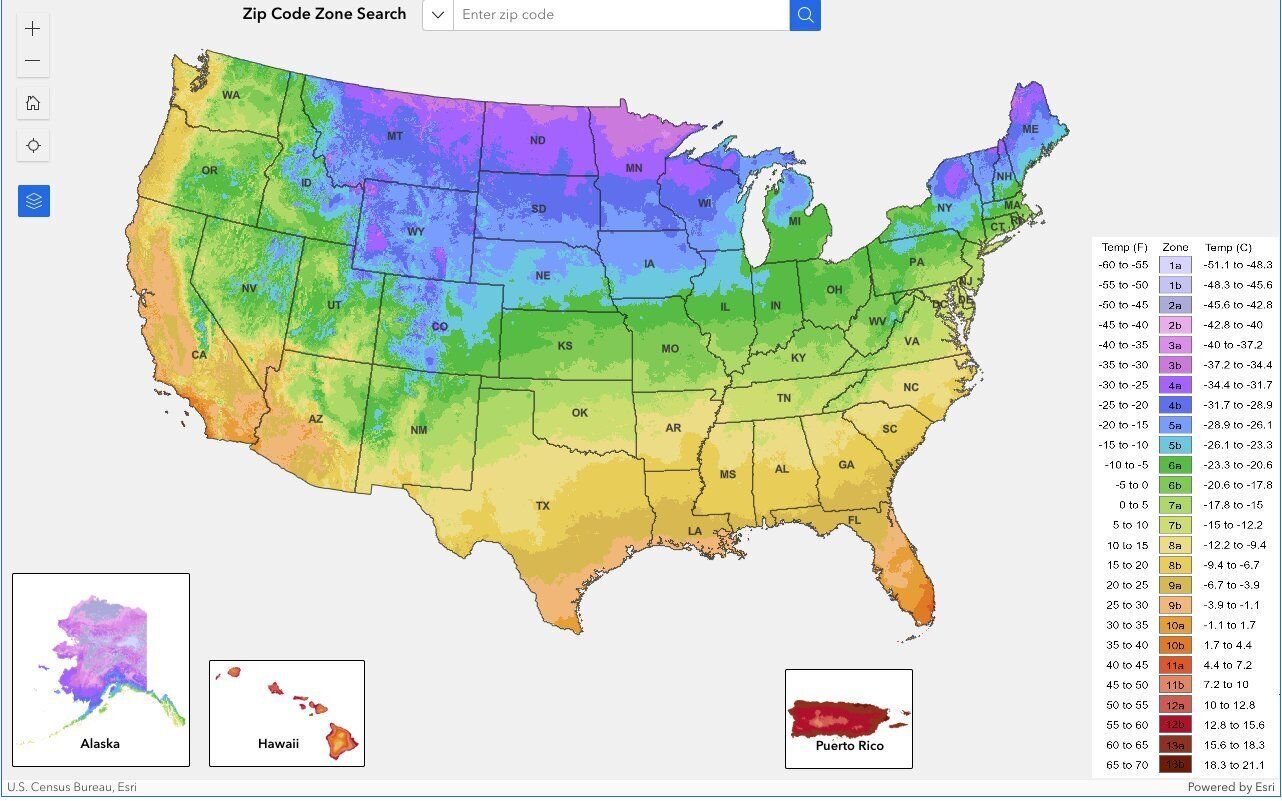
To accurately determine your planting zone within Nebraska, it is recommended to consult the most recent USDA Plant Hardiness Zone Map. This map is readily available online and provides detailed geographic information. Many local extension offices affiliated with University of Nebraska–Lincoln also offer resources and local expertise to help gardeners identify their specific zone and understand the best practices for their region.
Utilizing Online Resources and Local Knowledge
- USDA Map: The official USDA map is the primary source for zone information. Websites like the USDA Agricultural Research Service provide interactive maps where you can input your zip code to find your zone.
- Extension Offices: Nebraska’s cooperative extension offices are invaluable resources. They offer localized advice on planting times, soil preparation, pest control, and plant recommendations tailored to the specific conditions of your county.
- Local Garden Centers: Experienced staff at local nurseries and garden centers in towns like Kearney, Grand Island, and North Platte can provide practical advice based on their years of observing what grows well in their immediate area.
- Observational Gardening: Paying attention to what your neighbors are successfully growing, especially long-lived perennial plants and trees, can offer clues about your local microclimate and appropriate plant selections.
By understanding Nebraska’s planting zones, gardeners can approach their endeavors with confidence, selecting plants that are best suited to thrive and contribute to the beauty and productivity of their landscapes. This knowledge is the cornerstone of successful, sustainable gardening, ensuring that efforts translate into vibrant blooms and bountiful harvests year after year.
LifeOutOfTheBox is a participant in the Amazon Services LLC Associates Program, an affiliate advertising program designed to provide a means for sites to earn advertising fees by advertising and linking to Amazon.com. Amazon, the Amazon logo, AmazonSupply, and the AmazonSupply logo are trademarks of Amazon.com, Inc. or its affiliates. As an Amazon Associate we earn affiliate commissions from qualifying purchases.