
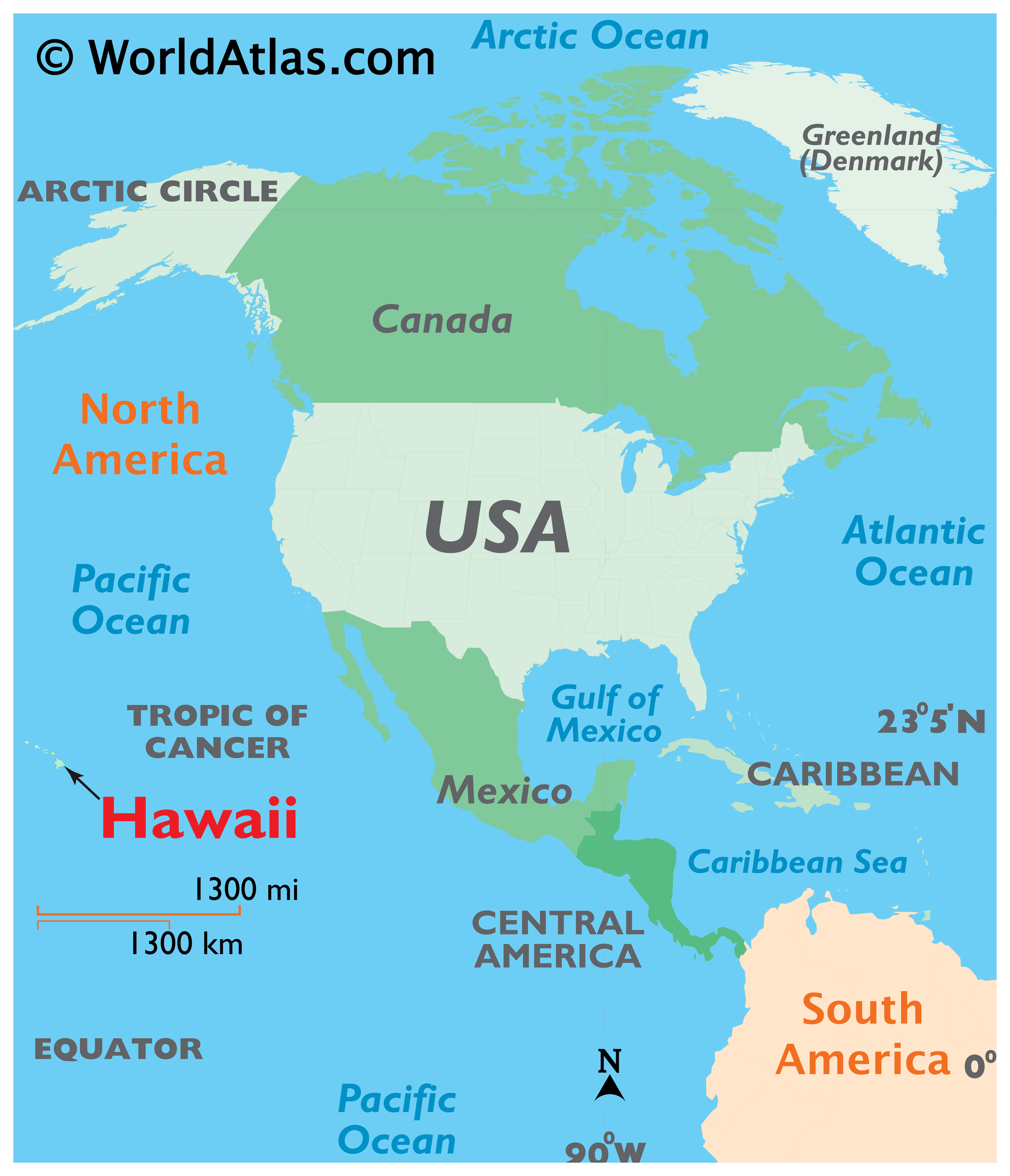
The question “Is Hawaii apart of the United States?” often arises due to its remote location in the middle of the Pacific Ocean and its distinct cultural identity. The simple and unequivocal answer is a resounding yes: Hawaii is indeed a full and integral part of the United States, holding the distinguished title of the 50th state. Admitted to the Union on August 21, 1959, the Aloha State represents the westernmost state and the only one composed entirely of islands. Its unique history, diverse culture, and unparalleled natural beauty make it a truly exceptional destination, embodying both the spirit of America and the rich heritage of Polynesia. For travelers seeking extraordinary experiences, from exploring volcanic landscapes to relaxing on world-famous beaches, Hawaii offers a captivating blend of adventure, luxury, and authentic cultural immersion, all within the familiar framework of the United States.
From Kingdom to Statehood: Hawaii’s Journey to the US
The path for Hawaii to become the 50th state was a long and complex one, spanning over a century and involving significant political, social, and economic shifts. Understanding this journey provides crucial context to its current status within the United States.
The Kingdom of Hawaii
Before its incorporation into the United States, Hawaii existed for nearly a century as an independent and sovereign kingdom. Unified in 1810 by King Kamehameha I, the islands flourished under a series of monarchs who navigated complex relationships with Western powers. The Kingdom of Hawaii developed its own constitution, established diplomatic ties with numerous countries, and saw the introduction of Western missionaries and traders. This period was marked by a vibrant blend of traditional Hawaiian customs and emerging global influences, particularly from Europe and the United States. The monarchy worked to preserve its cultural identity while modernizing its infrastructure and economy, notably through the burgeoning sugar industry.
Annexation and Territorial Status
The late 19th century brought increasing pressure from American business interests, particularly sugar planters who desired closer economic and political ties with the United States. In 1887, the Bayonet Constitution was imposed, significantly reducing the power of the monarchy. The situation escalated in 1893 when American and European residents, backed by United States Marine Corps troops, overthrew Queen Lili’uokalani, the last reigning monarch. A provisional government was established, followed by the creation of the Republic of Hawaii in 1894, led by Sanford B. Dole.
Despite considerable internal opposition and questions of legality surrounding the overthrow, the United States officially annexed Hawaii in 1898 during the Spanish-American War, driven by strategic military and economic interests. This act transformed Hawaii into a U.S. territory, paving the way for decades of American governance and influence. During its territorial period, Hawaii experienced significant demographic shifts, with an influx of immigrants from Japan, China, the Philippines, and Portugal to work on sugar plantations, further enriching the islands’ cultural mosaic.
Achieving Statehood
The path to statehood was protracted, often delayed by racial prejudice and concerns about Hawaii’s non-contiguous location and diverse population. However, the strategic importance of Hawaii was unequivocally demonstrated during World War II, particularly with the attack on Pearl Harbor on Oahu in December 1941. This event highlighted the territory’s vital role in national defense and brought it into the national consciousness in an unprecedented way. After the war, momentum for statehood grew, fueled by returning Hawaiian veterans and local political movements.
Finally, on August 21, 1959, after years of advocacy, referendums, and congressional debate, President Dwight D. Eisenhower signed the Hawaii Admission Act, officially making Hawaii the 50th state of the United States. This historic event marked a new era for the islands, fully integrating them into the American political and economic system while allowing them to retain their distinctive cultural identity.
The Aloha State: A Tapestry of Culture and Natural Wonders
Hawaii’s status as a U.S. state does not diminish its distinctiveness; rather, it provides a unique platform for its unparalleled blend of natural beauty, rich cultural heritage, and vibrant lifestyle to be experienced by a global audience.
Geographical Splendor
The Hawaiian Islands are an archipelago of volcanic origin, stretching over 1,500 miles across the central Pacific Ocean. Formed by a hotspot beneath the oceanic crust, the islands range from geologically ancient, deeply eroded islands in the northwest to younger, volcanically active islands in the southeast. The main islands, Oahu, Maui, Kauai, Molokai, Lanai, and the Island of Hawaii (often called the Big Island), each possess their own unique character and stunning landscapes.
From the iconic black sand beaches and active volcanoes of the Big Island to the lush, emerald valleys and dramatic cliffs of Kauai’s Na Pali Coast, Hawaii is a testament to the raw power and beauty of nature. Maui boasts the majestic dormant volcano of Haleakala National Park and the scenic Road to Hana, while Oahu offers the famous shores of Waikiki Beach and the recognizable silhouette of Diamond Head. This geographical diversity provides an endless array of outdoor activities, from surfing and snorkeling in crystal-clear waters to hiking through dense rainforests and exploring lava fields.
Rich Polynesian Heritage
Despite being a part of the United States, Hawaii proudly preserves and celebrates its distinct Polynesian heritage. The original settlers, skilled navigators from the Marquesas Islands and Tahiti, brought with them a sophisticated culture, language, traditions, and spiritual beliefs that have profoundly shaped the islands’ identity. The “Aloha Spirit” is more than just a greeting; it’s a way of life, embodying values of kindness, compassion, harmony, and respect.
Visitors can immerse themselves in this rich culture through various experiences. Attending a traditional luau provides an evening of authentic Hawaiian food, music, and hula performances. Exploring sites like the Polynesian Cultural Center on Oahu offers a deep dive into the customs and traditions of various Pacific Island nations. The Hawaiian language, once suppressed, is experiencing a revitalization, and many place names, local dishes, and cultural practices are rooted in this ancient heritage. This fusion of indigenous traditions with influences from Asia, Europe, and the mainland United States creates a truly unique and captivating cultural tapestry.

Unparalleled Biodiversity
Hawaii’s isolation in the middle of the Pacific Ocean has led to the evolution of an incredibly unique and fragile ecosystem. The islands are home to a remarkable number of endemic species — plants and animals found nowhere else on Earth. From the vibrant Hawaiian honeycreepers to the iconic Nene goose, and from ancient koa forests to delicate native ferns, Hawaii’s biodiversity is a treasure.
Protecting this natural heritage is a paramount concern, reflected in numerous conservation efforts and national parks. Hawaii Volcanoes National Park on the Big Island is a UNESCO World Heritage site, offering a chance to witness active volcanic landscapes and unique ecosystems. Snorkeling and diving reveal vibrant coral reefs teeming with colorful fish, sea turtles, and even the occasional monk seal. Visitors are encouraged to practice responsible tourism, respecting the natural environment and helping to preserve its delicate balance for future generations.
Hawaii: A World-Class Travel and Tourism Destination
Hawaii’s inclusion within the United States streamlines travel for American citizens, yet its exotic allure and diverse offerings make it a dream destination for travelers worldwide. The islands excel in providing experiences that cater to every type of visitor, from luxury seekers to budget adventurers, families, and solo explorers.
Iconic Destinations and Attractions
Each of Hawaii’s main islands presents a distinct set of attractions:
- Oahu: The Gathering Place
- Waikiki Beach & Diamond Head: The quintessential Hawaiian experience, offering world-class surfing lessons, sunbathing, and breathtaking views from the Diamond Head summit.
- Pearl Harbor: A poignant historical site where visitors can reflect on the events of World War II at the USS Arizona Memorial and other museums.
- Honolulu: The bustling capital city, featuring diverse dining, shopping, and cultural landmarks like Iolani Palace.
- Polynesian Cultural Center: An immersive experience showcasing the cultures of various Pacific Island nations through demonstrations, performances, and a grand luau.
- Maui: The Valley Isle
- Road to Hana: A scenic coastal drive offering stunning waterfalls, lush rainforests, and vibrant botanical gardens.
- Haleakala National Park: Witness unforgettable sunrises and sunsets from the summit of this dormant volcano, or explore its unique crater landscape.
- Lahaina: A historic whaling town now vibrant with art galleries, shops, and restaurants, offering a glimpse into Maui’s past.
- Whale Watching: During winter months, Maui is a prime location to observe humpback whales in their natural habitat.
- Kauai: The Garden Isle
- Na Pali Coast: Famous for its dramatic cliffs, emerald valleys, and pristine beaches, best explored by helicopter tour, boat trip, or challenging hike.
- Waimea Canyon: Often called the “Grand Canyon of the Pacific,” offering spectacular panoramic views.
- Island of Hawaii: The Big Island
- Hawaii Volcanoes National Park: Home to two of the world’s most active volcanoes, Kilauea and Mauna Loa, offering incredible opportunities to witness volcanic landscapes and potential lava flows.
- Kona Coffee Plantations: Explore the fertile slopes of Kona and learn about the cultivation of world-renowned coffee.
Accommodation for Every Lifestyle
Hawaii’s tourism infrastructure is highly developed, offering a vast array of accommodation options to suit every budget and travel style. From opulent luxury resorts with world-class amenities to cozy vacation rentals and budget-friendly hotels, travelers will find their ideal stay.
- Luxury Resorts: Iconic establishments like the Four Seasons Resort Maui at Wailea, The Royal Hawaiian (the “Pink Palace of the Pacific”) on Oahu, or the Grand Hyatt Kauai Resort & Spa offer unparalleled service, exquisite dining, private beaches, and lavish suites and villas. These resorts often feature multiple pools, spas, golf courses, and curated experiences, perfect for luxury travel and special occasions.
- Boutique Hotels & Apartments: For those seeking a more personalized experience, numerous boutique hotels offer unique charm and local character. Vacation rentals, including apartments and villas, are also popular, providing flexibility and a home-away-from-home feel, often ideal for families or long-term stays.
- Budget-Friendly Options: Even in Hawaii, budget travel is possible with hostels, guesthouses, and hotel chains offering more affordable rates, especially during off-peak seasons. Comparison websites are invaluable tools for finding the best deals on accommodations.
Experiences and Activities
Beyond sightseeing, Hawaii excels in providing hands-on experiences:
- Water Sports: Surfing, snorkeling, scuba diving, stand-up paddleboarding, and kayaking are fundamental to the Hawaiian experience. The warm, clear waters are perfect for exploring vibrant marine life.
- Hiking and Nature Exploration: Countless trails lead through diverse landscapes, from coastal paths to mountain ridges and volcanic terrains. Waimea Canyon and the Kalalau Trail on Kauai offer epic adventures.
- Cultural Immersion: Take a hula lesson, learn to make a lei, visit a coffee or pineapple plantation (like the Maui Pineapple Tour), or attend a local festival.
- Food Tourism: Savor fresh poke, traditional plate lunches, tropical fruits, and farm-to-table cuisine that reflects the islands’ multicultural influences.
- Lifestyle Travel: Whether it’s a romantic honeymoon, an adventurous family trip, or a relaxing wellness retreat, Hawaii’s diverse offerings cater to a multitude of lifestyle travel preferences.
Planning Your Hawaiian Adventure: Tips for Travelers
As a U.S. state, traveling to Hawaii for American citizens is as straightforward as domestic travel, requiring no passport or currency exchange. However, its distance and unique environment warrant specific planning considerations.
- Best Time to Visit: Hawaii enjoys pleasant weather year-round, but peak seasons (winter holidays and summer) can mean higher prices and larger crowds. Shoulder seasons (spring and fall) often offer a balance of good weather and fewer tourists.
- Inter-Island Travel: To experience the diversity of the islands, inter-island flights are common and relatively short. Booking these in advance is advisable. Ferries are also available between Maui and Lanai and Maui and Molokai.
- Respecting Local Culture and Environment: The “Aloha Spirit” encourages respect for the land (aina) and its people. Visitors are encouraged to learn a few basic Hawaiian phrases, participate in cultural activities respectfully, and adhere to environmental guidelines, such as not touching marine life or taking lava rocks.
- Budgeting and Booking: While Hawaii can be an expensive destination, careful planning and utilizing accommodation comparison tools can help manage costs. Booking flights and hotels well in advance, especially for popular seasons, is recommended. Consider vacation packages for potential savings.
- Sustainable Tourism: Hawaii is deeply committed to sustainable tourism. Travelers are encouraged to support local businesses, minimize their environmental footprint, and contribute to the preservation of the islands’ natural and cultural resources. Choosing eco-friendly tours and accommodations helps ensure that Hawaii’s beauty can be enjoyed for generations to come.
In conclusion, Hawaii is unequivocally a part of the United States, a status cemented by its history, governance, and the rights and responsibilities shared with all other states. Yet, it remains an extraordinary anomaly, a tropical paradise infused with a rich Polynesian spirit that offers a distinct and unforgettable travel experience. From its stunning volcanic landscapes and pristine beaches to its vibrant multicultural cities and deep historical roots, Hawaii stands as a testament to both American diversity and the enduring magic of the Pacific. For any traveler, exploring the Aloha State is not merely a vacation; it’s an immersion into a unique world where natural splendor meets profound cultural depth, all under the banner of the United States.
LifeOutOfTheBox is a participant in the Amazon Services LLC Associates Program, an affiliate advertising program designed to provide a means for sites to earn advertising fees by advertising and linking to Amazon.com. Amazon, the Amazon logo, AmazonSupply, and the AmazonSupply logo are trademarks of Amazon.com, Inc. or its affiliates. As an Amazon Associate we earn affiliate commissions from qualifying purchases.