
Nevada, a state renowned for its vast deserts, vibrant cities, and unique gambling culture, often sparks curiosity among travelers regarding its driving regulations. Chief among these is the persistent question: “Does Nevada have a speed limit?” The answer is not a simple yes or no, but rather a nuanced understanding of how speed limits are established and enforced across the Silver State. This exploration delves into the intricacies of Nevada’s speed limit laws, offering practical insights for anyone planning to navigate its diverse landscapes, from the bustling streets of Las Vegas to the open highways stretching towards Reno.
Understanding Nevada’s Speed Limit Framework
Unlike some jurisdictions that impose a blanket speed limit across all rural roads, Nevada employs a more dynamic approach. The state legislature has granted the Nevada Department of Transportation (NDOT) the authority to set speed limits on state highways, while local authorities manage speed limits within their respective cities and counties. This decentralized system ensures that speed limits are tailored to the specific conditions and safety needs of different areas.
The Concept of “Reasonable and Prudent”
Historically, Nevada’s rural highways were governed by a “prima facie” speed limit law, often interpreted as a “reasonable and prudent” speed. This meant that exceeding the posted speed limit was not automatically a violation if it was deemed safe under the prevailing conditions. However, this concept has evolved, and while the idea of driving at a safe speed remains paramount, clearly posted speed limits are now the norm and are strictly enforced. It is crucial for drivers to understand that the “reasonable and prudent” doctrine does not grant carte blanche to ignore posted signs.
Posted Speed Limits: The Definitive Guide
Today, drivers will find clearly posted speed limits on virtually all public roads in Nevada. These limits are determined by a variety of factors, including road design, traffic volume, accident history, and the presence of residential or commercial areas.
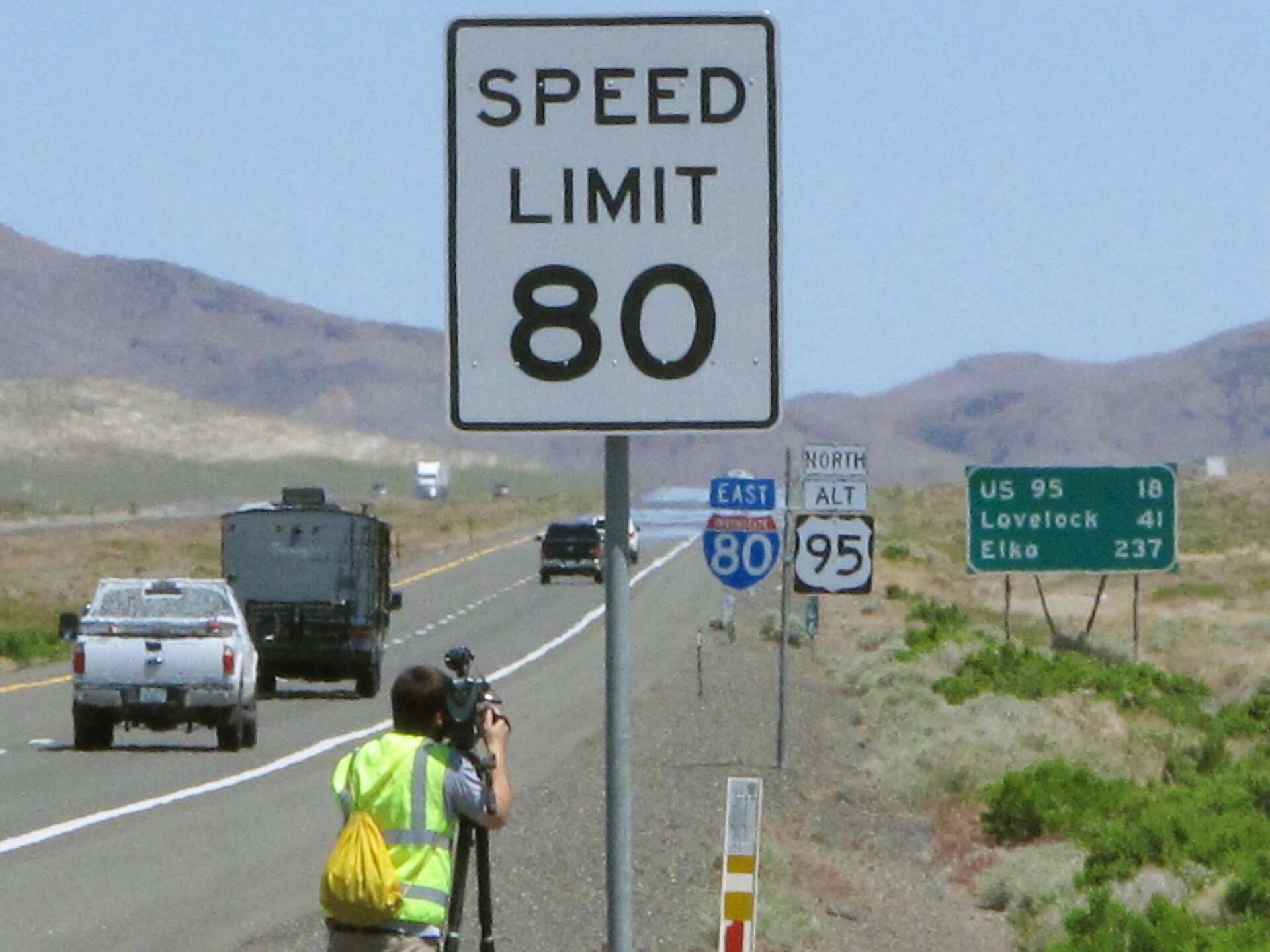
- Rural Highways: While many rural stretches of highway might have higher posted speed limits, often in the range of 65 to 80 miles per hour, these are not arbitrary. They are set based on engineering studies and the absence of significant hazards. For instance, the speed limit on stretches of Interstate 80 or U.S. Route 95 through sparsely populated areas reflects the road’s capacity and safety for higher speeds.
- Urban Areas: Within cities and towns, speed limits are significantly lower, typically ranging from 25 to 45 miles per hour, depending on the type of road and its surroundings. School zones and construction areas will have even more drastically reduced speed limits, often accompanied by flashing lights or temporary signage.
- Special Zones: Certain areas, such as those near schools, construction zones, or high-traffic intersections, will have designated lower speed limits. These are critical to observe for the safety of pedestrians, workers, and other drivers.
It is the driver’s responsibility to be aware of and adhere to the posted speed limits, which are legally enforceable regardless of the general conditions of the road.
Navigating Nevada’s Scenic Routes: Speed Limits in Practice
Nevada’s allure for travelers lies not just in its man-made attractions but also in its breathtaking natural landscapes. Driving through these areas requires a keen awareness of speed limits, which are designed to enhance both safety and the enjoyment of the journey.
The Open Roads of the Great Basin
Driving across Nevada means encountering vast stretches of open highway. While the temptation to accelerate on these seemingly empty roads is understandable, it’s essential to remember that posted limits exist for valid reasons.
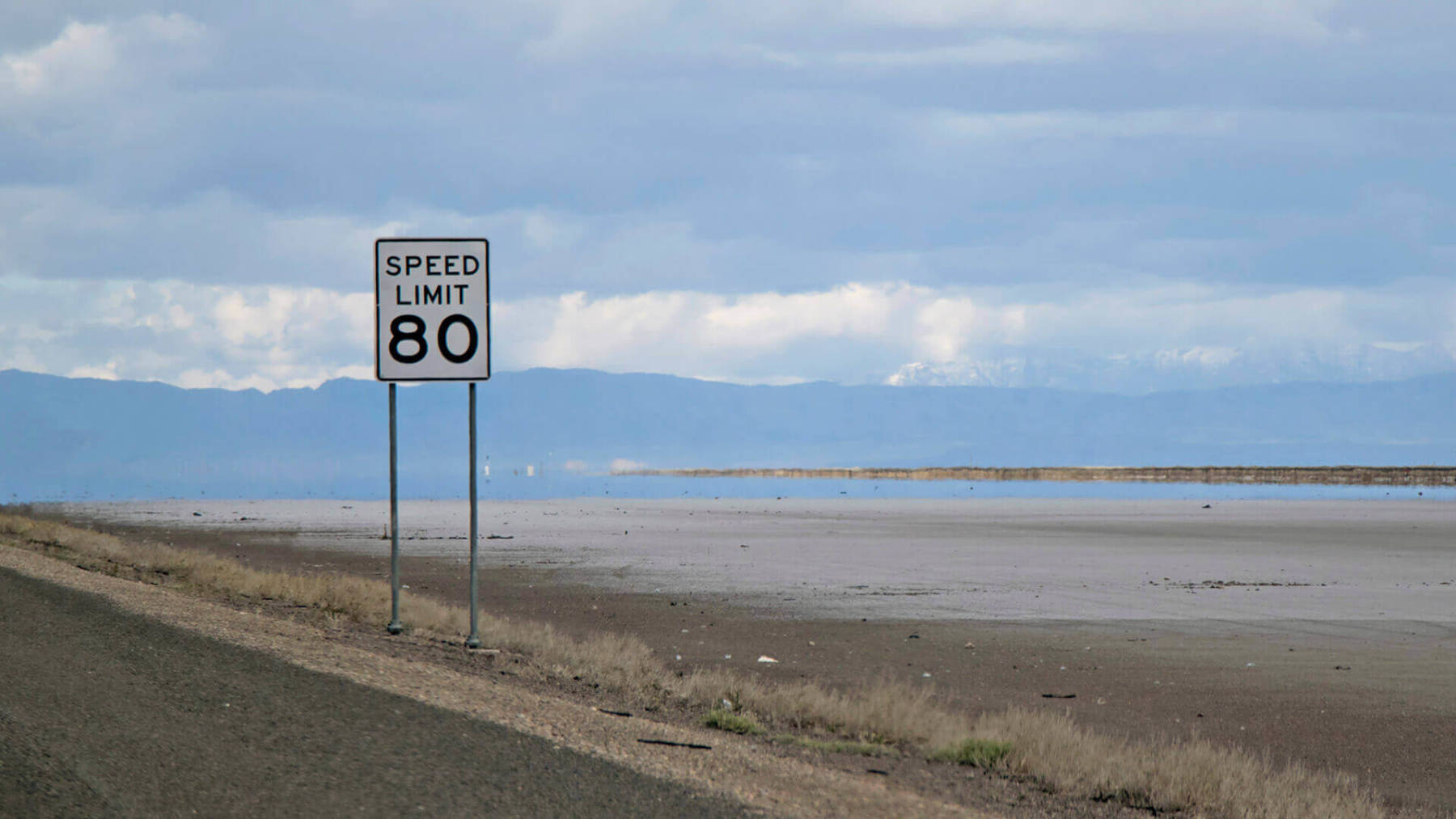
- Interstate Highways: Major interstates like I-80 and I-15 generally have higher speed limits, often up to 80 mph in certain rural sections. However, drivers must remain vigilant for changes in speed limits, which can be triggered by transitions into populated areas, construction, or changes in road geometry.
- State Routes and U.S. Highways: These routes, while often less trafficked than interstates, also have clearly posted speed limits. These can vary significantly, from 55 mph in more populated corridors to 70 mph or higher on desolate stretches. For example, driving along State Route 375, also known as the Extraterrestrial Highway, while an iconic journey, still requires adherence to posted speed limits, which can change unexpectedly.
Mountain Passes and Scenic Byways
Nevada’s geography includes mountain ranges and scenic drives that often feature winding roads, steeper grades, and potentially reduced visibility.
- Curving Roads: Speed limits on mountain passes and winding byways are significantly lower to account for the reduced sight distances and the need for drivers to navigate curves safely. Expect limits to drop considerably as you ascend or descend mountain roads, even on otherwise high-speed highways.
- Weather Conditions: While not always explicitly stated on speed limit signs, drivers are expected to adjust their speed based on weather conditions. Rain, snow, ice, or fog can drastically reduce traction and visibility, making the posted speed limit unsafe. Driving too fast for conditions is a violation, even if you are under the posted limit.
Enforcement and Penalties
Nevada law enforcement, including the Nevada Highway Patrol and local police departments, actively enforces speed limits throughout the state. Violations can result in fines, points on your driving record, and potentially increased insurance premiums.
What to Expect if You’re Pulled Over
If you are stopped for a speeding violation, an officer will typically explain the infraction and issue a citation. The severity of the penalty often depends on:
- How far over the speed limit you were: Exceeding the limit by a small margin will generally result in a lesser penalty than a significant infraction.
- Location of the violation: Speeding in a school zone or construction area often carries enhanced penalties.
- Your driving record: Previous violations can lead to more severe consequences.
Fines can range from modest amounts for minor infractions to several hundred dollars for more serious offenses. Accumulating too many points on your license can lead to suspension.

Tips for Safe Driving in Nevada
To ensure a smooth and safe journey through Nevada, travelers should adopt the following practices:
- Pay Attention to Signs: Always be on the lookout for speed limit signs. They are your primary guide for safe and legal driving.
- Adjust for Conditions: Be prepared to reduce your speed significantly in adverse weather, construction zones, or when road conditions change.
- Be Aware of Your Surroundings: In rural areas, be mindful of wildlife that may dart onto the road. In urban settings, anticipate pedestrian and bicycle traffic.
- Use Cruise Control Wisely: While cruise control can be beneficial on long, straight highways, disengage it when approaching posted speed limit changes, curves, or descending hills.
- Plan Your Route: Familiarize yourself with the general speed limits of the areas you will be traveling through. Resources like the Nevada Department of Transportation website or GPS navigation systems can provide valuable information.
In conclusion, Nevada most certainly has speed limits. These limits are clearly posted and enforced to ensure the safety of all road users. While the allure of the open road is strong, responsible driving, characterized by adherence to posted speed limits and an awareness of prevailing conditions, is essential for experiencing the full beauty and safety of the Silver State. Whether you’re exploring the glitz of Las Vegas, the historic charm of Reno, or the stark beauty of its desert landscapes, safe and legal driving will enhance your Nevada adventure.
LifeOutOfTheBox is a participant in the Amazon Services LLC Associates Program, an affiliate advertising program designed to provide a means for sites to earn advertising fees by advertising and linking to Amazon.com. Amazon, the Amazon logo, AmazonSupply, and the AmazonSupply logo are trademarks of Amazon.com, Inc. or its affiliates. As an Amazon Associate we earn affiliate commissions from qualifying purchases.