
The Spanish Origins of the Silver State
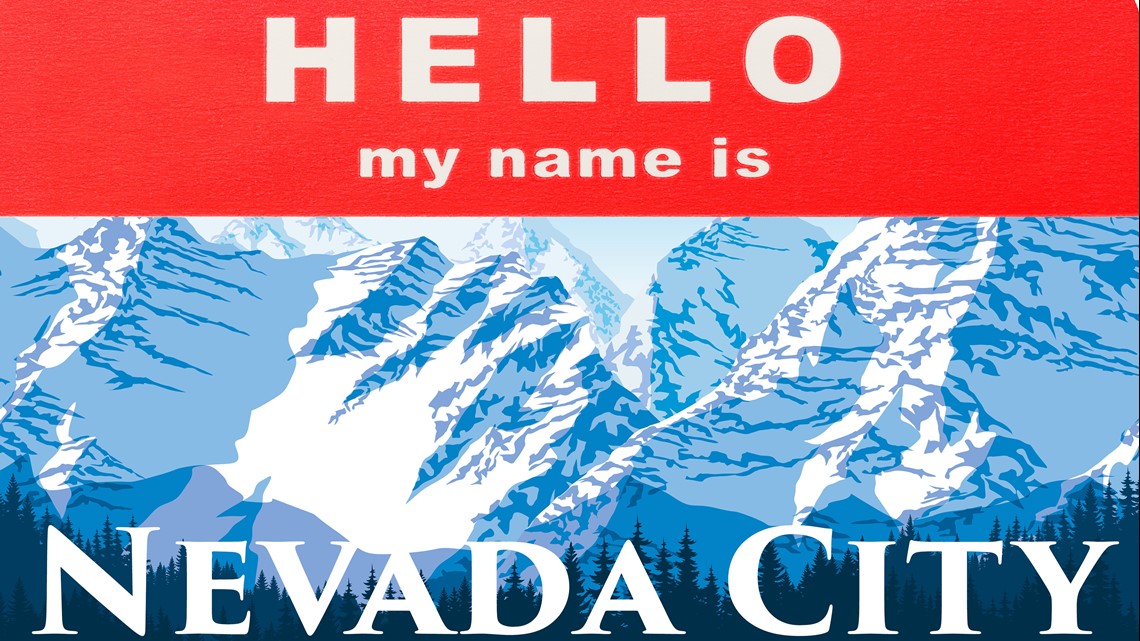
The name “Nevada” is deeply rooted in the rich history and linguistic heritage of the Iberian Peninsula, specifically Spain. The term itself is a Spanish adjective, translating to “snow-covered.” This seemingly simple descriptor holds profound significance when considering the geography and the very first European explorations of the region that would eventually become the state of Nevada. The iconic Sierra Nevada mountain range, a majestic natural barrier to the west, is the direct source of this appellation. Spanish explorers, venturing into territories previously unknown to them, were struck by the perpetual snows that crowned these formidable peaks, especially during the winter months.
Early Explorations and Naming Conventions
The Spanish were among the first Europeans to explore the vast expanses of what is now the southwestern United States. Their expeditions, often driven by a quest for new territories, resources, and the propagation of faith, left an indelible mark on the nomenclature of the region. In the case of Nevada, the visual impact of the snow-capped mountains was undeniable. The name “Sierra Nevada,” meaning “snowy mountain range,” was applied by these early cartographers and explorers. This Spanish influence is evident in numerous place names across the American Southwest, reflecting a period of significant Spanish exploration and colonization.
The formal application of “Nevada” as a distinct territorial or state name came much later than the initial descriptions by Spanish explorers. However, the geographic feature that inspired the name – the Sierra Nevada mountains – was recognized and described by Spanish expeditions in the 18th century. These expeditions, such as those led by figures like Juan Bautista de Anza, were instrumental in charting routes and documenting the landscapes of what would become California and Nevada. The descriptive power of the Spanish language, particularly in conveying visual and geographical characteristics, made it a fitting tool for these early cartographic endeavors.
From Geographic Feature to Political Entity
The journey from a descriptive term for a mountain range to the official name of a state is a complex one, intertwined with the political and territorial evolution of the United States. As American settlers and explorers pushed westward, they encountered the existing Spanish nomenclature. The name “Nevada” for the mountain range became widely adopted. When the territory was officially organized, the inspiration for its name was drawn directly from this prominent natural landmark.
The establishment of the Territory of Nevada in 1861, during the height of the American Civil War, was a crucial step in its political formation. The name was chosen to reflect the dominant geographical feature that defined its western boundary. This decision solidified the Spanish legacy in the naming of the state. It’s a testament to the enduring influence of the early European explorers and their keen observation of the natural world. The “snowy mountains” that greeted them became synonymous with the land itself.
The Civil War Context and Statehood
The timing of Nevada’s territorial organization and subsequent statehood is particularly noteworthy. Established during the Civil War, its creation was partly motivated by the Union’s need for resources, particularly silver, and to bolster its political standing. The discovery of the Comstock Lode, a rich silver deposit, significantly increased the region’s economic and strategic importance. This influx of wealth and population further cemented the identity of the area, and its name, derived from the Spanish descriptor for its snow-capped mountains, became firmly entrenched. Nevada was admitted as the 36th state in 1864, just a year after becoming a territory, a rapid ascent driven by its mineral wealth and strategic value to the Union.
The Sierra Nevada: A Defining Presence
The Sierra Nevada mountain range is more than just a geological formation; it is a natural wonder that has profoundly shaped the history, culture, and identity of Nevada. Its imposing presence serves as a constant reminder of the origins of the state’s name and the enduring power of nature’s grandeur.
Geographic Significance and Historical Impact

The Sierra Nevada range acts as a formidable barrier, influencing weather patterns, migration routes, and the very settlement of the region. For early explorers, navigating these mountains was a significant challenge. For indigenous peoples, the range offered resources and shelter, but also posed natural obstacles. The Spanish, with their keen eye for descriptive place names, immediately recognized the defining characteristic of these mountains: the snow that often adorned their peaks. This observation led to the name “Sierra Nevada,” a designation that would eventually lend its identity to an entire state.
The discovery of the Comstock Lode in the 1850s, located in the eastern foothills of the Sierra Nevada near the town of Virginia City, was a pivotal moment in Nevada’s history. This extraordinary silver discovery transformed a sparsely populated territory into a booming mining region. The proximity to California, with its established infrastructure and population, facilitated the rapid development of the Nevada mining districts. The Sierra Nevada thus played a direct role in the economic boom that paved the way for Nevada’s statehood.
Ecological Importance and Recreational Opportunities
Beyond its historical and economic significance, the Sierra Nevada is an ecosystem of immense beauty and ecological importance. Its diverse landscapes range from arid foothills to alpine meadows and dense forests, supporting a rich variety of flora and fauna. This natural splendor has also made the range a premier destination for outdoor recreation. Visitors flock to Lake Tahoe, straddling the border of Nevada and California, for its pristine waters and surrounding mountain vistas. Ski resorts like Heavenly Mountain Resort offer world-class winter sports, while hiking trails in areas such as the Great Basin National Park provide opportunities to explore its rugged terrain. The “snow-covered” aspect, which gave the state its name, is a defining feature of these recreational pursuits, from skiing in winter to the snowmelt that feeds the region’s rivers and lakes in warmer months.
The Etymology of “Nevada”: A Linguistic Journey
The name “Nevada” is a linguistic artifact, a direct descendant of the Spanish language, and its etymology offers a fascinating glimpse into the historical interactions between cultures and the process of naming new lands.
Spanish Roots and Meaning
The word “nevada” is the feminine singular form of the Spanish adjective “nevado,” meaning “snowy” or “covered with snow.” In the context of the Sierra Nevada mountain range, the feminine noun “sierra” (meaning “saw” or, in a geographical context, “mountain range”) is modified by the adjective “nevada.” Therefore, “Sierra Nevada” literally translates to “Snowy Mountain Range.” This linguistic precision reflects the Spanish explorers’ straightforward and descriptive approach to naming geographical features. They observed the most prominent characteristic of the mountains and named them accordingly.
The Spanish language, with its Romance roots derived from Latin, has a rich vocabulary for describing the natural world. The use of adjectives to characterize nouns was a common practice in Spanish naming conventions, particularly during the Age of Exploration. The ease with which the term “nevada” could be applied to the visually striking mountain range underscores its accuracy and effectiveness. This descriptive clarity is a hallmark of much of the geographical nomenclature left behind by Spanish expeditions throughout the Americas.
The Shift from Mountain Range to State Name
The transition of “Nevada” from an adjective describing a mountain range to the name of an entire state was a gradual, yet significant, process. As American westward expansion progressed, the Spanish names and designations for geographic features often persisted. When the U.S. government began organizing territories in the mid-19th century, the prominent natural landmarks were frequently used as the basis for naming these new political entities.
The Territory of Nevada was created in 1861, and its name was almost certainly a direct adaptation of the already well-established Spanish name for the bordering mountain range. The sheer scale and prominence of the Sierra Nevada made it an unmistakable symbol of the region. By adopting this name, the territory acknowledged the geographical reality that defined its western frontier and, by extension, the character of the land. The decision was a practical one, leveraging an existing and widely recognized geographical descriptor to give a new political entity a clear and evocative identity.

Legacy and Modern Interpretation
The legacy of the name “Nevada” is a powerful reminder of the historical layers that constitute the American West. It speaks to the era of Spanish exploration, the subsequent American expansion, and the enduring influence of geography on human settlement and political organization. Today, the name “Nevada” evokes images of vast deserts, iconic cities like Las Vegas, and the towering peaks of the Sierra Nevada. While the “snow-covered” aspect might not be the most dominant image for many visitors today, particularly those experiencing its desert landscapes, it remains the fundamental origin of the state’s identity and a testament to the historical narratives embedded within its name.
The name also carries a certain romanticism, hinting at the grandeur of the natural world and the historical narratives of discovery and settlement. It connects the modern state to its Spanish past, a past that is still visible in the architecture, language, and cultural heritage of the region. The story of how Nevada got its name is, therefore, more than just a linguistic exercise; it is a narrative of exploration, geography, and the formation of a unique American state.
LifeOutOfTheBox is a participant in the Amazon Services LLC Associates Program, an affiliate advertising program designed to provide a means for sites to earn advertising fees by advertising and linking to Amazon.com. Amazon, the Amazon logo, AmazonSupply, and the AmazonSupply logo are trademarks of Amazon.com, Inc. or its affiliates. As an Amazon Associate we earn affiliate commissions from qualifying purchases.