
Navigating the financial landscape of owning a vehicle in Nevada involves understanding various fees, and at the forefront of these costs is vehicle registration. For residents and newcomers alike, deciphering the exact amount for vehicle registration can seem complex due to a tiered system that accounts for vehicle type, age, weight, and even county of residence. This comprehensive guide aims to demystify the process, breaking down the factors that influence your registration costs and providing clarity on what to expect when you head to the Nevada Department of Motor Vehicles (DMV).
Understanding the Core Components of Nevada Vehicle Registration Fees
The cost of registering a vehicle in Nevada isn’t a single, flat rate. Instead, it’s a composite of several fees, each serving a specific purpose. The primary components include:
- State Registration Fee: This is the base fee collected by the state for the privilege of registering and operating a vehicle on Nevada roads.
- County/City Fees: Many counties and cities in Nevada levy their own additional registration fees. These funds often contribute to local road maintenance, improvements, and other public services. Clark County and Washoe County, being the most populous, often have distinct fee structures compared to less populated rural areas.
- Plate Fees: A nominal fee is charged for the issuance of license plates. If you opt for specialty plates, there might be an additional surcharge.
- Weight Fees: For certain vehicle classes, particularly larger trucks and RVs, fees are calculated based on the vehicle’s empty weight. Heavier vehicles generally incur higher weight fees.
- Emissions Fees: Vehicles registered in certain counties, specifically Clark County and Washoe County, are subject to emissions testing. A fee is associated with this testing and its subsequent registration. The cost can vary depending on the type of test required.
- Other State-Mandated Fees: This can include a variety of smaller fees, such as those for the Nevada Highway Patrol, county general funds, and sometimes specific infrastructure projects.
The Impact of Vehicle Age and Type
One of the most significant determinants of registration cost is the age and type of your vehicle. Nevada employs a system where older vehicles, generally those more than a certain number of years old (often around 10 years, though this can be adjusted by legislation), may qualify for reduced registration fees, assuming they meet specific criteria and have passed their emissions tests if applicable. This policy aims to make vehicle ownership more affordable for long-term car owners.
- Passenger Cars: The most common category, passenger cars, typically have registration fees that are influenced by their age. Newer models usually incur higher initial registration fees, which gradually decrease as the vehicle ages.
- Trucks and Commercial Vehicles: These often have weight-based fee structures. The heavier the truck or commercial vehicle, the higher the registration cost will be due to increased wear and tear on roadways.
- Motorcycles: Motorcycles usually have a separate, often lower, fee structure compared to cars and trucks.
- Recreational Vehicles (RVs): Larger RVs can also be subject to weight-based fees. The increasing popularity of RV travel in Nevada means many residents need to factor these costs into their budget.
- Electric and Hybrid Vehicles: Nevada, like many states, has explored and implemented surcharges for electric and hybrid vehicles to help offset the loss of fuel tax revenue. These fees are intended to contribute to road maintenance, recognizing that these vehicles still utilize the state’s infrastructure. The specific amounts can change, so it’s always best to check current DMV regulations.
County-Specific Variations and Local Taxes
As mentioned, the county in which you register your vehicle plays a crucial role in the total cost. Nevada‘s DMV operates on a decentralized model where local governments can add their own fees to the state-mandated ones.
Clark County and Washoe County
These two major metropolitan areas, encompassing cities like Las Vegas, Henderson, and Reno, often have the highest registration fees due to higher population density, greater demand for services, and more extensive infrastructure projects funded by these fees. Residents in Clark County will typically find their registration costs are influenced by:
- Emissions Testing Fees: Clark County requires emissions testing for most gasoline-powered vehicles. The cost of this test and the subsequent registration uplift can be substantial.
- County Road Improvement Fees: Funds may be allocated towards maintaining and expanding the vast road networks in these populous counties.
- Higher Base County Fees: The state-mandated base fees are often supplemented by higher county-level fees.
Rural Counties
Conversely, residents in less populated rural counties like Elko, Carson City, or White Pine may find their vehicle registration fees to be considerably lower. This is often because:
- No Emissions Testing: Many rural counties are exempt from mandatory emissions testing for most vehicles.
- Lower Local Fees: The need for extensive infrastructure projects might be less, resulting in lower county-specific surcharges.
- Fewer Administrative Costs: The administrative overhead for the DMV in smaller counties can also contribute to lower overall fees.
Estimating Your Nevada Vehicle Registration Costs
While an exact figure without specific vehicle details and county of residence is impossible to provide, we can outline a general approach to estimation.
The Basic Formula
Total Registration Cost ≈ State Registration Fee + County/City Fee + Plate Fee + Weight Fee (if applicable) + Emissions Fee (if applicable) + Other State/Local Mandated Fees.
Example Scenario (Illustrative)
Let’s consider an example for a hypothetical scenario in Clark County for a standard passenger car that is 5 years old:
- State Registration Fee: This might range from $30 to $60 depending on specific legislation.
- County Fee (Clark County): This could be an additional $20 to $50.
- Plate Fee: Typically around $5 to $15.
- Weight Fee: For a standard passenger car, this might be minimal, perhaps $10 to $30.
- Emissions Fee: The cost of the emissions test itself, plus the registration fee uplift for passing, could be in the range of $40 to $70.
- Other Fees: Various smaller fees could add another $10 to $25.
Based on these rough estimates, a 5-year-old passenger car in Clark County might see total registration costs ranging from approximately $115 to $250 annually. This is purely illustrative, and actual costs can vary significantly.
For an older vehicle (e.g., 12 years old) in a rural county without emissions testing, the cost could be substantially lower, potentially falling between $50 and $120 annually.
Where to Find Exact Information
The most accurate way to determine your specific registration cost is to:
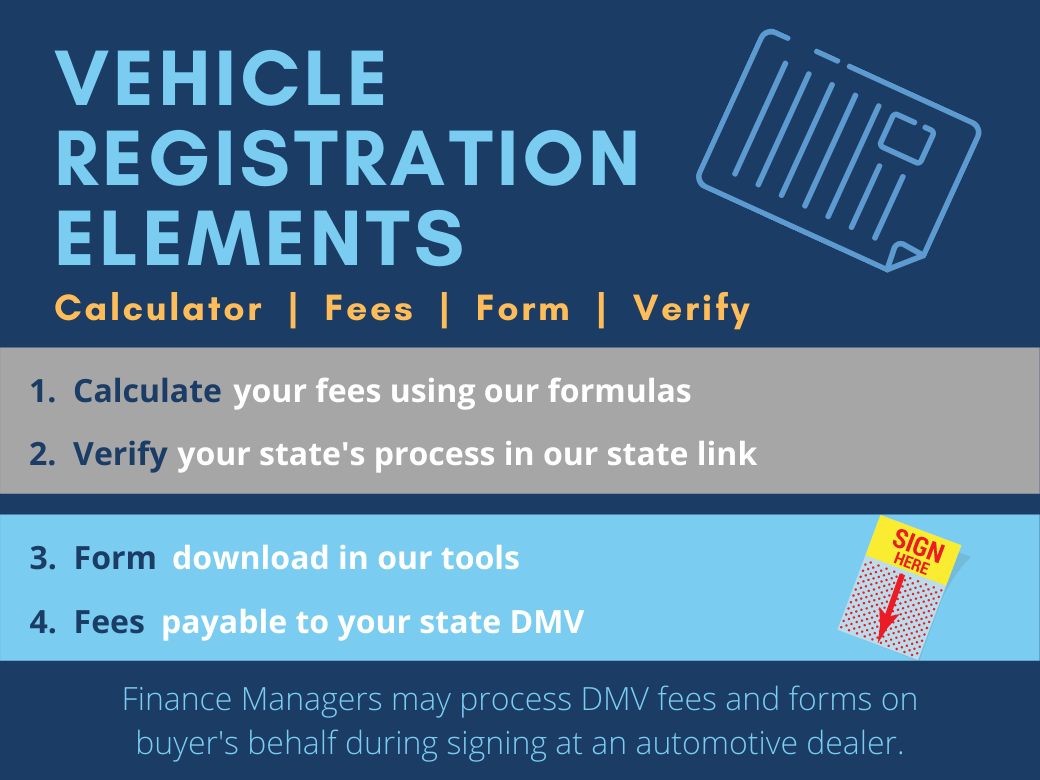
- Visit the Nevada DMV Website: The Nevada DMV website offers detailed fee schedules and often has an online calculator or tools to help you estimate costs. Look for sections related to “Vehicle Registration Fees” or “New Resident Information.”
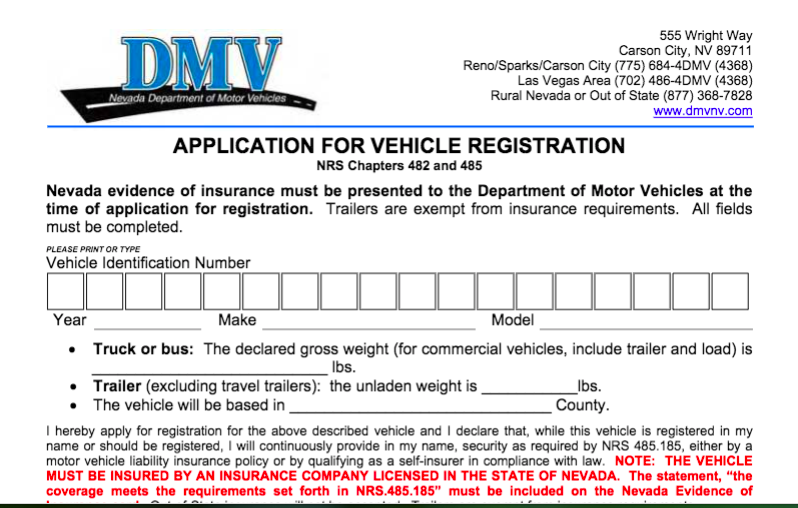
- Contact Your Local DMV Office: For personalized assistance, visiting or calling your local Nevada DMV office is advisable. They can provide precise figures based on your vehicle’s specifics (year, make, model, VIN, weight) and your residential address.
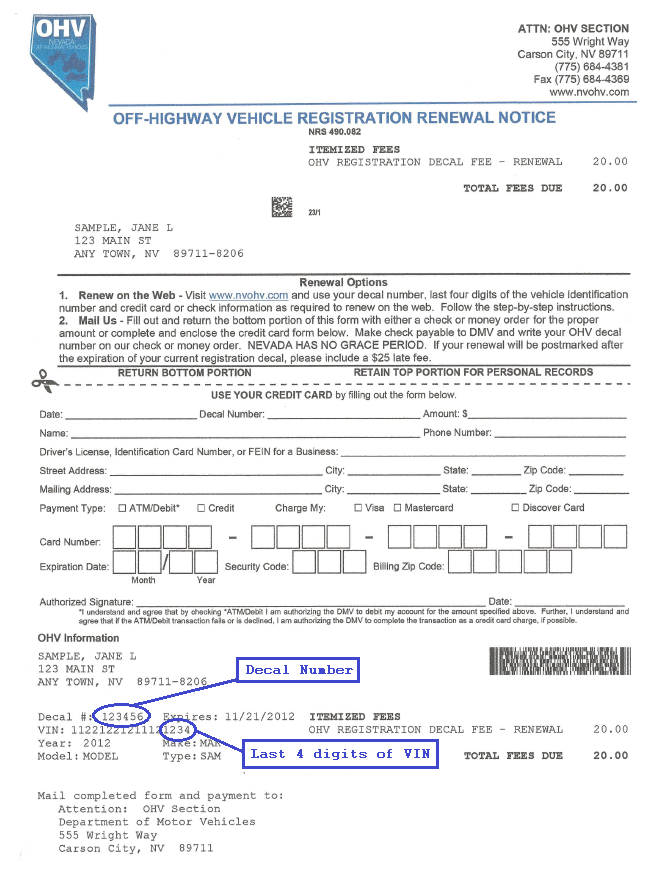
- Check Your Renewal Notice: If you are renewing your registration, your renewal notice will clearly state the total amount due, broken down by fee category.
Factors Beyond Initial Registration: Renewal and Other Costs
It’s important to remember that the registration cost is typically an annual or biennial (every two years) expense. Renewal fees generally follow the same principles as initial registration, though sometimes older vehicles might see further reductions.
Beyond registration, other vehicle-related costs in Nevada include:
- Title Transfer Fees: When buying a new or used vehicle, you’ll pay a fee to transfer the title into your name.
- Sales Tax: Nevada imposes sales tax on vehicle purchases, which can be a significant upfront cost.
- Insurance: While not a DMV fee, mandatory liability insurance is a critical ongoing expense for all Nevada drivers. Rates vary widely based on your driving record, vehicle, and coverage levels.
- Property Tax (in some jurisdictions): While not a state-wide property tax on vehicles, some local jurisdictions may have specific levies. It’s crucial to check your local ordinances.
Conclusion: Planning Your Budget for Nevada Vehicle Registration
Understanding vehicle registration costs in Nevada is essential for responsible vehicle ownership. By considering the vehicle’s age, type, weight, and, most importantly, your county of residence, you can better estimate and budget for these mandatory fees. While the system can seem intricate, the Nevada DMV and local offices are resources designed to provide clarity. Staying informed about current fee structures and any legislative changes will ensure a smooth and financially predictable experience as you navigate the roads of the Silver State.
LifeOutOfTheBox is a participant in the Amazon Services LLC Associates Program, an affiliate advertising program designed to provide a means for sites to earn advertising fees by advertising and linking to Amazon.com. Amazon, the Amazon logo, AmazonSupply, and the AmazonSupply logo are trademarks of Amazon.com, Inc. or its affiliates. As an Amazon Associate we earn affiliate commissions from qualifying purchases.