
Hawaii, the jewel of the Pacific Ocean, beckons travelers with its pristine beaches, vibrant culture, and unparalleled natural beauty. From the iconic shores of Waikiki Beach on Oahu to the verdant cliffs of the Na Pali Coast on Kauai, and the volcanic landscapes of the Big Island, the Aloha State offers an escape like no other. As you plan your dream Hawaiian vacation, it’s natural to consider all aspects of local laws and customs, including the legal status of cannabis. For many, understanding these regulations is crucial for ensuring a smooth, enjoyable, and lawful trip. So, is weed legalized in Hawaii? The answer, while nuanced, is generally “no” for recreational use, especially for visitors.
While some states in the United States have fully embraced recreational cannabis, Hawaii operates under a more conservative framework. Medical cannabis has been legal for qualifying patients for many years, and small amounts have been decriminalized. However, this is a far cry from full recreational legalization, which would allow adults to purchase and consume cannabis freely, much like alcohol. For tourists, this distinction is incredibly important, as misunderstanding the law can lead to significant legal trouble, fines, and potentially disrupt your travel plans and overall experience.
Our goal here is to provide a comprehensive guide for travelers, focusing on what you need to know about Hawaii’s cannabis laws. We’ll delve into the current legal status, what it means for visitors, how hotel and accommodation policies factor in, and what the future might hold. By understanding these guidelines, you can ensure your Hawaiian getaway remains focused on the islands’ breathtaking attractions, rich local culture, and unforgettable experiences, rather than legal complications.

The Current Landscape of Cannabis Laws in Hawaii
Navigating the legal intricacies of cannabis in different destinations can be challenging, especially when state laws diverge from federal ones. In Hawaii, the situation is a blend of medical allowances and decriminalized recreational possession, but without the full legalization that many travelers might assume or hope for. Understanding these distinctions is fundamental for any visitor.
Medical Cannabis: A Legal Pathway for Residents
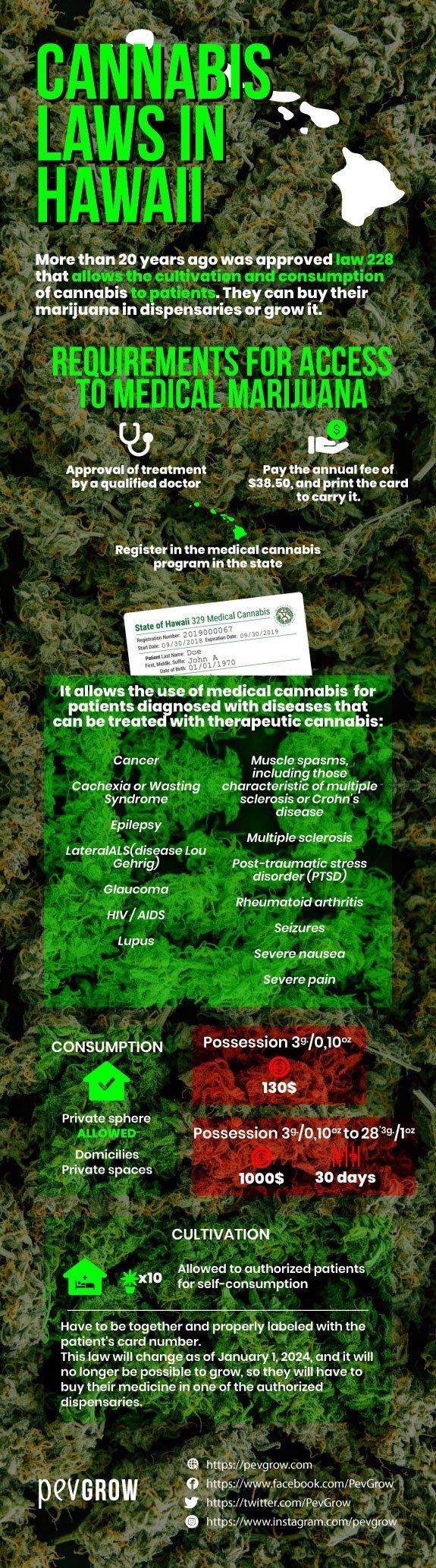
Hawaii has had a medical cannabis program in place since 2000, making it one of the earlier states to recognize the therapeutic benefits of the plant. Under the Hawaii Medical Cannabis Program, qualifying patients with specific debilitating medical conditions can obtain a 329 registration card, often referred to as a “329 card” or medical marijuana card. This card allows them to legally possess and cultivate a limited amount of cannabis for personal medical use.
However, a crucial point for tourists is that this program is primarily designed for Hawaii residents. While some states offer reciprocity for out-of-state medical cannabis cards, Hawaii generally does not. This means that even if you possess a valid medical cannabis card from your home state, it typically will not allow you to purchase cannabis from a licensed dispensary in Hawaii. The program requires a physician licensed in Hawaii to certify a patient’s condition, making it difficult for short-term visitors to participate legally. For the vast majority of tourists, accessing cannabis through the medical program is not a viable option. Attempting to use an out-of-state card for purchase would likely be unsuccessful and could potentially lead to legal issues if you possess cannabis without a valid Hawaii 329 card.

Decriminalization vs. Legalization: A Key Distinction
One of the most common misconceptions among travelers is confusing decriminalization with legalization. In Hawaii, a significant change occurred in 2020 when the state decriminalized possession of small amounts of cannabis. This means that possessing three grams or less of cannabis is no longer a criminal offense leading to arrest and potential jail time. Instead, it is treated as a civil infraction, akin to a minor traffic ticket, punishable by a fine of $130.
While this may sound like a relaxed approach, it is absolutely essential to understand that decriminalization is not legalization. Cannabis remains illegal for recreational use. Decriminalization simply lessens the penalties for minor possession; it does not authorize its sale, purchase, or consumption by adults without a medical card. You cannot legally buy recreational cannabis from a store or consume it openly in public. Getting a civil infraction can still be an unpleasant and costly experience, interrupting your vacation and potentially leading to further complications if you are found with larger amounts or engaged in other illegal activities. Therefore, visitors should not interpret decriminalization as a green light to consume cannabis during their trip.
What Visitors Need to Know: Navigating Cannabis in the Aloha State
For those planning an unforgettable trip to Hawaii, understanding the current cannabis laws is paramount to ensuring a hassle-free and enjoyable experience. The focus should always be on responsible tourism and adhering to local regulations.
Possession and Consumption Rules for Tourists
Given that recreational cannabis sales and use are not legal for tourists in Hawaii, the simplest and safest advice is to avoid possessing or consuming cannabis altogether during your visit. There are no legal dispensaries where recreational users, including out-of-state visitors, can purchase cannabis. Any attempt to acquire cannabis from unlicensed sources could expose you to dangerous products, scams, or more serious legal repercussions, as purchasing from the illicit market is a criminal offense.
Furthermore, even if you were to somehow acquire cannabis, consuming it legally would be extremely difficult. Public consumption of cannabis, in any form, is strictly prohibited. This includes popular tourist spots like Waikiki Beach, the vibrant streets of Honolulu, public parks, beaches, hiking trails, and federal lands such as Volcanoes National Park on the Big Island or the monuments at Pearl Harbor. Using cannabis in these areas, even if only decriminalized amounts, can lead to fines and other penalties. Most hotels and accommodation providers also have strict no-smoking policies that extend to cannabis, regardless of its legal status in other contexts. This means that even in the privacy of your rented room or villa, you would likely be violating property rules, which could result in additional fines from your accommodation provider or even eviction.
The conflict between state and federal law is another critical consideration, particularly for travelers. While Hawaii has decriminalized small amounts, cannabis remains illegal under federal law. This has significant implications for air travel. Transporting cannabis across state lines or even within Hawaii by air is a federal offense, regardless of state laws. Airports are federal zones, and the Transportation Security Administration (TSA) operates under federal jurisdiction. Discovering cannabis during security screenings can lead to federal charges, far more severe than state-level infractions. Therefore, it is strongly advised against bringing cannabis to Hawaii or attempting to transport it via air.
Exploring Hawaii’s Unique Attractions Without Cannabis Concerns
Hawaii’s allure lies in its unparalleled natural beauty, rich cultural heritage, and endless opportunities for adventure. Focusing on these legal and enriching experiences will ensure your trip is truly unforgettable. The islands offer a myriad of attractions that require no enhancement other than your own sense of wonder.
Imagine hiking to the summit of Diamond Head for panoramic views of Honolulu and Waikiki Beach, exploring the dramatic cliffs and turquoise waters of the Na Pali Coast by boat or helicopter, or witnessing the raw power of nature at Volcanoes National Park. On Maui, you can drive the scenic Road to Hana, relax on the golden sands of Kaanapali or Wailea, or explore the charming towns. Kauai, the “Garden Isle,” offers lush rainforests, cascading waterfalls, and incredible snorkeling spots.
Beyond the natural wonders, Hawaii boasts a vibrant local culture. Engage with the Aloha spirit through traditional hula shows, luau feasts featuring authentic Hawaiian cuisine, and visits to historical sites. Explore bustling local markets, indulge in fresh seafood, and learn to surf on world-renowned breaks. Many resorts, such as Aulani, a Disney Resort & Spa or the Grand Hyatt Kauai Resort & Spa, offer incredible amenities, guided tours, and family-friendly activities that provide a complete and fulfilling vacation experience. By focusing on these legal and readily available activities, you can truly immerse yourself in the magic of Hawaii without any legal concerns related to cannabis.
Accommodation and Cannabis: Hotel Policies and Your Stay
When planning a trip to Hawaii, your choice of accommodation—from luxurious resorts to cozy Airbnb rentals—is a key part of the experience. It’s vital to understand that even if recreational cannabis were fully legalized, most accommodation providers would still enforce their own strict policies regarding its use on their property.
Understanding Hotel and Rental Rules
The vast majority of hotels, resorts, and vacation rentals in Hawaii maintain clear and consistent no-smoking policies that extend to all forms of smoking, including cannabis, e-cigarettes, and vapes. These policies are in place to ensure guest comfort, maintain property cleanliness, and comply with fire safety regulations. Hotels like The Ritz-Carlton, Kapalua, Four Seasons Resort Maui at Wailea, and major chains such as Marriott and Hilton all explicitly prohibit cannabis use on their premises, including in guest rooms, balconies, and common areas.
Even if you possess a Hawaii medical cannabis card, using cannabis in a hotel room would likely violate their internal policies. Violating these rules can lead to significant penalties, including cleaning fees (which can be several hundred dollars), eviction from the property, and even being added to a “do not rent” list, potentially impacting future travel plans.
For private vacation rentals booked through platforms like Airbnb or VRBO, policies can vary, but most hosts also prohibit cannabis use. It is standard practice for hosts to include no-smoking clauses in their rental agreements. Always review the specific rules for your chosen accommodation carefully before booking and arrival. If in doubt, directly contact the hotel or host to clarify their stance on cannabis use. Assuming it’s permissible because it’s a private space can lead to unpleasant surprises and disrupt your stay.
Ensuring a Smooth and Law-Abiding Vacation
To ensure your accommodation experience is as relaxing and enjoyable as possible, the best approach is to fully comply with all property rules and local laws. Focus on enjoying the amenities your chosen resort or rental offers, from stunning pools and spa services to delicious dining options and beachfront access. Many Hawaii accommodations provide a wealth of activities and services, such as concierge assistance for booking excursions, cultural workshops, and water sports rentals.
By respecting the property’s regulations, you contribute to a positive environment for all guests and avoid any potential disputes or penalties. Remember that your vacation is about experiencing the unique charm and beauty of Hawaii, and adhering to basic rules ensures that your focus remains on creating wonderful memories rather than dealing with avoidable complications.
The Future of Cannabis Legalization in Hawaii
The question of recreational cannabis legalization in Hawaii is not static; it’s an ongoing conversation, with various stakeholders advocating for and against change. While the current status remains that recreational use is illegal for tourists, understanding the legislative efforts provides context and helps travelers stay informed for future visits.
Ongoing Legislative Debates and Potential Changes
For several years, lawmakers in Hawaii have debated proposals to fully legalize recreational cannabis for adults. Proponents often highlight potential benefits such as increased tax revenue, which could fund public services, and the ability to regulate a currently illicit market, ensuring product safety and quality. They also point to the success of legalization in other states, citing reduced crime rates related to cannabis and a boost to tourism, albeit cautiously. Tourism bodies would certainly need to assess the impact of such a change on the state’s family-friendly image.
However, these efforts have faced significant hurdles, including concerns from law enforcement regarding public safety, public health officials worried about increased usage rates, and some community groups apprehensive about potential societal impacts. The legislative process in Hawaii can be complex and slow, often requiring broad consensus and careful consideration of local cultural values. As of now, bills proposing full recreational legalization have either failed to pass or have been deferred in various legislative sessions. The timeline for any potential change remains uncertain, and it is unlikely to happen overnight. This means that for the foreseeable future, the current laws—medical use for residents and decriminalization of small amounts—are expected to remain in place.
Planning Your Trip: Staying Informed and Prepared
Given the fluid nature of cannabis laws, especially in a jurisdiction like Hawaii where discussions are ongoing, it’s always wise for travelers to stay updated. Before any future trips, consult official government websites for the most current legal information. Do not rely solely on news articles or anecdotal information, as laws can change.
For your upcoming trip, the most responsible and stress-free approach is to respect the current laws. Embrace the fact that Hawaii offers an abundance of experiences that require no legal grey areas. Focus on the breathtaking landscapes of Maui and Kauai, the vibrant marine life you can discover while snorkeling or diving, the exhilarating surf lessons on Oahu, or the tranquility of a sunset cruise. Engage with the local culture, savor the delicious cuisine, and simply relax on the world-famous beaches. By planning your trip with full awareness of and respect for Hawaii’s current laws, you ensure that your focus remains on creating cherished memories in this truly unique and enchanting destination.
Conclusion
To reiterate, while Hawaii has a medical cannabis program for qualifying residents and has decriminalized possession of small amounts for all adults, recreational cannabis is not fully legalized. For tourists, this means that purchasing, possessing, or consuming cannabis for recreational purposes is illegal and can lead to civil fines or more severe penalties, particularly on federal lands or if attempting to fly with it. Furthermore, nearly all hotels and private accommodations prohibit cannabis use on their premises.
As a premier travel destination, Hawaii offers a wealth of incredible experiences that truly need no illicit enhancement. From exploring the majestic Na Pali Coast and witnessing the sunrise from Haleakala to delving into the rich history of Pearl Harbor or simply unwinding on Waikiki Beach, the islands provide endless opportunities for adventure, relaxation, and cultural immersion.
Responsible travel involves respecting local laws and customs, and in Hawaii’s case, this includes its approach to cannabis. By staying informed, adhering to regulations, and focusing on the myriad of legal and enriching activities available, you can ensure your visit to the Aloha State is nothing short of a perfect, worry-free escape. Pack your bags, embrace the Aloha spirit, and prepare for an unforgettable journey to one of the world’s most beautiful and welcoming destinations.
LifeOutOfTheBox is a participant in the Amazon Services LLC Associates Program, an affiliate advertising program designed to provide a means for sites to earn advertising fees by advertising and linking to Amazon.com. Amazon, the Amazon logo, AmazonSupply, and the AmazonSupply logo are trademarks of Amazon.com, Inc. or its affiliates. As an Amazon Associate we earn affiliate commissions from qualifying purchases.